Shade For Skin Health: Your Comprehensive UV Protection Guide
Discover how seeking quality shade protects your skin from UV damage, prevents cancer, and enhances outdoor enjoyment safely.
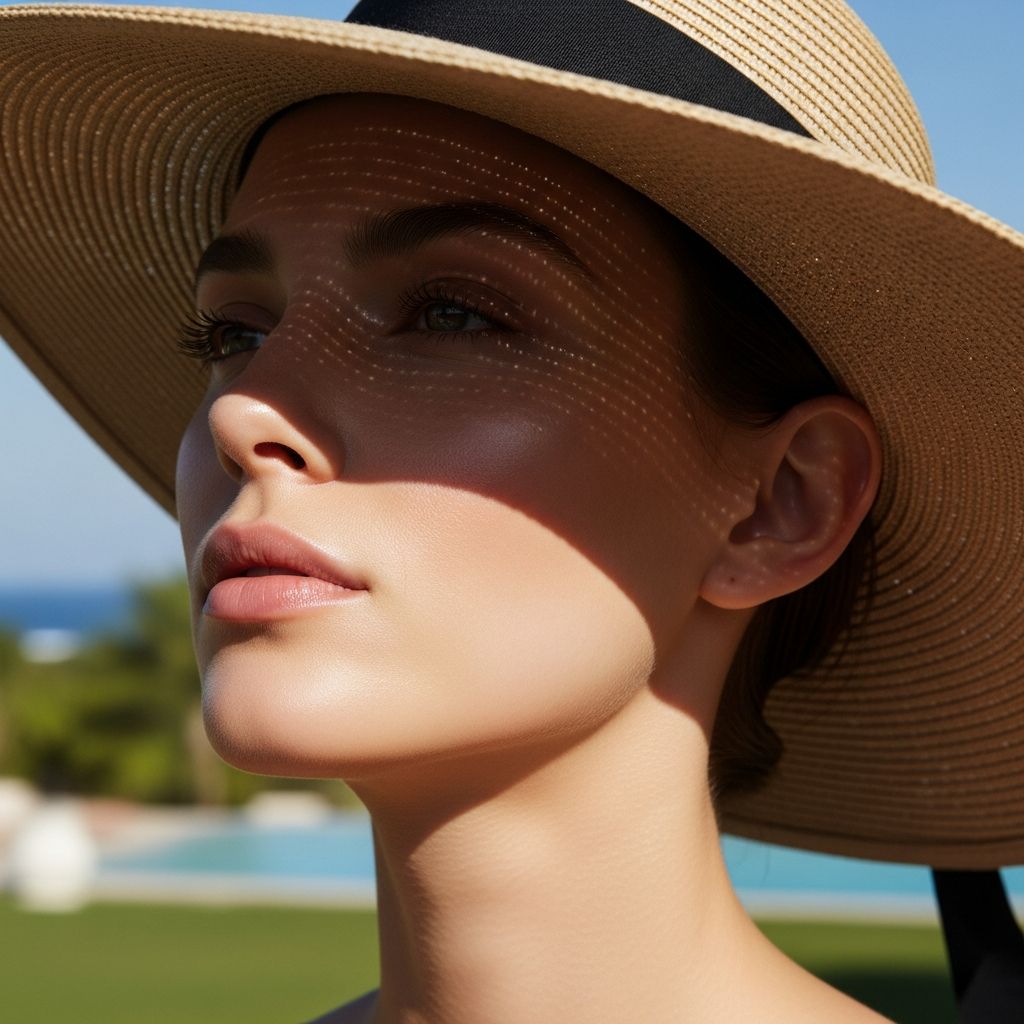
Shade provides essential protection from harmful ultraviolet (UV) radiation, a primary cause of skin cancer, by reducing exposure by up to 75% when high-quality options are chosen. Combining shade with sunscreen, protective clothing, hats, and sunglasses forms a comprehensive strategy for maintaining healthy skin during outdoor activities.
Why Shade Matters for Skin Health
UV radiation from the sun is the leading cause of skin cancer, damaging skin cells through direct and indirect exposure. Direct UV comes straight from the sun, while indirect UV bounces off surfaces like water, sand, snow, and concrete. Quality shade blocks much of this radiation, making it one of the simplest and most effective prevention tools.
High-quality shade significantly lowers UV exposure, helping prevent sunburn, premature aging, and cancers like melanoma. However, not all shade offers equal protection—lower-quality options allow more UV penetration, especially from scattered rays.
Types of Shade: Natural vs. Built
Understanding the differences between natural and built shade helps in selecting the best protection for various settings.
Natural Shade
Trees and tall shrubs provide excellent natural shade, particularly those with dense, low-hanging canopies that block both direct overhead UV and indirect rays from the sides. Larger canopies offer greater coverage, ideal for parks, backyards, and recreational areas.
- Dense foliage trees like oaks or maples excel at midday protection when UV is strongest.
- Early morning and late afternoon protection may be less effective due to angled sunlight.
- Cloudy days increase scattered UV, reducing natural shade efficacy compared to clear days.
Built Shade
Structures such as umbrellas, canopies, awnings, and pergolas deliver consistent protection. Optimal designs feature dense materials that minimize visible blue sky underneath, indicating lower UV penetration.
- Umbrellas can still allow up to 84% UV exposure if open sky is visible.
- Well-designed canopies or sails provide year-round shelter from sun, heat, rain, and wind.
- Combine with side panels to block indirect UV reflections.
Is There UV in the Shade?
Yes, shade does not eliminate UV entirely. Indirect UV from reflections can enter from sides, and scattered rays penetrate thinner canopies or open structures. Test shade quality by checking visible blue sky: less sky means better protection. Always pair shade with other measures like broad-spectrum SPF 30+ sunscreen reapplied every two hours, especially after swimming or sweating.
UV remains active on cloudy, cool days when the UV Index is 3 or higher, so protection is crucial year-round.
Health and Environmental Benefits of Shade
Beyond skin protection, shade enhances well-being and sustainability.
Health Benefits
- Reduces UV exposure: Prevents skin cancer and sunburn.
- Improves thermal comfort: Lowers heat stress during hot weather.
- Boosts physical activity: Encourages outdoor recreation, combating obesity and chronic diseases.
- Enhances mental health: Promotes relaxation, reduces stress, and fosters social connections.
Related Stories



Environmental Benefits
- Cools urban areas: Trees and shade reduce heat islands and air pollution.
- Conserves resources: Minimizes water evaporation, soil erosion, and stormwater runoff.
- Supports biodiversity: Maintains habitats and sequesters carbon.
Community shade also increases property values, cuts energy costs, and strengthens cultural ties through placemaking.
Planning for Effective Shade
Integrating shade into community design is vital for population-level skin cancer prevention. Schools, parks, pools, and public spaces should prioritize shade audits and provision.
| Setting | Shade Recommendations |
|---|---|
| Parks & Playgrounds | Large tree canopies, covered picnic areas, shade sails over play equipment. |
| Schools | Tree-lined paths, awning-covered seating, guidelines for recess scheduling. |
| Beaches & Pools | Umbrella clusters, pergolas, natural dunes with vegetation. |
| Backyards | Plant dense trees, install retractable awnings. |
| Events & Sports | Portable canopies, spectator shade structures. |
Follow guidelines like Cancer Council NSW’s Shade Planning resources for designing high-quality shade that maximizes UV blockage and usability.
Sun Protection Strategy: Shade + More
Shade is powerful but incomplete alone. The American Cancer Society and WHO recommend a multi-layered approach:
- Seek shade during peak UV hours (10 a.m.–4 p.m.).
- Wear clothing: UPF-rated fabrics covering skin.
- Hats & sunglasses: Wide-brimmed hats and UV-blocking lenses.
- Sunscreen: Broad-spectrum SPF 30+, reapplied frequently.
- Avoid tanning beds: Indoor UV sources increase melanoma risk.
This combination limits cancer-inducing damage effectively.
Frequently Asked Questions (FAQs)
Does shade completely block UV rays?
No, indirect and reflected UV can still penetrate. Use additional protections like sunscreen and clothing.
What makes shade ‘high-quality’?
Minimal visible blue sky underneath and coverage from sides. Dense tree canopies or solid built structures are best.
Is shade effective on cloudy days?
Partially, but scattered UV increases. Check UV Index and protect when 3+.
How much UV does good shade reduce?
Up to 75% with quality options.
Best trees for shade?
Species with broad, dense, low canopies like evergreens or natives suited to your region.
Shade for kids’ safety?
Essential in play areas to prevent burns and encourage play. Combine with hats and sunscreen.
Shade is a cornerstone of skin cancer prevention, offering multifaceted benefits for health, environment, and communities. By thoughtfully planning and using shade alongside other protections, individuals and planners can foster safer, healthier outdoor spaces.
References
- Shade | Cancer Council NSW — Cancer Council. Accessed 2026. https://www.cancercouncil.com.au/cancer-prevention/sun-protection/preventing-skin-cancer/shade/
- Why is shade important for UV protection? — Cancer Institute NSW. Accessed 2026. https://www.cancer.nsw.gov.au/prevention-and-screening/preventing-cancer/preventing-skin-cancer/shade-and-uv-protection/why-is-shade-important-for-uv-protection
- Melanoma Prevention: Does Staying in the Shade Prevent Sunburn? — Dana-Farber Cancer Institute. 2018-05-29. http://blog.dana-farber.org/insight/2018/05/staying-shade-prevent-sunburn/
- Healthy Skin: Made in the Shade? — Skin Cancer Foundation. Accessed 2026. https://www.skincancer.org/blog/healthy-skin-made-in-the-shade/
- How to Protect Your Skin from UV Rays — American Cancer Society. Accessed 2026. https://www.cancer.org/cancer/risk-prevention/sun-and-uv/uv-protection.html
- Radiation: Protecting against skin cancer — World Health Organization. Accessed 2026. https://www.who.int/news-room/questions-and-answers/item/radiation-protecting-against-skin-cancer
- Shade as an Environmental Design Tool for Skin Cancer Prevention — PMC (NCBI). 2018. https://pmc.ncbi.nlm.nih.gov/articles/PMC6236749/
Similar Articles








Read full bio of Sneha Tete