Green Mediterranean Diet: Benefits and Health Guide
Discover the green Mediterranean diet: Plant-based eating for heart health, weight loss, and longevity.
What Is a Green Mediterranean Diet and Is It Healthy?
The green Mediterranean diet is an enhanced version of the traditional Mediterranean diet that emphasizes plant-based foods while significantly reducing meat consumption. This dietary approach was formally introduced in 2020 by the DIRECT PLUS research team as a way to amplify the already well-documented health benefits of the classic Mediterranean diet. The green Mediterranean diet builds on the foundation of the traditional Mediterranean diet—which emphasizes fruits, vegetables, whole grains, legumes, olive oil, and moderate amounts of fish and dairy—by reducing red and processed meats even further and adding more polyphenol-rich plant foods like walnuts, green tea, and the nutrient-rich aquatic plant Mankai (duckweed).
Unlike the traditional Mediterranean diet that allows moderate consumption of poultry and fish, the green Mediterranean diet eliminates red meat and poultry almost entirely, focusing instead on obtaining protein from plant-based sources. Recent studies suggest that this ”green Med” diet may be even better for health than the traditional Mediterranean diet that includes more animal-derived foods.
How Does the Green Mediterranean Diet Work?
The green Mediterranean diet works by emphasizing whole plant foods combined with specific nutrient-dense additions that maximize health benefits. A green Mediterranean plant-based diet is capable of improving health by providing essential vitamins, minerals and fatty acids, plus lots of fiber, phytonutrients and antioxidants.
The diet achieves its health-promoting effects through several key mechanisms:
- High polyphenol intake: Foods like vegetables, green tea, walnuts, and seaweed provide polyphenols—powerful compounds with antioxidant and anti-inflammatory properties.
- Healthy fats: Olive oil, nuts, and seeds provide monounsaturated and polyunsaturated fats that support cardiovascular health.
- Abundant fiber: Vegetables, whole grains, and fruits deliver soluble and insoluble fiber for digestive and metabolic health.
- Reduced saturated fat: The elimination of red meat and processed foods lowers saturated fat intake, which benefits heart health.
- Minimal added sugar: The diet avoids processed foods and added sugars that contribute to inflammation and metabolic dysfunction.
One possible factor contributing to the green Mediterranean diet’s effectiveness may be the aquatic duckweed plant (Mankai), which serves as a meat substitute in the diet. Duckweed is high in bioavailable protein, iron, B12, vitamins, minerals, and polyphenols—all of which are known for their health benefits.
Key Health Benefits of the Green Mediterranean Diet
1. Supports Heart Health
The green Mediterranean diet offers substantial cardiovascular benefits. Research published in the journal Heart suggested this type of Mediterranean diet can help lower one’s risk of coronary heart disease, stroke and diabetes. A randomized, controlled trial investigating the effects of the green-MED diet on cardiometabolic health found that adherence to the green-MED diet led to significant improvements in cardiovascular risk factors, including reductions in blood pressure and cholesterol levels. These benefits were linked to favorable changes in the composition of the gut microbiome.
Specific cardiovascular improvements documented in research include:
- Lower risk for heart disease and stroke
- Reduced LDL (bad) cholesterol
- Lower diastolic blood pressure
- Improved overall cholesterol and blood pressure
- Reduced visceral fat (belly fat that surrounds organs)
By reducing visceral adiposity (visceral fat) and inflammation, the Mediterranean diet has been consistently associated with lower cardiovascular and all-cause mortality, reduced central obesity and waist circumference, improved markers of metabolic syndrome, and better long-term survival.
2. Supports Brain Health
Dietary patterns rich in plant-based foods, such as the green Mediterranean diet, have been associated with neuroprotective effects. A comprehensive review indicated that these diets might help prevent age-related cognitive decline and improve cognitive function, potentially due to their high polyphenol content.
Related Stories



A landmark 2022 study examined the impact of the green-MED diet on brain atrophy over 18 months. Participants following the green-MED diet experienced a significant attenuation of age-related brain atrophy compared to control groups, suggesting potential neuroprotective benefits. The green MED diet was more protective against age-related brain atrophy than the traditional MED diet, likely due to its higher polyphenol content.
Brain health benefits include:
- Prevention of age-related cognitive decline
- Improved cognitive function
- Protection against age-related brain atrophy
- Reduced risk of depression
- Potential lower risk of Alzheimer’s disease
3. Promotes Weight Loss and Metabolic Health
One of the most striking findings about the green Mediterranean diet is its effectiveness for weight management. A recent study showed the ”green” Mediterranean diet reduced visceral fat by 14%, twice as much as the classic Mediterranean diet (MED), which reduced visceral fat by 7%.
Visceral fat is particularly harmful belly fat that accumulates deep in the abdomen and surrounds organs including the liver, pancreas, and kidneys. Reducing visceral fat is associated with improved metabolic health and reduced risk of chronic disease.
Additional weight loss and metabolic benefits include:
- Protection against obesity and improved waist circumference/BMI
- Decreased waist circumference
- Enhanced insulin sensitivity
- Reduced risk for type 2 diabetes and metabolic syndrome
- Lower intrahepatic (liver) fat
- Improved insulin sensitivity
- Decreased hunger and cravings due to higher fiber and nutrient intake
4. Reduces Inflammation and Supports Immune Function
Key anti-inflammatory effects of the green Mediterranean diet include reduction in inflammatory markers such as CRP, IL-6, and IL-1β. Studies show improved gut microbiota composition, supporting better immune regulation, and lower systemic inflammation and oxidative stress, contributing to pain relief and chronic disease prevention.
Observational and interventional studies show that people who follow a Mediterranean diet often report less frequent and less severe musculoskeletal pain, including older adults and those dealing with chronic orthopedic or spine issues. The green upgrade enhances these effects even further by introducing a higher intake of polyphenol-rich foods like walnuts, green tea, and Mankai, which further reduce proinflammatory proteins and improve gut microbiome balance, immune regulation, and metabolic markers.
5. The Role of Polyphenols
According to experts, polyphenols play a major role in the effectiveness of the green MED diet. Nutritionists agree that polyphenols could play a role in treating obesity and promoting weight loss. The green MED diet is enriched with polyphenols—compounds in various plant-based foods—and have potential antioxidant and anti-inflammatory roles in the prevention and management of several diseases, such as cardiovascular, hypertension, diabetes, and Alzheimer’s disease.
Participants in the green Mediterranean diet group had higher levels of polyphenols in their plasma and urine due to the consumption of polyphenol-rich green tea, walnuts, and duckweed powder, which may explain the greater decrease in visceral fat seen in this group.
Key Foods in the Green Mediterranean Diet
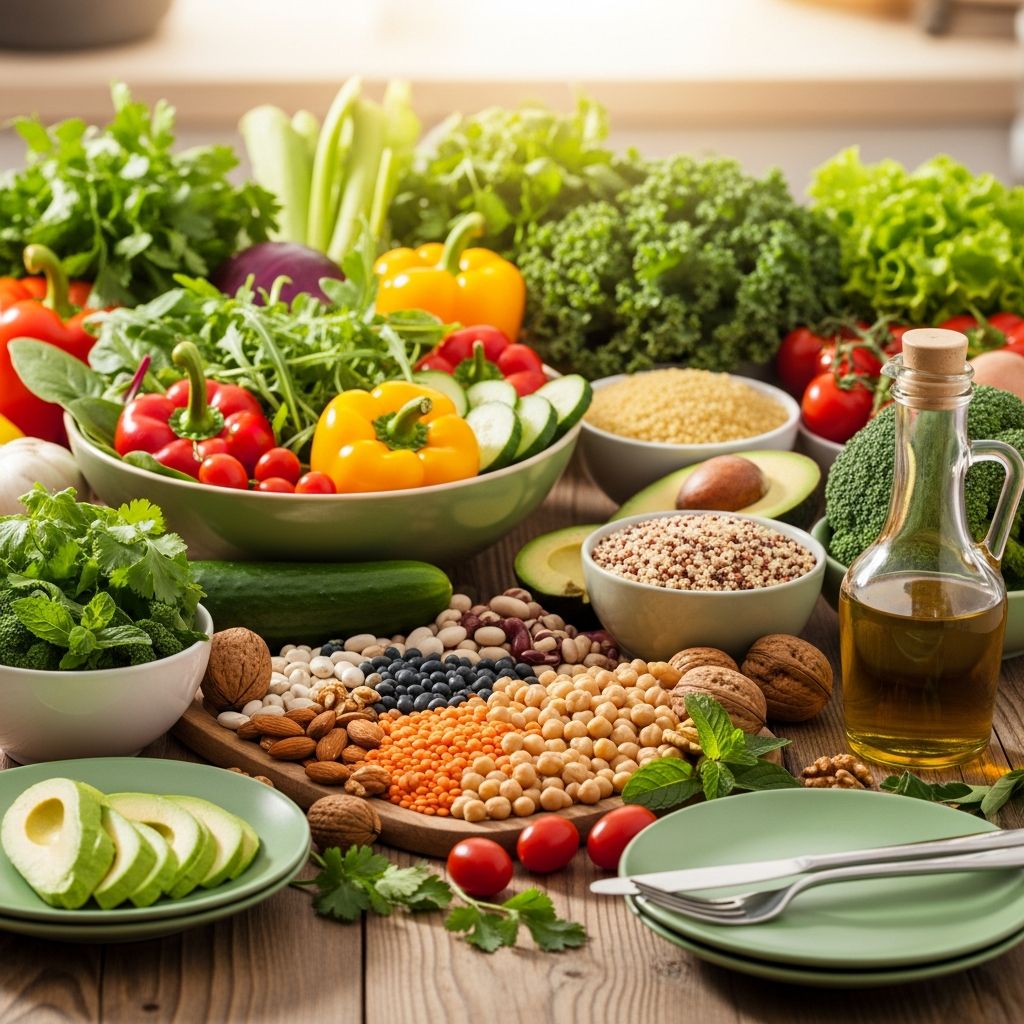
The green Mediterranean diet emphasizes the following food categories:
- Vegetables: All types, with emphasis on leafy greens and colorful varieties for maximum antioxidants
- Fruits: Fresh fruits for natural sugars, fiber, and vitamins
- Whole grains: Brown rice, quinoa, whole wheat bread, oats, and pasta
- Legumes: Beans, lentils, and chickpeas for plant-based protein and fiber
- Nuts and seeds: Particularly walnuts, which are rich in polyphenols and omega-3 fatty acids
- Olive oil: Extra virgin olive oil as the primary source of fat
- Green tea: A polyphenol-rich beverage for daily consumption
- Seaweed and duckweed (Mankai): Nutrient-dense aquatic plants that serve as protein alternatives
- Herbs and spices: Fresh herbs for flavoring without added salt or sugar
Foods to avoid or minimize include red meat, poultry, processed meats, processed foods, added sugars, and refined grains.
Green Mediterranean Diet vs. Traditional Mediterranean Diet: Key Differences
| Aspect | Traditional Mediterranean Diet | Green Mediterranean Diet |
|---|---|---|
| Protein sources | Fish, poultry, dairy, legumes | Legumes, nuts, seeds, duckweed |
| Red meat | Occasional consumption | Eliminated |
| Poultry | Moderate consumption | Eliminated |
| Special foods | Fish, olive oil, herbs | Green tea, walnuts, duckweed, seaweed |
| Polyphenol content | Moderate | High |
| Visceral fat reduction | 7% reduction documented | 14% reduction documented |
Frequently Asked Questions About the Green Mediterranean Diet
Q: Is the green Mediterranean diet a vegan or vegetarian diet?
A: While the green Mediterranean diet is close to vegan or vegetarian—emphasizing plant-based foods as the primary source of nutrition—it may include small amounts of fish or seafood in some variations. However, it eliminates all red meat and poultry, making it primarily plant-based.
Q: What makes the green Mediterranean diet better than the traditional version?
A: The green version is enriched with high-polyphenol foods like green tea, walnuts, and duckweed, which provide enhanced antioxidant and anti-inflammatory benefits. Research shows it reduces visceral fat twice as much as the traditional diet and offers superior protection against age-related cognitive decline.
Q: Can the green Mediterranean diet help with weight loss?
A: Yes. Studies show that the green Mediterranean diet reduced visceral fat by 14% compared to 7% for the traditional Mediterranean diet. The high fiber content and abundance of polyphenols support metabolic health and weight management.
Q: What is Mankai and why is it important in the green Mediterranean diet?
A: Mankai is a nutrient-rich aquatic duckweed plant that serves as a meat substitute in the green Mediterranean diet. It is high in bioavailable protein, iron, B12, vitamins, minerals, and polyphenols—all supporting overall health.
Q: How long does it take to see health benefits from the green Mediterranean diet?
A: Research studies examining brain atrophy effects found significant results over 18 months of adherence. However, improvements in cholesterol, blood pressure, and inflammation markers can often be observed within weeks to months of consistent dietary adherence.
Q: Is the green Mediterranean diet suitable for everyone?
A: The green Mediterranean diet is generally appropriate for most adults seeking to improve cardiovascular health, support weight loss, and reduce chronic disease risk. However, individuals with specific health conditions or dietary restrictions should consult with a healthcare provider or registered dietitian before making significant dietary changes.
Q: Do I need to eliminate all animal products on the green Mediterranean diet?
A: The green Mediterranean diet emphasizes plant-based foods while eliminating red meat and poultry. Some variations may include small amounts of fish or seafood, though the focus remains on plant-based protein sources like legumes, nuts, seeds, and duckweed.
Should You Try the Green Mediterranean Diet?
The green Mediterranean diet, an updated approach to classic Mediterranean-style eating, shows promising results in early-stage studies. Research has roughly defined the green Mediterranean diet as an eating pattern that centers plant-based foods, with special emphasis on walnuts, green tea, and protein-rich duckweed, while nixing red meat and poultry. Compared with a traditional Mediterranean-style diet, the green version has been associated with healthier measures of blood cholesterol, liver fat, and inflammation.
The accumulating evidence suggests that a green Mediterranean diet can promote heart and metabolic health, fight obesity and diabetes, and contribute to quality of life in older age. If you’re interested in learning more about how the green Mediterranean diet could benefit your health, you may wish to ask your healthcare team or a registered dietitian for more guidance.
For those managing chronic pain, aiming to optimize body composition, or simply looking to age well, this dietary pattern delivers broad and meaningful impact backed by peer-reviewed research and clinical evidence.
References
- What Is the Green Mediterranean Diet? Benefits, Meal Plan, More — Dr. Axe. Accessed January 27, 2026. https://draxe.com/nutrition/green-mediterranean-diet/
- The Green Mediterranean Diet for Pain Relief, Weight Loss, and Longevity — FX Regency Center. Accessed January 27, 2026. https://fxregencycenter.com/green-mediterranean-diet-pain-weight-loss-longevity/
- Green Mediterranean Diet Reduces Visceral Fat by 14% — Healthline. Accessed January 27, 2026. https://www.healthline.com/health-news/green-mediterranean-diet-reduces-visceral-fat-by-14
- A Science-Backed Guide to the Green Mediterranean Diet — Weight Watchers. Accessed January 27, 2026. https://www.weightwatchers.com/us/blog/weight-loss-diet/green-mediterranean-diet
Similar Articles








Read full bio of medha deb