Green Pee: 10 Causes, Risks, And When To Worry
Discover why your urine might turn green, from harmless food dyes to rare medical conditions, and learn when to seek medical help.
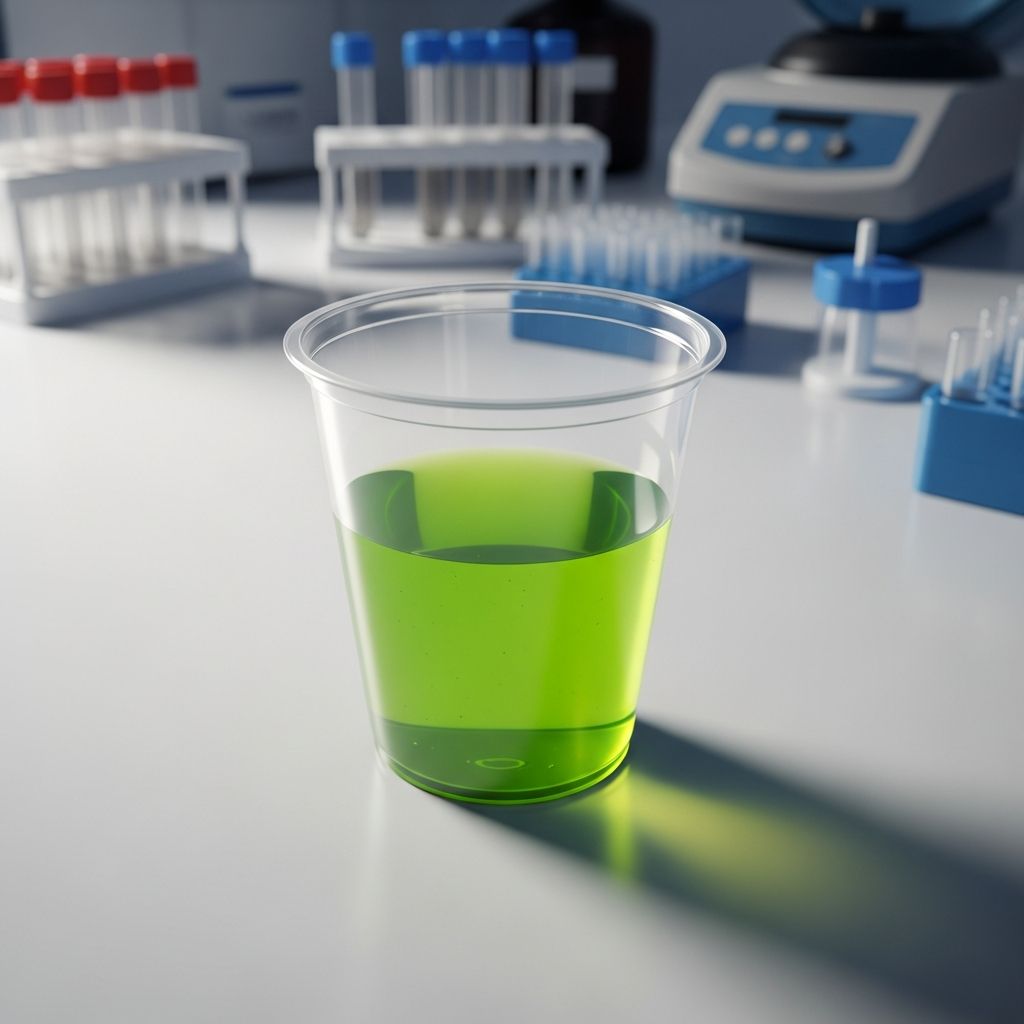
Green urine, while uncommon, can alarm anyone noticing the unusual color change. Typically, healthy urine appears pale yellow due to urochrome, a natural pigment. However, various factors from diet to medical conditions can tint it green. Most cases are benign, stemming from medications or food dyes, but persistent green pee warrants attention to rule out infections or organ issues.
This comprehensive guide explores the primary causes of green urine, drawing from medical insights. We’ll cover harmless triggers, serious possibilities, prevention strategies, and red flags for medical consultation. Understanding these can help you assess whether your green pee is a fleeting oddity or a health signal.
What Does Green Urine Mean?
Urine color reflects hydration, diet, medications, and health status. Normal urine ranges from clear to deep amber; green hues arise when blue pigments mix with yellow urochrome. Common culprits include artificial dyes and drugs with phenolic structures that metabolize into blue compounds.
Green pee is rare and usually temporary. It resolves once the triggering substance clears the body. However, if accompanied by symptoms like pain or fever, it may indicate infection.
10 Common Causes of Green Urine
Several factors can cause green discoloration. Here’s a breakdown of the most frequent:
- Medications: Drugs like methylene blue, propofol, amitriptyline, indomethacin, cimetidine, and promethazine often produce green urine. Methylene blue, used in surgeries or methemoglobinemia treatment, creates blue pigments that blend with urochrome. Propofol, an anesthetic, leads to green hues via phenolic metabolites, lasting 2-3 days or longer in organ dysfunction.
- Food Dyes: Artificial green or blue dyes in candies, frostings, sports drinks, or cereals pass through unchanged, tinting urine. This effect is harmless and fades quickly with hydration.
- UTIs from Pseudomonas aeruginosa: This bacterium produces pyocyanin, a blue-green pigment, causing greenish urine in infections. Though rare, it’s more common in hospitalized patients with catheters.
- Liver or Bile Duct Issues: In hyperbiliverdinemia—a genetic disorder with liver disease—biliverdin accumulates, greening urine, skin, and fluids. Obstructive cholestasis or liver failure exacerbates this.
- Vitamins and Supplements: High doses of B vitamins or chlorophyll supplements can alter color, though green is less common than yellow.
- Other Drugs: Antibiotics like mitoxantrone or flavoxate, and even seaweed in some Asian diets, contribute.
- Propofol Infusions: Prolonged use in ICU settings causes extended green urine due to reduced metabolism in heart failure or kidney impairment.
- Iodochlorhydroxyquin: Historical reports link it to green urine, stools, and tongue in neuropathy cases.
- Genetic Mutations: Rare familial conditions amplify pigment buildup.
- Dehydration or Concentrated Urine: Intensifies colors from other causes.
Medications That Cause Green Pee: Detailed List
| Medication | Common Use | Why It Causes Green Urine |
|---|---|---|
| Methylene Blue | Antidote, surgery dye | Metabolites produce blue pigment |
| Propofol | Anesthesia | Phenolic breakdown to green hues |
| Amitriptyline | Antidepressant | Chemical structure alteration |
| Indomethacin | Pain relief | Direct pigment effect |
| Cimetidine | Acid reducer | Metabolic byproduct |
| Promethazine | Motion sickness | Dye-like properties |
Is Green Urine Dangerous?
Most instances are harmless, resolving without intervention. Food dyes or short-term meds cause temporary changes. Serious concerns involve Pseudomonas UTIs or liver dysfunction with genetic factors, where green pee signals broader issues like sepsis risk or jaundice.
In heart failure patients on propofol, prolonged green urine stems from impaired liver/kidney function, but improves with treatment.
Related Stories



How to Prevent Green Urine
Prevention focuses on lifestyle and awareness:
- Stay hydrated: Drink ample water to dilute pigments.
- Avoid excess artificial dyes in foods.
- Practice UTI prevention: Urinate after sex, wipe front-to-back, maintain hygiene.
- Monitor liver health: Limit alcohol, eat balanced diet.
- Discuss meds with providers: Ask about urine color side effects.
Track urine traits: frequency, volume, clarity, odor. Changes beyond color merit checks.
When to See a Doctor for Green Urine
Consult a healthcare professional if:
- Green persists >1-2 days without known cause.
- Accompanied by pain, burning, frequent urination, fever, nausea.
- Cloudy, foul-smelling, or foamy.
- Skin yellowing, pale stools, abdominal pain (liver signs).
- History of kidney/liver disease.
A simple urinalysis diagnoses infections or pigments. Treat underlying issues: antibiotics for UTIs, manage liver conditions.
Do You Need to Treat Green Urine?
No direct treatment for color; address causes. Benign cases self-resolve. Serious ones require targeted therapy, like antibiotics or liver support.
Frequently Asked Questions (FAQs)
Why is my pee green after eating candy?
Artificial green dyes pass into urine unchanged, causing temporary color. Hydrate to flush it out.
Can vitamins cause green urine?
Yes, excess B vitamins or chlorophyll can tint urine green, though yellow is more common.
Is green pee a sign of cancer?
Rarely; liver cancer with genetic mutations may contribute, but consult for evaluation.
How long does medication-induced green urine last?
Typically 2-3 days; longer in organ dysfunction.
Does dehydration make pee greener?
It concentrates pigments, intensifying green from other causes.
Other Urine Color Changes to Watch
- Clear: Overhydration or diabetes insipidus.
- Red/Pink: Blood, beets, or meds.
- Orange: Dehydration, bile issues.
- Brown: Liver disease, muscle breakdown.
- Cloudy: Infections, stones.
Monitor holistically for health insights.
References
- Why Is My Pee Green? 10 Possible Causes — GoodRx. 2023. https://www.goodrx.com/health-topic/urology/why-is-my-pee-greenish-yellow
- Prolonged green urine can be a combined effect of decreased liver metabolism — PMC (NCBI). 2023-11-27. https://pmc.ncbi.nlm.nih.gov/articles/PMC10711430/
- Why Is My Pee Green? Causes & When to Worry — BuzzRx. 2023. https://www.buzzrx.com/blog/why-is-my-pee-green
- Urine color – Symptoms and causes — Mayo Clinic. 2023-10-18. https://www.mayoclinic.org/diseases-conditions/urine-color/symptoms-causes/syc-20367333
- What Causes Green Urine, and When Should I See a Doctor? — Healthgrades. 2023. https://resources.healthgrades.com/right-care/kidneys-and-the-urinary-system/green-urine
Similar Articles








Read full bio of Sneha Tete