Green Poop: What Stool Color Indicates About Health
Decode your digestive health: Learn what stool colors reveal about your wellness.
Understanding Stool Color as a Health Indicator
Your body communicates important information about your health through various signs and symptoms. One often-overlooked indicator is the color of your stool. While it may not be the most pleasant topic to discuss, paying attention to changes in stool color can provide valuable insights into your digestive system’s functioning and overall wellness. The color of your stool is primarily determined by the presence of bile, a digestive fluid produced by your liver, combined with what you eat and how quickly food moves through your digestive tract.
Understanding what different stool colors mean can help you identify potential health issues early and determine when medical attention is necessary. Most variations in stool color are harmless and temporary, often related to diet or minor digestive changes. However, some color changes may signal underlying health conditions that warrant professional evaluation.
Brown Stool: The Healthy Baseline
Brown stool in various shades—from light tan to dark brown—is considered normal and healthy. This reassuring color indicates that your digestive system is working properly. The brown coloration comes from bile, which is altered by enzymes as it travels through your digestive tract. The chemical breakdown of bile pigments creates the typical brown appearance we associate with healthy bowel movements.
Minor variations in the shade of brown are completely normal and typically not cause for concern. Factors such as your diet, hydration level, and individual metabolism can cause subtle shifts in brown coloration throughout the week or month. These natural variations are part of healthy digestion and should not trigger alarm.
When Brown Stool Becomes a Concern
However, if your stool suddenly transitions from brown to pale, clay-colored, or grayish tones, this may indicate a serious issue. Pale or clay-colored stools can suggest a blockage in your bile duct, preventing bile from reaching your intestines. This symptom may also point to liver disease, such as fatty liver disease, or other hepatic conditions. Persistent changes in stool color that deviate from your normal brown baseline warrant a consultation with your healthcare provider to rule out underlying medical conditions.
Green Stool: Causes and Concerns
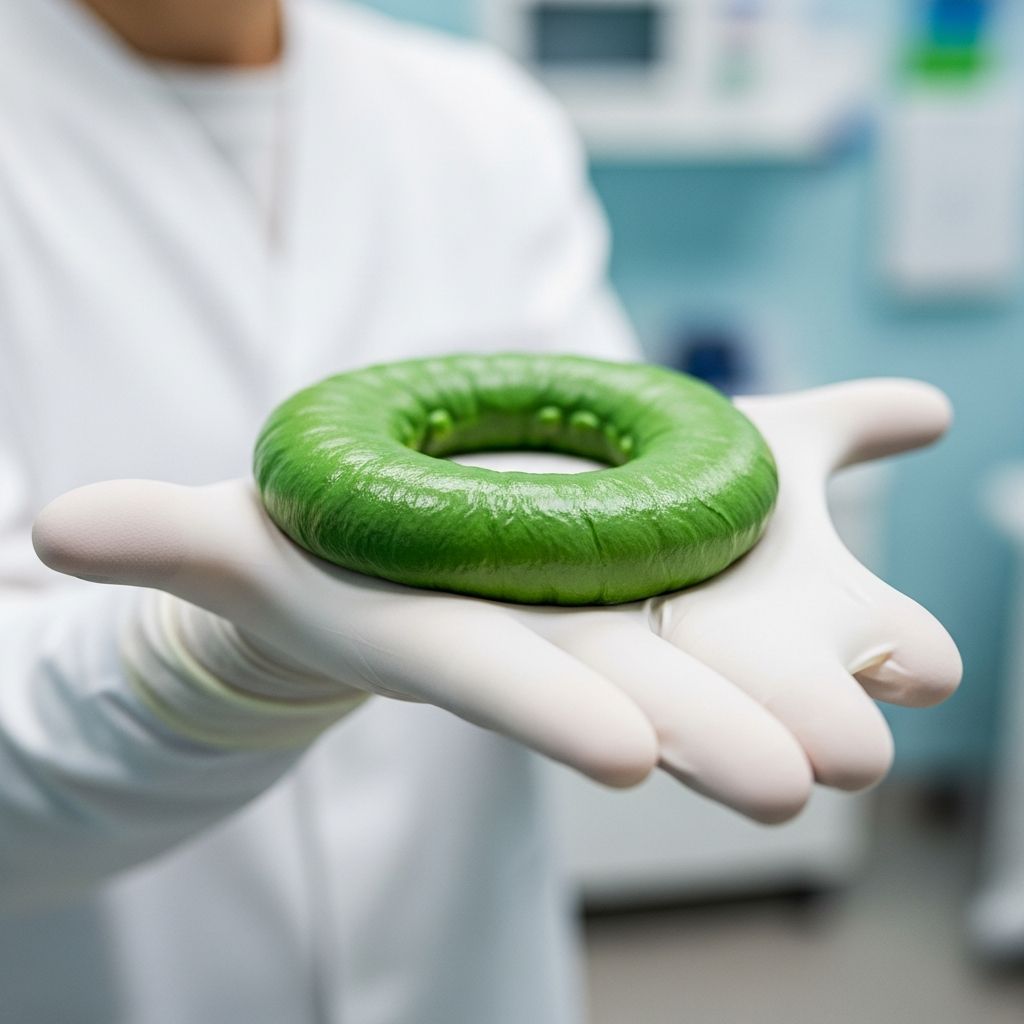
Green stool is more common than many people realize and is often completely benign. The green coloration typically results from bile that hasn’t had sufficient time to break down completely during its passage through your digestive system. Several factors can contribute to green-colored stools, ranging from dietary choices to digestive speed and supplement use.
Common Dietary and Lifestyle Causes
One of the most frequent causes of green stool is the consumption of leafy green vegetables such as spinach, kale, and other cruciferous vegetables. These nutrient-rich foods can impart a greenish tint to your stool. Similarly, foods or beverages containing green food coloring—such as certain drink mixes, ice pops, or artificially colored candies—can result in green-colored bowel movements. Additionally, iron supplements are well-known for causing green stool, as the iron isn’t fully absorbed and can affect stool color. Probiotics may also influence stool color, sometimes leading to greenish tones as your gut flora adjusts.
Rapid Intestinal Transit
Related Stories



When food moves too quickly through your large intestine, as occurs during diarrhea, bile doesn’t have adequate time to undergo complete chemical breakdown. This accelerated transit allows the green pigments in bile to remain visible in your stool rather than being converted to the typical brown color. This mechanism explains why diarrhea is frequently accompanied by green-colored stools. The speed of digestion is more influential than most people realize in determining final stool color.
When to Worry About Green Stool
Occasional green stool without other symptoms is rarely concerning. However, if green stools persist for an extended period without an obvious dietary cause, or if they’re accompanied by concerning symptoms, medical evaluation is warranted. Persistent green stool combined with abdominal pain, fever, or other gastrointestinal distress may indicate an infection or inflammatory condition. Pay attention to accompanying symptoms, as these provide important context for determining whether medical attention is necessary.
Red Stool: A Sign Requiring Attention
Red stool is among the most alarming stool color changes and understandably causes concern in many people. Red coloration in stool typically indicates the presence of blood in your digestive system, though not all red stool is caused by serious conditions. The shade and character of red stool can provide clues about the location and severity of bleeding.
Bright Red Blood in Stool
Bright red blood that appears on the surface of stool or in the toilet bowl typically originates from the lower gastrointestinal tract, specifically the colon or rectum. Common benign causes include hemorrhoids and anal fissures, both of which are treatable conditions that don’t indicate serious disease. While these causes are generally not serious, any persistent rectal bleeding should be evaluated by a healthcare provider to confirm the source and rule out other possibilities.
Darker Red or Maroon Stool
Stool that appears darker red, maroon, or contains dark red blood clots may indicate bleeding higher up in the digestive tract. Conditions such as diverticulitis, inflammatory bowel disease, or gastric ulcers can produce this appearance. These presentations warrant prompt medical evaluation to identify the bleeding source and appropriate treatment.
Colorectal Cancer Considerations
While red stool can certainly indicate colorectal cancer, it’s important to note that this is not the most common cause of blood in stool. Many benign conditions produce this symptom. Nevertheless, any persistent change in stool color accompanied by blood requires professional medical evaluation. A healthcare provider can perform appropriate diagnostic testing to determine the underlying cause and provide reassurance or necessary treatment.
Black Stool: Upper GI Bleeding
Black or tarry stool, medically termed melena, typically indicates bleeding in the upper gastrointestinal tract. This appearance results from blood being partially digested as it passes through your stomach and small intestine. Black stool is more concerning than bright red stool because it suggests bleeding closer to the stomach, which may indicate more serious conditions such as gastric ulcers or varices.
However, before assuming black stool indicates serious disease, consider other potential causes. Iron supplements, bismuth subsalicylate (found in products like Pepto-Bismol or Kaopectate), and black licorice can all cause black-colored stool without any underlying medical condition. If you’ve recently consumed any of these substances, the black coloration may simply be from dietary causes. Nevertheless, if black stool persists after eliminating these dietary factors, medical evaluation is essential.
Yellow Stool: Fat Malabsorption
Yellow stool, particularly when greasy or foul-smelling, often indicates fat malabsorption. This condition occurs when your digestive system cannot properly absorb dietary fats, leading to their increased presence in stool. Several medical conditions can cause this symptom, including celiac disease, pancreatitis, and irritable bowel syndrome (IBS). Rapid bowel movements associated with IBS prevent proper bile digestion, often resulting in yellow-colored stools.
Liver conditions, such as fatty liver disease, can also result in yellow stool due to altered bile production or composition. If yellow stool is accompanied by weight loss, fatigue, persistent diarrhea, or other concerning symptoms, medical evaluation is recommended to identify the underlying cause and appropriate treatment.
Pale, Clay-Colored, or White Stool
Pale, clay-colored, or whitish stool indicates a significant decrease in bile reaching your intestines. This presentation suggests a potential bile duct blockage or liver disease affecting bile production. Such conditions require prompt medical attention for diagnosis and treatment. Certain medications, such as antacids containing aluminum hydroxide or large doses of bismuth subsalicylate, can also produce pale-colored stools as a side effect. If pale stool persists beyond the period of medication use, professional evaluation is necessary.
Orange Stool: Beta-Carotene or Liver Concerns
Orange-colored stool frequently results from consuming foods rich in beta-carotene, such as carrots, sweet potatoes, and other orange-colored produce. This dietary cause is harmless and resolves when consumption of these foods decreases. However, if orange stool appears without dietary correlation, particularly when accompanied by abdominal pain or jaundice, it may indicate problems with bile salts from liver or gallbladder dysfunction. Medical consultation is appropriate if you’re concerned about orange stool without an obvious dietary explanation.
The Role of Bile in Stool Color
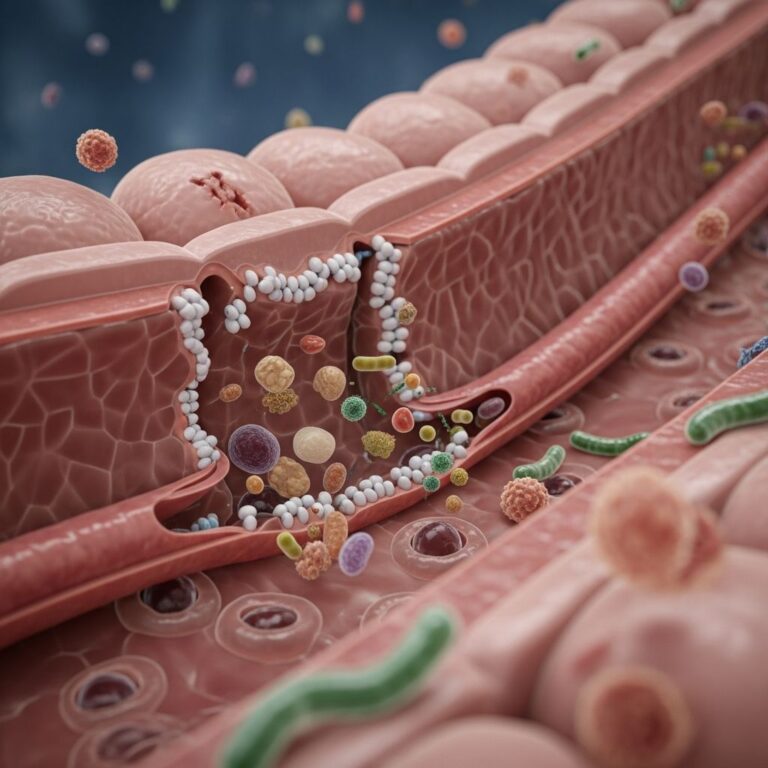
Bile serves as the primary determinant of stool color throughout the digestive process. This brownish-green fluid, produced by your liver and stored in your gallbladder, plays a crucial role in fat digestion and the breakdown of food components. As bile travels through your digestive tract, enzymes chemically alter its composition, progressively changing its color from green to yellow to brown during normal digestion.
When this process is disrupted—whether by rapid transit, obstruction, or disease—bile doesn’t undergo complete chemical transformation, and stool color reflects its altered state. Understanding bile’s central role helps explain why stool color changes often correlate with digestive function and why certain medical conditions affecting bile production or flow manifest as stool color changes.
Stool Color and Digestive Health Conditions
Inflammatory Bowel Disease
Conditions such as Crohn’s disease and ulcerative colitis can produce various stool color changes. Patients with these conditions may experience red or blood-tinged stool due to intestinal inflammation and bleeding. The accelerated intestinal transit characteristic of IBD also contributes to green stool as bile moves too quickly through the system.
Celiac Disease
Celiac disease, an autoimmune disorder triggered by gluten consumption, impairs the small intestine’s ability to absorb nutrients, including fats. This malabsorption results in yellow, greasy, foul-smelling stool. Individuals with undiagnosed or poorly managed celiac disease often experience these characteristic stool changes along with other gastrointestinal symptoms.
Colorectal Cancer
While stool color changes alone don’t directly indicate colorectal cancer, certain presentations warrant careful evaluation. Red and black stool can result from bleeding polyps or tumors in the colon or rectum. Additionally, hidden blood in stool—microscopic amounts not visible to the naked eye—may indicate colorectal cancer or other serious lower GI disorders including colitis and diverticulitis. This underscores the importance of preventive screening and prompt evaluation of concerning stool changes.
When to Seek Medical Attention
While most stool color changes are harmless and temporary, certain presentations warrant prompt medical evaluation:
– Persistent red or black stool, especially if accompanied by abdominal pain or other symptoms- Pale, clay-colored, or white stool lasting more than a few days- Yellow, greasy stool accompanied by weight loss or fatigue- Any stool color change lasting more than one to two weeks without an obvious dietary cause- Stool color changes accompanied by fever, severe abdominal pain, vomiting, or other concerning symptoms- Blood in stool visible to the naked eye or detected during routine screening
If you experience any of these presentations, don’t delay in contacting your healthcare provider. Early evaluation and diagnosis can identify treatable conditions and provide reassurance when changes are benign.
The Importance of Colorectal Screening
Colorectal screening plays a vital role in identifying potentially serious conditions early when treatment is most effective. Many early-stage colorectal cancers produce no symptoms or only subtle changes such as stool color alterations or microscopic blood that wouldn’t be visible to the patient. Routine screening tests can detect hidden blood in stool through fecal occult blood testing, allowing healthcare providers to identify problems before they progress to advanced stages.
Regular screening, starting at age 45 for average-risk individuals and earlier for those with risk factors, can significantly improve outcomes through early detection and intervention. If you notice persistent changes in stool color, these serve as reminders to maintain current screening schedules and discuss any concerns with your healthcare provider.
Factors Beyond Diet Affecting Stool Color
While diet significantly influences stool color, numerous other factors also play important roles. Medications, including antibiotics, antacids, and iron supplements, can alter stool color. Stress and anxiety can accelerate digestive transit, leading to greener stools. Infections, whether bacterial, viral, or parasitic, can change stool appearance and color. Underlying digestive disorders and metabolic conditions also influence stool color through various mechanisms affecting bile production, intestinal transit time, and nutrient absorption.
Hydration status affects stool consistency and can indirectly influence color through its effects on digestive function. Individual variation in gut flora composition, influenced by diet, medication use, and genetics, also contributes to color variations between individuals.
Keeping Track of Stool Changes
Developing awareness of your normal stool color baseline helps you quickly identify significant changes. Most people have a fairly consistent stool appearance under normal circumstances. When changes occur, consider potential dietary or lifestyle factors that might explain them. Keep a brief mental or written note of significant stool color changes, their duration, and any accompanying symptoms. This information helps your healthcare provider quickly understand your situation and determine whether further evaluation is necessary.
Frequently Asked Questions
Q: Is green stool always a sign of illness?
A: No, green stool is often completely harmless and results from dietary factors like leafy greens, food coloring, iron supplements, or accelerated digestive transit. It becomes concerning only if it persists without dietary explanation or appears with symptoms like fever or severe abdominal pain.
Q: Can food coloring permanently change my stool color?
A: No, artificial food coloring’s effects on stool color are temporary. Your stool will return to its normal color once you stop consuming the colored foods or beverages.
Q: What does pale stool indicate?
A: Pale, clay-colored, or white stool may indicate reduced bile reaching your intestines, suggesting possible bile duct blockage or liver disease. This requires medical evaluation.
Q: When should I worry about red stool?
A: Any persistent rectal bleeding or red stool lasting more than a few days should be evaluated by a healthcare provider, even if hemorrhoids are suspected.
Q: Can probiotics change stool color?
A: Yes, probiotics can influence stool color, sometimes producing greenish tones as your gut flora adjusts. This typically resolves as your system adapts.
Q: Is black stool always serious?
A: Not necessarily. Black stool can result from iron supplements, bismuth subsalicylate, or black licorice. However, if it persists after eliminating these causes, medical evaluation is warranted.
References
- Stool Color: When to Worry — Mayo Clinic. 2024. https://www.mayoclinic.org/diseases-conditions/diarrhea/expert-answers/stool-color/faq-20058080
- What Your Stool Color Tells You About Gut Health — InSure One. 2024. https://insuretest.com/news-insights/stool-color-healt/
- Why Is My Baby’s Poop Green? (And What You Can Do About It) — GHT Kids. 2024. https://ghtkids.com/holistic-care/green-poop/
- Colorectal Health and Screening Guidelines — American Cancer Society. 2024. https://www.cancer.org/cancer/types/colon-rectal-cancer/
- Digestive Health and Stool Characteristics — National Institutes of Health. 2024. https://www.niddk.nih.gov/health-information/digestive-diseases
Similar Articles








Read full bio of medha deb