Green Tea Lowers Blood Sugar and Boosts Gut Health
New research reveals how green tea extract reduces blood sugar, fights gut inflammation, and improves leaky gut in just 4 weeks for better metabolic health.
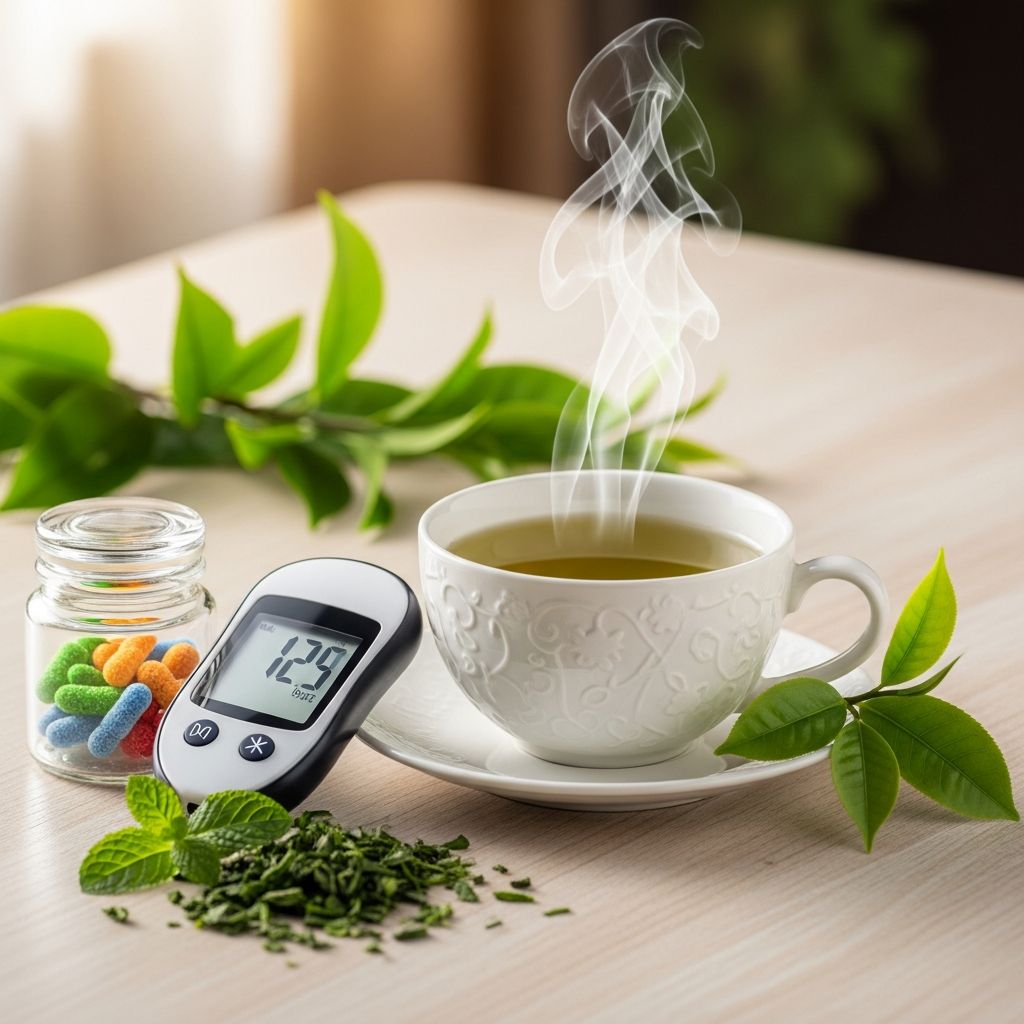
Green tea extract supplementation for four weeks significantly reduced fasting blood glucose levels, lowered gut inflammation, and improved intestinal permeability in both individuals with metabolic syndrome and healthy adults, according to a recent clinical trial from The Ohio State University.
This groundbreaking research highlights green tea’s potential to address cardiometabolic risks at the gut level, offering a simple, natural strategy to combat conditions affecting one-third of Americans.
What Is Metabolic Syndrome?
Metabolic syndrome is a cluster of conditions that increase the risk of heart disease, stroke, type 2 diabetes, and other serious health problems. It is diagnosed when a person has at least three of the following five risk factors:
- Excess abdominal fat (waist circumference over 40 inches in men or 35 inches in women)
- High blood pressure (130/85 mmHg or higher)
- High fasting blood glucose (100 mg/dL or higher)
- Low HDL cholesterol (under 40 mg/dL in men or 50 mg/dL in women)
- High triglycerides (150 mg/dL or higher)
Affecting approximately 34% of U.S. adults, metabolic syndrome often stems from insulin resistance, obesity, and chronic low-grade inflammation. Traditional management focuses on lifestyle changes like diet and exercise, but new evidence points to gut health as a key mediator.
Leaky gut, or increased intestinal permeability, allows bacteria and toxins to enter the bloodstream, fueling systemic inflammation and worsening insulin resistance. Addressing this root cause could prevent or reverse metabolic syndrome.
The Study: Green Tea Extract’s Impact on Blood Sugar and Gut Health
Published in Current Developments in Nutrition, this randomized, double-blind, crossover clinical trial involved 40 participants: 21 with metabolic syndrome and 19 healthy adults. Led by Richard Bruno, PhD, professor of human nutrition at The Ohio State University, the study tested the effects of catechin-rich green tea extract (GTE) gummies equivalent to five cups of green tea daily.
Participants followed a low-polyphenol diet to isolate GTE’s effects. They took GTE for 28 days, then a placebo for 28 days (or vice versa), with a one-month washout period in between. Key measurements included fasting blood glucose, fecal inflammatory markers, and urinary sugar ratios to assess gut permeability.
| Outcome Measure | GTE Effect vs. Placebo | Participant Groups Affected |
|---|---|---|
| Fasting Blood Glucose | Significantly lower | Both metabolic syndrome and healthy |
| Gut Inflammation (fecal proteins) | Reduced pro-inflammatory markers | All participants |
| Intestinal Permeability (leaky gut) | Decreased (favorable sugar ratios in urine) | All participants |
Results showed consistent benefits across groups, with GTE lowering blood glucose regardless of baseline health status. This suggests green tea’s gut-modulating effects could serve as a preventive tool for at-risk individuals.
How Green Tea Targets the Gut to Lower Blood Sugar
Green tea’s powerhouse compounds, catechins like epigallocatechin gallate (EGCG), exert anti-inflammatory and antioxidant effects directly in the intestines. By strengthening the gut barrier, GTE prevents endotoxins from leaking into circulation, reducing chronic inflammation that drives insulin resistance and hyperglycemia.
Related Stories



“What this tells us is that within one month we 27re able to lower blood glucose in both people with metabolic syndrome and healthy people, and the lowering of blood glucose appears to be related to decreasing leaky gut and decreasing gut inflammation 2D regardless of health status,” said Richard Bruno.
Prior animal studies supported these findings: a 2019 Ohio State trial showed GTE reduced obesity and cardiometabolic risks in mice via gut improvements. The human trial confirms translation to people, marking the first link between green tea’s gut benefits and systemic metabolic markers.
Mechanisms include:
- Barrier Reinforcement: Catechins tighten intestinal tight junctions, curbing permeability.
- Anti-Inflammatory Action: Lowered fecal calprotectin and other markers indicate reduced gut immune activation.
- Microbiome Modulation: Ongoing analyses explore shifts in gut bacteria and toxin levels.
Green Tea vs. Metabolic Syndrome: Broader Evidence
Beyond this trial, a decade of research supports green tea’s role in metabolic syndrome. A 2022 review in Journal of Nutritional Science and Vitaminology analyzed over 20 studies, finding catechins improve dyslipidemia, hypertension, and obesity via anti-oxidative pathways.
Human trials show:
- 200 mL green tea three times daily for 8 weeks improved blood pressure, glucose, and lipids in 70 women with metabolic syndrome.
- Epidemiological data from 15,568 Koreans linked regular green tea intake to lower syndrome prevalence.
- Rat models demonstrated GTE (200-300 mg/kg) upregulated PPAR genes and adiponectin, key regulators of fat metabolism.
These effects stem from EGCG’s ability to inhibit fat absorption, enhance fat oxidation, and suppress inflammatory cytokines like TNF-.
Practical Ways to Incorporate Green Tea for Health Benefits
To reap similar rewards, aim for 300-500 mg catechins daily (about 4-5 cups brewed green tea or standardized supplements). Brew tips:
- Use loose-leaf or high-quality bags; steep 2-3 minutes at 175F to preserve catechins.
- Avoid milk, which binds polyphenols; add lemon for better absorption.
- Choose matcha for higher EGCG concentration.
Supplements like the study’s gummies ensure consistent dosing but consult a doctor if on medications, as green tea may interact with blood thinners or affect iron absorption. Combine with a polyphenol-rich diet (berries, nuts, veggies) for synergy, but cycle low-polyphenol periods mimic study conditions for maximal effect.
Potential Limitations and Future Research
While promising, the one-month duration didn’t aim to “cure” metabolic syndrome. Long-term adherence and dose-response need exploration. Researchers are analyzing microbiome changes and blood toxins for deeper insights. Larger trials could confirm reversibility of syndrome risks.
No adverse effects were reported, underscoring safety, but pregnant individuals or those with liver issues should moderate intake.
Frequently Asked Questions (FAQs)
How much green tea lowers blood sugar?
Extract equivalent to 5 cups daily (about 500 mg catechins) reduced fasting glucose in 4 weeks, per the Ohio State trial.
Does green tea help leaky gut?
Yes, it decreased intestinal permeability in study participants, measured by urinary sugar ratios, improving barrier function.
Is green tea safe for metabolic syndrome?
Generally safe; the trial showed benefits without side effects, but consult healthcare providers for personalized advice.
Can healthy people benefit from green tea extract?
Absolutely 2Dthe study found blood sugar and gut improvements in healthy adults too, suggesting preventive value.
How does green tea reduce inflammation?
Catechins lower pro-inflammatory proteins in the gut, curbing systemic effects linked to cardiometabolic disease.
Conclusion: A Cup Worth Sipping for Long-Term Health
Green tea emerges as a potent ally against metabolic syndrome, targeting the gut-heart axis with accessible, evidence-backed benefits. By lowering blood sugar, taming inflammation, and sealing the gut, it offers hope for prevention and management. Incorporate it mindfully into your routine and monitor progress with your doctor.
References
- Catechin-Rich Green Tea Extract Reduced Intestinal Inflammation and Fasting Glucose in Metabolic Syndrome and Healthy Adults: A Randomized, Controlled, Crossover Trial 2D Current Developments in Nutrition. 2022-06-14. https://www.eurekalert.org/news-releases/959851
- Green tea and metabolic syndrome: A 10-year research update review 2D PMC / PubMed Central. 2022-01-01. https://pmc.ncbi.nlm.nih.gov/articles/PMC8751745/
- Study: Green Tea Extract Reduces Blood Sugar Levels, Improves Gut Health 2D Pharmacy Times. 2022-07-26. https://www.pharmacytimes.com/view/study-green-tea-extract-reduces-blood-sugar-levels-improves-gut-health
- Green Tea Extract Promotes Gut Health, Lowers Blood Sugar 2D The Ohio State University (via EurekAlert). 2022-07-26. https://www.eurekalert.org/news-releases/959851
Similar Articles








Read full bio of medha deb