Groin Pain: Causes, Symptoms, and Treatment Options
Understanding groin pain: comprehensive guide to causes, symptoms, diagnosis, and effective treatment strategies.
Understanding Groin Pain
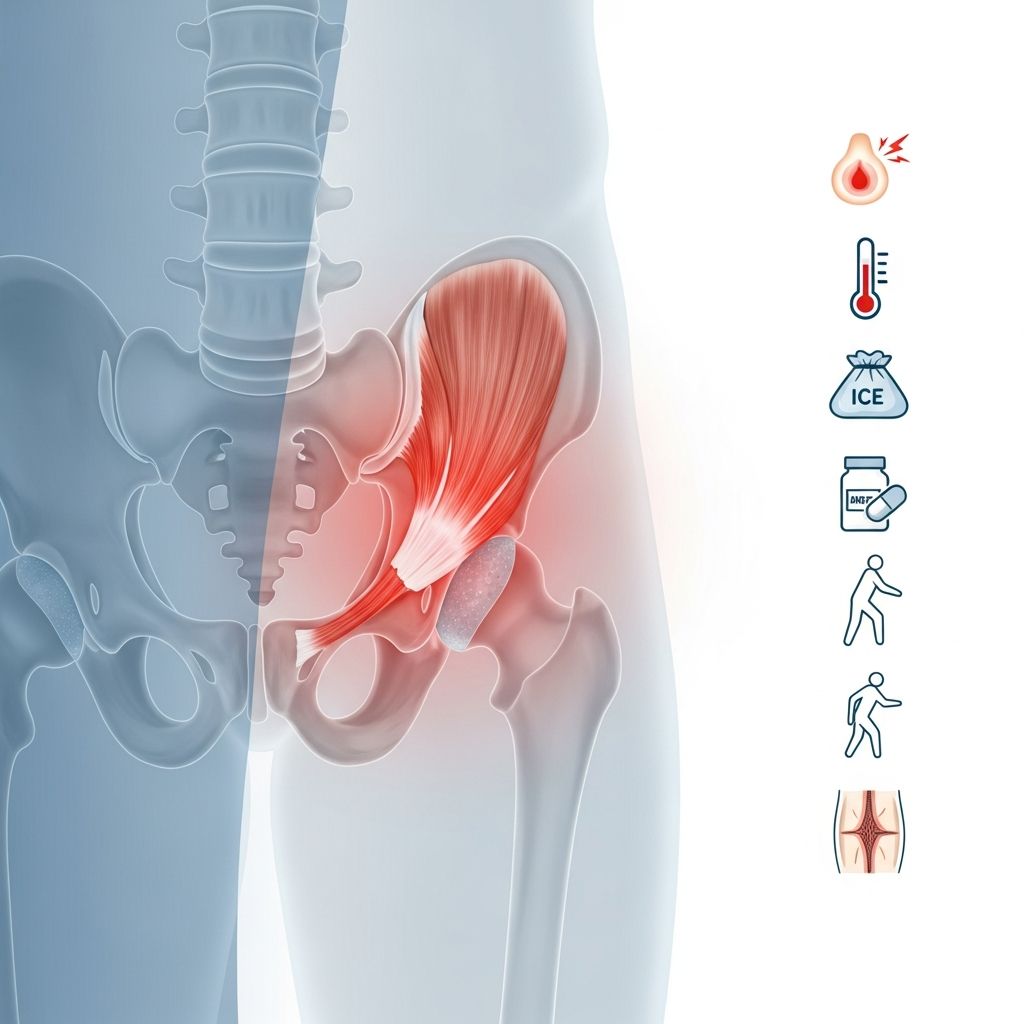
Groin pain is a common condition affecting people of all ages and can range from mild discomfort to severe, debilitating pain that significantly impacts daily activities. The groin area contains multiple structures including muscles, nerves, blood vessels, and lymph nodes, making it susceptible to various types of injuries and medical conditions. Pain in this region can originate from the groin muscles themselves, surrounding tissues, or may be referred pain from other areas of the body.
Groin pain can develop suddenly following an injury or activity, or it may develop gradually over time. Understanding the underlying causes is essential for determining the appropriate treatment approach and knowing when professional medical evaluation is necessary.
Common Causes of Groin Pain
Multiple conditions can cause groin pain, ranging from muscle-related injuries to more complex medical issues:
Groin Strain
A groin strain represents one of the most common causes of groin pain, particularly among athletes and active individuals. A groin strain occurs when you stretch a muscle in your groin enough to tear or damage the muscle fibers. This injury typically happens during activities that involve sudden changes in direction, rapid acceleration, or forceful movements. The adductor muscles on the inner thigh are commonly affected, though other groin muscles can also be strained.
Sports Hernia
Also known as athletic pubalgia, a sports hernia develops when the deep layers of your lower abdominal wall or the tendons that attach your abdominal muscles to your pelvis weaken or tear. Unlike traditional hernias, a sports hernia may not produce a visible bulge. This condition is more likely to cause chronic long-term pain compared to simple muscle strains. Individuals who experience multiple groin strains have a higher likelihood of developing a sports hernia.
Inguinal Hernia
An inguinal hernia occurs when tissue protrudes through a weakness in the abdominal muscles, creating a bulge in the groin area on either side of the pubic bone. Patients with an inguinal hernia often experience a sensation of pressure or heaviness in the groin region.
Other Potential Causes
Additional conditions that may cause groin pain include hip joint problems, nerve compression, lymph node swelling, testicular issues, and referred pain from other areas of the abdomen or lower back. In some cases, the pain may originate from musculoskeletal structures rather than from within the groin itself.
Recognizing Symptoms of Groin Pain
The specific symptoms you experience depend on the underlying cause of your groin pain. However, several common symptoms are associated with groin injuries:
Primary Symptoms
Most groin pain manifests as a sharp, twinging sensation, particularly immediately following an injury. If you’re experiencing muscle spasms, you might feel sharp stabs of pain each time your injured muscle twitches. The pain may be constant or intermittent depending on activity level and the specific condition.
Related Stories



Associated Physical Signs
In addition to pain, you may experience:
– Difficulty moving your leg or hip normally- Muscle weakness in the affected area- Bruising or discoloration of the skin- Noticeable swelling or inflammation- Involuntary muscle spasms- Sensation of pressure or heaviness- Radiating pain into adjacent areas
When to Seek Medical Attention
While many cases of groin pain can be managed at home with conservative treatment, certain situations require immediate professional evaluation.
Schedule an Appointment If:
– You continue experiencing pain after several weeks of at-home treatment- Your pain progressively worsens despite conservative care- You have difficulty performing daily activities due to groin pain- The pain interferes with your ability to work or participate in sports- You develop symptoms of chronic pain lasting more than three months
Seek Emergency Care If You Experience:
– Intense, severe pain in or around your groin region- Trauma or injury to the groin area with sudden onset of pain- Signs of infection such as fever, warmth, or redness- Sudden swelling that develops rapidly- Symptoms suggesting a serious underlying condition
Diagnosis of Groin Pain
A healthcare provider will begin with a comprehensive physical examination and detailed medical history. To accurately diagnose the source of your groin pain, your provider may employ several diagnostic tools and methods.
Physical Examination
Your healthcare provider will palpate the groin area to identify tender points, assess muscle strength, evaluate range of motion, and determine which movements exacerbate or alleviate your pain.
Imaging Studies
Depending on the suspected cause, your provider may recommend imaging studies such as ultrasound, which can effectively visualize soft tissue structures, or more advanced imaging like MRI or CT scans for complex cases. Dynamic ultrasound examination provides a particularly thorough assessment of the neuromuscular system of the groin, including evaluation of nerves throughout the region.
Specialized Evaluations
In cases of chronic groin pain, particularly following hernia surgery, a multidisciplinary evaluation may be performed. This comprehensive approach includes assessment by a hernia surgeon specializing in chronic groin pain, evaluation by a pain psychologist, and detailed imaging by a musculoskeletal radiologist.
Treatment Options for Groin Pain
Treatment approaches vary depending on the specific diagnosis and severity of your condition. Most groin strains can be effectively managed conservatively, while more complex conditions may require specialized intervention.
Conservative Management
For many groin injuries, conservative treatment is the first-line approach:
– Rest: Avoid activities that aggravate your pain and allow time for healing- Ice: Apply ice to the affected area during the first 48 to 72 hours to reduce inflammation and swelling- Over-the-counter medications: Nonsteroidal anti-inflammatory drugs (NSAIDs) can help manage pain and inflammation- Compression: Use elastic wraps or compression shorts to provide support and reduce swelling- Elevation: When possible, elevate the affected area to minimize swelling
Physical Therapy
Physical therapy plays a crucial role in groin pain recovery. A specialized physical therapist can prescribe targeted exercises to strengthen muscles, improve flexibility, correct biomechanical issues, and prevent future injury. Physical therapy may be particularly beneficial for those recovering from groin strain or sports hernia.
Advanced Treatment Options
For chronic groin pain or conditions unresponsive to conservative care, additional treatment modalities may be considered:
– Nerve injections: Targeted injections can reduce nerve-related pain and provide diagnostic information about nerve involvement- Medication optimization: Adjusting pain medication dosages or trying alternative medications- Surgical intervention: In selected cases, surgical management may be recommended, which could include mesh removal in post-hernia repair patients or neurectomy to address nerve-related pain
Chronic Groin Pain After Hernia Repair
Chronic groin pain represents an unfortunate potential complication of inguinal hernia repair, affecting approximately 1 to 3 percent of patients who undergo the procedure, though this small percentage still represents a significant number of individuals experiencing debilitating pain. When groin pain persists for more than three months following hernia repair surgery, it is classified as chronic postoperative groin pain.
Types of Post-Surgical Pain
Post-hernia repair pain can manifest in different forms. Nociceptive pain presents as constant, dull, aching sensations and may result from foreign body reaction to the mesh placed during surgery. Neuropathic pain, by contrast, involves sharp, burning, radiating sensations in the groin and typically relates to nerve injury or nerve compression.
Multidisciplinary Approach to Chronic Groin Pain
The Cleveland Clinic Center for Chronic Groin Pain exemplifies a comprehensive approach to managing this complex condition. Patients receive evaluation from multiple specialists including a hernia surgeon experienced in chronic groin pain, a pain psychologist, and a musculoskeletal radiologist who performs dynamic ultrasound examination. This collaborative team approach helps identify the specific source of pain and develops individualized treatment strategies, beginning with the least invasive options and progressing to more intensive interventions only when necessary.
Prevention Strategies
While not all groin injuries can be prevented, several strategies may reduce your risk of developing groin pain:
– Maintain proper warm-up routines before physical activity- Gradually increase exercise intensity rather than making sudden changes- Strengthen core muscles through targeted exercises- Improve flexibility with regular stretching- Use proper technique during sports and exercise- Wear appropriate athletic support when engaging in high-risk activities- Maintain overall physical fitness and conditioning
Frequently Asked Questions
Q: How long does it take for a groin strain to heal?
A: Most groin strains heal within 2 to 6 weeks with appropriate conservative treatment including rest, ice, and physical therapy. However, more severe strains may require longer recovery periods. If pain persists beyond several weeks, seek medical evaluation.
Q: Can groin pain be caused by problems elsewhere in the body?
A: Yes, groin pain can be referred pain originating from the hip, lower back, abdomen, or other areas. This is why comprehensive evaluation by a healthcare provider is important to identify the true source of your pain.
Q: Is surgery always necessary for groin pain?
A: No, most cases of groin pain respond well to conservative treatment. Surgery is typically considered only when other treatment approaches have been exhausted and the condition significantly impacts quality of life.
Q: What is the difference between a groin strain and a sports hernia?
A: A groin strain involves tearing of muscle fibers in the groin area, while a sports hernia involves weakening or tearing of the deep abdominal wall or tendons attaching abdominal muscles to the pelvis. Sports hernias are more likely to cause chronic pain.
Q: When should I go to the emergency room for groin pain?
A: Seek emergency care if you experience intense pain following trauma, signs of infection, or severe sudden swelling. Also go to the emergency room if groin pain is accompanied by symptoms suggesting a serious condition.
References
- Chronic Postoperative Inguinal Pain and Psychological Disorders — National Center for Biotechnology Information (NCBI). 2022-09-21. https://pubmed.ncbi.nlm.nih.gov/35960385/
- Center for Chronic Groin Pain: Comprehensive Evaluation and Treatment — Cleveland Clinic. 2024. https://my.clevelandclinic.org/departments/digestive/depts/hernia/chronic-groin-pain
- Groin Strain: Causes, Symptoms, Tests & Treatments — Cleveland Clinic. 2024. https://my.clevelandclinic.org/health/diseases/groin-strain
- Inguinal Hernia: Types, Causes, Symptoms & Treatment — Cleveland Clinic. 2024. https://my.clevelandclinic.org/health/diseases/16266-inguinal-hernia
- Case Report: Chronic Groin Pain Clinic’s Comprehensive Approach — ConsultQD, Cleveland Clinic. 2024. https://consultqd.clevelandclinic.org/case-report-illustrates-chronic-groin-pain-clinics-comprehensive-approach
Similar Articles








Read full bio of Sneha Tete