Gross Motor Skills: Development, Milestones & Activities
Master gross motor skill development from infancy through adolescence with expert guidance.
Understanding Gross Motor Skills
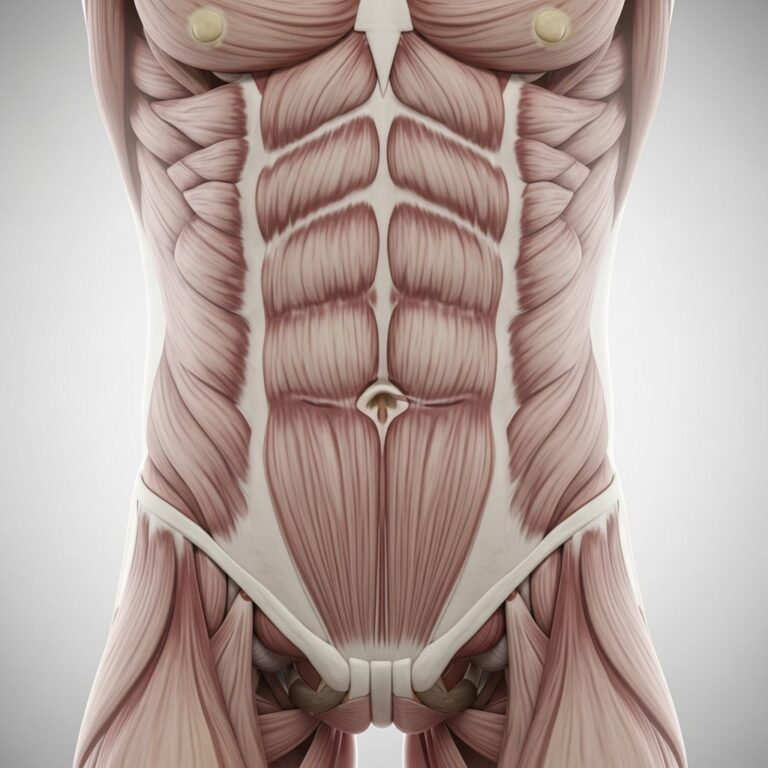
Gross motor skills are the large, sweeping movements we make with our arms, legs, and torso. The term “gross” in this context means “large,” and “motor” refers to “movement.” These skills develop from birth through adolescence and form the foundation of a child’s physical capabilities and independence. Unlike fine motor skills, which involve small, precise movements of the fingers and hands, gross motor skills encompass whole-body movements that allow children to interact with and explore their environment.
Examples of everyday gross motor movements include walking, running, jumping, climbing, and bending over. Hand-eye and foot-eye coordination activities are also considered gross motor skills. Your core muscles play a crucial role in supporting these motions, working in complex coordination with your bones and nervous system. As children improve their gross motor abilities, they gain greater independence and confidence in their daily activities.
Gross Motor Skills vs. Fine Motor Skills
While both gross motor and fine motor skills are integral to a child’s overall development, they focus on different types of movements and muscle groups. Gross motor skills involve large movements that require the use of larger muscle groups in the legs, arms, and torso, enabling whole-body activities such as walking, running, and jumping. In contrast, fine motor skills are the small, precise movements we make with our hands and fingers, such as writing or picking up small objects.
The key difference between the two lies in the location and degree of movement. For example, writing involves fine motor skills and requires small, precise muscle movements in your fingers and wrist, while waving your arm is a gross motor skill that requires large, sweeping muscle movements in your shoulder and upper arm. Importantly, infants develop gross motor skills before they develop fine motor skills, establishing a foundation upon which more refined movements can develop.
Why Gross Motor Skills Matter
Gross motor skills are essential for mobility, independence, and overall health. These skills enable children to perform everyday activities that are fundamental to their quality of life. Beyond basic physical activities, gross motor skills are also related to body awareness, reaction speed, balance, and strength.
Having difficulties with gross motor skills can significantly impact several areas of a child’s life. Such challenges can make it hard to do key tasks and can take a toll on confidence and self-esteem. Healthcare providers assess gross motor skills because delays in these milestones can be a sign of certain neurological conditions. The sooner your child’s provider can identify a delay, the sooner your child can receive the appropriate help and intervention needed to support healthy development.
Movements are a part of everyday life, and our bodies change as our gross motor skills develop. New or improved gross motor skills allow us to explore more of our environment, which then creates more opportunities for learning and doing.
Related Stories



Gross Motor Development Progression
Gross motor abilities in normal child development progress from head to toe. First, upper body muscle control develops, followed by lower body control. This means that babies will typically learn how to hold their head up first, followed by being able to sit up. It’s almost like a series of building blocks, with one skill leading to the next.
For example, infants will learn how to use their arms to pull themselves up, then stand without losing their balance, and then walk. As they progress in their physical activity level, they improve muscle strength, balance, and coordination, which in turn creates opportunities for more advanced motor abilities. Healthcare providers and parents keep track of these improvements with developmental milestones—the behaviors that mark stages of typical growth.
It’s important to remember that children all develop at their own pace. However, most children pass through specific changes at roughly the same time as they get older. As their muscles get stronger and their brains continue to develop, the fine-tuning and number of gross motor skills grow. Gross motor skills continue to develop throughout childhood and adolescence, becoming increasingly complex.
Gross Motor Milestones by Age
Healthcare providers have benchmarks—or milestones—for different gross motor skills at different age ranges. Understanding what to expect at different developmental stages helps parents and caregivers support their child’s growth appropriately.
Infants (Birth to 12 Months)
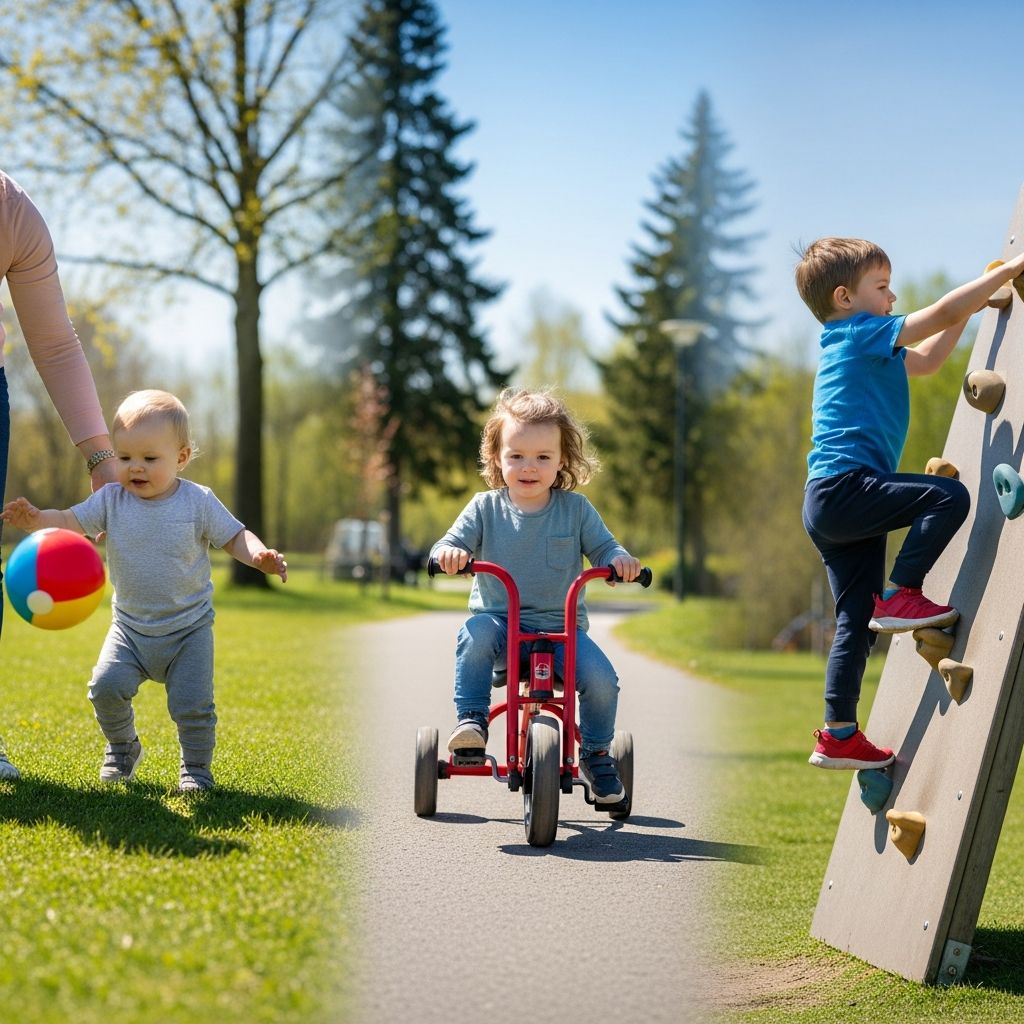
Key milestones for gross motor skills in infants include lifting the head, rolling over, sitting upright, crawling, standing alone briefly, and taking first steps. In the early months, babies focus on developing head and neck control. By around 6 months, many infants can sit with support, and by 9-12 months, most babies can pull themselves up and may take their first independent steps.
Toddlers (1 to 3 Years)
During the toddler years, children refine their walking abilities and begin to explore more complex movements. By age 2, most toddlers can walk confidently, run with some control, and climb on furniture. They may also begin to jump with both feet together and kick a ball. These developing skills reflect their growing muscle strength and coordination.
Preschoolers (3 to 5 Years)
Between the ages of 3 to 5, children continue to refine their gross motor skills, gaining greater control and coordination. By age 4, most children can hop on one foot for a few seconds, demonstrating improved balance and strength. Other milestones during this period include the ability to ride a tricycle or bicycle with training wheels, skip, and engage in more complex playground activities. By age 6, most kids can skip if someone shows them how, which requires a complex combination of muscle strength, balance, coordination and timing.
Factors Affecting Gross Motor Development
A child’s health status, including any physical disabilities or short-term injuries, can directly impact their ability to develop gross motor skills. Various factors influence the rate and success of gross motor skill development, including:
- Overall health and nutritional status
- Opportunities for physical activity and play
- Genetic factors and family history
- Environmental stimulation and encouragement
- Presence of any developmental conditions or disabilities
Delays in gross motor skill development can affect daily living activities and overall confidence, which means early intervention and addressing underlying issues are essential for supporting a child’s motor development.
Activities to Support Gross Motor Skill Development
Engaging in play-based activities, both structured and unstructured, is an effective way to enhance a child’s gross motor abilities. Active engagement from parents and caregivers is crucial in promoting gross motor skill development through both structured and unstructured physical activities.
Indoor Activities
Indoor activities are crucial for promoting gross motor skills, especially when outdoor play is limited. One effective indoor activity to enhance these skills is creating obstacle courses. Setting up various objects for children to climb over, crawl under, and navigate around helps them develop coordination, balance, and strength in a fun and engaging way.
Other indoor activities include structured play exercises like yoga for kids, dance routines, and indoor ball games. These activities not only promote physical activity but also help children develop essential motor skills and body awareness.
- Creating indoor obstacle courses with pillows and cushions
- Dancing to music with movements and rhythm activities
- Playing indoor ball games or tossing activities
- Practicing yoga poses designed for children
- Using stairs for climbing and descent practice
Outdoor Activities
Outdoor play is essential for promoting gross motor skills and overall physical development. Ball games, climbing, and using playground equipment help improve a child’s strength, coordination, and balance. Encouraging regular outdoor play can result in ongoing developments in gross motor skills.
Using chalk to create balance beams or hopscotch games can significantly boost children’s coordination and gross motor skills. Outdoor activities offer children the opportunity to engage in large movements and use their whole body, which is crucial for developing gross motor abilities.
- Ball games such as catch, kick, or throwing activities
- Playground equipment use including swings, slides, and climbing structures
- Chalk activities like hopscotch and balance beams
- Running and chasing games
- Jumping rope and other rhythmic activities
- Riding tricycles or bicycles with training wheels
When to Seek Professional Help
If parents or caregivers are concerned about a child’s progress in reaching developmental milestones or notice a sudden regression in skills, it is essential to consult a healthcare provider. A pediatric physical therapist can assess the child’s motor skills and provide targeted support to address any delays or difficulties.
Warning signs that may warrant professional evaluation include:
- Not meeting age-appropriate gross motor milestones
- Loss of previously acquired skills
- Significant difficulty with balance or coordination
- Muscle weakness or tone abnormalities
- Asymmetrical movements or favoring one side of the body
With appropriate intervention and support, delays in gross motor skills often resolve over time. Early recognition and addressing potential issues are key to ensuring a child’s physical development and confidence.
Supporting Your Child’s Gross Motor Development
Parents and caregivers play a vital role in supporting gross motor skill development. This involves providing opportunities for movement, encouragement, and a safe environment for exploration. Some practical strategies include:
- Allowing ample time for free play and unstructured movement
- Creating safe spaces where children can practice new skills
- Participating in physical activities together with your child
- Providing age-appropriate playground and play equipment
- Encouraging outdoor play in varied environments
- Modeling healthy physical activity and movement
- Celebrating progress and efforts, not just achievements
Frequently Asked Questions
Q: What is the difference between gross and fine motor skills?
A: Gross motor skills involve large movements using major muscle groups in the legs, arms, and torso for activities like walking and running. Fine motor skills are small, precise movements made with the hands and fingers, such as writing or picking up small objects. Infants typically develop gross motor skills before fine motor skills.
Q: At what age should my child be able to walk?
A: Most children take their first steps between 12-15 months of age. However, children develop at their own pace, and some may walk as early as 9 months or as late as 18 months. Talk to your child’s healthcare provider about what you should expect at different age levels.
Q: What should I do if I’m concerned about my child’s gross motor development?
A: If you notice your child is not meeting age-appropriate milestones or shows signs of regression, consult your pediatrician or a pediatric physical therapist. Early intervention can help address delays and support healthy development.
Q: Can gross motor skills be improved through practice and activities?
A: Yes, engaging in play-based activities—both structured and unstructured—is an effective way to enhance gross motor abilities. Both indoor and outdoor activities can support development when provided regularly and with encouragement from caregivers.
Q: How do health conditions affect gross motor skill development?
A: A child’s health status, including physical disabilities or injuries, can directly impact their ability to develop gross motor skills. Healthcare providers assess these skills because delays can sometimes indicate underlying neurological conditions that benefit from early intervention.
References
- Early Childhood Gross Motor Skills: Development & Activities — Coral Care. 2024. https://www.joincoralcare.com/blog/early-childhood-gross-motor
- Gross Motor Skill Development in Infants and Toddlers — Good2Know Network. https://good2knownetwork.org/supporting-gross-motor-skill-development-in-infants-and-toddlers/
- Gross Motor Skills — Cleveland Clinic. https://my.clevelandclinic.org/health/articles/gross-motor-skills
- Developing Gross Motor Skills for Individuals with Disabilities — ALSO (Association of University Centers on Disabilities). https://alsoweb.org/nonprofit-blog/developing-gross-motor-skills-for-individuals-with-disabilities/
Similar Articles








Read full bio of medha deb