Growth Hormone: Athletic Performance and Aging
Exploring growth hormone's role in athletic performance, aging, and health outcomes.
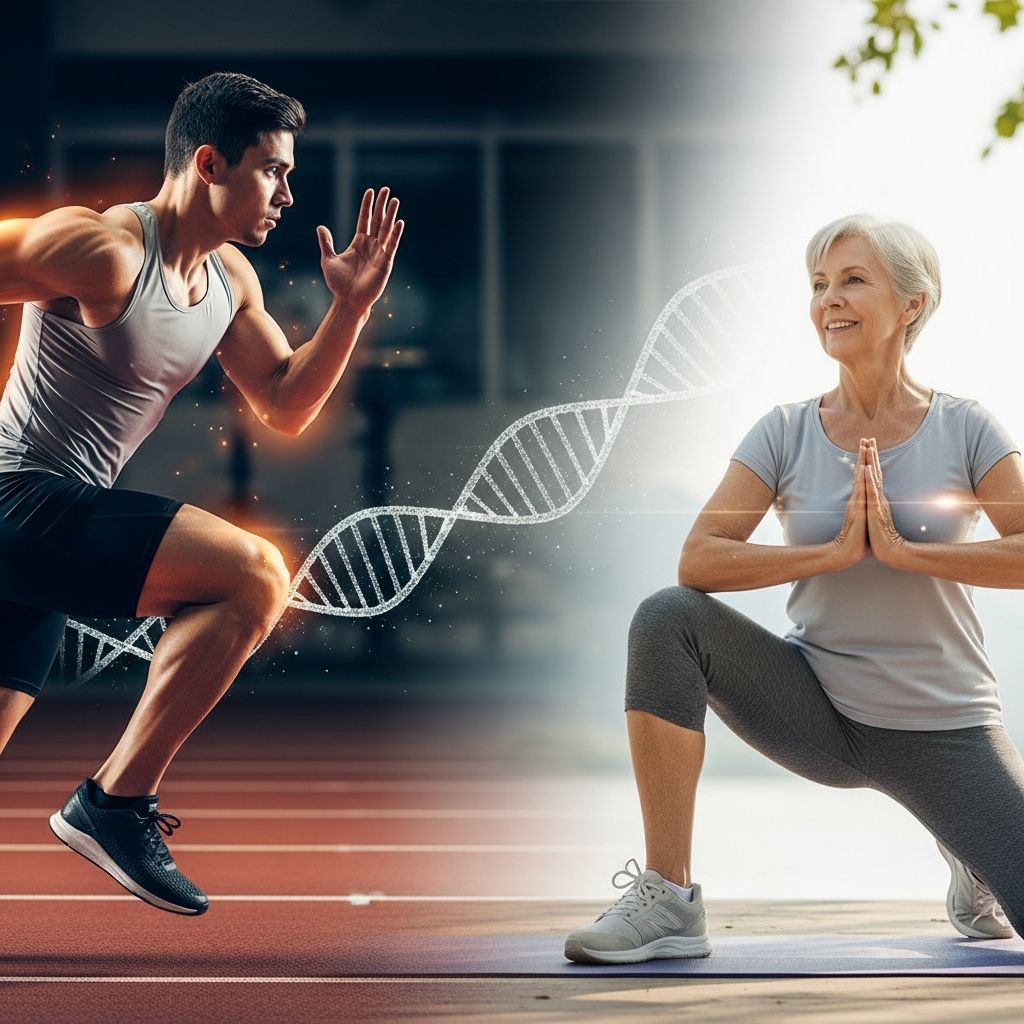
Human growth hormone (HGH), also known as somatotropin, is a peptide hormone produced by the pituitary gland that plays a crucial role in growth, metabolism, and cellular repair throughout the human lifespan. As we age, natural growth hormone production declines, leading many individuals to explore supplementation to maintain athletic performance and combat aging. Understanding the relationship between growth hormone, athletic performance, and aging requires examining current scientific evidence, potential benefits, associated risks, and evidence-based strategies for optimizing hormone levels naturally.
Understanding Human Growth Hormone
Human growth hormone is produced by the anterior pituitary gland and is essential for numerous physiological functions. The hormone reaches peak levels during childhood and adolescence, with the highest concentrations occurring during puberty. After the age of 30, growth hormone production naturally declines by approximately 10 to 15 percent per decade, a phenomenon known as somatopause. This gradual decline is associated with various age-related changes, including reduced muscle mass, increased body fat, decreased bone density, and diminished exercise capacity.
The body releases growth hormone in a pulsatile manner, with significant secretion occurring during deep sleep and after intense physical exercise. Growth hormone works by stimulating the liver to produce insulin-like growth factor 1 (IGF-1), which mediates many of the hormone’s anabolic effects. Understanding these natural fluctuations and regulatory mechanisms provides important context for evaluating growth hormone supplementation.
Growth Hormone and Athletic Performance
The Evidence on Performance Enhancement
Extensive scientific research has examined whether exogenous growth hormone administration enhances athletic performance in healthy, young individuals. A comprehensive systematic review and meta-analysis of placebo-controlled trials found that while growth hormone administration significantly increased lean body mass and decreased fat mass, it did not improve muscle strength or maximum oxygen uptake in healthy, young subjects. This finding is particularly important for athletes considering growth hormone supplementation for performance enhancement.
The research demonstrates that growth hormone treatment increased anaerobic exercise capacity in limited studies but did not consistently improve aerobic capacity over weeks to months. Another large systematic review examining 27 study samples involving 303 participants revealed that although lean body mass increased by approximately 2.1 kilograms in growth hormone recipients compared with controls, strength and exercise capacity did not improve. These findings suggest that the body composition changes induced by growth hormone may not translate into the functional athletic improvements that many athletes seek.
Body Composition Changes
One of the most consistent findings across growth hormone research is its effect on body composition. Growth hormone supplementation increases lean body mass while simultaneously reducing fat mass, creating a more favorable body composition profile. For aesthetic-focused athletes or sports with weight categories, these changes might be appealing. However, the functional implications for athletic performance remain limited.
The mechanism behind these body composition changes involves enhanced muscle protein synthesis and increased metabolic rate. Growth hormone promotes the breakdown of adipose tissue while simultaneously supporting protein anabolism in skeletal muscle. Athletes commonly experience improved muscle definition and reduced subcutaneous fat following growth hormone treatment, even without corresponding improvements in strength or power output.
Effects on Recovery and Exercise Capacity
Athletes often pursue growth hormone supplementation hoping to accelerate recovery from intense training and enhance exercise capacity. While some research suggests growth hormone may support tissue repair and reduce recovery time through enhanced protein synthesis and cellular regeneration, the scientific evidence remains mixed regarding its direct impact on exercise performance metrics. Studies have documented higher lactate levels during exercise in growth hormone recipients, which may actually impair exercise capacity by promoting earlier fatigue accumulation.
Growth Hormone and Aging
Age-Related Decline and Functional Consequences
The decline in growth hormone production associated with aging contributes to numerous physiological changes characteristic of senescence. Reduced growth hormone levels are associated with decreased muscle mass and strength, increased body fat (particularly abdominal adiposity), reduced bone density, diminished cognitive function, and decreased exercise capacity. These age-related changes contribute significantly to morbidity and mortality in older populations.
The relationship between growth hormone deficiency and aging has prompted investigation into whether growth hormone replacement might reverse or attenuate age-related decline. However, the relationship between growth hormone and longevity appears more complex than simple hormone replacement strategies suggest. Research indicates that slower-growing organisms with lower growth hormone activity often demonstrate extended lifespans, suggesting that moderate growth hormone suppression may promote longevity through stress resistance and reduced metabolic strain.
Growth Hormone Deficiency and Aging Phenotype
Interestingly, genetic models of growth hormone deficiency or resistance demonstrate extended lifespan and improved healthspan in animal models. Studies examining mice with impaired growth hormone signaling reveal preserved physical function, reduced inflammatory markers, and resistance to age-related diseases. These findings suggest that the relationship between growth hormone and healthy aging may not be simply linear, and that excessive growth hormone activity might actually promote certain aspects of aging and disease risk.
Safety Concerns and Adverse Effects
Common Side Effects
Growth hormone supplementation carries several documented risks and adverse effects, particularly with long-term use. The most frequently reported side effects include soft tissue edema (fluid retention), joint pain, carpal tunnel syndrome, and generalized fatigue. These adverse effects can significantly impair quality of life and athletic performance, potentially negating any marginal benefits from body composition improvements.
Other documented side effects include headaches, muscle aches, and changes in glucose metabolism. Some individuals experience gynecomastia (breast tissue enlargement in males) or exacerbation of existing hormonal imbalances. The frequency and severity of adverse effects often increase with higher doses and longer treatment durations.
Long-Term Health Risks
Beyond acute side effects, long-term growth hormone supplementation raises concerns about increased cancer risk, particularly regarding insulin-like growth factor 1 (IGF-1) elevation. Elevated IGF-1 levels have been associated with increased risk of certain malignancies and promotion of tumor growth in some populations. Additionally, excessive growth hormone may adversely affect glucose homeostasis, increasing diabetes risk, and may negatively impact cardiovascular function.
The use of non-physiologic growth hormone doses, as typically employed in performance enhancement protocols, exceeds the body’s natural regulatory capacity and may disrupt complex endocrine feedback mechanisms. This disruption can lead to sustained hormonal imbalances and unpredictable long-term consequences.
Natural Strategies to Optimize Growth Hormone
Exercise and Physical Activity
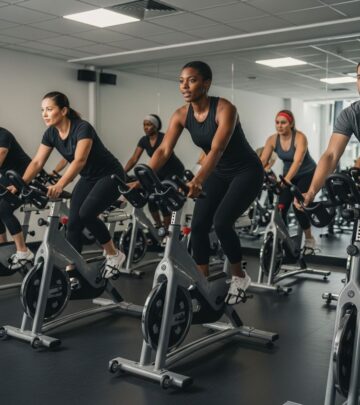
High-intensity interval training (HIIT) represents one of the most effective evidence-based methods for stimulating endogenous growth hormone secretion. Intense anaerobic exercise, particularly resistance training and sprint intervals, triggers robust growth hormone release through metabolic stress and lactate accumulation mechanisms. Regular HIIT sessions can increase growth hormone levels without the risks associated with exogenous supplementation.
Resistance training, especially movements involving large muscle groups performed with high intensity, consistently elevates growth hormone secretion. The combination of mechanical tension, metabolic stress, and muscle damage inherent to resistance training provides powerful stimulation for growth hormone release. Progressive resistance training programs that emphasize progressive overload represent an evidence-based approach to maintaining muscle mass and function with advancing age.
Sleep Quality and Duration
Sleep represents perhaps the most critical behavioral factor regulating growth hormone secretion. The majority of daily growth hormone is released during deep, slow-wave sleep, particularly in the first few hours after sleep onset. Prioritizing 7 to 9 hours of quality sleep nightly and maintaining consistent sleep-wake schedules promotes optimal growth hormone secretion. Sleep deprivation directly suppresses growth hormone production and is associated with accelerated aging phenotypes.
Optimizing sleep environment factors including darkness, cool temperature (approximately 65-68°F), minimizing noise, and avoiding blue light exposure before bedtime supports deep sleep quality and associated growth hormone secretion. These behavioral modifications carry no risk profile and provide numerous additional health benefits.
Nutrition and Metabolic Health
Adequate protein consumption supports muscle protein synthesis and provides amino acid substrates necessary for growth hormone production and IGF-1 synthesis. Consuming sufficient calories and maintaining metabolic health prevents the growth hormone suppression associated with chronic caloric restriction or malnutrition. However, chronic caloric restriction paradoxically extends lifespan and improves health markers in various model organisms, suggesting an optimal balance exists.
Micronutrient sufficiency, particularly regarding zinc, magnesium, and vitamin D, supports growth hormone synthesis and secretion. Addressing deficiencies in these nutrients through dietary sources or supplementation may optimize endogenous growth hormone production, particularly in older adults where deficiency prevalence increases.
Special Considerations for Aging Populations
Age-Related Muscle Loss and Functional Decline
Sarcopenia, the age-related loss of muscle mass and strength, represents a critical health concern affecting quality of life and independence in older adults. While growth hormone supplementation theoretically addresses muscle loss, the evidence for substantial functional improvements in aging populations remains limited. Resistance training combined with adequate protein intake demonstrates superior efficacy for maintaining and building muscle mass across the lifespan.
Healthspan Versus Lifespan
Recent research examining longevity interventions suggests that promoting slower growth and reduced growth hormone activity may extend lifespan and improve healthspan through mechanisms including reduced metabolic rate, enhanced stress resistance, and decreased inflammation. This paradigm challenges assumptions that higher growth hormone levels universally benefit aging individuals. The trade-off between growth promotion and longevity represents an important consideration when evaluating growth hormone interventions in older populations.
Comparison: HGH Supplementation vs. Natural Approaches
| Factor | HGH Supplementation | Natural Optimization |
|---|---|---|
| Lean Body Mass | Significant increase (~2.1kg) | Gradual increase with training |
| Muscle Strength | Minimal improvement | Significant improvement with resistance training |
| Adverse Effects | Joint pain, edema, fatigue | Minimal to none |
| Cost | High (often uninsured) | Minimal to free |
| Long-term Safety | Concerns regarding cancer risk | Well-established safety profile |
| Athletic Performance | Marginal improvements | Substantial improvements possible |
Frequently Asked Questions
Q: Does growth hormone actually improve athletic performance?
A: Scientific evidence shows that while growth hormone increases lean body mass and decreases fat mass, it does not significantly improve muscle strength, endurance capacity, or functional athletic performance in healthy, young individuals. Claims about performance enhancement are not supported by robust clinical evidence.
Q: What are the risks of using growth hormone for anti-aging?
A: Growth hormone supplementation carries risks including joint pain, fluid retention, carpal tunnel syndrome, potential increased cancer risk through IGF-1 elevation, glucose metabolism disruption, and cardiovascular complications. Long-term safety data remains limited.
Q: Can natural methods effectively increase growth hormone?
A: Yes, evidence-based natural methods including high-intensity interval training, resistance training, adequate sleep (7-9 hours), and proper nutrition effectively stimulate endogenous growth hormone production without associated risks of supplementation.
Q: Is growth hormone deficiency truly a marker of aging?
A: While growth hormone declines with age, research suggests that moderate growth hormone suppression may actually promote longevity and improve healthspan. The relationship between growth hormone and aging appears more complex than simple hormone replacement models suggest.
Q: Who should consider growth hormone therapy?
A: Growth hormone therapy is medically indicated for individuals with documented growth hormone deficiency diagnosed through appropriate testing. Healthy individuals should pursue evidence-based natural optimization strategies before considering supplementation.
Conclusion
Current scientific evidence demonstrates that while growth hormone supplementation produces measurable changes in body composition, it does not reliably improve athletic performance, muscle strength, or aerobic capacity in healthy individuals. The risks associated with long-term supplementation, combined with marginal functional benefits, do not support its use for performance enhancement in athletes. For aging individuals seeking to maintain muscle mass, strength, and physical function, evidence-based natural approaches including progressive resistance training, high-intensity interval exercise, adequate sleep, and proper nutrition offer superior outcomes with minimal risk.
The complexity of growth hormone’s role in aging suggests that simply attempting to restore youthful hormone levels may not represent an optimal anti-aging strategy. Instead, comprehensive approaches emphasizing physical activity, metabolic health, sleep quality, and nutritional adequacy provide proven benefits for maintaining function and promoting healthy aging throughout the lifespan.
References
- Systematic Review: Effects of Growth Hormone on Athletic Performance — Harvard Medical School. 2008-05-20. https://hcp.hms.harvard.edu/publication/systematic-review-effects-growth-hormone-athletic-performance
- Growth Hormone Administration and Athletic Performance: A Systematic Review and Meta-Analysis — PubMed Central, National Institute of Health. 2017. https://pubmed.ncbi.nlm.nih.gov/28514721/
- Early Life Rapamycin Increases Lifespan and Improves Physical Fitness — Harvard Longevity Research. 2025. https://www.nad.com/news/harvard-rapamycin-increases-lifespan
- Human Growth Hormone and Athletic Performance: Evidence and Implications — HealthOn Educational Resources. 2025. https://healthon.com/blogs/journal/the-truth-about-hgh-for-athletes-performance-enhancement-or-risky-business
- Testosterone and Growth Hormone in Older Men — Taylor & Francis Online. 2009. https://www.tandfonline.com/doi/full/10.1586/eem.09.15
Similar Articles



Read full bio of medha deb