Guava Benefits: 9 Science-Backed Health Perks
Discover the impressive health benefits of guava, from boosting immunity to supporting heart health and digestion.
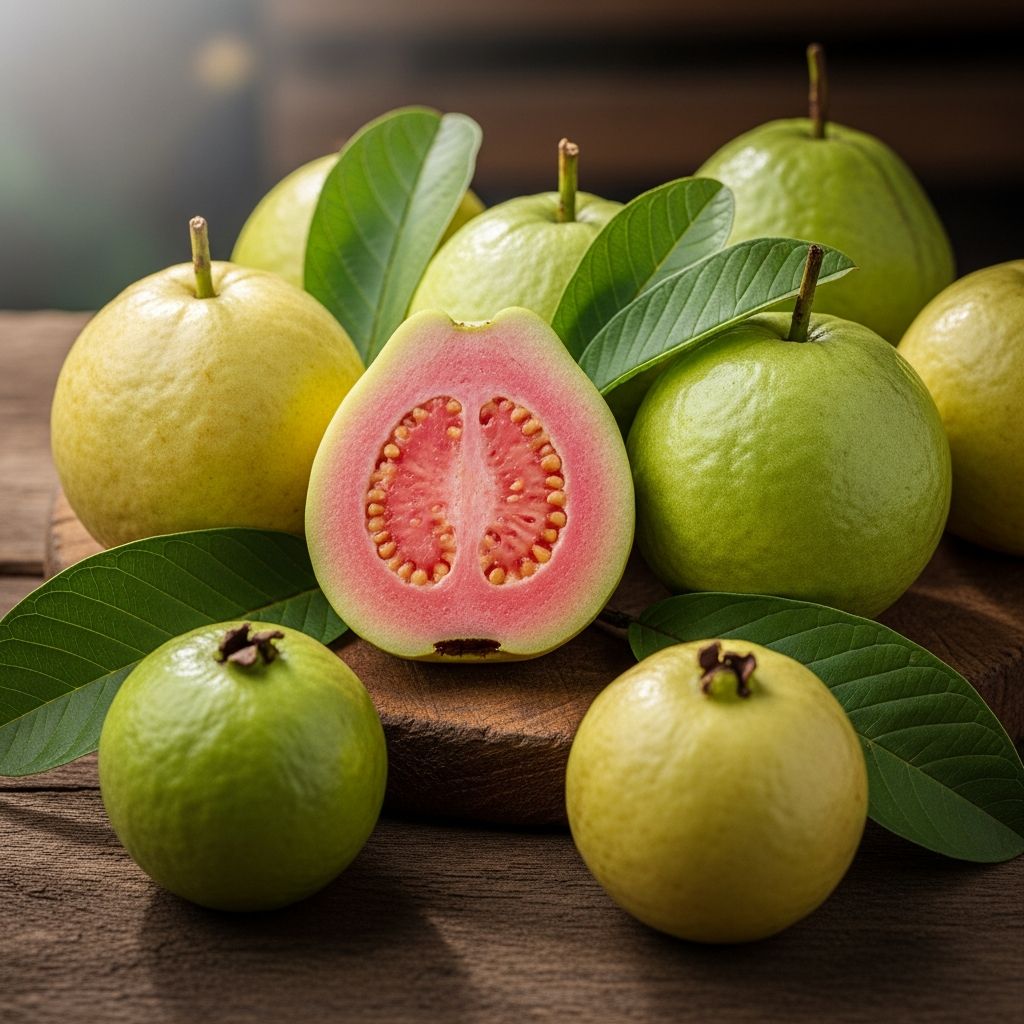
Guava (Psidium guajava), a tropical fruit native to Central America, is renowned for its exceptional nutritional profile and versatile health benefits. With light green or yellow skin, oval shape, and edible seeds, guava surpasses oranges in vitamin C content and provides fiber, potassium, antioxidants, and polyphenols. Both the fruit and leaves offer therapeutic potential, supported by scientific studies on digestion, immunity, heart health, and more.
What Is Guava?
Guava trees thrive in tropical climates, producing fruits that are low in calories yet nutrient-dense. One medium guava delivers over 200% of the daily vitamin C requirement (103 mg), 12% of fiber needs, and significant potassium. Leaves are commonly brewed into tea or used as extracts for their bioactive compounds like flavonoids, tannins, quercetin, lycopene, and gallic acid.
These components contribute to guava’s antioxidant, antimicrobial, and anti-inflammatory properties, making it a staple in traditional medicine across Asia, Africa, and Latin America.
Guava Nutrition Facts
A single guava (about 55g) provides:
- Vitamin C: 228mg (253% DV) – Supports immunity and collagen production.
- Dietary Fiber: 5.4g (19% DV) – Aids digestion and satiety.
- Potassium: 417mg (9% DV) – Regulates blood pressure.
- Vitamin A: 31μg (3% DV) – Promotes skin and eye health.
- Folate: 49μg (12% DV) – Essential for cell function.
- Polyphenols and Antioxidants: Quercetin, lycopene – Combat oxidative stress.
Guava is low in sugar (9g per fruit) and calories (68 kcal), ideal for weight management.
Top 9 Evidence-Based Health Benefits of Guava
1. Exceptionally High in Vitamin C
Guava leads as a vitamin C powerhouse, with one fruit offering more than double the daily needs (RDI: 45-90mg). This water-soluble antioxidant neutralizes free radicals, reduces cold duration, and bolsters white blood cell function against infections.
Studies link low vitamin C to higher infection risk; regular guava intake may prevent this.
2. Supports Heart Health
Guava’s potassium, fiber, and antioxidants protect cardiovascular function. Potassium balances sodium for blood pressure control, while soluble fiber lowers LDL cholesterol and raises HDL.
A 2022 study showed ripe guava consumption decreased blood pressure overall. Leaf extracts further reduce triglycerides and hypertension risks, as noted in the Journal of Human Hypertension.
3. Helps Control Blood Sugar Levels
Polyphenols in guava leaves regulate carbohydrate absorption, preventing post-meal spikes. Cell, animal, and human studies (2020-2022) confirm improved insulin sensitivity and long-term glycemic control, benefiting diabetes management without drug interactions.
Guava leaf tea post-meals suppresses spikes effectively.
4. Improves Digestion
High fiber (both soluble and insoluble) in guava promotes regular bowel movements, prevents constipation, and eases diarrhea by firming stool. One guava meets 12% daily fiber needs.
Leaf extracts reduce diarrhea duration and intensity, particularly for IBS, due to antimicrobial effects against gut pathogens.
Related Stories



5. Relieves Painful Periods
Guava leaf extract outperforms painkillers for menstrual cramps, as shown in clinical studies. Its anti-inflammatory flavonoids relax uterine muscles.
6. May Have Anticancer Properties
Antioxidants like quercetin, lycopene, and vitamin C neutralize cancer-causing free radicals. Lab and animal studies demonstrate guava extracts inhibit growth of breast, prostate, colon, lung, and skin cancer cells.
Human trials are needed, but phenolic compounds show promise.
7. Antimicrobial Effects
Guava leaves exhibit antibacterial and antifungal activity from flavonoids, tannins, gallic, and betulinic acids. Extracts combat pathogens causing infections and digestive issues.
8. Supports Weight Loss
Low-calorie, high-fiber guava promotes fullness, reducing overall intake. Fiber slows digestion, stabilizing blood sugar and curbing cravings.
9. Skin and Anti-Aging Benefits
Vitamins A, C, and antioxidants like carotene and lycopene protect against UV damage, wrinkles, and aging. They boost collagen and fight free radicals for healthier skin.
Guava Leaves Benefits
Beyond fruit, leaves are medicinal. Tea or extracts provide concentrated polyphenols for blood sugar control, diarrhea relief, heart protection, and antimicrobial action. Studies validate their safety and efficacy as supplements.
Potential Downsides of Guava
Guava is safe for most, but excess fiber may cause bloating or gas in sensitive individuals. Seeds pose choking risks for children; chew thoroughly. Those on blood thinners or diabetes meds should consult doctors due to vitamin K and sugar effects. Allergies are rare.
Pregnant/nursing women: Moderate intake is fine; avoid high-dose leaf extracts without advice.
How to Select and Eat Guava
Choose firm, unblemished fruits with aromatic scent. Ripen at room temp. Eat fresh (skin-on for max nutrients), in salads, smoothies, or as juice. Leaves: Brew tea (1-2 leaves per cup, steep 5-10 min).
| Preparation | Benefits |
|---|---|
| Fresh Fruit | Full fiber, vitamins |
| Leaf Tea | Concentrated antioxidants |
| Juice/Smoothie | Easy digestion |
Guava Recipes
- Guava Smoothie: Blend guava, banana, yogurt, honey.
- Guava Salsa: Dice with onion, cilantro, lime for fish tacos.
- Guava Leaf Tea: Simmer leaves with ginger for soothing drink.
Frequently Asked Questions (FAQs)
Is guava good for diabetes?
Yes, guava leaf extracts and fruit help regulate blood sugar without spiking it, per multiple studies.
Can I eat guava every day?
Yes, 1-2 fruits daily provide benefits without side effects for most people.
Does guava help with weight loss?
Its fiber and low calories promote satiety and metabolism support.
Is guava skin edible?
Yes, nutrient-rich; wash well.
Can guava prevent cancer?
Antioxidants show promise in labs, but not a proven treatment; pairs with healthy diet.
References
- Health Benefits of Guava — WebMD. 2023. https://www.webmd.com/diet/health-benefits-guava
- 8 Health Benefits of Guava Fruit and Leaves — Healthline (Medically reviewed May 14, 2025). 2025-05-14. https://www.healthline.com/nutrition/8-benefits-of-guavas
- Is it good to eat a lot of guava? — Vinmec. 2023. https://www.vinmec.com/eng/blog/is-it-good-to-eat-a-lot-of-guava-en
- Guava (Psidium guajava): A brief overview of its therapeutic and pharmacological properties — PMC (NCBI). 2024. https://pmc.ncbi.nlm.nih.gov/articles/PMC12466288/
Similar Articles








Read full bio of medha deb