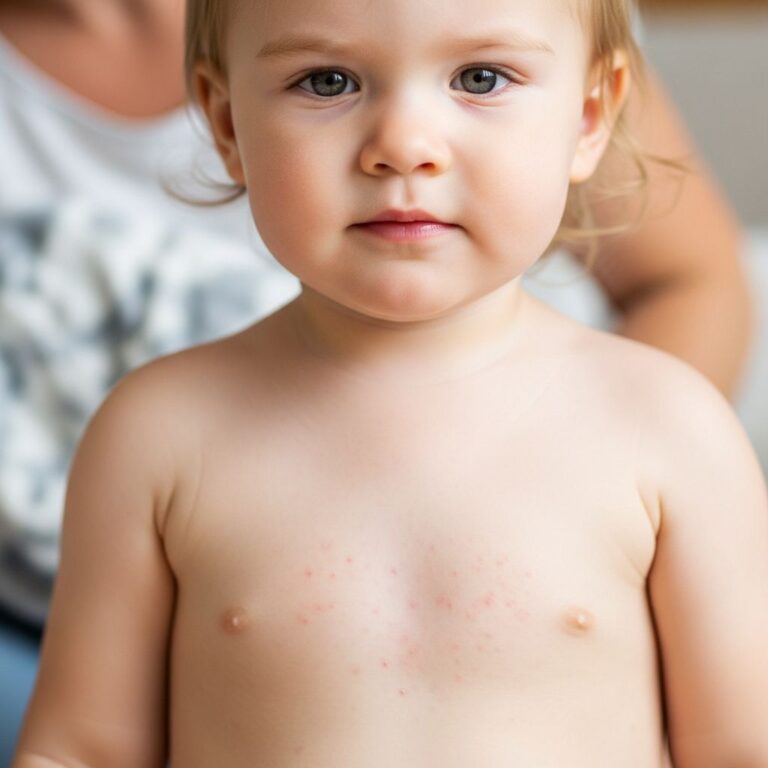
Guidelines for Eczema Diagnosis and Assessment
Comprehensive guidelines on diagnosing and assessing eczema through history, examination, and severity scoring for optimal patient care.
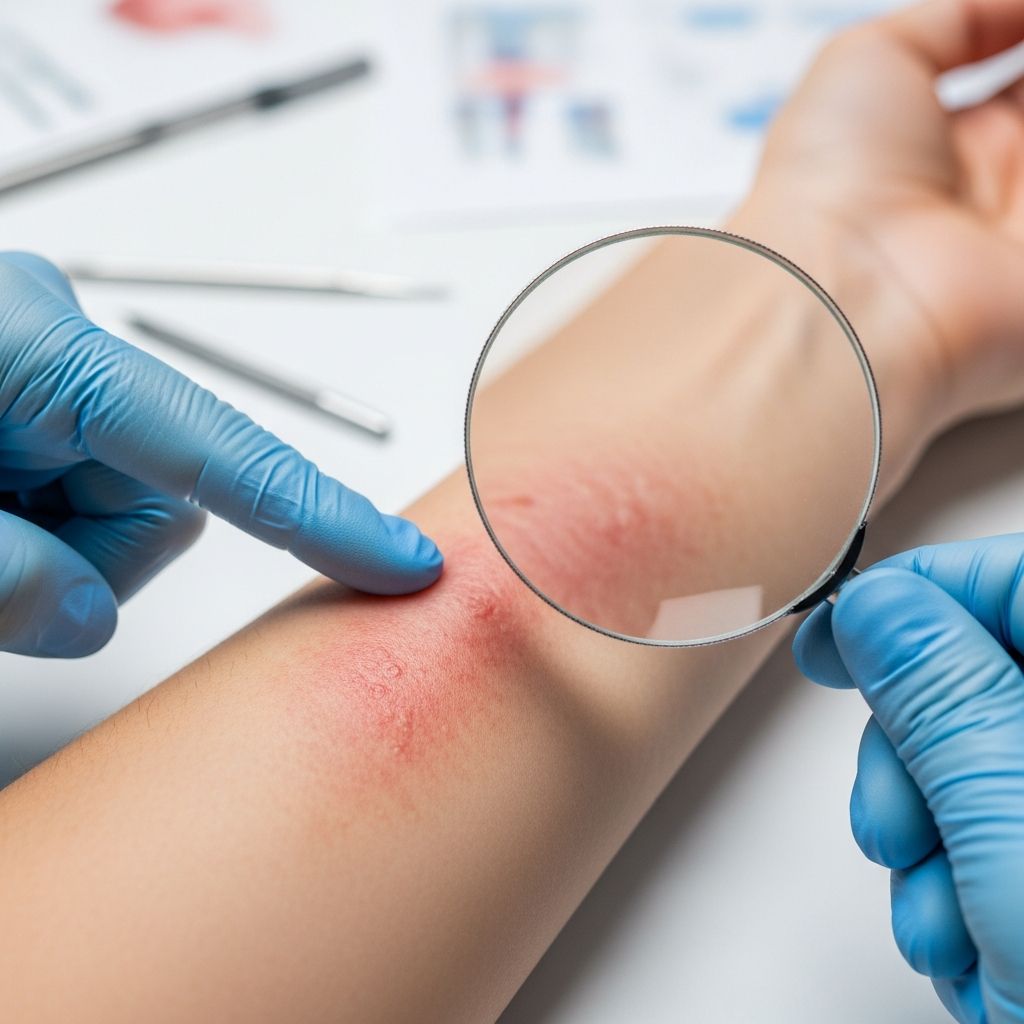
Eczema, also known as atopic dermatitis, is a chronic inflammatory skin condition characterized by itchy, dry, and inflamed skin. The diagnosis relies primarily on patient history and clinical examination, without the need for specific laboratory tests in most cases. These guidelines outline essential features, diagnostic criteria, differential diagnoses, assessment methods, and holistic evaluation to guide healthcare professionals in accurate diagnosis and management.
Diagnosis of Eczema
The cornerstone of eczema diagnosis is a thorough patient history combined with physical examination. Key features to consider are organized into essential, important, associated, and exclusionary categories, as summarized below.
| Diagnostic Features for Eczema | Details |
|---|---|
| Essential Features | Pruritus (itching) and typical morphology and distribution:
|
| Important Features |
|
| Associated Features |
|
| Exclusionary Conditions | See differential diagnosis table below |
Hanifin and Rajka Criteria for Atopic Dermatitis
These widely used criteria require three major criteria and at least three minor criteria for diagnosis.
| Major Criteria (3 required) |
|---|
|
Note: UK Working Party criteria require an itchy skin condition plus three of five additional features, but are primarily for research and not suitable for young children.
Differential Diagnosis of Eczema
Accurate diagnosis necessitates excluding mimicking conditions, especially in atypical presentations, treatment failures, or associated systemic symptoms like failure to thrive.
| Category | Conditions |
|---|---|
| Other Inflammatory Dermatoses | Seborrhoeic dermatitis, psoriasis, contact allergy/irritation, pompholyx, napkin dermatitis, nummular eczema, lichen simplex, pityriasis lichenoides, pityriasis alba |
| Ichthyoses | Ichthyosis vulgaris, autosomal recessive congenital ichthyosis, X-linked ichthyosis, Netherton syndrome |
| Infections and Infestations | Scabies, tinea corporis, pityriasis versicolor, pityriasis rosea, HIV |
| Immunodeficiencies | Severe combined immunodeficiency, Omenn syndrome, hyper-IgE syndrome, Wiskott-Aldrich syndrome, IPEX syndrome |
| Immunological Disorders | Dermatitis herpetiformis, juvenile dermatomyositis, graft-vs-host disease |
| Malignancies | Cutaneous T-cell lymphoma (mycosis fungoides) |
| Metabolic Disorders | Zinc deficiency, pyridoxine deficiency, biotin deficiency, niacin deficiency, phenylketonuria, cystic fibrosis, neutral lipid storage disease |
In cases of diagnostic uncertainty, investigations such as skin scrapings for fungi, swabs for bacteria, patch testing, or biopsy may be warranted.
Assessment of Eczema
Comprehensive assessment evaluates disease severity, triggers, treatment adherence, and impact on quality of life. History should cover:
- Onset, duration, and pattern of flares
- Aggravating factors (irritants, allergens, stress, infections)
- Previous treatments and adherence (underuse is common)
- Associated immediate hypersensitivity to foods
- Impact on sleep, daily activities, and psychosocial wellbeing
- Family and personal atopic history
Physical examination includes full skin survey for morphology (acute: erythematous, oedematous; subacute: excoriated; chronic: lichenified), distribution, extent, and signs of infection (crusting, pustules).
Related Stories



Formal severity scoring tools enhance objectivity:
- SCORAD (SCORing Atopic Dermatitis): Combines extent (10%), intensity (clinical signs), and subjective itch/sleep disturbance (50%). Scores: <25 mild, 25-50 moderate, >50 severe.
- EASI (Eczema Area and Severity Index): Assesses four body regions for erythema, infiltration, excoriation, lichenification. Validated for clinical trials.
Holistic Assessment
Following NICE guidelines, assess both skin/physical severity and quality of life impact.
| Skin Severity | Description | Quality of Life Impact | Description |
|---|---|---|---|
| Clear | Normal skin, no active eczema | Clear | No impact on QoL |
| Mild | Dry skin, infrequent itch (± small red areas) | Mild | Little impact on activities/sleep/psychosocial |
| Moderate | Dry skin, frequent itch, redness (± excoriation, thickening) | Moderate | Moderate impact, frequent sleep disturbance |
| Severe | Widespread dry skin, incessant itch, redness (± oozing, cracking, pigmentation changes) | Severe | Severe limitation, nightly sleep loss |
Additional tools: CDLQI (Children’s Dermatology Life Quality Index), POEM (Patient-Oriented Eczema Measure) for QoL. Management must consider cultural practices and family beliefs.
Investigations
Routinely unnecessary, but indicated for:
- Atypical features or poor treatment response
- Suspected infection (swabs)
- Fungal mimicry (scrapings)
- Contact allergy (patch testing)
- Food allergy (history-focused; IgE tests if immediate reactions)
- Systemic associations (e.g., IgE levels, growth monitoring)
Biopsy rarely needed but confirms in doubtful cases.
Frequently Asked Questions (FAQs)
Q: Is a skin biopsy required for eczema diagnosis?
A: No, diagnosis is clinical; biopsy is reserved for atypical cases or differentials.
Q: What if eczema doesn’t respond to standard treatment?
A: Reassess history for triggers, adherence, infection; consider differentials or referral.
Q: How do I score eczema severity at home?
A: Use POEM for symptoms or consult apps/tools based on SCORAD/EASI; professional assessment preferred.
Q: Can food allergies cause eczema flares?
A: Possible in immediate reactions; evaluate via history, not routine testing.
Q: When to worry about infection in eczema?
A: Watch for increased pain, pus, fever, crusting; swab if suspected.
These guidelines ensure standardized, evidence-based care, improving outcomes in eczema management.
References
- Guidelines for the diagnosis and assessment of eczema — DermNet NZ. 2023. https://dermnetnz.org/topics/guidelines-for-the-diagnosis-and-assessment-of-eczema
- Healthcare Professionals Guide to Eczema — National Eczema Society. 2018-06-01. https://eczema.org/wp-content/uploads/Healthcare-Professionals-Guide-June-2018.pdf
- Atopic dermatitis — DermNet NZ. 2023. https://dermnetnz.org/topics/atopic-dermatitis
- Clinical Practice Guidelines: Eczema — Royal Children’s Hospital Melbourne. 2023. https://www.rch.org.au/clinicalguide/guideline_index/eczema/
Similar Articles








Read full bio of medha deb