Guillain-Barré Syndrome: Causes, Symptoms & Treatment
Understanding GBS: A comprehensive guide to symptoms, diagnosis, and recovery.
Understanding Guillain-Barré Syndrome (GBS)
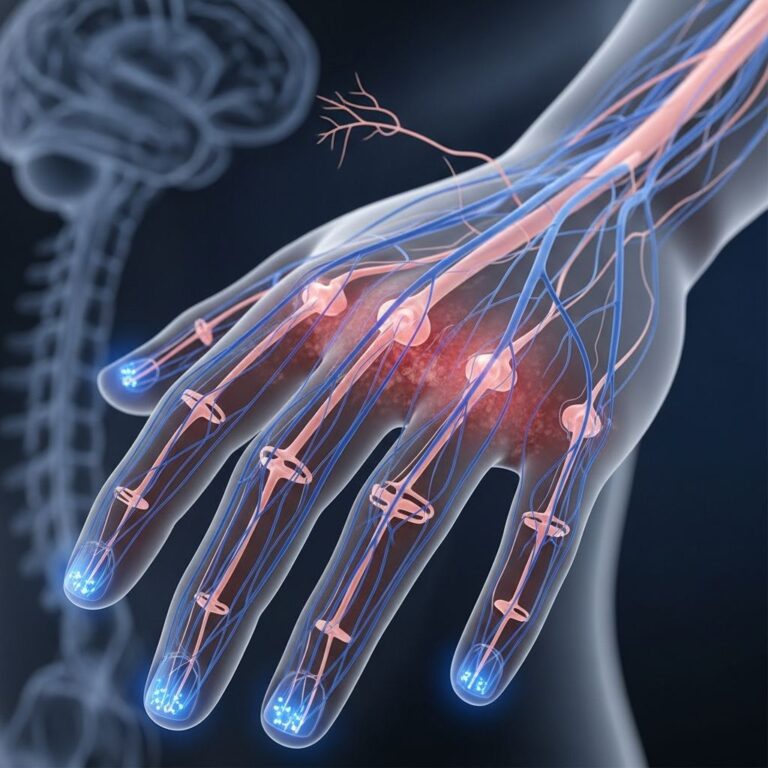
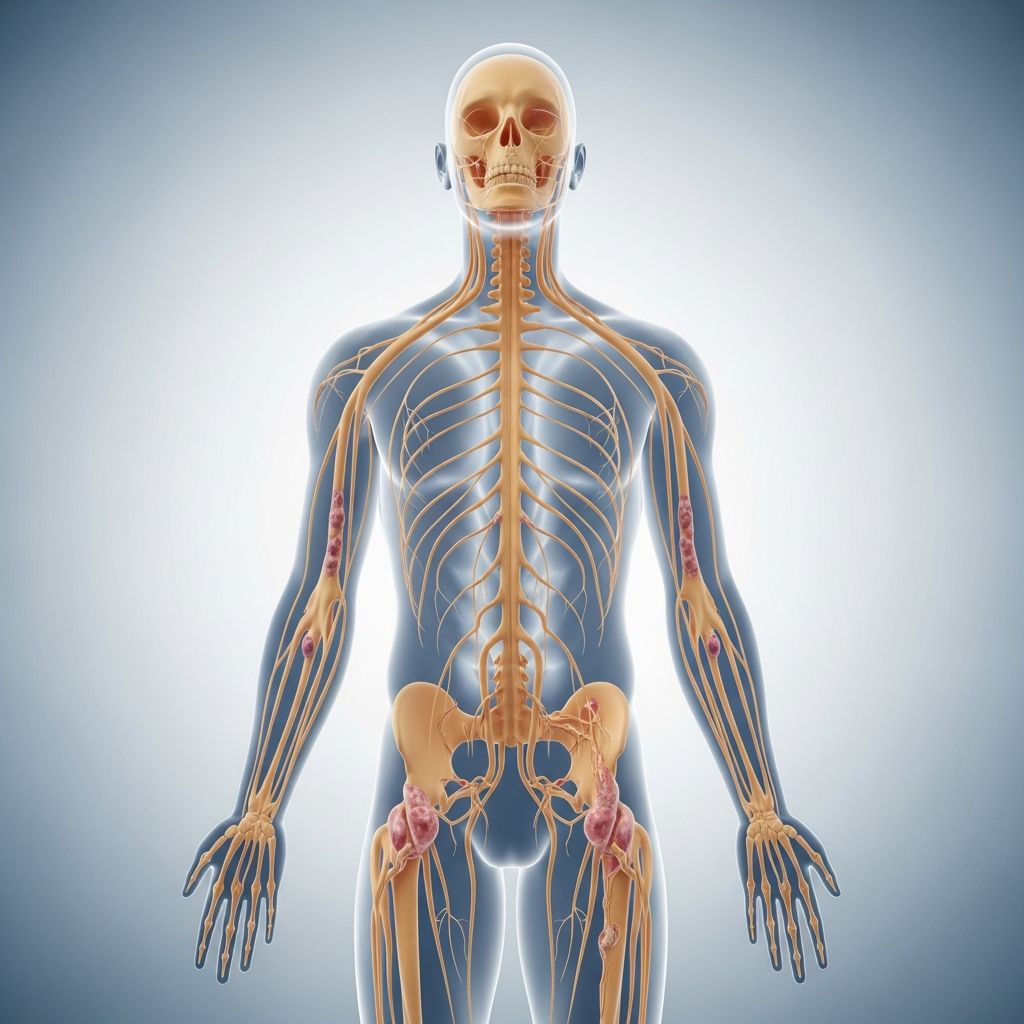
Guillain-Barré Syndrome (GBS) is a rare autoimmune condition in which your immune system attacks your peripheral nerves, causing sudden numbness and muscle weakness that can affect most of your body. This serious neurological disorder occurs when your body’s immune system responds abnormally and mistakenly targets the nerves responsible for transmitting signals between your brain and muscles. The condition is characterized by rapidly progressive weakness and can range from very mild to severe. However, the encouraging news is that most people make a full recovery from GBS with appropriate treatment and rehabilitation.
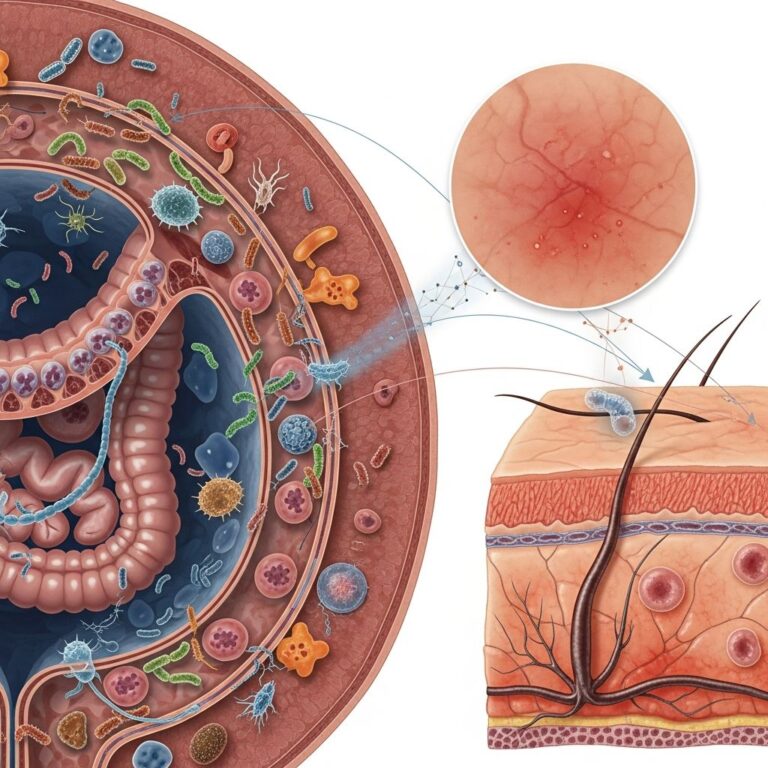
GBS is classified as a post-infectious, immune-mediated neuropathy, meaning it develops as an abnormal immune response, often triggered by a preceding infection or other immune-related factors. The syndrome is named after the French neurologists Georges Guillain and Jean Alexandre Barré, who first described this condition in 1916. Today, GBS remains relatively uncommon, occurring in approximately 1 to 2 cases per 100,000 people annually worldwide.
Symptoms and Early Signs
The symptoms of GBS can develop rapidly, progressing over hours, days, or a few weeks. Most people experience their most significant weakness within the first two weeks after symptoms appear, with approximately 90% of patients reaching their weakest stage by the third week. Early recognition of symptoms is crucial for seeking prompt medical attention.
Common Initial Symptoms
The initial manifestations of GBS typically include:
– Feeling a pins and needles sensation in your toes, ankles, fingers, or wrists- Weakness that starts in your legs and gradually moves upward toward your upper body- Unsteady walking or inability to climb stairs- Difficulty with facial movements, including speaking, chewing, or swallowing- Double vision or inability to move your eyes smoothly- Severe aching, shooting, or cramping pains that often worsen at night- Trouble controlling your bladder or bowel function- Rapid heart rate- Abnormal blood pressure (either high or low)- Weakness in chest muscles, making it difficult to breathe
Progression and Severity
The condition typically worsens progressively over a few hours, days, or weeks. Some patients experience rapid onset within hours, while others develop symptoms more gradually over several weeks. The weakness characteristically starts in the lower extremities and ascends upward, affecting the upper body, trunk, and potentially the respiratory muscles. In severe cases, the weakness can progress to near-total paralysis.
When to Seek Medical Help
Immediate medical attention is essential if you experience:
– Sudden weakness that worsens over hours or days- Trouble breathing or swallowing- Drooling or difficulty controlling saliva- Fainting or feeling lightheaded when standing- Inability to move your eyes or face- Double vision
Causes and Risk Factors
While the exact cause of GBS remains unknown, researchers have identified several factors that can trigger the condition. Most cases of GBS occur following an infection, typically in the 3 to 6 weeks before neurological symptoms develop.
Common Triggering Infections
The infections most commonly associated with GBS include:
– Upper respiratory tract infections (rhinitis, sore throat, cough)- Gastrointestinal infections (diarrhea, abdominal pain, bloating)- Cytomegalovirus (CMV)- Epstein-Barr virus (EBV)- Zika virus- Campylobacter jejuni (bacterial infection)- Mycoplasma pneumoniae
Other Triggering Factors
Beyond infections, GBS can be triggered by:
– Surgery or surgical procedures- Vaccinations (though this is rare)- Immune system dysfunction- Other medical conditions
Related Stories



Diagnosis of Guillain-Barré Syndrome
Healthcare providers typically diagnose GBS based on a combination of your symptoms, medical history, and specific diagnostic tests. The diagnosis process involves a thorough evaluation to rule out other conditions that may present with similar symptoms.
Physical and Neurological Examination
Your healthcare provider will conduct comprehensive physical and neurological exams to assess for signs of muscle weakness and weak or absent deep-tendon reflexes, a condition called hyporeflexia or areflexia. They will ask detailed questions about how and when your symptoms started and whether you’ve been sick recently.
Diagnostic Tests
Several tests help confirm GBS diagnosis:
Nerve Conduction Studies: These tests measure how quickly your nerves transmit electrical signals. In GBS, nerve conduction velocity is slowed, which is characteristic of the condition.
Cerebrospinal Fluid (CSF) Analysis: A lumbar puncture, also called a spinal tap, involves removing a small amount of fluid using a needle inserted between the lumbar vertebrae. GBS shows characteristic findings of elevated protein levels (usually greater than 0.55 g/L) and fewer than 10 white blood cells per cubic millimeter of fluid, a pattern called albuminocytological dissociation. This distinctive pattern helps distinguish GBS from other conditions such as lymphoma and poliomyelitis.
Electromyography (EMG): This test measures the electrical activity in your muscles and helps identify nerve damage patterns consistent with GBS.
Types and Subtypes of GBS
GBS is classified into several subtypes based on the areas of weakness, nerve conduction study results, and the presence of specific antibodies. Understanding these subtypes helps healthcare providers tailor treatment approaches. The main subtypes include acute inflammatory demyelinating polyneuropathy (AIDP), acute motor axonal neuropathy (AMAN), acute motor-sensory axonal neuropathy (AMSAN), and Miller Fisher Syndrome, which presents with distinct eye movement problems.
Potential Complications
While most people recover well from GBS, the condition can lead to serious complications, particularly in severe cases affecting autonomic nerves or respiratory muscles.
Respiratory Failure
One of the most serious complications is respiratory muscle weakness, which can lead to respiratory failure. Between 15% to 30% of GBS patients require temporary mechanical ventilation to assist with breathing. This life-threatening scenario is complicated by additional medical problems such as pneumonia, severe infections, blood clots in the lungs, and digestive tract bleeding in approximately 60% of those requiring artificial ventilation.
Autonomic Dysfunction
The autonomic nervous system, which controls involuntary body functions like heart rate and blood pressure, is affected in approximately two-thirds of GBS patients. Complications include:
– Severe blood pressure fluctuations- Heart rhythm irregularities (arrhythmias)- Abnormal heart rate- Changes in perspiration patterns- Pupil reactivity changes- Potentially life-threatening cardiac arrhythmias requiring pacemaker treatment
Other Complications
Additional potential complications include pain-related symptoms (back pain, muscle pain, parasthesia), infections, and residual neurological symptoms persisting after the acute phase. Even with treatment, approximately 20% of patients experience persistent neurologic symptoms, and up to 3% may experience fatal outcomes related to autonomic issues.
Treatment and Management
Hospitalization and Supportive Care
Most GBS patients require hospitalization for respiratory and cardiac monitoring, along with comprehensive supportive care. Your healthcare team will carefully monitor your breathing, heart rate, and blood pressure, acting quickly if complications develop.
Primary Treatments
The treatments of choice for GBS are:
Intravenous Immunoglobulin (IVIG): This treatment involves infusing antibodies from donated blood plasma into your bloodstream to help regulate your immune system and reduce the attack on your nerves.
Plasmapheresis: Also called plasma exchange, this procedure removes harmful antibodies from your blood and replaces the plasma with donor plasma, helping to slow disease progression.
Symptom Management
Healthcare providers may prescribe medications to manage specific symptoms, including pain management strategies for severe aching or cramping sensations. Autonomic dysfunction is managed through careful monitoring and targeted interventions as needed.
Rehabilitation and Recovery
As you begin to improve, your healthcare team may transfer you to a rehabilitation setting where you’ll work with physical therapists and other specialists to regain strength and resume daily activities. Recovery may take weeks to years, though most people achieve complete or near-complete recovery. Rehabilitation therapies include physical therapy to restore muscle strength and mobility, occupational therapy for daily living skills, and speech therapy if swallowing or speech difficulties persist.
Prognosis and Recovery
The outlook for GBS is generally positive with appropriate treatment. Most people fully recover or have only minor residual weakness, numbness, or tingling. Prompt treatment with immunoglobulin therapy or plasmapheresis, combined with supportive care, leads to good recovery in the majority of cases. However, about one-third of patients have some permanent weakness, and globally, death occurs in approximately 7.5% of patients, primarily due to complications like respiratory failure or autonomic dysfunction.
The plateau phase of the condition, where symptoms stabilize before improvement begins, typically lasts between two days and six months, with one week being the most common duration. Early functional mobility and rehabilitation optimize recovery outcomes.
Frequently Asked Questions About GBS
Q: How quickly does Guillain-Barré Syndrome develop?
A: GBS can develop rapidly, with symptoms appearing over hours to a few weeks. Most people reach their weakest point within two weeks, with 90% at maximum weakness by the third week.
Q: Is Guillain-Barré Syndrome life-threatening?
A: During the acute phase, GBS can be life-threatening, particularly if respiratory muscles are affected. However, with proper treatment and hospitalization, most people survive and recover.
Q: Can you fully recover from GBS?
A: Yes, most people make a full recovery with treatment and rehabilitation, though recovery may take weeks to years. About one-third experience some permanent minor weakness.
Q: What is the connection between infections and GBS?
A: Most GBS cases follow an infection occurring 3-6 weeks earlier. The immune system mistakenly attacks nerves while fighting the infection.
Q: How is GBS diagnosed?
A: GBS is diagnosed through symptoms, nerve conduction studies, and cerebrospinal fluid analysis showing elevated protein levels with few white blood cells.
Q: What percentage of GBS patients need mechanical ventilation?
A: Between 15% to 30% of GBS patients require temporary mechanical ventilation to assist with breathing during the acute phase.
References
- Guillain-Barré Syndrome (GBS): Symptoms & Treatment — Cleveland Clinic. 2024. https://my.clevelandclinic.org/health/diseases/15838-guillain-barre-syndrome
- Guillain-Barré Syndrome: Causes, Symptoms, and Treatment — WebMD. https://www.webmd.com/brain/what-is-guillain-barre
- Understanding Guillain-Barré Syndrome — PubMed. National Center for Biotechnology Information, National Institutes of Health. https://pubmed.ncbi.nlm.nih.gov/26075345/
- Guillain–Barré Syndrome — Wikimedia Foundation. https://en.wikipedia.org/wiki/Guillain%E2%80%93Barr%C3%A9_syndrome
- Guillain-Barre Syndrome – Symptoms and Causes — Mayo Clinic. https://www.mayoclinic.org/diseases-conditions/guillain-barre-syndrome/symptoms-causes/syc-20362793
- Guillain-Barré Syndrome — Cleveland Clinic Journal of Medicine. 1947. https://www.ccjm.org/content/14/4/206
Similar Articles








Read full bio of Sneha Tete