Guillain-Barré Syndrome: Symptoms, Diagnosis, Treatment
Understand Guillain-Barré syndrome: symptoms, causes, diagnosis, treatment, and recovery strategies for this rare nerve disorder.
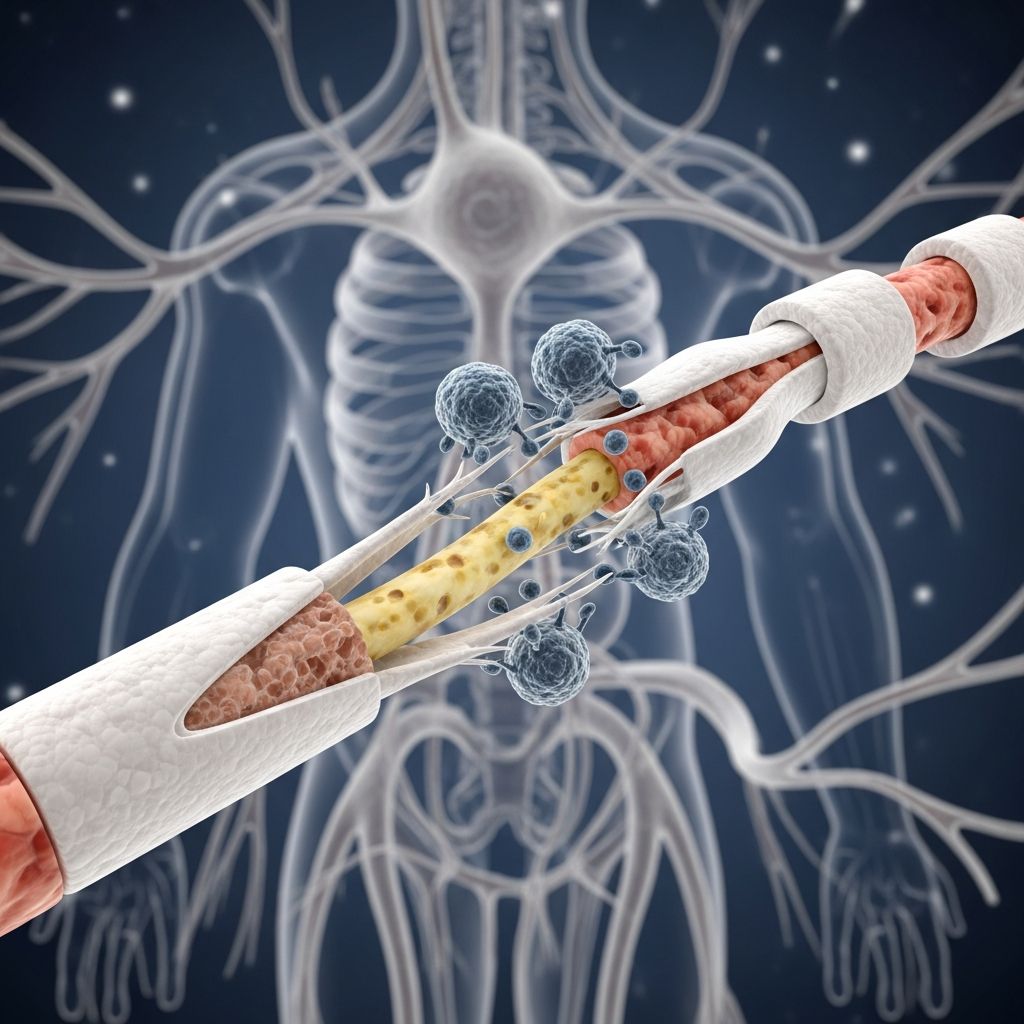
Guillain-Barré syndrome (GBS) represents a rare yet serious autoimmune condition where the immune system targets the peripheral nerves, leading to rapid-onset muscle weakness and potential paralysis. This disorder, the leading cause of acute flaccid paralysis globally, typically follows an infection and demands prompt medical intervention for the best outcomes.
Understanding the Nature of GBS
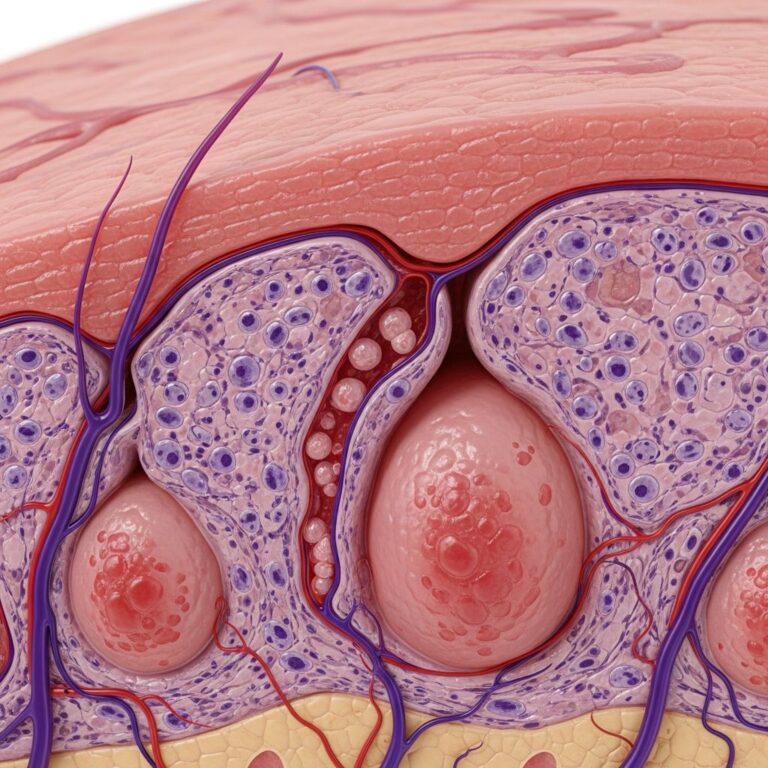
GBS triggers an aberrant immune response that damages the myelin sheath or axons of peripheral nerves, disrupting signal transmission from the brain to muscles. Affecting people across all ages but more prevalent in adults and males, it manifests as a monophasic polyradiculoneuropathy, meaning a single episode of inflammation around nerve roots. While most cases resolve with treatment, severe instances can threaten breathing and require intensive care.
Recognizing Early Warning Signs
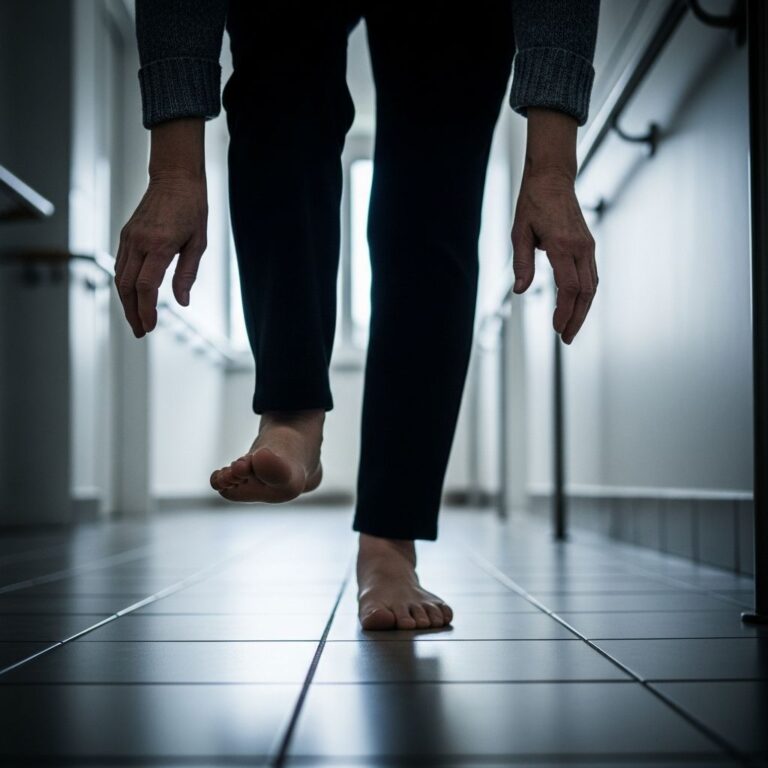
The onset of GBS often starts subtly with tingling or pins-and-needles sensations in the extremities, particularly the feet and legs, progressing upward. Within days to two weeks, this evolves into symmetrical muscle weakness, absent reflexes, and in some cases, sensory disturbances like numbness.
- Initial sensory changes: Tingling in fingers, toes, or ankles.
- Motor progression: Weakness spreading from legs to arms, trunk, and face.
- Reflex loss: Diminished or absent deep tendon reflexes, a hallmark feature.
- Pain symptoms: Aching, cramping, or nerve pain in back, hips, or limbs.
Progression typically peaks within 4 weeks, with facial weakness, swallowing difficulties, or breathing issues signaling severe variants.
Common Variants and Their Characteristics
Beyond classic GBS, several variants exist, each with distinct patterns of nerve involvement.
| Variant | Key Features |
|---|---|
| Classic GBS | Symmetrical limb weakness, areflexia, mild sensory involvement. |
| Pharyngeal-cervical-brachial | Arm weakness, facial palsy, no leg involvement. |
| Miller Fisher syndrome (MFS) | Ataxia, eye movement issues, areflexia; often GQ1b antibody positive. |
| Paraparetic GBS | Isolated lower limb weakness. |
| Pure sensory GBS | Sensory loss without motor deficits. |
These variants highlight the spectrum of GBS, influencing prognosis and management.
Potential Triggers and Risk Factors
GBS frequently emerges 1-3 weeks after infections like Campylobacter jejuni, Zika, or respiratory viruses, where molecular mimicry confuses the immune system into attacking self-nerves. Other triggers include vaccinations, surgery, or trauma, though most cases lack a clear antecedent. Risk escalates with rapid progression, bulbar involvement, or neck/hip flexor weakness, per predictive models like modified EGRIS.
Diagnostic Approaches
Diagnosis relies on clinical criteria: progressive limb weakness, areflexia, and symptom stability after 4 weeks, supported by cerebrospinal fluid analysis showing elevated protein without cells, and nerve conduction studies revealing demyelination or axonal damage. Essential features include symmetrical neuropathy and motor predominance over sensory symptoms.
- Albuminocytologic dissociation: High CSF protein with normal cell count.
- Electrophysiology: Confirms conduction block or slowing.
- Antibody testing: Ganglioside antibodies in variants like MFS.
Differentiate from mimics like botulism or myasthenia gravis via history and exams.
Immediate Medical Interventions
Treatment focuses on immunomodulation: intravenous immunoglobulin (IVIG) at 0.4 g/kg daily for 5 days or plasma exchange (PLEX) within 2 weeks of onset hastens recovery and reduces severity. Supportive care includes monitoring for respiratory failure (up to 22% need ventilation), pain control, and autonomic instability.
Related Stories



Corticosteroids alone lack efficacy; combine therapies if needed. Early ICU admission for high-risk patients prevents complications like sepsis or clots.
Path to Rehabilitation and Long-Term Recovery
Post-acute phase emphasizes multidisciplinary rehab: physical therapy rebuilds strength, balance, and endurance; occupational therapy aids daily activities. Most recover fully within months, though 20% face residual weakness or fatigue.
- Strength training: Gradual resistance for limbs and core.
- Balance exercises: To counter ataxia in MFS variants.
- Fatigue management: Paced activities and positioning.
- Pain relief: Gabapentin or physical modalities.
Monitor for relapse (rare, <5%) and provide psychological support.
Prognostic Factors and Outcomes
Favorable predictors include age under 40, preceding diarrhea, full IVIG/PLEX courses, and demyelinating subtypes. Poor outcomes link to axonal damage, mechanical ventilation over 1 month, or rapid nadir. Mortality is low (3-7%) from secondary issues, with 80% walking independently by 6 months.
Living with GBS: Practical Advice
Patients should prioritize rest, nutrition, and gradual activity resumption. Family education on warning signs like dyspnea is crucial. Long-term, address persistent paresthesias or dysautonomia through follow-up neurology care.
Frequently Asked Questions (FAQs)
What causes Guillain-Barré syndrome?
GBS arises from immune-mediated nerve damage, often post-infection via molecular mimicry.
How quickly does GBS progress?
Symptoms peak in 10-14 days, rarely beyond 4 weeks.
Is GBS curable?
Yes, most recover fully with timely treatment; severe cases may leave minor deficits.
Can GBS recur?
Recurrence is uncommon (<3%), but monitor for new symptoms.
What role does physical therapy play?
It restores function, manages pain, and prevents complications like contractures.
Prevention and Awareness
No vaccine exists, but infection control reduces risk. Public awareness aids early detection, improving survival. Consult healthcare providers for post-infectious weakness.
References
- Guillain‐Barré syndrome: a comprehensive review — Willison HJ et al. PMC. 2024. https://pmc.ncbi.nlm.nih.gov/articles/PMC11235944/
- Guillain-Barré syndrome — World Health Organization. 2023-10-13. https://www.who.int/news-room/fact-sheets/detail/guillain-barre-syndrome
- Physical Therapy Guide to Guillain-Barré Syndrome — ChoosePT. 2024. https://www.choosept.com/guide/physical-therapy-guide-guillain-barre-syndrome
- A Guide to Guillain-Barré Syndrome — South Miami Neurology. 2024. https://southmiamineurology.net/a-guide-to-guillain-barre-syndrome/
- Guillain-Barre syndrome – Symptoms and causes — Mayo Clinic. 2024-06-04. https://www.mayoclinic.org/diseases-conditions/guillain-barre-syndrome/symptoms-causes/syc-20362793
Similar Articles








Read full bio of Sneha Tete