Guillain-Barré Syndrome: Causes, Symptoms & Treatment
Comprehensive guide to understanding GBS: symptoms, diagnosis, and treatment options explained.
Understanding Guillain-Barré Syndrome
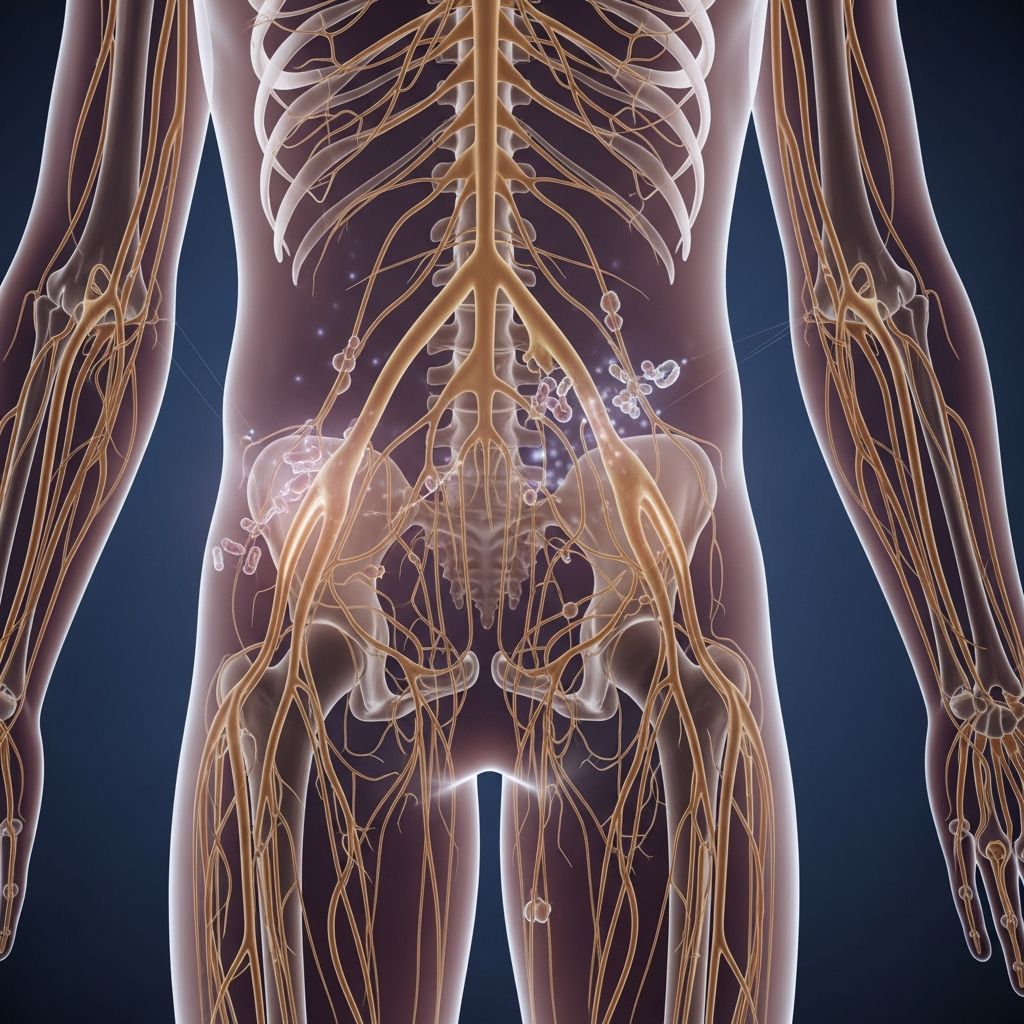
Guillain-Barré syndrome (GBS) is a rare but potentially serious autoimmune neurological disorder in which the body’s immune system attacks the peripheral nervous system. The peripheral nervous system includes all the nerves that connect the brain and spinal cord to the rest of the body. When this system is damaged, nerve signals traveling along these routes slow down or stop, leading to muscle weakness and, in severe cases, temporary paralysis.
GBS is classified as the most common cause of acute flaccid paralysis worldwide, with an annual global incidence of approximately 1–2 per 100,000 people. Although the exact cause remains not fully understood, the condition is typically triggered by an aberrant immune response following an infection. The disease can progress rapidly, with most patients reaching their maximum disability within two weeks of symptom onset.
While GBS is serious and can be life-threatening, particularly if respiratory muscles are affected, the majority of people with GBS eventually recover and resume normal, independent lives with proper medical treatment.
Causes and Risk Factors
GBS is thought to develop when an infection triggers an abnormal immune response. The body’s defense system mistakenly attacks the myelin sheath that covers and protects nerve fibers, or in some cases, the nerve fibers themselves. This damage disrupts the communication between the nervous system and the muscles.
Several infections have been associated with GBS development, including:
- Respiratory infections
- Gastrointestinal infections, particularly those caused by Campylobacter jejuni
- Zika virus
- Cytomegalovirus
- Epstein-Barr virus
- Hepatitis A, B, C, and E
In a subset of patients with GBS, serum antibodies are found against gangliosides, which are components found in high densities in the axolemma and other parts of peripheral nerves. These antibodies appear to play a role in the immune-mediated nerve damage characteristic of GBS.
GBS can occur at any age, though it is slightly more common in adults aged 30-50 and in males. Incidence can increase during outbreaks of infectious diseases, as demonstrated during the Zika virus epidemics.
Recognizing Symptoms and Early Signs
The onset of GBS can be sudden and unexpected, often requiring immediate medical attention. Symptoms typically develop over the course of a few days to a few weeks. Early recognition is crucial for timely treatment and better outcomes.
Initial Symptoms
GBS typically begins with weakness and tingling sensations, usually starting in the legs and progressing upward toward the upper body. Common early symptoms include:
- Weakness or tingling in the legs that may progress to the arms and upper body
- Distal paresthesias (abnormal sensations like pins and needles)
- Muscle pain or aches
- Difficulty with eye movement or double vision
- Facial weakness or drooping
- Difficulty speaking or swallowing
- Shortness of breath
Related Stories



Advancing Symptoms
As GBS progresses, patients may experience additional manifestations including:
- Progressive muscle weakness or paralysis
- Loss of coordination and balance
- Difficulty walking or climbing stairs
- Difficulty chewing or swallowing
- Loss of muscle control
- Abnormalities in heart rate or blood pressure (dysautonomia)
- Bowel or bladder dysfunction
- Chronic pain, which may be muscular, radicular, or neuropathic
- Digestion problems
In severe cases, GBS can cause paralysis similar to polio and may make it difficult to eat and breathe, which can become life-threatening. Involvement of the autonomic nervous system can lead to cardiac arrhythmias and blood pressure instability, contributing to the mortality risk associated with the condition.
Diagnostic Criteria and Testing
Accurate and timely diagnosis is essential for initiating appropriate treatment. GBS is diagnosed based on clinical presentation and supported by laboratory findings and specialized testing.
Clinical Features Required for Diagnosis
For GBS diagnosis, certain clinical features must be present:
- Progressive bilateral weakness of arms and legs (initially only legs may be involved)
- Absent or decreased tendon reflexes in affected limbs at some point during the clinical course
Features That Strongly Support Diagnosis
Additional features that support GBS diagnosis include:
- Progressive phase lasting from days to 4 weeks (usually less than 2 weeks)
- Relative symmetry of symptoms and signs
- Relatively mild sensory symptoms and signs
- Cranial nerve involvement, especially bilateral facial palsy
- Autonomic dysfunction
- Increased protein level in cerebrospinal fluid (CSF) with normal cell count
- Muscular or radicular back or limb pain
Diagnostic Tests
Cerebrospinal Fluid Analysis: A lumbar puncture (spinal tap) collects cerebrospinal fluid, which is analyzed for increased protein levels and normal white blood cell counts. This classic finding is highly suggestive of GBS, though patients may have normal results early in the disease course.
Electrophysiological Studies: Nerve conduction studies and electromyography (EMG) measure electrical activity in nerves and muscles. Abnormal results are classic features of GBS, though early in the disease, results may still be normal.
Antibody Testing: Serological testing for specific antibodies, such as anti-ganglioside antibodies, may be performed. Anti-GQ1b antibody testing should be considered when Miller Fisher syndrome is suspected. Testing for nodal-paranodal antibodies should be considered when autoimmune nodopathy is suspected.
Imaging: MRI or ultrasound imaging should be considered in atypical cases to rule out other conditions affecting the spinal cord or nerves.
Differential Diagnosis
Several conditions may mimic GBS, and clinicians must distinguish between them for appropriate treatment. Red flags suggesting alternative diagnoses include marked and persistent asymmetry of weakness, severe respiratory dysfunction with limited limb weakness at onset, fever at onset, and disease progression continuing for more than 4 weeks after symptom onset. If progression continues beyond 8 weeks, the diagnosis may need to be changed to acute-onset chronic inflammatory demyelinating polyradiculoneuropathy (A-CIDP).
Clinical Variants of GBS
While acute inflammatory demyelinating polyradiculoneuropathy (AIDP) is the classic and most common form accounting for approximately 90% of GBS cases in the Western world, several clinical variants exist with different presentations and geographical distributions.
Acute Motor Axonal Neuropathy (AMAN)
AMAN is an axonal form of GBS more prevalent in Asia, South and Central America. This variant often follows infection with Campylobacter jejuni and may be mediated by specific anti-ganglioside antibodies.
Acute Motor and Sensory Axonal Neuropathy (AMSAN)
AMSAN combines motor and sensory nerve involvement and is also more common in certain geographic regions. Like AMAN, it may involve specific anti-ganglioside antibodies that affect ion channel function.
Miller Fisher Syndrome (MFS)
This variant presents with a triad of ophthalmoplegia (eye movement paralysis), ataxia (loss of coordination), and areflexia (absence of reflexes), with limited motor weakness of the limbs.
Treatment Options
Early intervention is critical in GBS management. The efficacy of two primary treatment approaches has been established in large international randomized trials.
Plasmapheresis
Plasmapheresis, also known as plasma exchange, involves removing plasma from blood and replacing it with replacement fluids or donated plasma. This process removes harmful antibodies and immune factors from the bloodstream. Treatment typically consists of multiple sessions performed over several days.
Intravenous Immunoglobulin (IVIG)
IVIG involves infusing antibodies collected from donated blood plasma into the patient’s bloodstream. These antibodies can help neutralize the harmful immune factors attacking nerve fibers. IVIG is often preferred because it is easier to administer than plasmapheresis and has fewer side effects.
Supportive Care
Both treatments are most effective when started early in the disease course. Corticosteroids have been proven ineffective in GBS treatment. Supportive care is crucial and may include respiratory support if breathing muscles are affected, pain management, physical therapy, and monitoring for complications.
Disease Course and Prognosis
GBS follows a typically monophasic clinical course, meaning symptoms develop once and then improve over time. Most patients reach maximum disability within 2 weeks of disease onset. However, recovery can be prolonged, often lasting weeks to months.
The mortality rate associated with GBS is estimated at 3–10% even with optimal medical care, primarily due to autonomic dysfunction leading to cardiac complications or respiratory failure. However, the majority of people with GBS are eventually able to resume independent and active lives without serious disability.
Complications during the acute phase may include respiratory failure requiring mechanical ventilation (occurring in approximately 20% of patients), cardiac arrhythmias, and infections. With appropriate management, most patients show significant functional recovery.
Relapses and Chronic Variants
Relapses of GBS can occur in 2–5% of patients, a condition sometimes termed treatment-related fluctuation. Some patients may experience chronic forms of the disease with long-term consequences, though these are less common than the typical acute presentation.
Management During Hospitalization
Patients with GBS typically require hospitalization for close monitoring and management. Key aspects of hospital care include:
- Continuous monitoring of respiratory function and vital signs
- Assessment of swallowing ability and nutritional needs
- Initiation of immunomodulatory therapy
- Management of pain and other symptoms
- Prevention of complications such as deep vein thrombosis and pressure ulcers
- Intensive care unit admission if respiratory support is needed
- Coordination of physical and occupational therapy
Long-term Outlook and Recovery
Most patients with GBS recover well, though recovery may be gradual. Some patients experience persistent fatigue or residual weakness even after clinical recovery. Physical rehabilitation plays an important role in optimizing functional recovery and helping patients return to daily activities.
Patients should maintain regular follow-up with their healthcare providers, as ongoing support may be needed for pain management, physical therapy, and psychological adjustment to the illness experience.
Frequently Asked Questions
Q: Is Guillain-Barré syndrome contagious?
A: No, GBS is not contagious. It is an autoimmune condition triggered by the body’s own immune response, not by direct transmission from person to person. However, the infections that trigger GBS may be contagious.
Q: Can GBS be prevented?
A: There is no specific prevention for GBS. However, maintaining good hygiene and managing infections promptly may help reduce the risk of triggering infections that could lead to GBS.
Q: How long does recovery from GBS typically take?
A: Recovery timelines vary widely. While most patients experience improvement within weeks to months, full recovery can take several months to a year or longer. Some patients may experience residual effects.
Q: What is the difference between GBS and other autoimmune nerve conditions?
A: GBS is acute with rapid onset and typically follows a monophasic course. Other conditions like chronic inflammatory demyelinating polyradiculoneuropathy (CIDP) develop more slowly and have a chronic, relapsing-remitting course.
Q: Are there support resources available for GBS patients?
A: Yes, several organizations provide information, support groups, and resources for patients with GBS and their families. These organizations can provide valuable emotional and practical support during recovery.
References
- Diagnosis and management of Guillain–Barré syndrome in ten steps — Nature Reviews Neurology. 2019-12-01. https://www.nature.com/articles/s41582-019-0250-9
- European Academy of Neurology/Peripheral Nerve Society guideline on diagnosis and management of Guillain-Barré syndrome — European Journal of Neurology. 2023. https://pubmed.ncbi.nlm.nih.gov/37814552/
- Guillain-Barré syndrome: An update — Johns Hopkins University Press. 2024. https://pure.johnshopkins.edu/en/publications/guillain-barr%C3%A9-syndrome-an-update-4
- Guillain-Barré Syndrome Overview — American Brain Foundation. 2024. https://www.americanbrainfoundation.org/diseases/guillain-barre-syndrome/
- Centers for Disease Control and Prevention – Guillain-Barré Syndrome (GBS) — U.S. Department of Health & Human Services. 2024. https://www.cdc.gov/guillain-barre-syndrome/
Similar Articles








Read full bio of Sneha Tete