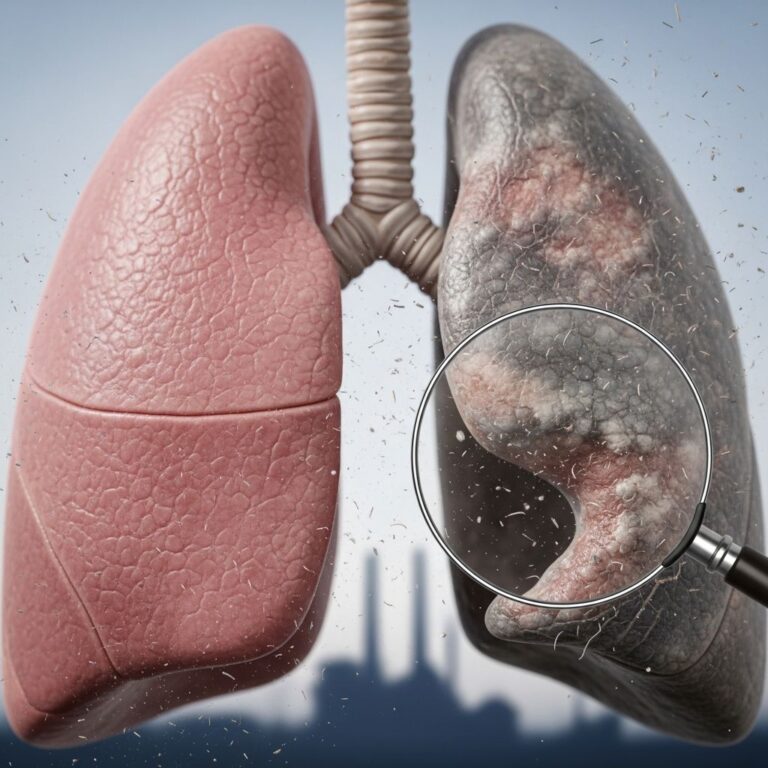
Gum Cancer Symptoms: Early Signs, Risks, And What To Watch For
Recognizing early signs of gum cancer can lead to better outcomes. Learn symptoms, risk factors, treatments, and prevention strategies.
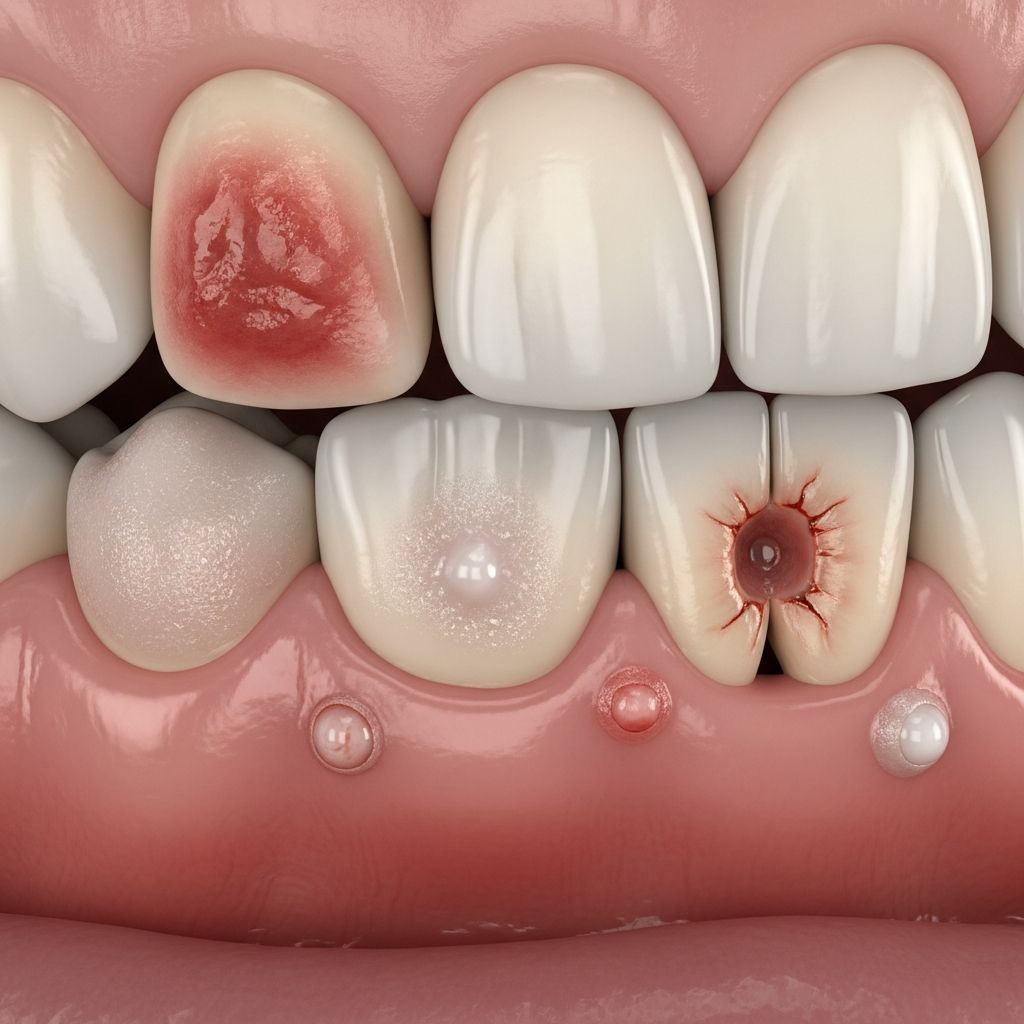
Gum cancer is a subtype of oral cancer that develops in the gingival tissues lining the teeth. It often begins as squamous cell carcinoma on the gum surface and can present as persistent sores or lumps that do not heal. Early identification of symptoms is crucial for improving survival rates.
What Is Gum Cancer?
Gum cancer refers to malignant tumors originating in the gums, which are part of the oral cavity. These cancers typically arise from squamous cells, the flat cells that form the surface layer of the gums, lips, and inside of the mouth. When DNA in these cells mutates, uncontrolled growth leads to tumor formation, potentially spreading to lymph nodes or distant sites.
Unlike benign gum issues like gingivitis, gum cancer does not resolve with standard oral hygiene. It may initially mimic common dental problems but progresses to more severe symptoms if untreated. The oral cavity includes gums, tongue, cheeks, lips, roof, and floor of the mouth, making comprehensive dental exams essential.
Symptoms of Gum Cancer
Symptoms of gum cancer often start subtly but become persistent. Common signs include non-healing sores that may appear white, red, or discolored, often bleeding easily.
- A lump or thickening in the gums that persists.
- Non-healing sore (white, pale, red, dark, or mixed) lasting over 14 days.
- Bleeding gums without obvious injury.
- Cracking or fissuring of the gum tissue.
- Difficulty chewing or eating due to pain or obstruction.
- Loosening of teeth or poor fit of dentures/prosthetics.
- Oral pain that worsens over time.
- Swollen lymph nodes in the neck.
- Unexplained weight loss from eating difficulties.
- Ear pain or referred pain without ear infection.
These symptoms warrant immediate dental evaluation, especially if lasting more than two weeks. Early-stage gum cancer may lack pain, delaying diagnosis.
Risk Factors for Gum Cancer
Several modifiable and non-modifiable factors elevate gum cancer risk. Tobacco and alcohol synergistically increase danger, while HPV infection is rising among cases.
- Tobacco use (smoking, chewing, or other forms).
- Heavy alcohol consumption.
- Human papillomavirus (HPV) infection, particularly HPV-16.
- Age over 40, with peak incidence in older adults.
- Male gender (higher incidence).
- Poor oral hygiene leading to chronic irritation.
- Diet low in fruits and vegetables.
- Chronic mouth irritation from sharp teeth, dentures, or bite issues.
Not everyone with these risks develops cancer, but combining them—such as smoking and drinking—multiplies odds significantly.
Diagnosis of Gum Cancer
Diagnosis begins with a thorough oral exam by a dentist or physician, inspecting for abnormalities like sores or white patches. Suspicious areas undergo biopsy, where a tissue sample is analyzed for cancer cells. Staging uses the TNM system: T (tumor size), N (lymph node involvement), M (metastasis).
Related Stories



Additional tests include imaging (CT, MRI, PET scans) and endoscopy to assess spread. Early detection via routine dental checkups is vital, as stage I cancers have higher cure rates.
Gum Cancer Stages and Prognosis
Gum cancer is staged from 0 (carcinoma in situ) to IV (advanced metastasis). Prognosis improves dramatically with early detection.
| Stage | Description | 5-Year Survival Rate (Oral Cancer Avg.) |
|---|---|---|
| Early (I-II) | Small tumor, no spread | ~80-90% |
| Locally Advanced (III) | Lymph node involvement | ~60-70% |
| Advanced (IV) | Metastasis | ~30-40% |
For oral cancers overall, 1-year survival is 80%, 5-year 55%, 10-year 45%. Gum cancer outlook mirrors this, better with prompt treatment.
Treatment Options for Gum Cancer
Treatment aims for cure or remission, tailored to stage, location, and patient health. Multimodal approaches are common.
- Surgery: Primary treatment; removes tumor and margins, possibly lymph nodes. Reconstructive surgery follows for function.
- Radiation Therapy: High-energy beams target cancer cells, used alone or post-surgery.
- Chemotherapy: Drugs kill rapidly dividing cells, often with radiation.
- Targeted Therapy: Drugs like cetuximab block cancer growth signals.
- Immunotherapy: Boosts immune response against cancer cells.
Supportive care includes pain management, nutritional counseling, speech therapy, and managing side effects like nausea or low blood counts.
Potential Complications
Untreated gum cancer spreads, causing severe issues. Treatment side effects include dry mouth, swallowing difficulty, jaw stiffness, and secondary infections.
- Impaired eating, speaking, or swallowing.
- Disfigurement or functional loss post-surgery.
- Treatment toxicities: mucositis, fatigue, anemia.
- Recurrence or metastasis if not fully eradicated.
Adhering to follow-up reduces risks.
Prevention Strategies
Up to 75% of oral cancers link to tobacco/alcohol; avoidance slashes risk. HPV vaccination prevents infection-related cases.
- Quit tobacco in all forms.
- Limit alcohol to moderate levels.
- Maintain excellent oral hygiene; regular dental visits.
- Eat fruits/vegetables rich in antioxidants.
- Get HPV vaccine (ages 9-45).
- Protect against sun for lip cancers (UV exposure risk).
Self-exams and professional screenings catch precancerous changes early.
Frequently Asked Questions (FAQs)
What does gum cancer look like in early stages?
Early gum cancer appears as a persistent red or white sore, lump, or thickened area that doesn’t heal within two weeks.
Is gum cancer curable?
Yes, especially if caught early; surgery and radiation offer high success rates in stages I-II.
How is gum cancer different from gum disease?
Gum disease (periodontitis) causes inflammation and recession but is non-cancerous; cancer involves malignant growth.
Can gum cancer cause tooth loss?
Yes, tumors erode bone and loosen teeth, mimicking severe periodontal disease.
Who is at highest risk for gum cancer?
Older men using tobacco/alcohol, or those with HPV.
References
- Gum Cancer: Symptoms, Risk Factors, Outlook, and More — Healthgrades. 2024. https://resources.healthgrades.com/right-care/cancer/gum-cancer
- Mouth cancer – Symptoms and causes — Mayo Clinic. 2024-01-25. https://www.mayoclinic.org/diseases-conditions/mouth-cancer/symptoms-causes/syc-20350997
- Oral Cancer: Causes, Symptoms & Treatment — Cleveland Clinic. 2024. https://my.clevelandclinic.org/health/diseases/11184-oral-cancer
Similar Articles








Read full bio of medha deb