Gum Cancer: Symptoms, Causes, and Treatment
Learn about gum cancer symptoms, causes, diagnosis, and treatment options for early detection and effective care.
What Is Gum Cancer?
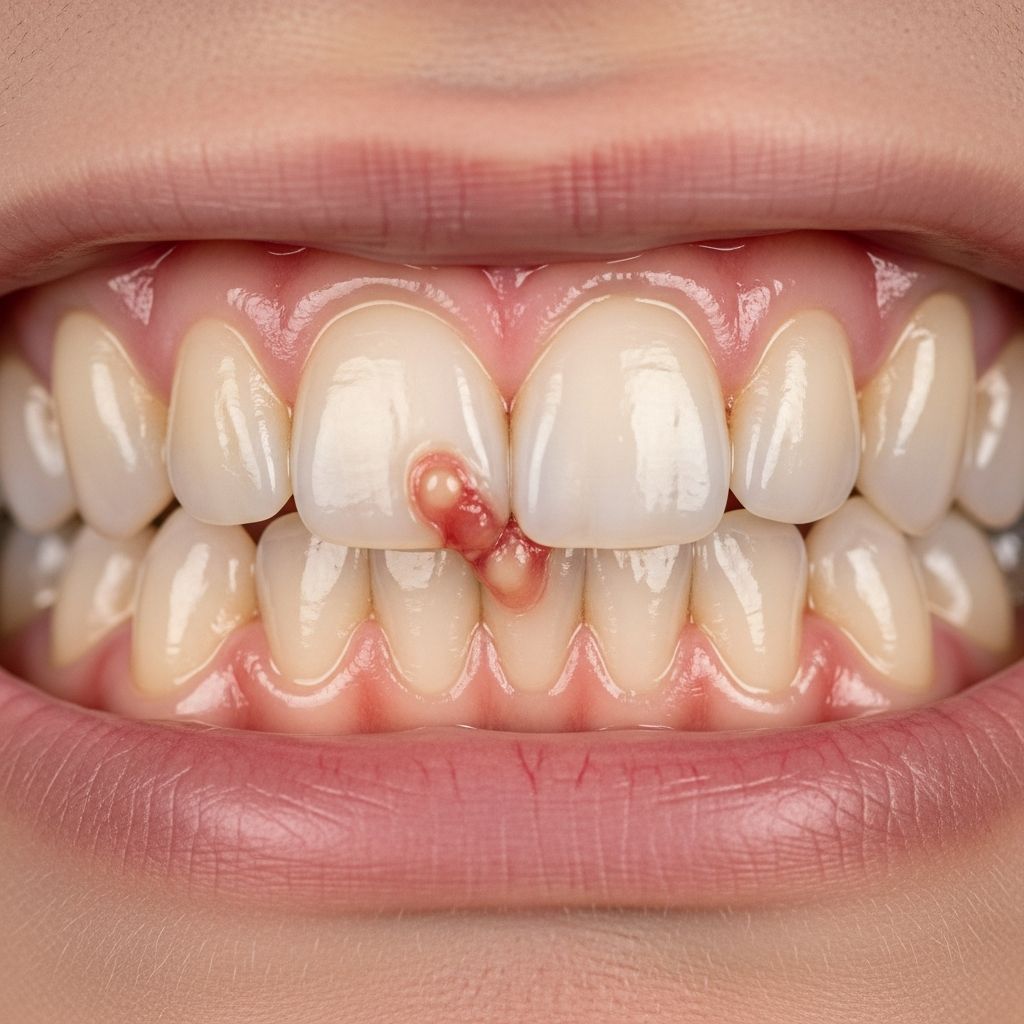
Gum cancer, also known as gingival squamous cell carcinoma, is a rare type of oral cancer that develops in the tissues of the gums. It is a subset of head and neck cancers and is most commonly diagnosed in middle-aged and older adults. Gum cancer is aggressive and can spread quickly if not detected early. Early diagnosis is crucial for successful treatment and improved outcomes.
Symptoms of Gum Cancer
Gum cancer symptoms can be subtle and may mimic other gum diseases, such as gingivitis. Common symptoms include:
- Bleeding gums, especially while eating or brushing teeth
- Pain in the gums
- White or red patches along the gum line
- Unexplained mouth sores that do not heal
- Poor-fitting dentures due to swelling
- Ear pain
- Thickening or lumps in the gums
- Difficulty swallowing or speaking
If any of these symptoms persist for more than two weeks, it is important to consult a healthcare professional for evaluation.
Causes and Risk Factors
The exact cause of gum cancer is not fully understood, but several risk factors have been identified:
- Tobacco use (smoking or chewing)
- Excessive alcohol consumption
- Poor oral hygiene
- Human papillomavirus (HPV) infection
- Age (more common in older adults)
- Family history of oral cancer
Leukoplakia, a condition characterized by white patches in the mouth, is also a risk factor for gum cancer. If left untreated, leukoplakia can develop into squamous cell carcinoma in some cases.
Diagnosis of Gum Cancer
Diagnosing gum cancer typically involves a combination of clinical examination and diagnostic tests:
- Physical examination of the mouth and gums
- Biopsy of suspicious tissue
- Imaging tests (such as X-rays, CT scans, or MRI) to assess the extent of the cancer
- Endoscopy to examine the throat and other areas of the mouth
Early diagnosis is critical for effective treatment and better outcomes.
Treatment Options for Gum Cancer
Treatment for gum cancer depends on the stage and extent of the disease. Common treatment options include:
- Surgery: Removal of the tumor and possibly affected lymph nodes. For upper gum cancer, maxillectomy may be performed. For lower gum cancer, mandibulectomy and neck dissection may be necessary.
- Radiation Therapy: High-power beams of energy are used to target and destroy cancer cells. Radiation may be used alone or in combination with surgery.
- Chemotherapy: Strong medicines are used to kill cancer cells. Chemotherapy is often used after surgery to eliminate any remaining cancer cells and reduce the risk of recurrence.
- Targeted Therapy: Medications that specifically target cancer cells are used in cases where other treatments are not effective.
- Immunotherapy: Treatments that help the immune system attack cancer cells are sometimes used, especially for advanced cases.
The treatment plan is determined by a multidisciplinary team of specialists, including surgeons, oncologists, and dentists.
Goals of Gum Cancer Treatment
The primary goals of gum cancer treatment are:
- Cure the cancer
- Preserve the appearance and function of the mouth
- Prevent recurrence of the cancer
Reconstructive surgery may be required if large areas of tissue are removed during treatment.
Outlook and Prognosis
The outlook for gum cancer is generally favorable when the disease is detected early and treated promptly. Factors that influence prognosis include:
- Stage of the cancer at diagnosis
- Extent of spread to lymph nodes or other areas
- Response to treatment
- Overall health of the patient
Related Stories



Gum cancer that has spread to distant areas of the body has a poorer prognosis and is more difficult to treat.
Prevention and Risk Reduction
While not all cases of gum cancer can be prevented, certain lifestyle changes can reduce the risk:
- Avoid tobacco products
- Limited alcohol consumption
- Maintain good oral hygiene
- Regular dental checkups
- HPV vaccination
Regular dental exams are essential for early detection of gum cancer and other oral health issues.
Frequently Asked Questions (FAQs)
Q: What are the early signs of gum cancer?
A: Early signs include bleeding gums, pain, white or red patches, unexplained mouth sores, and poor-fitting dentures.
Q: Can gum cancer be cured?
A: Yes, gum cancer can be cured, especially when detected early and treated promptly.
Q: What are the main risk factors for gum cancer?
A: The main risk factors include tobacco use, excessive alcohol consumption, poor oral hygiene, HPV infection, and age.
Q: How is gum cancer diagnosed?
A: Diagnosis involves a physical examination, biopsy, imaging tests, and sometimes endoscopy.
Q: What are the treatment options for gum cancer?
A: Treatment options include surgery, radiation therapy, chemotherapy, targeted therapy, and immunotherapy.
Q: Can gum cancer spread to other parts of the body?
A: Yes, gum cancer can spread to lymph nodes and other areas of the body if not treated early.
References
- Gum Cancer: Symptoms, Treatment, and More — Healthline. 2023. https://www.healthline.com/health/cancer/gum-cancer
- Everything to Know About Gum Cancer — Healthgrades Health Library. 2023. https://resources.healthgrades.com/right-care/cancer/gum-cancer
- Gum Cancer: Symptoms and Treatment — Curaprox. 2023. https://curaprox.us/blog/post/gum-cancer-symptoms-and-treatment
- Gum Cancer — Memorial Sloan Kettering Cancer Center. 2023. https://www.mskcc.org/cancer-care/types/mouth/types-mouth/gum
- Mouth Cancer – Diagnosis and Treatment — Mayo Clinic. 2023. https://www.mayoclinic.org/diseases-conditions/mouth-cancer/diagnosis-treatment/drc-20351002
- Mouth Cancer – Symptoms and Causes — Mayo Clinic. 2023. https://www.mayoclinic.org/diseases-conditions/mouth-cancer/symptoms-causes/syc-20350997
- Oral Cancer: Causes, Symptoms & Treatment — Cleveland Clinic. 2023. https://my.clevelandclinic.org/health/diseases/11184-oral-cancer
- Cancer of the gums: 9 things to know — MD Anderson Cancer Center. 2023. https://www.mdanderson.org/cancerwise/cancer-of-the-gums–9-things-to-know.h00-159615489.html
Similar Articles








Read full bio of medha deb