Gum Recession: Causes, Prevention, Surgery & Treatment
Understanding gum recession: causes, symptoms, treatment options, and prevention strategies for optimal oral health.
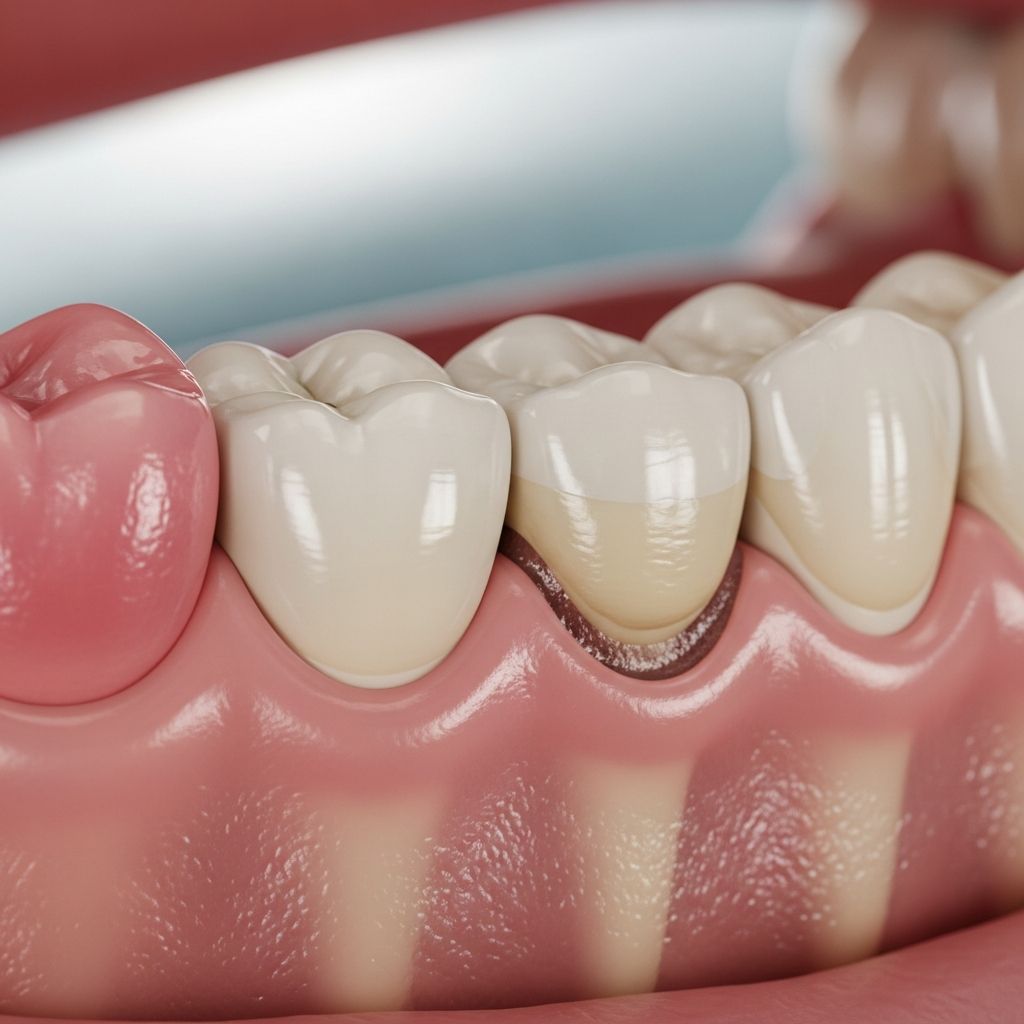
What Is Gum Recession?
Gum recession is a common dental condition in which your gum tissue gradually pulls away from your teeth, exposing the tooth roots underneath. This process exposes sensitive areas of your teeth that are typically protected by gum tissue, making them vulnerable to cavities and decay. When gums recede, they create a gap between the tooth and gum line, which can trap bacteria and lead to further complications if left untreated.
Gum recession is classified as a form of gum disease and can range from mild to severe. It may affect a single tooth or multiple teeth simultaneously. The condition is remarkably common among older adults, with approximately 88% of people over the age of 65 experiencing gum recession on one or more teeth.
Recognizing Signs and Symptoms of Gum Recession
The most obvious indicator of gum recession is visible tooth root exposure. Your teeth may appear longer than they used to, or you might notice that the roots are becoming visible. However, there are several other warning signs to watch for:
- Increased tooth sensitivity, particularly when brushing or consuming hot or cold foods and beverages
- Red, swollen, or tender gums
- Bleeding gums, especially during brushing or flossing
- A notch or indentation at the gum line
- Receding gum line that appears uneven across your teeth
- Tooth mobility or a feeling that your teeth are becoming loose or “wiggly”
If you notice any of these symptoms, it’s crucial to schedule an appointment with your dentist right away. Early detection and treatment can significantly prevent long-term complications.
Understanding the Causes of Gum Recession
Gum recession can develop for multiple reasons, and understanding these causes is essential for both prevention and treatment. The causes of gum recession include:
- Aggressive brushing: Brushing your teeth too hard or using a hard-bristled toothbrush can wear away gum tissue over time
- Poor oral hygiene: Inadequate brushing and flossing allows plaque and tartar buildup, which can irritate and damage gums
- Smoking and tobacco use: Tobacco products significantly increase the risk of gum disease and recession
- Genetic predisposition: Some people inherit thin gum tissue that is more susceptible to recession
- Periodontal disease: Advanced gum disease can lead to gum and bone loss
- Hormonal changes: Fluctuations during pregnancy, menopause, or other hormonal shifts can affect gum health
- Misaligned teeth: Crooked teeth or an improper bite can place excessive pressure on gums
- Trauma or injury: Physical injury to the mouth or teeth can damage gum tissue
- Certain medications: Some medications can reduce saliva production, increasing gum disease risk
While poor oral hygiene contributes to many cases of gum recession, it’s important to note that this isn’t always the primary cause. Many individuals have a genetic predisposition to thin gum tissue, meaning they may experience gum recession regardless of their oral hygiene practices. Regardless of the underlying cause, timely diagnosis and treatment are vital for preventing serious oral health complications.
Potential Complications of Untreated Gum Recession
When gum recession is left untreated, it can lead to serious oral health problems that extend beyond cosmetic concerns. The primary complications include:
- Bone loss: As gum tissue recedes, the underlying bone can deteriorate, weakening the support structure for your teeth
- Tooth mobility: Loss of bone and gum support can cause teeth to become loose or feel unstable
- Tooth loss: Severe, untreated gum recession can ultimately result in teeth falling out or requiring extraction
- Increased cavity risk: Exposed tooth roots are more susceptible to decay and cavity formation
- Root sensitivity: Exposed roots can become increasingly sensitive to temperature and pressure
- Aesthetic concerns: Progressive gum recession can affect your smile and self-confidence
Related Stories



How Your Dentist Diagnoses Gum Recession
Your dentist can identify gum recession during a routine dental examination. The diagnostic process involves several steps to assess the severity and extent of the condition. During your visit, your dentist will use a special instrument called a periodontal probe to measure the amount of gum recession on each tooth. This measurement helps determine the severity of your condition.
Since bone loss commonly occurs in areas of gum recession, your dentist will also measure the periodontal pockets around each tooth. These pockets are the spaces between your tooth and gum tissue. Healthy pockets typically measure between 1 and 3 millimeters. With gingivitis, pockets expand to around 4 millimeters, while periodontal disease causes pockets to measure 5 millimeters or deeper.
Your dentist may also take dental X-rays to visualize bone loss in detail and compare them with previous X-rays to assess how your oral structures have changed over time. This comprehensive evaluation allows your dentist to develop an appropriate treatment plan tailored to your specific situation.
Treatment Options for Gum Recession
Treatment for gum recession depends on several factors, including the underlying cause, the severity of the recession, and your overall oral health status. Mild cases may respond well to nonsurgical interventions, while moderate to severe cases typically require surgical intervention.
Nonsurgical Treatments
For mild gum recession, your dentist may recommend nonsurgical treatment approaches:
- Topical antibiotics: Antimicrobial medications applied directly to affected areas help reduce bacterial infection and inflammation
- Antimicrobial mouth rinses: Specialized rinses help control bacterial growth and support gum healing
- Dental bonding: Tooth-colored resin material can cover exposed root surfaces and improve appearance
- Orthodontic treatment: In cases where misalignment contributes to recession, orthodontics may help reposition teeth
- Scaling and root planing: Professional cleaning removes plaque and tartar from root surfaces and smooths rough areas
Surgical Treatment: Gum Grafting
Gum graft surgery represents the most predictable and long-lasting treatment option for gum recession. This procedure is typically performed by a periodontist, a dental specialist who focuses on gum and bone health. During gum grafting surgery, a periodontist replaces missing gum tissue with a graft.
The graft tissue is typically harvested from the roof of your mouth (palate), though it can occasionally come from sterilized human donor tissue obtained from a licensed bone and tissue bank. Once the graft is positioned correctly, your surgeon carefully stitches it into place using fine sutures.
Several different types of gum grafting procedures exist, each with specific applications and advantages. Your surgeon can discuss which approach is most appropriate for your particular situation. Modern gum grafting procedures are minimally invasive, meaning they involve smaller incisions and less tissue trauma than traditional surgical methods.
Recovery After Gum Recession Surgery
Recovery time following gum grafting surgery depends on several factors, including the number of teeth treated, the source of the graft material, and the specific grafting technique used. In most cases, patients feel substantially better within approximately two weeks following their procedure.
Your surgeon will provide detailed postoperative instructions that you should follow carefully to ensure a comfortable and successful recovery. These instructions typically include guidance on:
- Pain management and medication use
- Dietary restrictions and recommendations
- Oral hygiene practices during healing
- Activity restrictions
- Signs of complications to watch for
- Follow-up appointment scheduling
Adhering closely to these instructions is essential for optimal healing and long-term success of the graft.
Can Gum Recession Be Reversed?
It’s important to understand that gum recession cannot be completely reversed or cured. Once your gum tissue has receded and the underlying bone has been lost, that tissue and bone do not naturally regenerate. However, gum recession can be successfully managed and prevented from worsening with appropriate treatment and consistent oral care.
Surgical interventions like gum grafting can restore gum coverage and prevent further recession, but they work by adding new tissue rather than regenerating lost tissue. With proper treatment and diligent home care, you can maintain the health of your remaining gum tissue and prevent additional recession.
Prevention Strategies for Gum Recession
While gum recession cannot always be prevented, particularly if you have a genetic predisposition to thin gum tissue, you can significantly reduce your risk of infection-related gum recession through proper oral care and lifestyle choices:
- Brush gently: Use a soft-bristled toothbrush and employ gentle brushing techniques to avoid damaging gum tissue
- Maintain excellent oral hygiene: Brush twice daily and floss daily to remove plaque and prevent gum disease
- Quit smoking: Tobacco use dramatically increases gum disease risk; quitting significantly improves gum health
- Manage stress: Chronic stress can weaken immune function and increase gum disease susceptibility
- Attend regular dental checkups: Professional cleanings and examinations help detect problems early
- Address teeth grinding: If you grind your teeth, discuss options like a night guard with your dentist
- Maintain balanced nutrition: A diet rich in vitamins and minerals supports gum and bone health
- Control hormonal changes: Be especially attentive to gum health during pregnancy and menopause
Frequently Asked Questions About Gum Recession
Q: Is gum recession a sign of gum disease?
A: Yes, gum recession is a form of gum disease. While it can result from aggressive brushing or trauma, it often indicates periodontal disease. If you notice gum recession, consult your dentist for proper evaluation and treatment.
Q: How quickly does gum recession develop?
A: Gum recession typically develops gradually over time. The rate depends on the underlying cause and individual factors. Some people progress slowly, while others experience more rapid recession. Early intervention can slow or halt progression.
Q: Can gum recession be prevented if it runs in my family?
A: While genetic predisposition to thin gums increases your risk, you can still reduce your chances of infection-related recession through excellent oral hygiene, gentle brushing, not smoking, and regular dental care.
Q: Will my teeth become loose after gum recession?
A: Untreated gum recession can lead to bone loss, which may eventually cause tooth mobility. However, with prompt diagnosis and appropriate treatment, you can prevent this progression and maintain tooth stability.
Q: How long does gum graft surgery last?
A: Gum grafts can provide long-lasting results when properly maintained. With good oral hygiene and appropriate care, grafted tissue can remain stable for many years. However, additional recession can occur in other areas if underlying causes aren’t addressed.
Q: What should I eat after gum grafting surgery?
A: After gum grafting, stick to soft, cool foods for the first week or two. Avoid hot, spicy, crunchy, or hard foods that could irritate the surgical site. Your surgeon will provide specific dietary guidelines.
Q: Can I brush my teeth normally after gum graft surgery?
A: No, you’ll need to modify your oral hygiene routine during recovery. Your surgeon will provide specific instructions on when and how to resume normal brushing. Initially, you may need to avoid brushing the grafted area entirely.
References
- Gum Recession: Causes, Prevention, Surgery & Treatment — Cleveland Clinic. 2022-04-14. https://my.clevelandclinic.org/health/diseases/22753-gum-recession
- Periodontal Disease (Gum Disease): Causes, Symptoms & Treatment — Cleveland Clinic. https://my.clevelandclinic.org/health/diseases/21482-gum-periodontal-disease
- Gum Disease Treatment — Cleveland Clinic. https://my.clevelandclinic.org/health/treatments/10907-gum-disease-treatment
- Can You Regrow Your Gums After Gum Recession? — Sensodyne. https://www.sensodyne.com/en-us/oral-health-tips/can-you-regrow-gums/
- Risks of Neglecting Your Oral Health — Cleveland Clinic Newsroom. 2025-01-13. https://newsroom.clevelandclinic.org/2025/01/13/risks-of-neglecting-your-oral-health
- Oral Hygiene: Best Practices & Instructions for Good Routine — Cleveland Clinic. https://my.clevelandclinic.org/health/treatments/16914-oral-hygiene
Similar Articles








Read full bio of medha deb