Gut Health And Weight Loss: 5 Effective Strategies
Discover how nurturing your gut microbiome can supercharge weight loss efforts and improve overall health through science-backed strategies.
The intricate relationship between
gut health
andweight loss
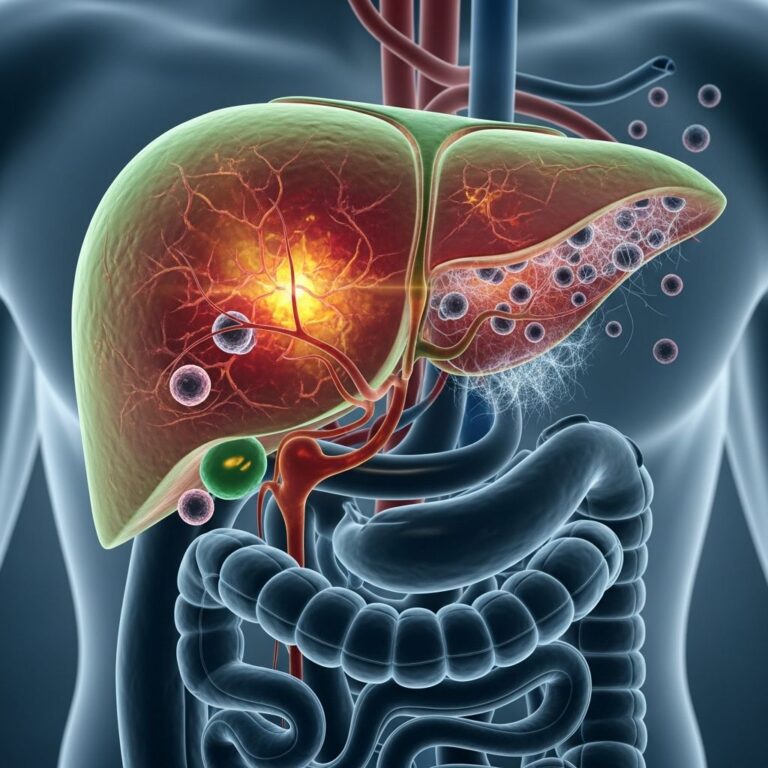
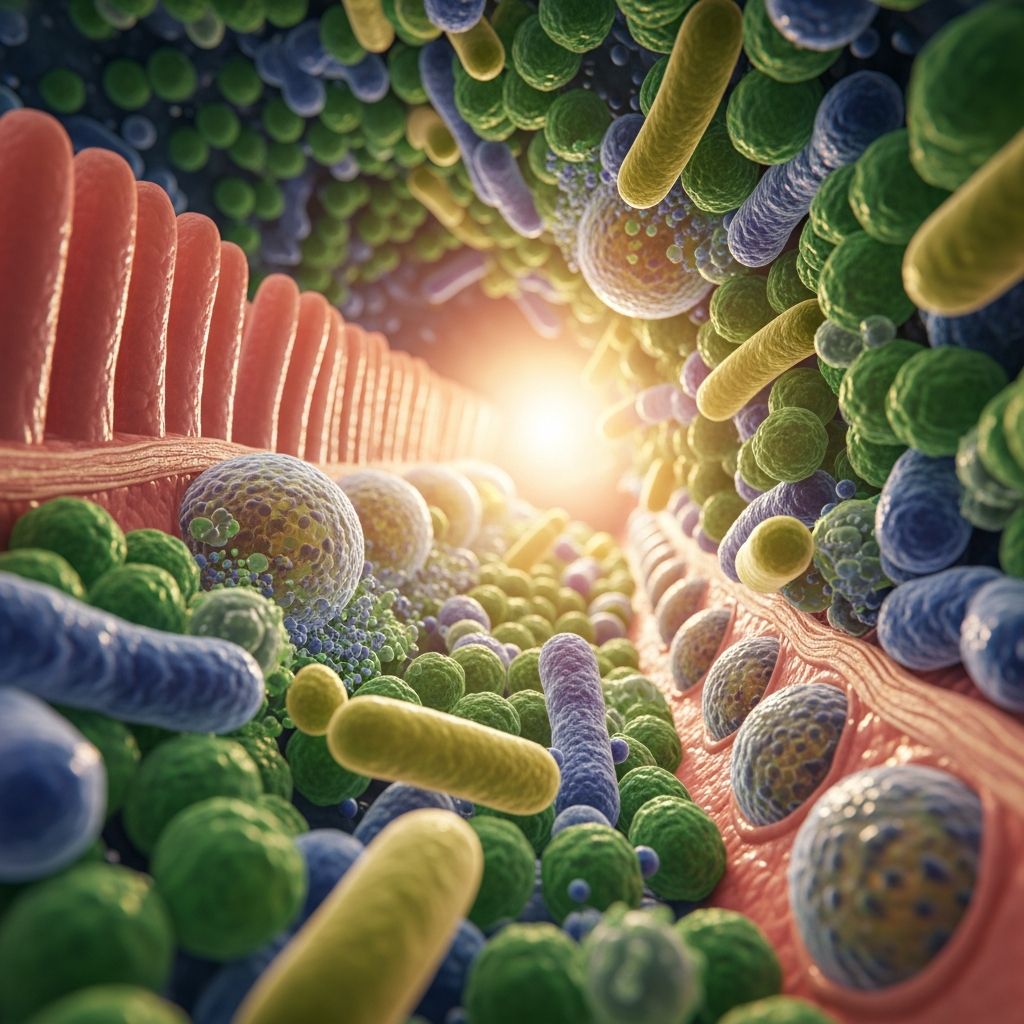
is transforming how we approach dieting and wellness. Your gut microbiome—trillions of bacteria, fungi, and other microbes living in your digestive tract—plays a pivotal role in metabolism, inflammation, hunger signals, and fat storage. Emerging research shows that a diverse, balanced microbiome can enhance weight loss efforts, curb cravings, and improve energy levels, making it a cornerstone for sustainable results.Unlike traditional calorie-counting diets that often fail long-term, focusing on gut health promotes lasting changes by addressing root causes like bacterial imbalances linked to obesity. Studies indicate people with obesity often have lower microbial diversity, which correlates with higher body fat and metabolic issues. By prioritizing gut-friendly foods and habits, you can foster ‘good’ bacteria that aid weight management naturally.
What Is the Gut Microbiome?
The
gut microbiome
refers to the vast community of microorganisms in your intestines, weighing about 2-4 pounds and containing more cells than the human body. It influences digestion, immune function, nutrient absorption, and even mood via the gut-brain axis. A healthy microbiome features highalpha-diversity
—a variety of species—that supports optimal health.Imbalances, or dysbiosis, occur from poor diet, antibiotics, stress, or inactivity, leading to inflammation, insulin resistance, and weight gain. For instance, lower diversity is common in obesity, with specific bacteria like *Prevotella* linked to easier fat loss on calorie-restricted diets. Restoring balance through diet can shift your microbiome toward profiles seen in lean individuals, potentially boosting metabolism and reducing belly fat.
How Does Gut Health Affect Weight?
Gut bacteria directly impact weight by breaking down fiber into
short-chain fatty acids (SCFAs)
like butyrate and propionate, which regulate appetite hormones such as GLP-1 and PYY, promoting fullness and curbing overeating. They also influence energy harvest from food—some microbes extract more calories from the same meal, contributing to fat storage.Research from ZOE shows ‘good’ gut bugs correlate with lower weight and visceral fat, while ‘bad’ ones link to higher obesity risk. Probiotic-rich diets enhance this, with unpublished data revealing 9.4 pounds lost in 3 months among participants following gut-healthy plans, plus reduced hunger. A meta-analysis confirms weight loss increases alpha-diversity and cuts intestinal permeability (leaky gut), following a dose-response pattern—greater loss yields bigger microbial shifts.
- **Metabolism boost:** Diverse microbes improve insulin sensitivity and fat burning.
- **Craving control:** SCFAs signal satiety to the brain.
- **Inflammation reduction:** Lower permeability decreases systemic inflammation tied to obesity.
- **Dose-response effect:** >5% body weight loss significantly alters microbiota.
Signs of Poor Gut Health That Hinder Weight Loss
Poor gut health manifests in ways that sabotage weight goals. Common signs include:
- Persistent bloating, gas, or irregular bowel movements from dysbiosis.
- Constant cravings for sugar, as imbalanced bacteria thrive on it.
- Fatigue and low energy, impairing workouts.
- Slow metabolism or plateaus despite dieting.
- Skin issues like acne or eczema from gut-driven inflammation.
These stem from low diversity and overgrowth of harmful bacteria, increasing calorie extraction and fat storage. Addressing them via microbiome support reverses these effects.
Related Stories



Best Foods for Gut Health and Weight Loss
To optimize your microbiome for weight loss, emphasize
prebiotic
(fiber that feeds good bacteria) andprobiotic
(live beneficial microbes) foods. Whole, plant-based options promote diversity while keeping calories in check.| Category | Examples | Benefits |
|---|---|---|
| Prebiotic-Rich | Garlic, onions, leeks, asparagus, oats, bananas | Feed *Bifidobacterium* and *Akkermansia*, boosting SCFAs. |
| Probiotic Ferments | Yogurt, kefir, sauerkraut, kimchi, miso | Introduce live cultures for diversity. |
| Fiber Powerhouses | Chia seeds, flaxseeds, berries, apples, broccoli | Promote satiety and microbial growth. |
| Healthy Fats | Olive oil, salmon, avocados, nuts | Omega-3s reduce inflammation. |
Incorporate a ‘rainbow’ of produce for polyphenols that support microbiota. Minimize processed foods, sugars, and fried items, which starve good bacteria and feed pathogens.
Gut Health Diet Tips for Weight Loss
Adopt a
Microbiome Diet
-inspired approach: three phases focusing on elimination, rebuilding, and maintenance. Key strategies:- Eat 30+ plant foods weekly: Boosts diversity dramatically.
- Prioritize fermented foods daily: Yogurt with berries or kimchi sides.
- Cook veggies: Easier digestion than raw for gut repair.
- Limit sugars/artificial sweeteners: They disrupt balance.
- Stay hydrated and active: Exercise diversifies microbes.
Sample day: Breakfast—oatmeal with kefir and berries; Lunch—salmon salad with olive oil; Dinner—stir-fried veggies with tempeh; Snack—apple with almonds. This yields fiber (25-30g/day) for fullness and microbial health.
Probiotics and Prebiotics: Do They Help with Weight?
**Probiotics** are live microbes conferring benefits; strains like *Lactobacillus* and *Bifidobacterium* may aid modest weight loss (1-2kg over 12 weeks) by improving gut barrier and metabolism.
Prebiotics
like inulin fuel them, enhancing effects.Evidence is promising but mixed—combine with diet for best results. ZOE links specific bugs like *Prevotella copri* to lower insulin and fat. Consult a doctor before supplements.
Sample 7-Day Gut-Healthy Meal Plan for Weight Loss
This 1,500-1,800 calorie plan emphasizes microbiome boosters for ~1-2lb weekly loss.
- Day 1: B: Greek yogurt parfait (berries, chia). L: Quinoa salad (garlic dressing, chickpeas). D: Baked salmon, steamed broccoli. Snack: Kefir.
- Day 2: B: Overnight oats (banana, flax). L: Lentil soup (onions, leeks). D: Stir-fry tofu, asparagus. Snack: Sauerkraut.
- Day 3: B: Smoothie (kefir, spinach, apple). L: Turkey wrap (whole grain, avocado). D: Grilled chicken, kimchi slaw. Snack: Nuts.
- Day 4: B: Eggs with sauerkraut. L: Salmon salad. D: Veggie stir-fry (miso). Snack: Yogurt.
- Day 5: B: Chia pudding. L: Chickpea curry (garlic). D: Baked cod, Brussels sprouts. Snack: Berries.
- Day 6: B: Kefir bowl. L: Quinoa bowl. D: Tempeh stir-fry. Snack: Apple.
- Day 7: B: Oats. L: Soup. D: Salmon. Snack: Kefir.
Adjust portions; track fiber intake.
Frequently Asked Questions
Can improving gut health alone cause weight loss?
Yes, by enhancing metabolism and satiety, but combine with calorie control for optimal results.
How long to see gut health weight loss benefits?
Weeks to months; >5% loss triggers key microbial changes.
Are probiotics enough for gut-weight benefits?
They’re helpful but best with prebiotic foods and lifestyle changes.
What if I have digestive issues?
Consult a dietitian; start slow with cooked foods.
Does stress affect gut health and weight?
Yes, it promotes dysbiosis; manage with mindfulness.
This comprehensive approach to
gut health and weight loss
empowers sustainable transformation. Weight loss interventions consistently improve microbiome diversity and permeability, supporting a healthier profile akin to lean individuals. Focus on whole foods, diversity, and consistency for lasting success.References
- The Microbiome Diet: Can It Restore Your Gut Health? — Healthline. 2023-05-15. https://www.healthline.com/nutrition/microbiome-diet
- Gut Health and Weight Loss: Do Gut Bacteria Play a Role? — ZOE. 2024-02-20. https://zoe.com/learn/gut-health-and-weight-loss
- What are the best foods for gut health & weight loss? — Fay Nutrition. 2023-11-10. https://www.faynutrition.com/post/best-foods-for-gut-health-weight-loss
- The association of weight loss with changes in the gut microbiota… — PMC/NCBI (Peer-reviewed). 2022-01-20. https://pmc.ncbi.nlm.nih.gov/articles/PMC8796717/
Similar Articles








Read full bio of medha deb