Gut Health Tips For Traveling: 8 Essential Strategies For 2025
Expert strategies to maintain digestive wellness and prevent common gut issues during trips.
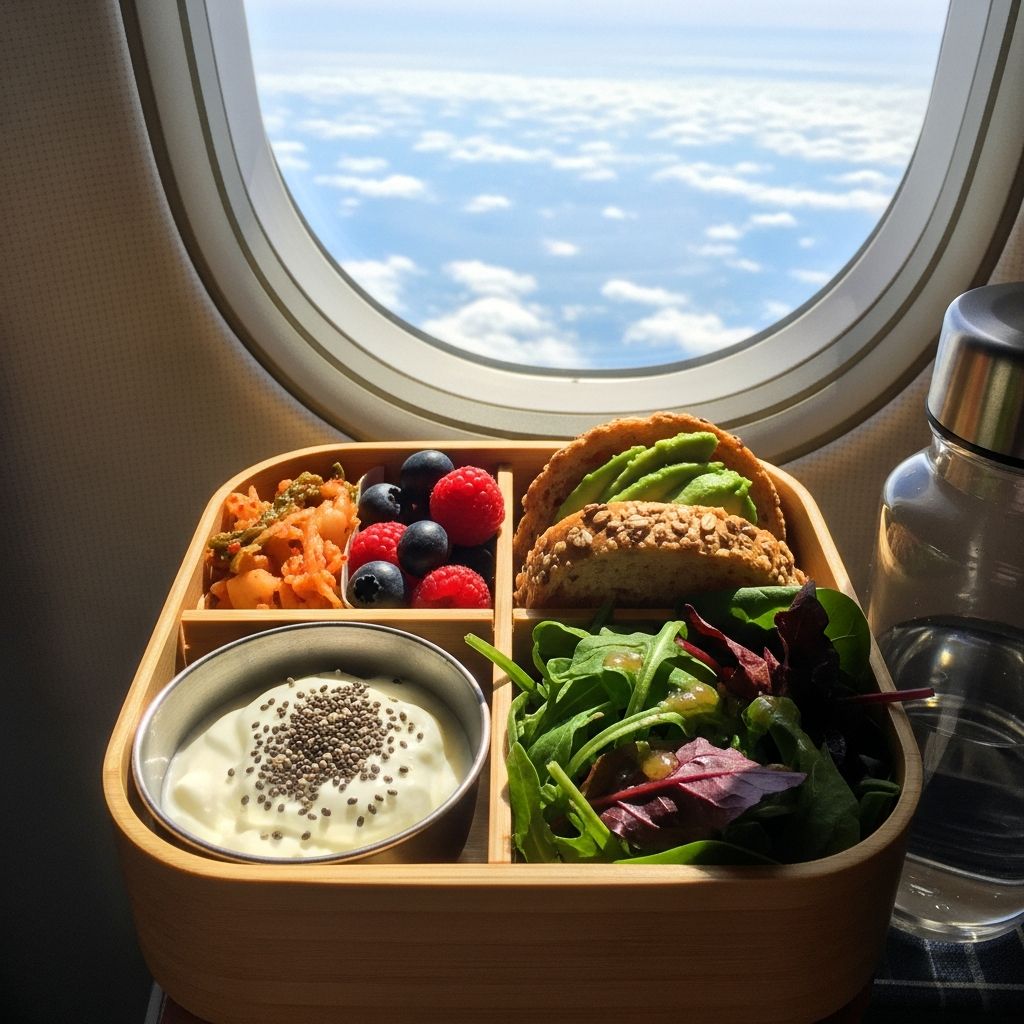
Traveling can disrupt your digestive system due to changes in routine, diet, hydration, and environment, often leading to issues like constipation, bloating, or traveler’s diarrhea. Maintaining gut health is essential for enjoying your trip without discomfort. This guide provides actionable strategies drawn from expert recommendations to keep your microbiome balanced and digestion smooth.
Why Travel Affects Your Gut
Air travel, jet lag, unfamiliar foods, and irregular schedules can alter gut microbiota and slow digestion. Dehydration from low cabin humidity and processed airport meals exacerbate problems, while stress impacts gut motility. Registered dietitians note that reduced fiber intake and sedentary periods during flights contribute to GI distress.
Proactive steps like prioritizing hydration and fiber can mitigate these effects, helping beneficial bacteria thrive and preventing common issues.
1. Stay Hydrated
Hydration is the foundation of gut health during travel. Dehydration slows digestion, leading to constipation, especially in dry airplane cabins or hot climates. Aim for at least eight glasses of water daily; carry a reusable bottle to refill post-security.
- Drink water regularly on flights to counter low humidity.
- Avoid excess caffeine and alcohol, which dehydrate further.
- For traveler’s diarrhea, extra water helps rehydrate quickly.
Experts like Ethan Balk from NYU emphasize water over electrolyte packets for most travelers.
2. Pack Probiotic-Rich Snacks
Probiotics support beneficial gut bacteria disrupted by travel. Pack shelf-stable options if refrigeration isn’t available.
- Yogurt, kefir, or cheese sticks (if cooled).
- Sauerkraut chips, dried seaweed, or probiotic supplements with at least 10 billion CFUs.
Start probiotics days before travel after consulting a doctor. They aid in balancing microbiota exposed to new bacteria.
3. Prioritize Fiber-Rich Foods
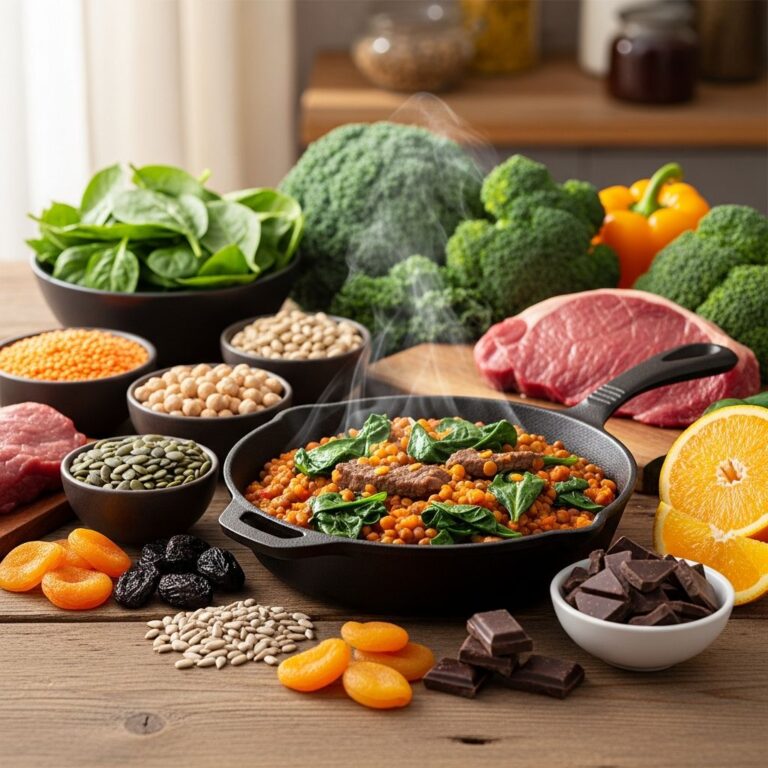
Fiber acts as a prebiotic, feeding good gut bacteria and promoting regularity. Aim for 20-30 grams daily despite tempting low-fiber options.
| High-Fiber Travel Foods | Fiber per Serving | Why It Helps |
|---|---|---|
| Apples (with skin) | 4-5g | Portable, hydrating prebiotic. |
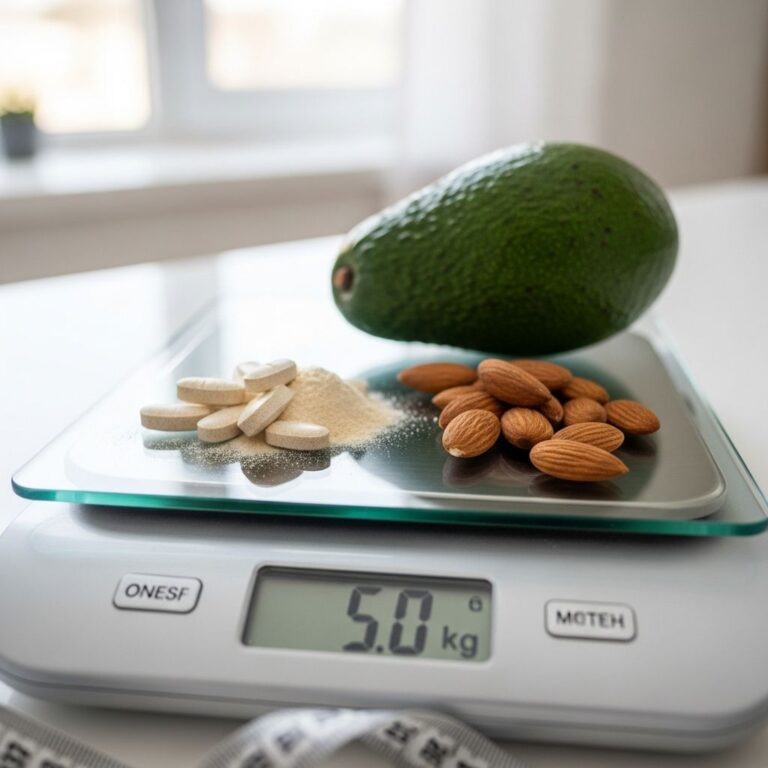
| Almonds | 3-4g (1 oz) | Shelf-stable snack. |
| Chia seeds | 10g (2 tbsp) | Mix into water for gel-like fiber. |
| Prunes | 3g (5 pieces) | Natural laxative effect. |
| Kiwi | 3g (1 fruit) | Easy to pack, digestion aid. |
Seek local markets for fresh fruits, vegetables, whole grains, and salads to balance indulgent meals.
4. Eat Smaller, Balanced Meals
Overeating strains digestion amid new cuisines. Opt for smaller, frequent meals to maintain energy and avoid bloating.
- Listen to hunger cues; sample mindfully.
- Balance with fiber, limit fat/salt/sugar from processed foods.
- Stick to familiar foods if sensitive; avoid high FODMAPs initially.
5. Maintain a Regular Eating Schedule
Irregular meals confuse your gut clock. Plan snacks to approximate normal times, even with jet lag.
Eating consistently supports circadian rhythms tied to digestion.
6. Be Cautious with Street Food and Hygiene
Street food offers culture but risks contamination. Choose busy vendors for fresh options; prefer thoroughly cooked items over raw.
Related Stories



- Wash hands frequently to prevent traveler’s diarrhea.
- Avoid touching face; use hand sanitizer.
7. Stay Active and Manage Stress
Sedentary travel stagnates the gut. Walk during layovers, stretch on planes, and explore destinations on foot.
Stress disrupts microbiota; practice deep breathing, meditation, or yoga.
- Daily movement prevents bloating and constipation.
8. Pack Over-the-Counter Remedies
Be prepared for issues: antidiarrheals (Imodium), Pepto-Bismol, antacids. Probiotics as noted earlier.
Consult providers for frequent travelers.
Post-Travel Gut Reset
Return to routine gradually to restore balance.
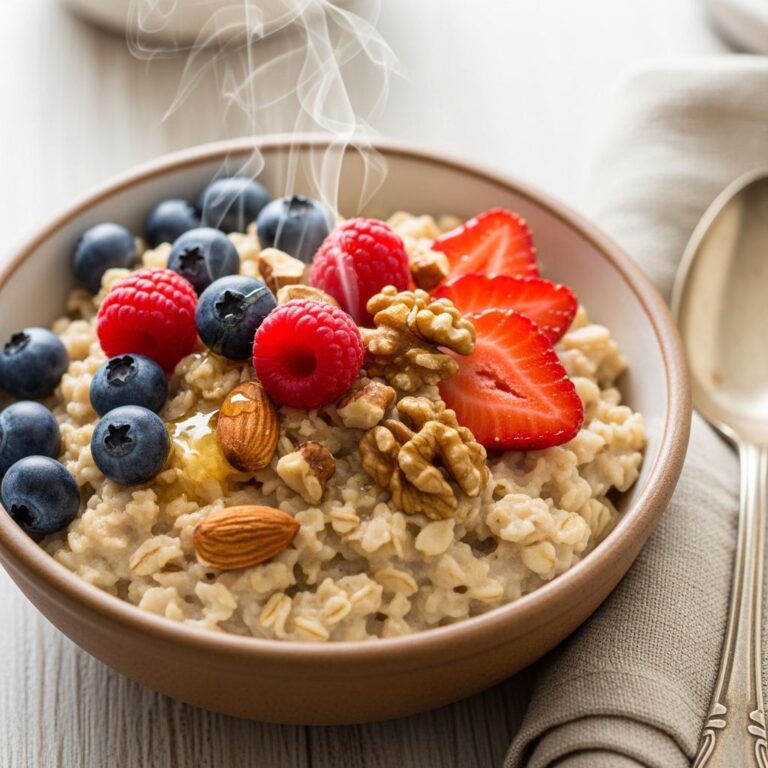
- Increase fiber: Whole grains (quinoa), veggies (broccoli), fruits (berries), legumes.
- Sleep 7+ hours: Regulates microbiota.
- Limit alcohol/smoking: Preserves bacteria diversity.
- Hydrate and move: Continue habits.
Frequently Asked Questions
What causes gut issues while traveling?
Changes in diet, hydration deficits, sleep disruption, stress, and new microbes lead to imbalance.
Do I need probiotics for every trip?
Beneficial if prone to issues; start pre-travel with 10B+ CFUs after doctor approval.
How much water during flights?
8+ ounces hourly; skip alcohol/caffeine.
Best fiber snacks for planes?
Apples, nuts, prunes, chia—portable and effective.
Can stress alone upset my gut?
Yes; it alters motility and microbiota—use relaxation techniques.
Listen to Your Body
Everyone’s gut responds uniquely. Adjust based on symptoms: lighter meals for bloating, more fiber for constipation. Trust personal cues for optimal health.
Consult healthcare professionals before new supplements, especially with conditions.
References
- 10 Tips for Gut Wellness While Travelling — Perkii Probiotics. 2023. https://www.perkii.com/blogs/news/10-tips-for-gut-wellness-while-travelling
- 5 expert tips to keep your gut healthy while traveling — Fortune Well. 2025-05-23. https://fortune.com/well/2025/05/23/travel-gut-health-expert-tips/
- 6 simple tips for a healthy gut on the go — Baylor Scott & White Health. 2024. https://www.bswhealth.com/blog/6-simple-tips-for-a-healthy-gut-on-the-go
- Staying Regular While Traveling — Needham Gastroenterology. 2023. https://www.needhamgastro.com/articles/staying-regular-while-traveling
Similar Articles








Read full bio of Sneha Tete