Gut-Healthy Breakfasts: 7 Quick Recipes In 5 Minutes
Quick and nutritious breakfast ideas to support digestive health and wellness.
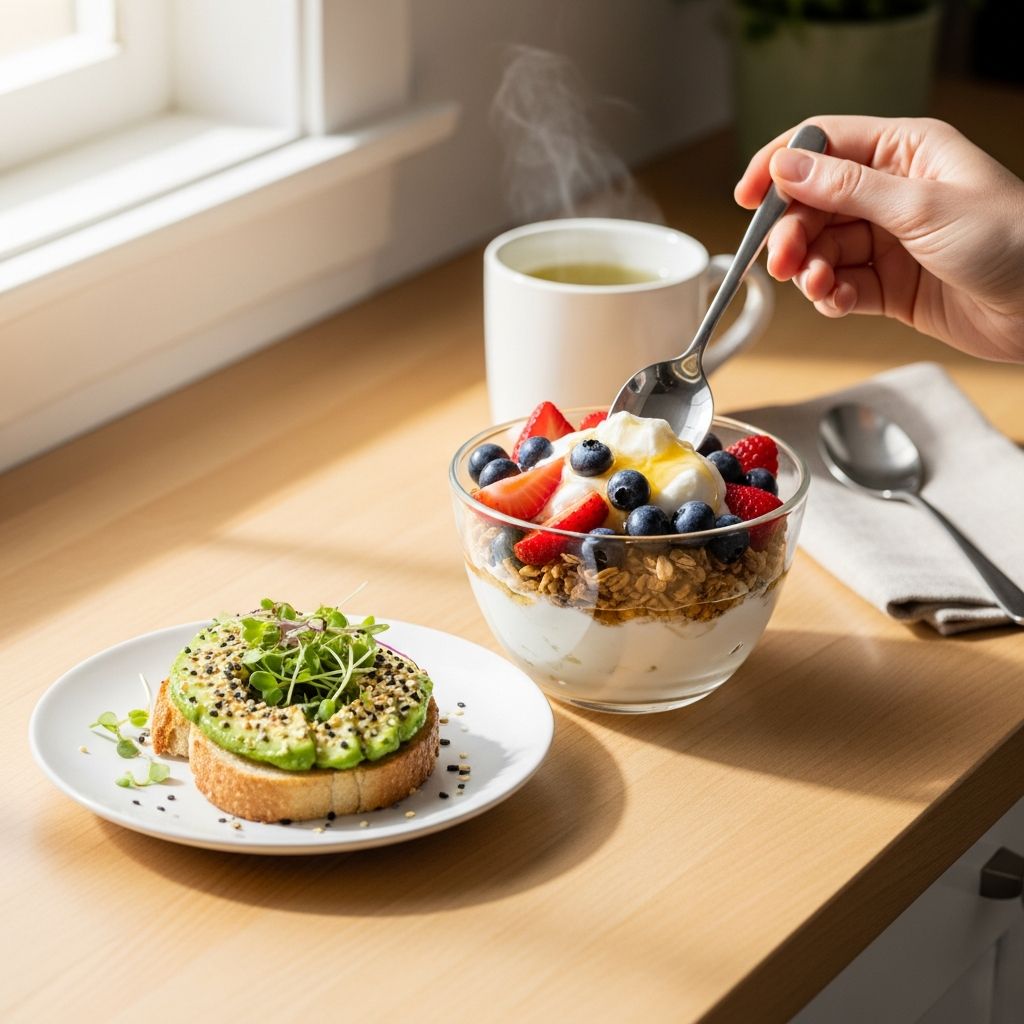
Starting your day with a gut-healthy breakfast is one of the most impactful decisions you can make for your overall wellness. Your digestive system plays a crucial role in nutrient absorption, immune function, and even mental health. When you prioritize gut health from the moment you wake up, you set a positive tone for the rest of your day. The challenge, however, is finding breakfast options that are both nutritious and quick enough to fit into a busy morning routine.
The good news is that you don’t need to spend hours in the kitchen to support your digestive system. With the right ingredients on hand and a few simple recipes, you can prepare delicious, gut-friendly breakfasts in just five minutes or less. These quick meals incorporate fiber-rich foods, probiotics, and other digestive-supporting nutrients that will keep you satisfied and energized throughout the morning.
Why Gut Health Matters
Your gut is home to trillions of microorganisms that make up your microbiome, a complex ecosystem that influences virtually every aspect of your health. A balanced microbiome supports digestion, enhances nutrient absorption, strengthens immune function, and even affects mood and cognitive performance. When your gut microbiome is out of balance—a condition known as dysbiosis—it can contribute to digestive issues, inflammation, and various health problems.
Breakfast is the perfect meal to begin rebuilding and maintaining a healthy gut. By choosing foods rich in probiotics, prebiotics, and fiber, you’re actively nourishing the beneficial bacteria in your digestive system. These microorganisms thrive on certain foods and compounds, and when well-fed, they produce beneficial metabolites that support your overall health.
Essential Ingredients for Gut-Healthy Breakfasts
Before diving into specific recipes, it’s helpful to stock your kitchen with the foundational ingredients that support gut health. These staples are versatile, shelf-stable, and can be combined in countless ways to create quick, nutritious breakfasts.
Probiotic Foods
- Greek yogurt: Contains live and active cultures that support beneficial gut bacteria
- Kefir: A fermented dairy product with even more probiotic varieties than yogurt
- Sauerkraut: Fermented cabbage rich in probiotics and enzymes
- Miso: A fermented soy paste that adds depth of flavor and probiotics
- Kombucha: Fermented tea packed with beneficial bacteria and acids
Fiber-Rich Foods
- Whole grains: Oats, barley, and quinoa provide soluble fiber that feeds good bacteria
- Berries: Blueberries, raspberries, and blackberries are high in fiber and antioxidants
- Chia seeds: Packed with soluble fiber and omega-3 fatty acids
- Flaxseeds: Excellent source of prebiotic fiber
- Vegetables: Leafy greens, carrots, and beets provide both fiber and phytonutrients
Prebiotic Foods
- Bananas: Resistant starch feeds beneficial bacteria
- Garlic: Contains inulin, a prebiotic compound
- Onions: Rich in fructooligosaccharides that support gut bacteria
- Asparagus: Natural prebiotic that nourishes good bacteria
- Honey: Raw honey contains prebiotic compounds
5-Minute Gut-Healthy Breakfast Recipes
Greek Yogurt Parfait with Berries and Granola
This classic combination takes less than five minutes to assemble and provides an excellent balance of probiotics, fiber, and protein.
Ingredients:
- 1 cup plain Greek yogurt
- ½ cup mixed berries (fresh or frozen)
- ¼ cup granola (preferably whole grain)
- 1 tablespoon raw honey
- 1 tablespoon chopped nuts or seeds
Instructions: Layer Greek yogurt in a bowl, top with berries, granola, and nuts. Drizzle with honey and serve immediately. The probiotics in the yogurt combine with the fiber from berries and the prebiotic compounds in honey for comprehensive digestive support.
Related Stories



Overnight Oats with Chia Seeds
While technically prepared the night before, overnight oats require only five minutes of active preparation time and are perfect for busy mornings.
Ingredients:
- ½ cup rolled oats
- ½ cup unsweetened almond milk
- ½ cup kefir or Greek yogurt
- 1 tablespoon chia seeds
- ½ banana, sliced
- 1 teaspoon vanilla extract
Instructions: Combine oats, almond milk, kefir, chia seeds, and vanilla in a jar. Stir well, cover, and refrigerate overnight. In the morning, add a splash of milk if needed to reach desired consistency, top with banana slices, and enjoy. This recipe provides soluble fiber from oats, probiotics from kefir, and additional fiber from chia seeds.
Smoothie Bowl with Gut-Boosting Toppings
A smoothie bowl is a nutrient-dense breakfast that can be customized with various gut-healthy ingredients.
Ingredients:
- 1 frozen banana
- ½ cup frozen blueberries
- ½ cup Greek yogurt
- ¼ cup kombucha or coconut water
- Toppings: granola, coconut flakes, berries, flaxseeds
Instructions: Blend frozen banana, blueberries, Greek yogurt, and kombucha until thick but spoonable. Pour into a bowl and arrange toppings. This breakfast combines the probiotic benefits of both yogurt and kombucha with antioxidants and fiber from berries.
Whole Grain Toast with Mashed Avocado and Egg
This simple yet satisfying breakfast combines prebiotic and probiotic elements with quality protein.
Ingredients:
- 2 slices whole grain bread, toasted
- ½ avocado, mashed
- 1 or 2 fried or poached eggs
- ¼ teaspoon sea salt
- Red pepper flakes and fresh herbs to taste
Instructions: Toast bread while preparing eggs. Spread mashed avocado on toast, top with eggs, and season with salt, pepper flakes, and herbs. The whole grain provides prebiotic fiber, while the egg offers protein and choline, which supports digestive function.
Smoothie with Spinach and Probiotics
A green smoothie packed with probiotics and nutrients can be prepared in just a few minutes.
Ingredients:
- 1 cup fresh spinach
- 1 green apple, chopped
- ½ frozen banana
- ½ cup Greek yogurt
- ½ cup unsweetened almond milk
- 1 tablespoon ground flaxseed
Instructions: Blend all ingredients until smooth. Serve immediately. This smoothie provides probiotics from yogurt, prebiotic fiber from apple and flaxseed, and phytonutrients from spinach.
Cottage Cheese Bowl with Fruit and Nuts
Cottage cheese is an underrated probiotic breakfast option that’s ready to serve straight from the container.
Ingredients:
- 1 cup cottage cheese
- ½ cup mixed berries
- ¼ cup sliced almonds
- 1 tablespoon raw honey
- Pinch of cinnamon
Instructions: Spoon cottage cheese into a bowl, top with berries and almonds, drizzle with honey, and sprinkle with cinnamon. This breakfast combines protein, probiotics, and fiber in a quick, satisfying meal.
Sauerkraut and Egg Scramble
For those seeking a savory, probiotic-rich breakfast, this scramble is both quick and delicious.
Ingredients:
- 2 eggs
- ¼ cup sauerkraut
- 1 slice whole grain toast
- 1 tablespoon butter or olive oil
- Salt and pepper to taste
Instructions: Heat butter in a skillet, add beaten eggs and sauerkraut, scramble until cooked through. Serve with whole grain toast. Sauerkraut provides potent probiotics and beneficial enzymes that enhance digestion.
Tips for Success
Prep Ahead: Chop vegetables, portion nuts and seeds into small containers, and prepare overnight oats in batches on weekends. This preparation ensures you have everything ready for five-minute assembly during the week.
Keep Frozen Fruits on Hand: Frozen berries and bananas are convenient, affordable, and retain all their nutritional value. They’re perfect for smoothies and can be thawed quickly.
Choose Quality Probiotics: Look for yogurt and fermented foods with live and active cultures. The label should list multiple bacterial strains for maximum benefit.
Combine Probiotics and Prebiotics: For optimal gut health, pair probiotic foods with prebiotic fibers. This combination ensures that beneficial bacteria have the fuel they need to thrive.
Stay Hydrated: Begin your morning with a glass of water before eating breakfast. Proper hydration supports digestive function and overall wellness.
Frequently Asked Questions
Q: How long does it take for gut-healthy foods to improve digestion?
A: Most people notice improvements in digestion within 2-4 weeks of consistently eating gut-healthy foods. However, lasting changes to your microbiome can take 2-3 months of sustained dietary changes. Individual results vary based on baseline health, lifestyle factors, and overall diet quality.
Q: Can I prepare these breakfasts on weekends for weekday eating?
A: Yes, overnight oats, smoothie bases, and grain bowls can be prepared in advance. Store them in airtight containers in the refrigerator for up to 4 days. Fresh yogurt parfaits are best assembled fresh to maintain texture, but components can be prepped ahead.
Q: Are there non-dairy probiotic breakfast options?
A: Absolutely. Options include coconut yogurt, almond-based yogurts with added probiotics, sauerkraut, tempeh, miso, and kombucha. Many plant-based alternatives now include live and active cultures similar to dairy options.
Q: What if I’m sensitive to certain fermented foods?
A: Start with small portions of fermented foods and gradually increase intake. If you experience digestive discomfort, try different fermented options or focus on prebiotic fiber instead. Consult a healthcare provider if symptoms persist.
Q: Can children eat these gut-healthy breakfasts?
A: Most of these recipes are family-friendly and appropriate for children. Probiotics and fiber support children’s digestive development. Adjust portion sizes based on age, and introduce fermented foods gradually to young children’s diets.
Q: How much fiber should I aim for at breakfast?
A: Aim for 5-10 grams of fiber at breakfast as part of a total daily intake of 25-35 grams. This amount supports satiety, stable blood sugar, and optimal gut health without causing digestive discomfort.
References
- The Role of Microbiota in Gastrointestinal and Metabolic Health — National Institutes of Health, National Center for Biotechnology Information. 2023. https://www.ncbi.nlm.nih.gov/
- Prebiotics: Definition, Types, Sources, Mechanisms, and Research — Frontiers in Nutrition. 2024. https://doi.org/10.3389/fnut.2024.1350789
- Probiotics and Digestive Health: Clinical and Mechanistic Insights — American Journal of Clinical Nutrition. 2023. https://www.ncbi.nlm.nih.gov/pubmed/
- Dietary Fiber and Gut Microbiome: A Systematic Review — Nutrients. 2023. https://doi.org/10.3390/nu12030761
- Fermented Foods and Gut Health — Harvard School of Public Health. 2024. https://www.hsph.harvard.edu/nutritionsource/
Similar Articles








Read full bio of medha deb