Gut-Healthy High-Protein Smoothie Recipes
Nourish your gut with delicious high-protein smoothies that support digestive health.
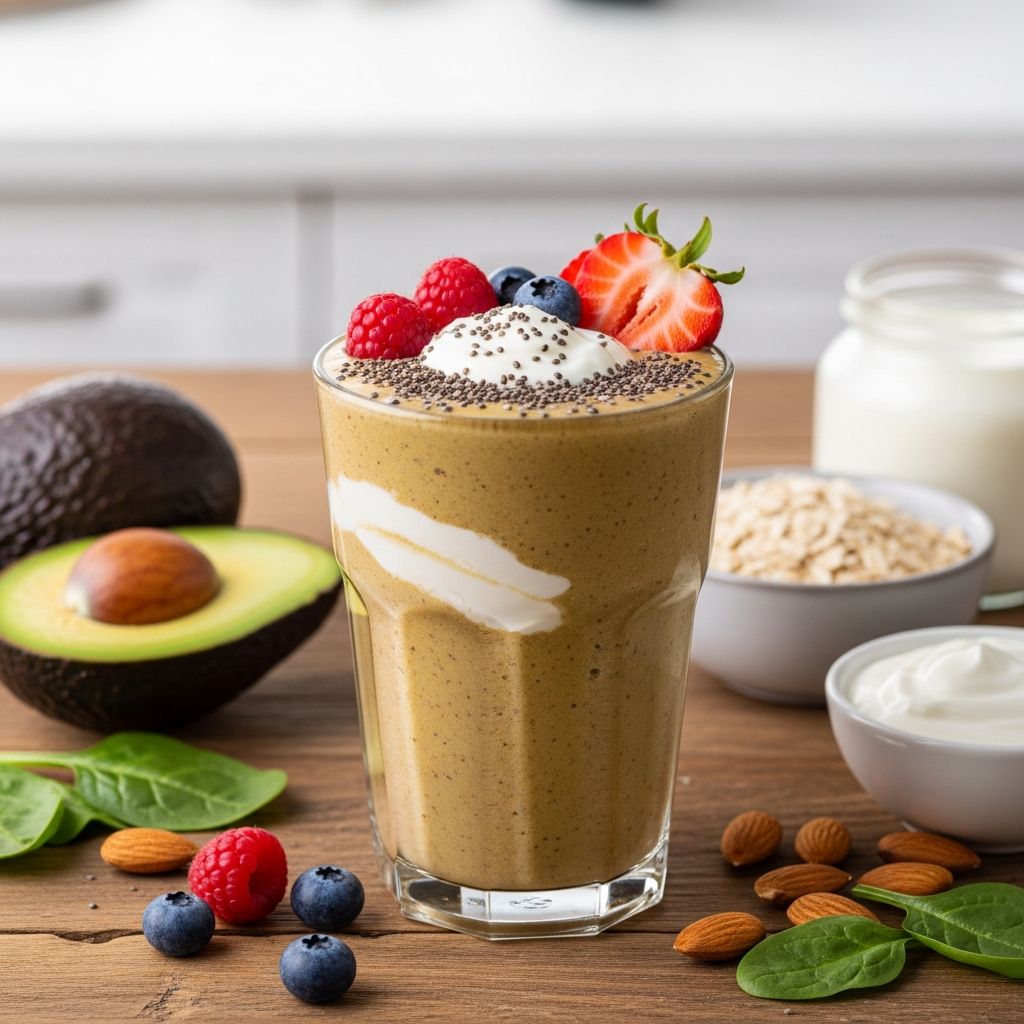
Smoothies are a convenient and delicious way to pack nutrients into a single glass. When formulated thoughtfully, they can become powerful tools for supporting gut health while delivering the protein your body needs for muscle maintenance, satiety, and metabolic function. Gut-healthy smoothies combine ingredients that nourish your digestive system with those that provide sustained energy and satiation, creating a nutritionally balanced beverage that supports your overall wellness goals.
The intersection of gut health and adequate protein intake is particularly important for maintaining a strong immune system, as much of our immunity originates in the digestive tract. By choosing smoothie ingredients that support beneficial gut bacteria while providing quality protein sources, you can create a beverage that works on multiple levels to support your health.
Why Gut Health Matters
Your gut microbiome—the community of trillions of microorganisms living in your digestive system—plays a critical role in immune function, nutrient absorption, mental health, and metabolic regulation. A diverse and balanced microbiome is essential for optimal health, and the foods you consume directly influence the composition and function of these microbial communities.
When your gut bacteria are in balance, they produce short-chain fatty acids that help maintain intestinal barrier integrity, reduce inflammation, and improve overall digestive efficiency. Conversely, an imbalanced microbiome—a condition called dysbiosis—has been linked to digestive issues, weakened immunity, and various chronic health conditions.
Key Benefits of Supporting Gut Health
- Enhanced immune function: Approximately 70% of your immune system is located in your gut, making digestive health fundamental to immunity
- Improved nutrient absorption: A healthy gut lining and balanced microbiome optimize the absorption of vitamins, minerals, and other essential nutrients
- Better digestive comfort: Supporting beneficial bacteria reduces bloating, gas, and other common digestive complaints
- Mental health support: The gut-brain axis means that gut health directly influences mood, anxiety levels, and cognitive function
- Metabolic regulation: Gut bacteria influence energy metabolism, blood sugar control, and weight management
The Importance of Protein in Smoothies
While gut health is essential, protein is equally important for maintaining lean muscle mass, supporting satiety, and providing the amino acids necessary for countless biological functions. Many people struggle to consume adequate protein throughout the day, and smoothies offer an excellent solution for filling protein gaps.
High-protein smoothies can serve as a complete meal replacement or substantial snack that keeps you satisfied between meals. The protein helps slow down digestion and the absorption of carbohydrates, which stabilizes blood sugar levels and provides sustained energy. Additionally, adequate protein intake becomes increasingly important with age for preserving muscle mass and maintaining strength and mobility.
How Much Protein Do You Need?
The recommended dietary allowance (RDA) for protein is 0.8 grams per kilogram of body weight for sedentary adults, but many nutrition experts suggest that 1.0 to 1.2 grams per kilogram is more optimal for most people, particularly those over 40 or those engaged in regular physical activity. A well-formulated smoothie can contribute significantly to meeting your daily protein needs.
Related Stories



Key Ingredients for Gut-Healthy, High-Protein Smoothies
Creating the perfect gut-healthy, high-protein smoothie requires understanding which ingredients support digestive wellness while delivering protein and other essential nutrients.
Protein Sources
- Greek yogurt: Contains both protein and probiotics; choose unsweetened varieties to minimize added sugars
- Kefir: A fermented milk drink rich in probiotics and protein; offers a subtle tangy flavor
- Cottage cheese: High in protein and casein, which provides sustained amino acid release
- Plant-based protein powders: Options like pea, hemp, or pumpkin seed powders provide complete amino acid profiles for vegan smoothies
- Nut butters: Provide protein along with healthy fats that support nutrient absorption and satiety
- Seeds: Chia, flax, and hemp seeds deliver protein, fiber, and omega-3 fatty acids
Probiotic-Rich Ingredients
Probiotics are beneficial live bacteria that support gut health by maintaining microbial balance and promoting digestive function. Including fermented foods in your smoothies can enhance their gut-supporting properties.
- Yogurt and kefir: The fermentation process creates beneficial probiotic bacteria
- Miso paste: A fermented soy product that adds umami flavor while providing probiotics
- Kombucha: A fermented tea beverage that provides probiotics and organic acids
- Sauerkraut juice: The brine from fermented cabbage contains probiotics and can add a tangy note to savory smoothies
Fiber-Rich Ingredients
Dietary fiber is food for your gut bacteria—it serves as a prebiotic that feeds beneficial microorganisms and supports overall digestive health. Soluble fiber, in particular, is fermented by gut bacteria to produce short-chain fatty acids that provide fuel for intestinal cells.
- Oats: Contain beta-glucans, a type of soluble fiber that supports cholesterol and blood sugar management
- Ground flaxseed: High in both soluble and insoluble fiber; also contains lignans with potential anti-inflammatory properties
- Chia seeds: Provide substantial soluble fiber that absorbs liquid and promotes digestive regularity
- Berries: Rich in fiber and polyphenols; support beneficial bacteria growth and provide antioxidants
- Leafy greens: Spinach, kale, and other greens provide fiber, nutrients, and phytonutrients without adding significant calories
- Banana: Contains resistant starch when slightly green, which acts as a prebiotic
Additional Beneficial Ingredients
- Ginger: Supports digestive comfort and has anti-inflammatory properties
- Turmeric: Contains curcumin, a compound with potent anti-inflammatory and antioxidant effects
- Cinnamon: May help support healthy blood sugar levels and add natural sweetness
- Green tea: Provides polyphenols that support beneficial bacteria while offering gentle caffeine for energy
- Bone broth: Rich in collagen and amino acids that support gut lining integrity
Essential Smoothie Guidelines
Balancing Your Ingredients
A gut-healthy, high-protein smoothie should balance macronutrients appropriately. Aim for a ratio that includes:
- 15-30 grams of protein per serving
- 5-10 grams of fiber from fruits, vegetables, and seeds
- Healthy fats from nuts, seeds, or nut butters to slow digestion and improve satiety
- Complex carbohydrates from fruits, oats, or vegetables for sustained energy
Liquid Selection
The liquid base you choose significantly impacts both flavor and nutritional content. Consider these options:
- Unsweetened almond milk: Low-calorie and neutral-flavored; fortified varieties provide added nutrients
- Coconut milk: Provides healthy medium-chain triglycerides; use light versions to reduce saturated fat
- Bone broth: Adds protein and supports gut health; savory option for more inventive smoothie bowls
- Filtered water: The lightest option; allows other ingredients to shine
Sweetening Naturally
Rather than relying on added sugars, use natural sweetening options that complement your smoothie’s nutritional profile:
- Ripe bananas and berries provide natural sweetness with fiber
- Dates or figs add sweetness and additional fiber
- Small amounts of honey or maple syrup provide sweetness and beneficial compounds
- Vanilla extract adds perceived sweetness without additional sugars
Sample Gut-Healthy High-Protein Smoothie Recipes
Recipe 1: Probiotic Berry Blast
Ingredients:
- 1 cup unsweetened Greek yogurt
- 1 cup mixed berries (blueberries, raspberries, blackberries)
- 1 tablespoon ground flaxseed
- 1 tablespoon raw almonds
- 1/2 cup unsweetened almond milk
- 1/2 frozen banana
- 1 teaspoon raw honey
Instructions: Combine all ingredients in a blender and blend until smooth. The berries provide fiber and polyphenols, the Greek yogurt delivers protein and probiotics, and the flaxseed and almonds contribute additional fiber and healthy fats.
Nutritional highlights: Approximately 18g protein, 8g fiber, and 200 calories per serving.
Recipe 2: Green Digestive Support
Ingredients:
- 1/2 cup plain kefir
- 1 cup fresh spinach
- 1/2 ripe avocado
- 1/2 cup pineapple chunks
- 1 tablespoon hemp seeds
- 1/2 inch fresh ginger, peeled
- 3/4 cup unsweetened coconut milk
Instructions: Blend all ingredients until creamy. The kefir provides probiotics, spinach adds minerals and fiber, avocado supplies healthy fats and supports nutrient absorption, and ginger aids digestive comfort.
Nutritional highlights: Approximately 16g protein, 7g fiber, and 280 calories per serving.
Recipe 3: Protein-Packed Overnight Oat Smoothie
Ingredients:
- 1/2 cup old-fashioned oats
- 1 scoop vanilla plant-based protein powder
- 1 tablespoon almond butter
- 1 cup unsweetened almond milk
- 1/2 frozen banana
- 1/4 teaspoon cinnamon
- Pinch of sea salt
Instructions: Combine oats, protein powder, almond butter, and milk. Let sit overnight in the refrigerator if desired, then blend until smooth. The oats provide soluble fiber that feeds beneficial bacteria, while cinnamon may support healthy blood sugar levels.
Nutritional highlights: Approximately 22g protein, 6g fiber, and 310 calories per serving.
Frequently Asked Questions
Q: How often should I consume gut-healthy smoothies?
A: Smoothies can be consumed daily as part of a balanced diet. However, variety is important—rotate different recipes and ingredients to ensure diverse nutrient intake and diverse microbial support. Smoothies work best when combined with whole foods that provide additional fiber and nutrients.
Q: Can I make smoothies ahead of time?
A: While fresh smoothies offer optimal nutrient quality, you can prepare smoothie components in advance. Pre-portion dry ingredients and frozen fruits in freezer bags, then blend with liquid when ready. Store prepared smoothies in an airtight container for up to 24 hours, though nutrient content and probiotic viability may diminish over time. Avoid storing smoothies with added probiotics or fermented ingredients for extended periods.
Q: Are protein powders necessary for gut health?
A: No, protein powders are optional. You can achieve adequate protein through Greek yogurt, kefir, nut butters, seeds, or cottage cheese. However, quality plant-based protein powders can be convenient additions, particularly for vegan smoothies. Choose powders with minimal additives and third-party testing for quality assurance.
Q: Can smoothies cause digestive issues?
A: For some people, smoothies consumed in large quantities may cause bloating or digestive discomfort if they’re not accustomed to high fiber intake. Start with smaller portions and increase gradually. Ensure adequate hydration, as fiber requires sufficient water for optimal digestive function. If you experience persistent issues, consult with a healthcare provider or registered dietitian.
Q: How do I know if a smoothie is truly gut-healthy?
A: A gut-healthy smoothie should include: a probiotic source (yogurt, kefir, or fermented ingredient), at least 5g of fiber from whole food sources, quality protein, and minimal added sugars. The smoothie should leave you satisfied for 2-3 hours and support stable energy levels. Pay attention to how your digestive system responds—improved energy, better digestion, and regular bowel movements are positive indicators.
Q: What’s the difference between probiotics and prebiotics?
A: Probiotics are beneficial live microorganisms found in fermented foods like yogurt and kefir. Prebiotics are types of fiber that feed these beneficial bacteria, found in foods like bananas, oats, and onions. A truly gut-healthy smoothie includes both for optimal microbiome support.
Creating Your Personalized Smoothie Strategy
The best smoothie is one you’ll actually drink consistently. Consider your taste preferences, dietary restrictions, and specific health goals when developing your smoothie routine. If you have lactose intolerance, focus on kefir, which contains less lactose than regular yogurt, or choose plant-based alternatives. If you follow a vegan diet, select plant-based protein sources and choose non-dairy probiotic options like kombucha or fermented plant beverages.
Experiment with different combinations to discover which ingredients make you feel best. Keep a simple log of how different smoothies affect your energy levels, digestion, and overall wellbeing. This personalized approach ensures your smoothies provide maximum benefits for your unique body and health goals.
Final Thoughts
Gut-healthy, high-protein smoothies represent a delicious intersection of convenience and nutrition. By thoughtfully combining probiotic-rich ingredients, adequate protein sources, prebiotic fiber, and supportive anti-inflammatory compounds, you can create beverages that nourish your digestive system while supporting your broader health and fitness goals. Whether you’re looking for a quick breakfast, post-workout recovery drink, or satisfying snack, these smoothie recipes offer flexibility and nutrition in every sip.
References
- The Role of Gut Microbiota in Immune Homeostasis and Autoimmunity — National Institutes of Health (NIH). 2023. https://www.ncbi.nlm.nih.gov/pmc/articles/PMC10049956/
- Dietary Fiber and Prebiotics and the Gastrointestinal Microbiota — Molecular Nutrition & Food Research. 2022. https://onlinelibrary.wiley.com/doi/10.1002/mnfr.202100637
- Protein Dietary Reference Intake in Aging and Disease — Journal of the American College of Nutrition. 2021. https://www.tandfonline.com/doi/full/10.1080/07315724.2021.1947200
- Probiotics, Prebiotics, and Synbiotics: Clinical Efficacy and Molecular Mechanisms — Nutrients Journal. 2023. https://www.mdpi.com/2072-6643/12/4/1021
- Short-Chain Fatty Acids Produced by Gut Bacteria: A New Therapeutic Target in Intestinal Diseases — PLoS ONE. 2022. https://journals.plos.org/plosone/article?id=10.1371/journal.pone.0267992
Similar Articles








Read full bio of medha deb