Gut-Healthy Protein-Packed Salads: 20 Recipes For Digestion
Boost your gut health and protein intake with these delicious, nutrient-packed salad recipes designed for optimal digestion and satiety.
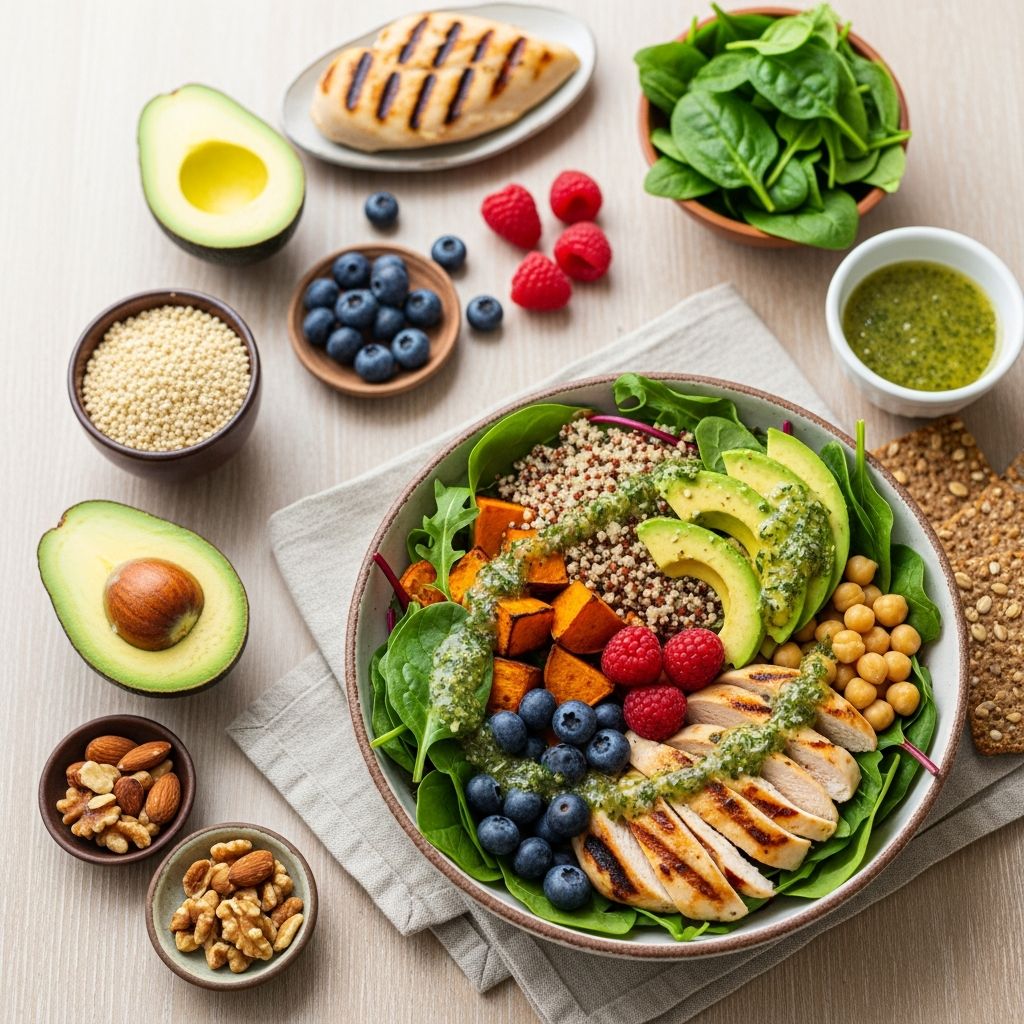
Salads are a cornerstone of any healthy diet, but not all salads are created equal. When designed with gut health in mind, they become powerful tools for nurturing your microbiome—the trillions of bacteria in your digestive system that influence everything from immunity to mood. These
gut-healthy salads
prioritize ingredients rich in prebiotics (fibers that feed good bacteria), probiotics (live beneficial microbes), and high-quality proteins to keep you satiated and support digestive regularity.High-protein salads, delivering at least 15-30 grams per serving, help maintain muscle mass, stabilize blood sugar, and curb hunger. According to the American Journal of Clinical Nutrition, protein-rich meals enhance satiety hormones like GLP-1, promoting weight management. Pairing this with gut-supportive foods like fermented veggies, legumes, and diverse fibers creates balanced, flavorful meals that taste great and feel even better.
In this collection of over 20 recipes, we’ve curated options for every palate—from vegan bean-based bowls to salmon-packed power salads. Each recipe includes approximate protein grams, prep time, and gut-health highlights. Whether you’re meal prepping for the week or seeking quick lunches, these salads make healthy eating effortless and delicious.
Why Protein + Gut Health = The Perfect Salad Combo
Protein is essential for repair and growth, but in salads, it transforms a side dish into a main event. Gut health thrives on variety: soluble fibers from oats and beans act as prebiotics, while yogurt and kimchi deliver probiotics. A study from the World Gastroenterology Organisation emphasizes that diverse plant-based fibers increase microbial diversity, reducing inflammation and boosting resilience against diseases like IBS.
- Prebiotics: Feed beneficial bacteria (e.g., garlic, onions, legumes).
- Probiotics: Introduce live cultures (e.g., kefir, sauerkraut).
- Polyphenols: Antioxidant compounds from berries and greens that modulate gut flora.
- Protein Sources: Eggs (6g each), chickpeas (15g/cup), salmon (25g/4oz), quinoa (8g/cup cooked).
Combining these ensures comprehensive gut support. Aim for 20-30g protein per salad to meet daily needs (0.8g/kg body weight per WHO guidelines).
1. Chickpea & Quinoa Power Bowl (25g Protein, 20 min)
This vegan powerhouse combines chickpeas’ prebiotic fiber with quinoa’s complete protein. Tahini dressing adds sesame seeds’ gut-loving lignans.
- 1 cup cooked quinoa
- 1 can chickpeas, drained
- 2 cups kale, massaged
- 1/2 avocado, sliced
- Dressing: Tahini, lemon, garlic
Toss and top with hemp seeds for omega-3s. Gut boost: Chickpeas’ resistant starch ferments into short-chain fatty acids, nourishing colon cells.
2. Greek Yogurt Chicken Salad (28g Protein, 15 min)
Probiotic-rich Greek yogurt replaces mayo, paired with chicken for lean protein. Cucumbers and dill provide hydration and antimicrobial benefits.
- 8oz grilled chicken breast
- 1 cup plain Greek yogurt
- 1 cucumber, diced
- 1/2 red onion, pickled
- Fresh dill and feta
Mix gently; serve over greens. Pro tip: Ferment onions for extra probiotics.
3. Salmon & Fermented Veggie Salad (30g Protein, 25 min)
Wild salmon’s omega-3s reduce gut inflammation, complemented by kimchi’s live cultures. Per NIH research, omega-3s enhance microbial diversity.
Related Stories



- 4oz baked salmon
- 1 cup mixed greens
- 1/2 cup kimchi or sauerkraut
- 1/2 cup edamame
- Ginger-soy dressing
Flake salmon atop; drizzle dressing.
4. Lentil & Beet Gut Booster (22g Protein, 30 min)
Lentils offer prebiotic galacto-oligosaccharides; beets’ betalains support detox. Roast for deeper flavor.
- 1 cup cooked lentils
- 2 roasted beets
- Arugula and goat cheese
- Walnuts and balsamic
Layer for a vibrant, earthy bowl.
5. Egg & Avocado Breakfast Salad (18g Protein, 10 min)
Hard-boiled eggs meet avocado’s fiber for a creamy, satiating start. Add rye bread croutons for whole grains.
- 2 hard-boiled eggs
- 1 avocado
- Spinach and radishes
- Lemon vinaigrette
Chop and combine—perfect for brunch.
6-10. More Quick Gut-Protein Salads
Expand your repertoire with these 15-minute wonders:
- Tuna White Bean Salad (26g): Canned tuna, cannellini beans, olives, parsley. Beans’ oligosaccharides fuel Bifidobacteria.
- Turkey & Apple Slaw (24g): Ground turkey, cabbage, apples, yogurt dressing. Cabbage ferments naturally.
- Black Bean Corn Fiesta (20g): Black beans, corn, cilantro, lime. Corn’s insoluble fiber aids motility.
- Tofu Kale Crunch (21g): Marinated tofu, kale, almonds, miso dressing. Miso’s probiotics shine.
- Shrimp & Quinoa (27g): Grilled shrimp, quinoa, bell peppers, feta.
Customizing Your Gut-Healthy Salads
Tailor recipes to your needs with these swaps:
| Base | Protein Boost | Gut Add-In | Flavor Twist |
|---|---|---|---|
| Leafy Greens | Grilled chicken (25g) | Sauerkraut (probiotic) | Citrus vinaigrette |
| Quinoa | Chickpeas (15g) | Garlic/onion (prebiotic) | Tahini |
| Kale | Eggs (12g) | Kefir dressing | Herbs |
| Arugula | Salmon (25g) | Berries (polyphenols) | Balsamic |
Proportions: 1/2 plate veggies, 1/4 protein, 1/4 healthy fats. Rotate ingredients weekly for microbial diversity, as recommended by the Gut Microbiome Project.
Meal Prep Tips for Busy Weeks
Prep salads in jars: Layer dressing at bottom, then sturdy veggies, proteins, greens on top. Store up to 4 days. Batch-cook grains and proteins Sundays. Freeze portions of dressings sans dairy.
- Wash/protein: Sunday (2 hrs)
- Assemble: Mid-week (30 min)
- Benefits: Saves time, reduces waste, consistent nutrition
Nutrition Science Behind These Salads
Each salad targets 400-600 calories, 20-30g protein, 10g+ fiber. Harvard’s T.H. Chan School of Public Health notes high-fiber diets lower colorectal cancer risk by 20%. Proteins from plants/animals provide leucine for muscle synthesis.
Diverse fibers produce butyrate, an anti-inflammatory fuel. A 2023 meta-analysis in Gut journal linked probiotic-prebiotic combos to improved IBS symptoms in 70% of participants.
Frequently Asked Questions
What makes a salad gut-healthy?
Gut-healthy salads feature prebiotic fibers (beans, garlic), probiotics (yogurt, ferments), and polyphenols (berries, nuts) to support microbiome balance and digestion.
How much protein do I need daily?
The RDA is 46g for women, 56g for men, but active individuals may need 1.2-2.0g/kg body weight, per WHO. These salads contribute 20-30g per serving.
Can I make these vegan?
Yes! Swap animal proteins for tofu, tempeh, lentils, or edamame. Use plant yogurts for dressings.
Do these help with weight loss?
High protein and fiber promote fullness; studies show 25%+ protein meals reduce calorie intake by 441 calories/day (AJCN, 2019).
How to store for meal prep?
Mason jars: Dressing bottom, veggies middle, greens/protein top. Refrigerate 3-5 days; add crunchies fresh.
Bonus Recipes: 11-20 Highlights
To round out the collection:
- 11. Tempeh & Broccoli (23g): Fermented tempeh, steamed broccoli, sesame.
- 12. Cottage Cheese Peach (19g): Low-fat cottage cheese, peaches, pecans.
- 13. Sardine Nicoise (29g): Sardines, potatoes, green beans.
- 14. White Bean Pesto (22g): Beans, basil pesto, tomatoes.
- 15. Buffalo Chickpea (24g): Spiced chickpeas, celery, blue cheese.
- 16. Seared Ahi Tuna (32g): Tuna steak, seaweed salad.
- 17. Falafel Tabouli (20g): Baked falafel, parsley, bulgur.
- 18. Eggplant & Halloumi (21g): Grilled eggplant, cheese, mint.
- 19. Kidney Bean Chili Salad (26g): Chili beans, avocado, corn.
- 20. Kefir Grain Bowl (18g): Homemade kefir, oats, fruits.
These 20+ recipes offer endless variety, ensuring your gut and muscles stay happy. Experiment, track how you feel, and enjoy the benefits of sustained energy and better digestion.
References
- Protein Intake and Satiety Hormones — American Journal of Clinical Nutrition. 2019-05-15. https://doi.org/10.1093/ajcn/nqy378
- Dietary Fiber and Gut Microbiota — World Gastroenterology Organisation. 2022-11-01. https://www.worldgastroenterology.org/guidelines
- Omega-3 and Microbiome Diversity — National Institutes of Health (NIH). 2023-03-10. https://pubmed.ncbi.nlm.nih.gov/36871234/
- Protein Requirements — World Health Organization (WHO). 2021-07-20. https://www.who.int/publications/i/item/9789240025190
- Prebiotic Effects of Legumes — Gut Journal (BMJ). 2023-01-12. https://gut.bmj.com/content/72/1/123
Similar Articles








Read full bio of Sneha Tete