Gut-Hormone Link: 5 Ways To Heal Your Gut For Hormone Balance
Discover how your gut microbiome influences hormone balance, from estrogen metabolism to thyroid function and beyond for optimal health.
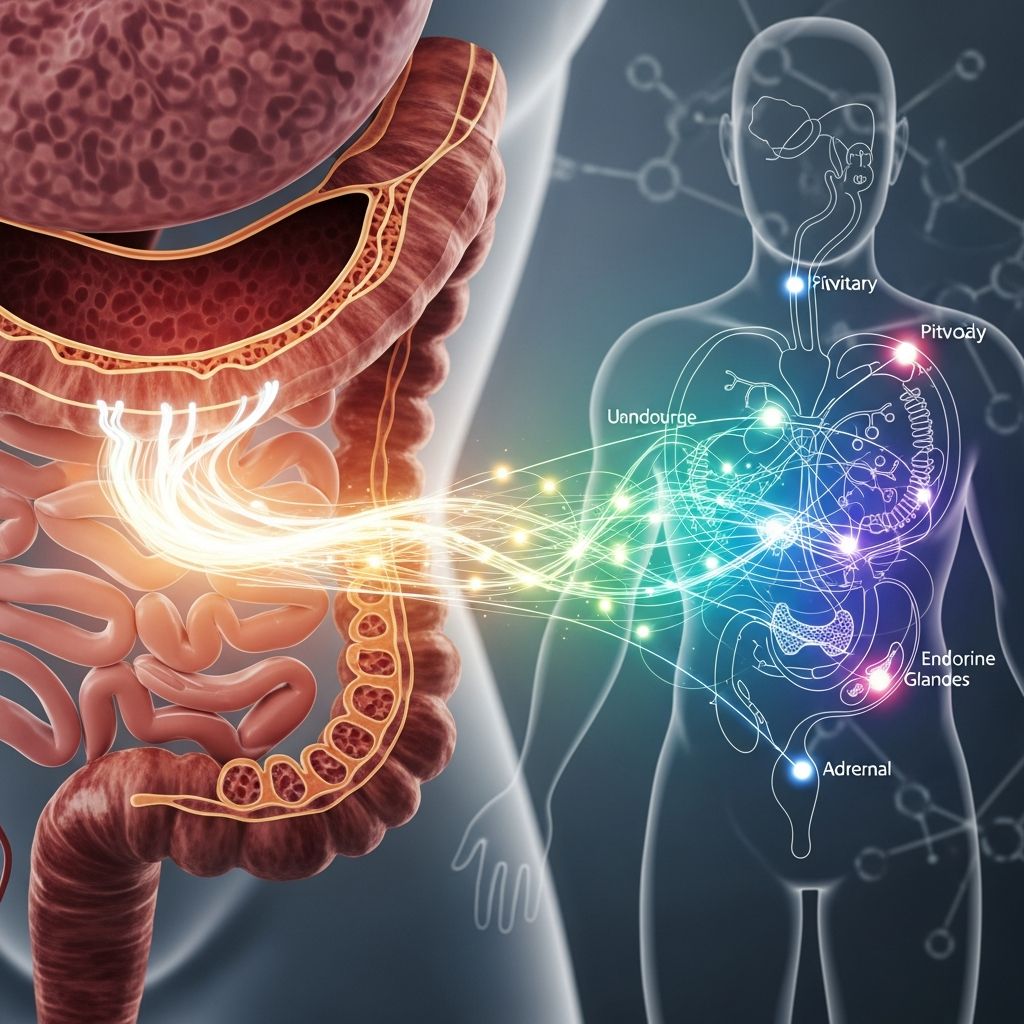
The intricate relationship between your gut and hormones reveals how digestive health profoundly impacts hormonal balance, metabolism, and overall well-being. Emerging research highlights the gut microbiome’s role in producing, metabolizing, and regulating key hormones like estrogen, thyroid hormones, and cortisol.
What Is the Gut-Hormone Link?
Your gut is more than a digestive organ; it’s a major endocrine hub producing over 20 hormones and housing trillions of microbes that influence the entire hormonal system. The gut microbiome, often called the ‘second brain,’ directly affects hormone production, metabolism, and elimination. These microbes produce hormones and neurotransmitters, metabolize sex hormones like estrogen, regulate insulin sensitivity, influence cortisol via the stress response, and even facilitate thyroid hormone conversion from inactive T4 to active T3.
About 70% of the immune system resides in the gut, where microbial balance prevents chronic inflammation that disrupts hormone receptors and production. Dysbiosis—an imbalance in gut bacteria—can lead to leaky gut syndrome, allowing toxins into the bloodstream and triggering systemic issues that derail hormonal equilibrium.
The Role of the Estrobolome
The estrobolome, a subset of gut bacteria specializing in estrogen metabolism, is central to the gut-hormone link. These microbes regulate estrogen levels by controlling beta-glucuronidase, an enzyme that deconjugates estrogen for reabsorption or excretion. A healthy estrobolome ensures excess estrogen is safely eliminated via stool, preventing dominance.
When dysbiosis elevates beta-glucuronidase, active estrogen recirculates, leading to estrogen dominance linked to conditions like PCOS, endometriosis, fibroids, and breast cancer risk. Conversely, low diversity impairs estrogen clearance, contributing to low-estrogen states in menopause or perimenopause. Studies confirm the gut microbiome shapes hormonal environments through metabolites, immune interactions, and the gut-brain axis.
- Healthy estrobolome: Optimal beta-glucuronidase levels promote balanced estrogen.
- Dysbiotic estrobolome: Excess enzyme causes reabsorption and hormonal imbalance.
How Gut Health Affects Thyroid Hormones
Thyroid function relies heavily on gut health, with 20% of T4-to-T3 conversion occurring in the intestines. Dysbiosis disrupts this process, increasing reverse T3 (inactive form) and reducing active T3, leading to hypothyroid symptoms like fatigue, weight gain, and brain fog.
Gut issues impair nutrient absorption—selenium, zinc, iodine, and iron—essential for thyroid synthesis. Leaky gut triggers inflammation that interferes with deiodinase enzymes, while loss of short-chain fatty acid (SCFA)-producing bacteria compromises gut barrier integrity, exacerbating autoimmunity like Hashimoto’s thyroiditis.
| Gut Issue | Thyroid Impact |
|---|---|
| Dysbiosis | Reduced T4-to-T3 conversion |
| Leaky Gut | Increased inflammation, reverse T3 |
| Nutrient Malabsorption | Deficient cofactors for synthesis |
| Low SCFA Bacteria | Compromised gut barrier, autoimmunity |
Leaky Gut and Hormone Disruption
Leaky gut syndrome, or increased intestinal permeability, allows undigested food, bacteria, and toxins into the bloodstream, sparking chronic inflammation. This disrupts hormone glands: ovaries, adrenals, thyroid, and pancreas. Inflammatory cytokines block hormone receptors, elevate cortisol, promote insulin resistance, and trigger autoimmunity targeting endocrine tissues.
Chronic stress from leaky gut activates the HPA axis, leading to adrenal fatigue and cortisol dysregulation, which cascades to sex hormones and thyroid function. Women in menopause experience worsened dysbiosis as estrogen decline reduces microbial diversity, creating a vicious cycle of poor estrogen metabolism and weight gain.
Gut Health’s Influence on Stress and Insulin
Related Stories



The gut-brain axis links microbiome to stress hormones. Dysbiosis heightens vagus nerve sensitivity, amplifying cortisol release and perpetuating anxiety, poor sleep, and hormonal chaos. Balanced microbes produce GABA and serotonin precursors, calming the stress response.
Insulin sensitivity hinges on gut integrity; leaky gut induces insulin resistance via inflammation, affecting fat storage, PCOS, and metabolic syndrome. SCFAs from fiber-fermenting bacteria enhance insulin signaling, underscoring diet’s role in hormonal stability.
Symptoms of Gut-Hormone Imbalance
- Hormonal: Irregular periods, PMS, heavy bleeding, low libido, infertility, menopausal hot flashes.
- Thyroid-Related: Fatigue, hair loss, cold intolerance, unexplained weight gain.
- Metabolic: Blood sugar crashes, cravings, abdominal fat accumulation.
- Mood and Energy: Anxiety, depression, brain fog, insomnia.
- Digestive: Bloating, constipation, IBS-like symptoms.
Strategies to Heal Your Gut for Hormone Balance
Restoring gut health rebuilds hormonal foundations. Start with these evidence-based steps:
- Diversify Fiber Intake: Consume 30+ plant foods weekly for microbial diversity. Prebiotics like inulin from garlic, onions, and asparagus feed beneficial bacteria.
- Incorporate Fermented Foods: Kefir, sauerkraut, kimchi provide probiotics to repopulate the estrobolome.
- Eliminate Triggers: Avoid gluten, dairy, processed sugars that fuel dysbiosis.
- Support Liver Detox: Cruciferous veggies (broccoli, kale) aid estrogen clearance.
- Targeted Supplements: Butyrate for gut lining repair; berberine or oregano oil for SIBO; calcium-D-glucarate to inhibit beta-glucuronidase.
Lifestyle factors amplify results: Prioritize 7-9 hours sleep, manage stress with meditation, and exercise moderately to boost SCFAs.
Testing for Gut-Hormone Issues
Comprehensive stool analysis reveals dysbiosis, pathogens, and estrobolome function. Hormone panels (DUTCH test) track metabolites, while zonulin tests detect leaky gut. Thyroid panels should include Free T3, Reverse T3, and antibodies.
Frequently Asked Questions (FAQs)
Can gut health cause hormone imbalance?
Yes, dysbiosis disrupts estrogen metabolism, thyroid conversion, and inflammation, leading to imbalances like estrogen dominance or hypothyroidism.
How long does it take to balance hormones by healing the gut?
Noticeable improvements occur in 4-12 weeks with consistent diet and supplements, though full restoration may take 3-6 months.
What foods support the estrobolome?
Fiber-rich plants, flaxseeds, cruciferous vegetables, and fermented foods promote healthy estrogen metabolism.
Does menopause affect gut health?
Yes, declining estrogen reduces microbial diversity, worsening dysbiosis and hormone symptoms.
Are probiotics enough for gut-hormone repair?
No, combine with prebiotics, diet changes, and addressing root causes like leaky gut for comprehensive results.
Optimizing gut health unlocks hormonal harmony, reducing symptoms and enhancing vitality. Consult a functional medicine practitioner for personalized protocols.
References
- The Gut-Hormone Connection: How Digestive Health Affects Your Hormones — Lamkin Clinic. 2023. https://lamkinclinic.com/the-gut-hormone-connection/
- Trust Your Gut, Literally: The Microbiome–Hormone Connection — Mito Health. 2024. https://mitohealth.com/blog/gut-health-and-hormones
- Hormones & Gut Health: The Estrobolome & Hormone Balance — Marion Gluck Clinic. 2023. https://www.mariongluckclinic.com/blog/hormones-and-gut-health-the-estrobolome-and-hormone-balance.html
- Link Between Gut Health & Hormones — Floré by Sun Genomics. 2024. https://flore.com/blogs/learn/gut-health-hormones
- The Gut Microbiome and Sex Hormone-Related Diseases — National Center for Biotechnology Information (PMC). 2021-10-08. https://pmc.ncbi.nlm.nih.gov/articles/PMC8506209/
- Gut Dysbiosis and Your Thyroid, Hormones, and Weight — Paloma Health. 2024. https://www.palomahealth.com/learn/gut-dysbiosis-thyroid-hormones-menopause-weight
Similar Articles








Read full bio of medha deb