Guttate Psoriasis: Essential Guide For 2025
Understanding the causes, symptoms, diagnosis, and effective treatments for guttate psoriasis, the drop-like form of psoriasis often triggered by infections.
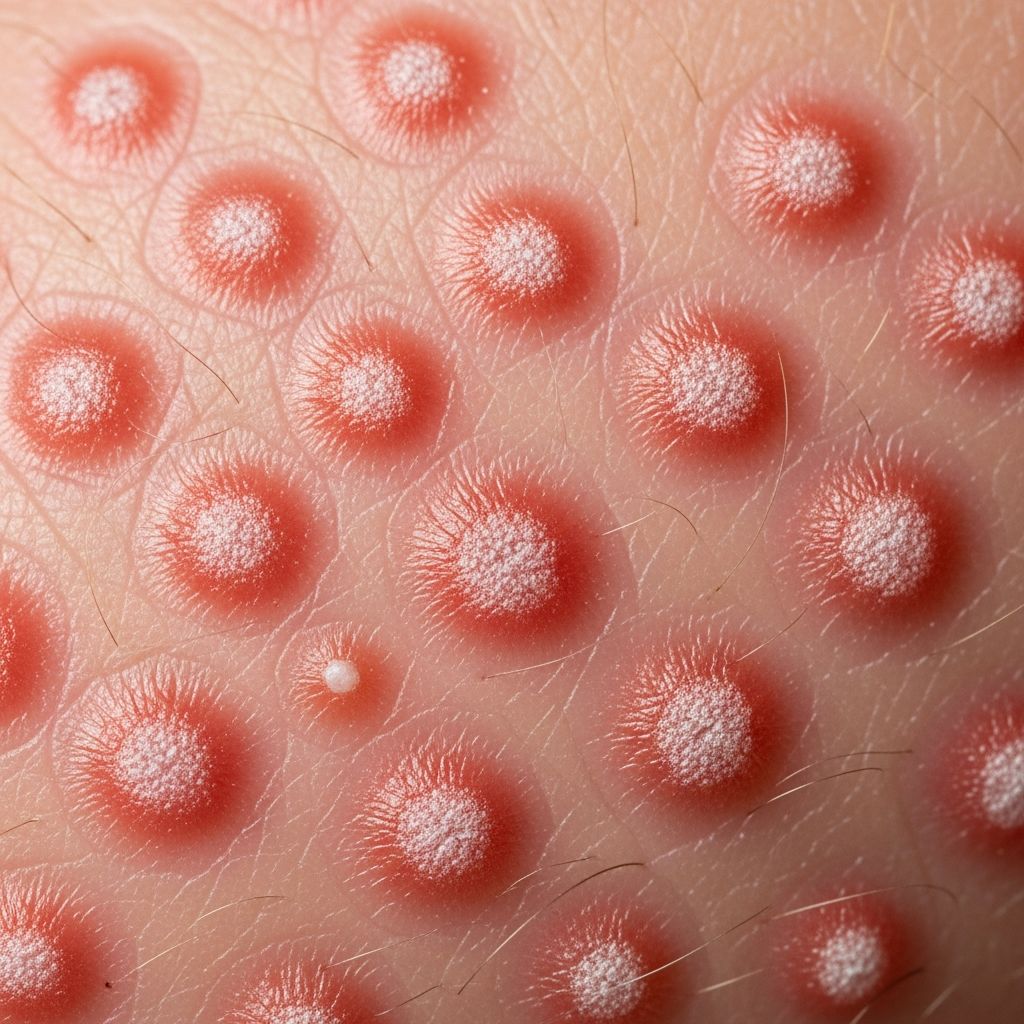
Guttate psoriasis is a distinctive form of psoriasis characterized by the abrupt appearance of numerous small, drop-like (guttate) lesions on the skin, primarily affecting children and young adults. It often follows a triggering event such as a streptococcal throat infection and typically involves the trunk, limbs, and sometimes the face.
What is guttate psoriasis?
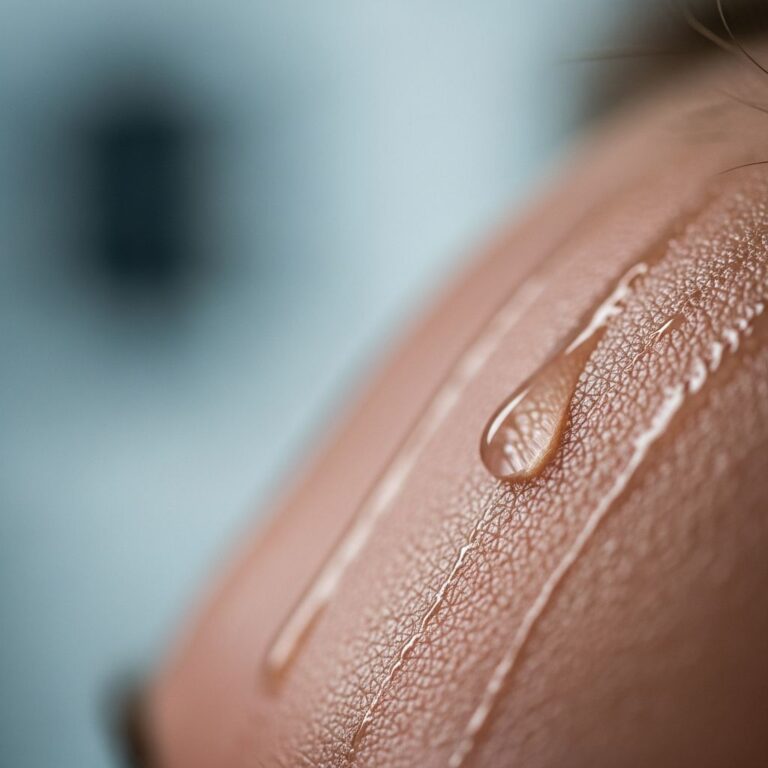
Guttate psoriasis, also known as eruptive psoriasis, represents about 2% of all psoriasis cases and is the most common type of psoriasis in children. The term ‘guttate’ derives from the Latin word ‘gutta,’ meaning drop, referring to the small, teardrop-shaped lesions that distinguish this variant from the thicker plaques of chronic plaque psoriasis. These lesions erupt suddenly, often within 1-4 weeks after a precipitating infection, and can cover extensive areas of the body, giving the skin a stippled or raindrop-like appearance.
While many cases resolve spontaneously within 3-4 months, approximately one-third to two-thirds of patients may experience recurrence or progression to chronic plaque psoriasis. Genetic factors, particularly the HLA-Cw6 allele, predispose individuals to this acute form, highlighting the interplay between genetics and environmental triggers.
Who gets guttate psoriasis?
Guttate psoriasis predominantly affects individuals under 30 years of age, with a peak incidence in children and adolescents. It is more common in those with a family history of psoriasis, as genetic susceptibility plays a key role. The condition shows no strong gender preference, though some studies note a slight male predominance in pediatric cases.
- Children and young adults (most common demographic)
- Individuals with recent streptococcal pharyngitis or perianal infection
- Those carrying the HLA-Cw6 genetic marker
- Patients with a personal or family history of psoriasis
Environmental factors like upper respiratory infections are crucial triggers, making it prevalent in school-aged children during outbreaks of strep throat.
What causes guttate psoriasis?
The exact etiology of guttate psoriasis involves an immune-mediated response in genetically susceptible individuals. A key trigger is group A beta-hemolytic streptococcal (GABHS) infection, particularly pharyngitis or tonsillitis, which precedes 56-94% of cases. The streptococcal M-protein cross-reacts with human keratinocyte antigens, provoking a T-cell mediated inflammatory cascade that accelerates skin cell turnover.
Other precipitants include:
- Viral infections (e.g., Epstein-Barr virus, COVID-19)
- Bacterial infections beyond strep (e.g., perianal streptococcosis)
- Drugs (beta-blockers, antimalarials, lithium)
- Stress, trauma (Koebner phenomenon), or vaccinations
This leads to hyperproliferation of keratinocytes, resulting in the characteristic lesions. Unlike plaque psoriasis, guttate flares are more episodic and infection-driven.
What are the clinical features of guttate psoriasis?
The hallmark of guttate psoriasis is the sudden onset of 50-100 or more small (2-10 mm) erythematous papules topped with fine silvery scales, resembling drops of water. Lesions are discrete but can coalesce in severe cases.
Appearance
On lighter skin, lesions appear as bright red or salmon-pink spots with silvery-white micaceous scales. On darker skin tones, they present as violaceous or hyperpigmented macules with greyish scales. The scales are finer than those in plaque psoriasis.
Related Stories



Symptoms
Itching varies from mild to intense, potentially leading to excoriations and secondary infection. Pruritus is more pronounced than in chronic forms.
Distribution
Lesions favor the upper trunk, proximal extremities, and occasionally the face, ears, or scalp. The abdomen and back are commonly involved, while palms, soles, and flexures are spared.
| Skin Type | Lesion Color | Scale Appearance |
|---|---|---|
| Fair skin | Red/pink | Silvery-white |
| Olive/brown skin | Salmon | Silvery |
| Dark skin | Violet/dark brown | Grey |
Diagnosis
Diagnosis is primarily clinical, based on history of recent infection and characteristic morphology. No biopsy is usually needed, but skin scrapings (KOH prep) rule out tinea corporis. Throat swab for streptococcus confirms trigger. Rarely, ASO titers assess recent strep infection.
Differential diagnosis
- Pityriasis rosea: Herald patch absent; ‘Christmas tree’ pattern on trunk
- Tinea corporis: Annular lesions; positive KOH
- Secondary syphilis: Palms/soles involved; systemic symptoms
- Pityriasis lichenoides chronica: More persistent; necrotic centers
- Drug eruption: History of new medication
Severity is assessed by BSA (body surface area): mild (<3%), moderate (3-10%), severe (>10%).
Treatment of guttate psoriasis
Treatment is tailored to severity and extent. Mild cases often resolve without intervention, but therapy accelerates clearance and prevents progression.
First-line: Topical therapy
- Corticosteroids (potent, e.g., clobetasol) for inflammation
- Vitamin D analogues (calcipotriol) to normalize keratinization
- Coal tar or salicylic acid for scaling
Emollients are essential adjuncts.
Phototherapy
Narrowband UVB (NB-UVB) is highly effective for widespread lesions, with clearance in 70-80% of cases after 20-30 sessions. Excimer laser targets specific areas.
Systemic therapy
For severe/refractory cases:
- Antibiotics (penicillin/cephalosporin) if strep-positive
- Acitretin or methotrexate
- Biologics (e.g., IL-17/IL-23 inhibitors) if progressing to plaque type
Tonsillectomy considered in recurrent strep-associated cases.
| Severity | Treatments |
|---|---|
| Mild | Topicals, emollients |
| Moderate | NB-UVB + topicals |
| Severe | Systemic agents, biologics |
Complications
Most cases self-limit, but risks include:
- Progression to plaque psoriasis (30-40%)
- Post-inflammatory hyperpigmentation
- Secondary bacterial infection from scratching
- Rarely, erythroderma or pustular psoriasis
Psychosocial impact from visible lesions.
Prevention and prognosis
Prompt antibiotic treatment of strep infections prevents flares. Lifestyle measures: avoid triggers, moisturize, manage stress. Prognosis is excellent; 50% remit permanently, others recur episodically. Long-term monitoring needed for plaque evolution.
Patient information
Educate on self-care: daily emollient use, gentle cleansing, sun avoidance during flares. Join support groups like the National Psoriasis Foundation.
Frequently asked questions
Does guttate psoriasis go away?
Yes, most cases resolve within 3-4 months, though recurrence or progression to plaque psoriasis occurs in 1/3 of patients.
Is guttate psoriasis contagious?
No, it is an autoimmune condition, not infectious.
Can guttate psoriasis be cured?
There is no cure for psoriasis, but flares can be effectively managed.
What triggers guttate psoriasis?
Primarily strep throat, but also viruses, drugs, stress.
Should I treat strep throat to prevent it?
Yes, antibiotics reduce flare risk in susceptible individuals.
References
- Guttate Psoriasis: Causes, Symptoms, and Treatment Options — Rupa Health. 2023. https://www.rupahealth.com/post/guttate-psoriasis-causes-symptoms-and-treatment-options
- Scaly skin diseases. Acute forms of psoriasis — DermNet NZ. Accessed 2026. https://dermnetnz.org/cme/scaly-rashes/acute-forms-of-psoriasis
- Guttate Psoriasis: Pictures, Causes, Treatment, and More — Healthline. 2023. https://www.healthline.com/health/psoriasis-guttate
- Guttate psoriasis — InnovAiT (Oxford University Press). 2012. https://www.ovid.com/journals/inno/fulltext/10.1093/innovait/inr160
- Guidelines for the management of psoriasis — DermNet NZ. Accessed 2026. https://dermnetnz.org/topics/guidelines-for-the-treatment-of-psoriasis
Similar Articles








Read full bio of medha deb