Guttate Psoriasis: Causes, Symptoms, and Treatment
Complete guide to guttate psoriasis: understanding symptoms, causes, and effective treatment options.
Understanding Guttate Psoriasis
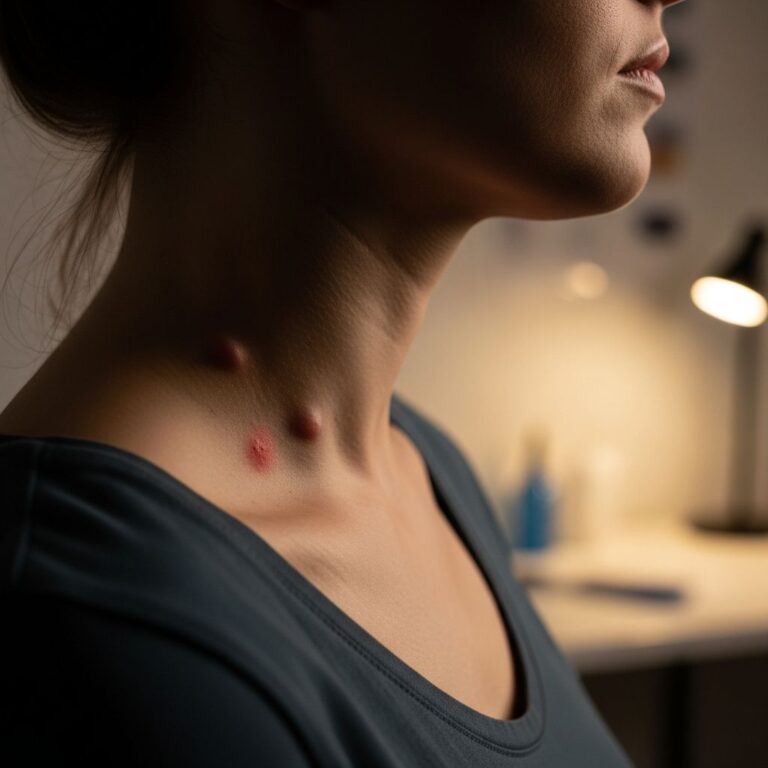
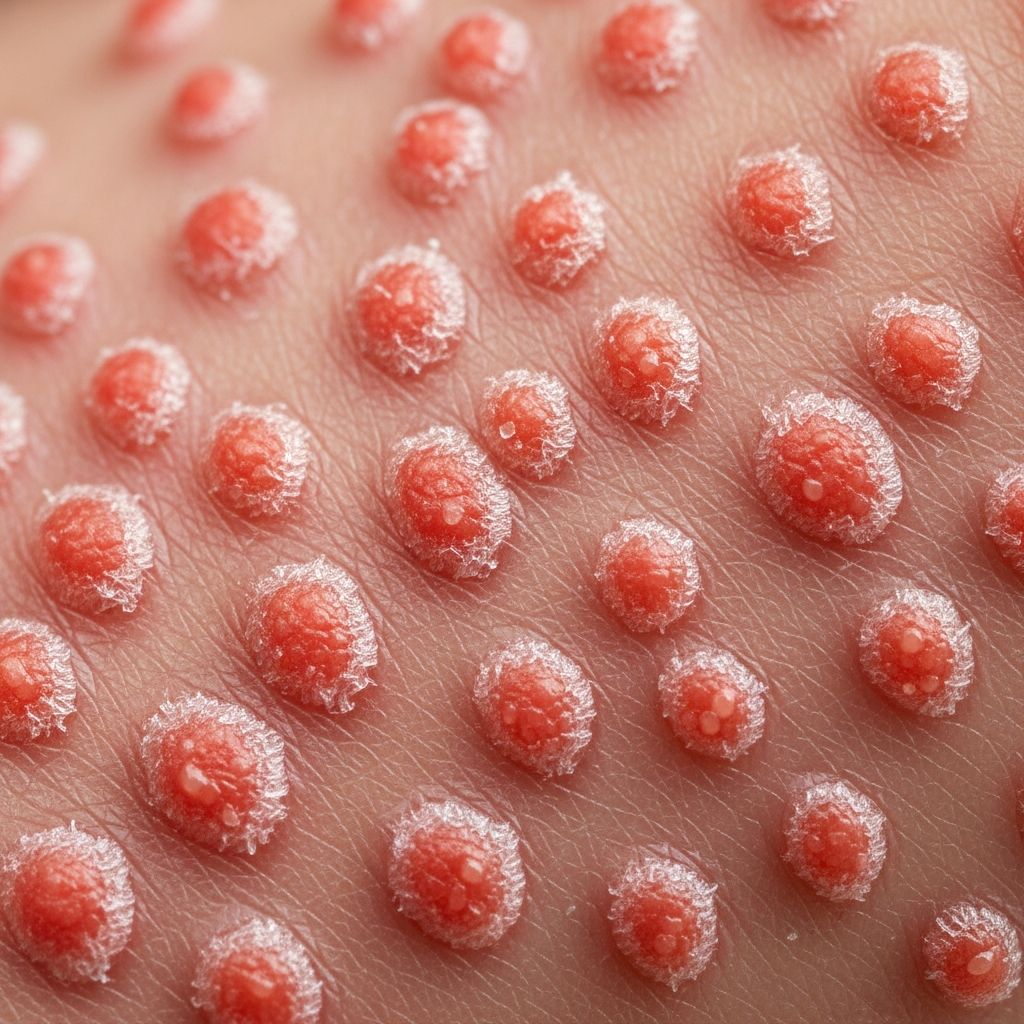
Guttate psoriasis is a distinct form of psoriasis characterized by the sudden appearance of small, teardrop-shaped lesions on the skin. The condition typically presents as a bumpy, red rash that can emerge rapidly and either disappear quickly or persist for extended periods. This type of psoriasis accounts for approximately 18% of all psoriasis cases and is particularly common among children and young adults. The distinctive droplet-shaped lesions range from 0.1 to 1.0 centimeters in diameter and are generally less indurated or scaly compared to the lesions of plaque-type psoriasis.
The name “guttate” derives from the Latin word “gutta,” meaning droplet, which perfectly describes the appearance of the lesions. These red, pink, purple, or brown spots (depending on individual skin tone) create a distinctive pattern that helps dermatologists identify and diagnose the condition. Unlike the thick, scaly plaques associated with chronic plaque psoriasis, guttate lesions present a more acute and scattered appearance across affected areas of the body.
Common Locations and Appearance
Guttate psoriasis most frequently affects specific areas of the body, though it can potentially appear anywhere on the skin. The torso (trunk) and proximal areas of the extremities are the most commonly involved regions. Additional areas that may be affected include the arms, legs, and scalp. The condition is also likely to involve the face, making it a visible concern for many patients.
The characteristic features of guttate psoriasis include:
- Distinct teardrop or droplet shape of individual lesions
- Small, scattered spots covering affected areas
- Pink, red, purple, or brown coloration based on skin type
- Itchy sensation accompanying the lesions
- Sudden onset and appearance
- Potential for rapid resolution or prolonged persistence
It’s important to note that guttate psoriasis may represent either the initial manifestation of psoriasis in a person or an acute flare of pre-existing chronic plaque-type psoriasis. This distinction can help healthcare providers better understand an individual’s disease trajectory and develop appropriate management strategies.
Causes and Triggers of Guttate Psoriasis
The development of guttate psoriasis involves a complex interplay between genetic predisposition and environmental or infectious triggers. While the genetic component is essential, it is not sufficient alone to cause the condition—a triggering factor must activate the disease.
The Role of Streptococcal Infection
Streptococcal infection stands as one of the most significant triggers of guttate psoriasis, particularly in cases of upper respiratory tract infections, laryngitis, or tonsillitis. The mechanism behind this connection involves specific streptococcal species, including groups A, C, and G streptococci, which produce exotoxin C. This exotoxin functions as a superantigen, triggering an abnormal immune response by activating CD4+ and CD8+ T cells in skin lesions and surrounding areas.
The immune system becomes confused when these T cells mistakenly recognize skin autoantigens such as keratins and carbohydrates as bacterial antigens. In some cases, these T cells persist in the skin of patients who subsequently develop chronic plaque-type psoriasis, establishing a long-term inflammatory condition.
Additional Triggering Factors
Beyond streptococcal infection, multiple factors can precipitate guttate psoriasis outbreaks:
- Skin injury or trauma to the skin (the Koebner phenomenon)
- Certain medications, including beta-blockers and anti-malarial treatments
- Emotional or psychological stress
- Sunburn or excessive sun exposure
- Systemic corticosteroid use or withdrawal
Understanding these triggers is crucial for patients to minimize flare-ups and maintain better disease control. However, it’s essential to recognize that once the disease is activated by any trigger, it becomes a chronic condition that can recur with future infections or exposure to triggering factors.
Related Stories



Key Distinction: Infection Trigger vs. Chronic Disease
A common misconception exists that treating a streptococcal infection with antibiotics will permanently resolve guttate psoriasis. However, this is not accurate. While antibiotics may address the infection that triggered the outbreak, they do not eliminate the guttate rash itself. Research published in the British Journal of Dermatology confirms that antibiotics alone cannot clear the psoriatic lesions.
The fundamental principle to understand is that genetic predisposition must be present first, followed by an infection or trigger that “wakes up” the disease. Once activated, the condition becomes a chronic skin inflammation that cannot be reversed by simply treating the triggering infection. This means that approximately 40% of people who experience guttate psoriasis will eventually develop chronic plaque psoriasis, and the condition may recur with subsequent infections or trigger exposure.
Natural Course and Prognosis
The good news for many patients is that most guttate psoriasis outbreaks resolve on their own within a few weeks to several months, even without active treatment. Approximately one-third of people with guttate psoriasis eventually develop chronic plaque psoriasis, while others may experience only occasional flare-ups triggered by infections or stress.
The unpredictability of the condition’s course makes it important for patients to work closely with healthcare providers to establish an effective management plan. Some individuals may require active treatment to accelerate resolution and manage symptoms, while others may only need supportive care and trigger avoidance.
Treatment Options for Guttate Psoriasis
Treatment approaches for guttate psoriasis should be individualized based on the severity of the outbreak, the patient’s ability to comply with treatment protocols, and the person’s specific circumstances. Dr. Adam Friedman, professor and chair of the department of dermatology at George Washington Medical School of Medicine and Health Sciences, notes that treatment tends to be tailored to the person rather than to the condition specifically, as optimal treatment protocols for guttate psoriasis compared to plaque psoriasis remain an evolving area of study.
First-Line Approach
If guttate psoriasis was triggered by a streptococcal or other bacterial infection, the initial step typically involves administering appropriate antibiotics to address the underlying infection. However, concurrent psoriasis-specific treatment should also be considered, as treating the infection alone will not resolve the psoriatic lesions.
Phototherapy for Guttate Psoriasis
Narrow-band ultraviolet B (UVB) light therapy represents one of the most effective and commonly prescribed treatments for guttate psoriasis. This approach proves particularly practical for patients with widespread lesions scattered across their body, making topical cream application to individual spots impractical or inefficient.
UVB phototherapy is typically performed in a physician’s office two to three times per week. The controlled light exposure works through multiple mechanisms:
- Quelling inflammation in affected skin areas
- Slowing down overactive skin cell production
- Treating existing spots while preventing new lesions from appearing
This treatment modality offers several advantages: it can be applied to the entire body or large affected areas simultaneously, it has a well-established safety profile when administered in controlled settings, and clinical evidence supports its effectiveness in treating guttate psoriasis.
Topical Treatments
For localized or less severe cases, topical treatments may be recommended. These may include corticosteroid creams, calcineurin inhibitors, or other anti-inflammatory agents applied directly to affected areas. However, the distributed nature of guttate psoriasis across multiple body areas often makes topical-only treatment impractical as a primary approach.
Systemic Medications and Biologics
Biologic injectable drugs represent a class of systemic therapy typically reserved for more severe cases or when other treatments prove ineffective. Because guttate psoriasis tends to clear relatively quickly in many patients, biologics are generally not considered a first-line treatment option.
These medications are more commonly considered in the following scenarios:
- After phototherapy proves ineffective in resolving the outbreak
- When lesions recur following an initial round of treatment
- When a patient cannot commit to the schedule required for regular phototherapy (typically 2-3 times weekly)
- If guttate psoriasis progresses to chronic plaque psoriasis, requiring long-term management
Research on the biologic drug ustekinumab (Stelara) shows particular promise, including the potential for remission in more stubborn, long-lasting outbreaks. However, the specific role of biologic medications in treating guttate psoriasis remains an area requiring further study.
Complications Associated with Guttate Psoriasis
While guttate psoriasis itself may be less severe than some other forms of psoriasis, it does present specific complications that patients should be aware of.
Intense Itching
One of the most challenging aspects of guttate psoriasis is the intense itching that frequently accompanies the lesions. A 2023 long-term follow-up study published in the journal Dermatology found that 54% of participants with new-onset guttate psoriasis reported constant itchiness. This persistent pruritus can significantly impact quality of life, affecting sleep, concentration, and emotional well-being.
Risk of Secondary Infection
The continuous scratching associated with intense itching creates a risk for secondary bacterial infections. Broken skin from scratching provides an entry point for bacteria, potentially leading to cellulitis or other skin infections that require additional medical intervention. Patients should be counseled on strategies to minimize scratching, such as keeping nails trimmed, using moisturizers, and considering appropriate topical or systemic anti-itch medications.
Progression to Chronic Plaque Psoriasis
As previously mentioned, approximately one-third of patients with guttate psoriasis will eventually develop chronic plaque psoriasis. This progression represents a significant long-term complication, as it converts what might have been an acute, self-limited condition into a chronic disease requiring ongoing management and lifestyle modifications.
Management Considerations and Lifestyle Factors
Beyond medical treatments, several lifestyle factors and management considerations can help patients cope with guttate psoriasis more effectively.
Stress management is particularly important, as psychological stress has been identified as a potential trigger for psoriasis flare-ups. Techniques such as meditation, deep breathing exercises, regular physical activity, and adequate sleep can help reduce stress levels and potentially decrease flare frequency.
Sun protection is paradoxical in psoriasis management: while controlled UV exposure through phototherapy is beneficial, excessive sunburn can serve as a trigger. Patients should use appropriate sunscreen on treated skin when outdoors to prevent additional triggers.
Maintaining skin hygiene and avoiding trauma to the skin can help minimize the Koebner phenomenon, where new lesions develop at sites of skin injury. Gentle skincare practices and prompt treatment of any cuts or abrasions are recommended.
Frequently Asked Questions About Guttate Psoriasis
Q: Is guttate psoriasis contagious?
A: No, guttate psoriasis is not contagious. It is an autoimmune condition resulting from a combination of genetic predisposition and environmental or infectious triggers. While streptococcal infections can trigger psoriasis development, the psoriasis itself cannot be transmitted to others.
Q: Can guttate psoriasis resolve completely without treatment?
A: Most cases of guttate psoriasis resolve on their own within a few weeks to months without active treatment. However, treatment may be recommended to accelerate resolution, manage symptoms, and reduce itching. Additionally, while initial outbreaks often resolve, the condition can recur with future infections or other triggers.
Q: What is the relationship between strep throat and guttate psoriasis?
A: Streptococcal throat infections frequently trigger guttate psoriasis in genetically predisposed individuals. However, treating the strep throat with antibiotics will not resolve the psoriatic lesions, as these represent an inappropriate immune response rather than an active infection.
Q: How long does guttate psoriasis typically last?
A: Most cases resolve within a few weeks to several months. However, some cases may persist longer. The timeline varies among individuals and depends on factors including the severity of the outbreak, treatment approaches used, and individual immune system responses.
Q: Will guttate psoriasis turn into plaque psoriasis?
A: Approximately one-third of people with guttate psoriasis eventually develop chronic plaque psoriasis. However, many others experience only occasional flare-ups or complete resolution. The likelihood of progression varies based on individual genetic factors and disease course.
Q: What should I do if my guttate psoriasis is triggered by a streptococcal infection?
A: Consult with a healthcare provider who can prescribe appropriate antibiotics to address the infection and recommend concurrent psoriasis-specific treatments such as phototherapy or topical medications to manage the skin manifestations.
References
- Guttate Psoriasis: Causes, Symptoms, and Treatment Options — HealthCentral. 2024. https://www.healthcentral.com/article/guttate-psoriasis
- Psoriasis: A clinical update on diagnosis and new therapies — Cleveland Clinic Journal of Medicine, Vol. 67, No. 2. 2000. https://www.ccjm.org/content/ccjom/67/2/105.full.pdf
Similar Articles








Read full bio of Sneha Tete