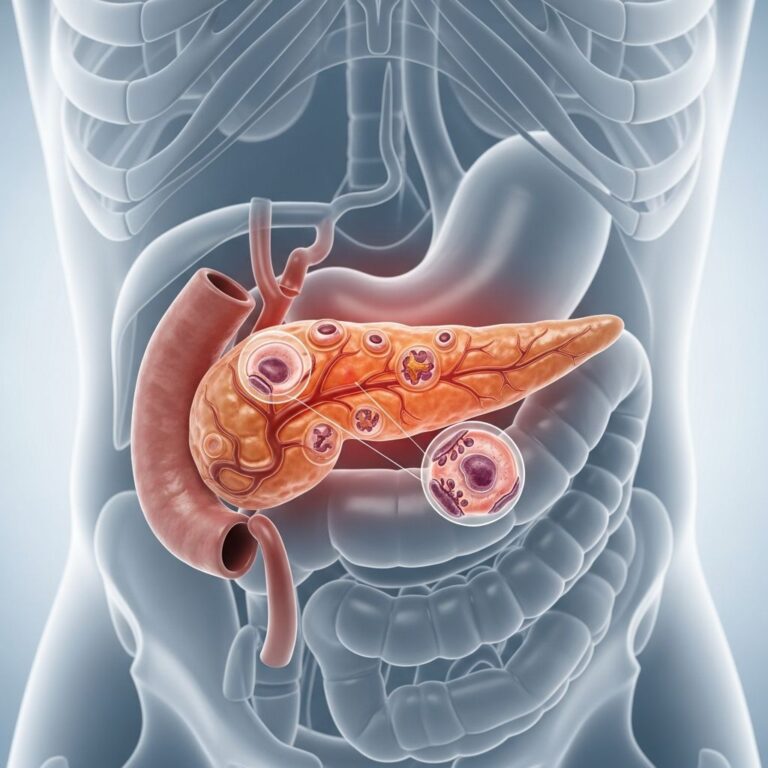
Gynecology Surgery: Procedures, Benefits & Treatment Options
Comprehensive guide to gynecological surgical procedures and minimally invasive treatment options.
Gynecology Surgery: A Comprehensive Overview
Gynecology surgery encompasses a wide range of surgical procedures designed to treat conditions affecting the female reproductive system. From routine procedures to complex oncologic surgeries, gynecological surgery has evolved significantly with advances in medical technology and surgical techniques. Modern gynecological surgery prioritizes patient outcomes, recovery time, and quality of life, offering multiple options to address reproductive health concerns.
At leading medical institutions, gynecological surgeons are trained in the latest surgical techniques and technologies, including minimally invasive approaches that reduce recovery time and minimize complications. These surgeons work collaboratively with other specialists to provide comprehensive care for patients with diverse gynecological needs.
Types of Gynecological Surgical Procedures
Gynecological surgery encompasses numerous procedures tailored to address specific conditions and patient needs. The following represent common surgical interventions performed by gynecological surgeons:
Minimally Invasive Gynecologic Surgery
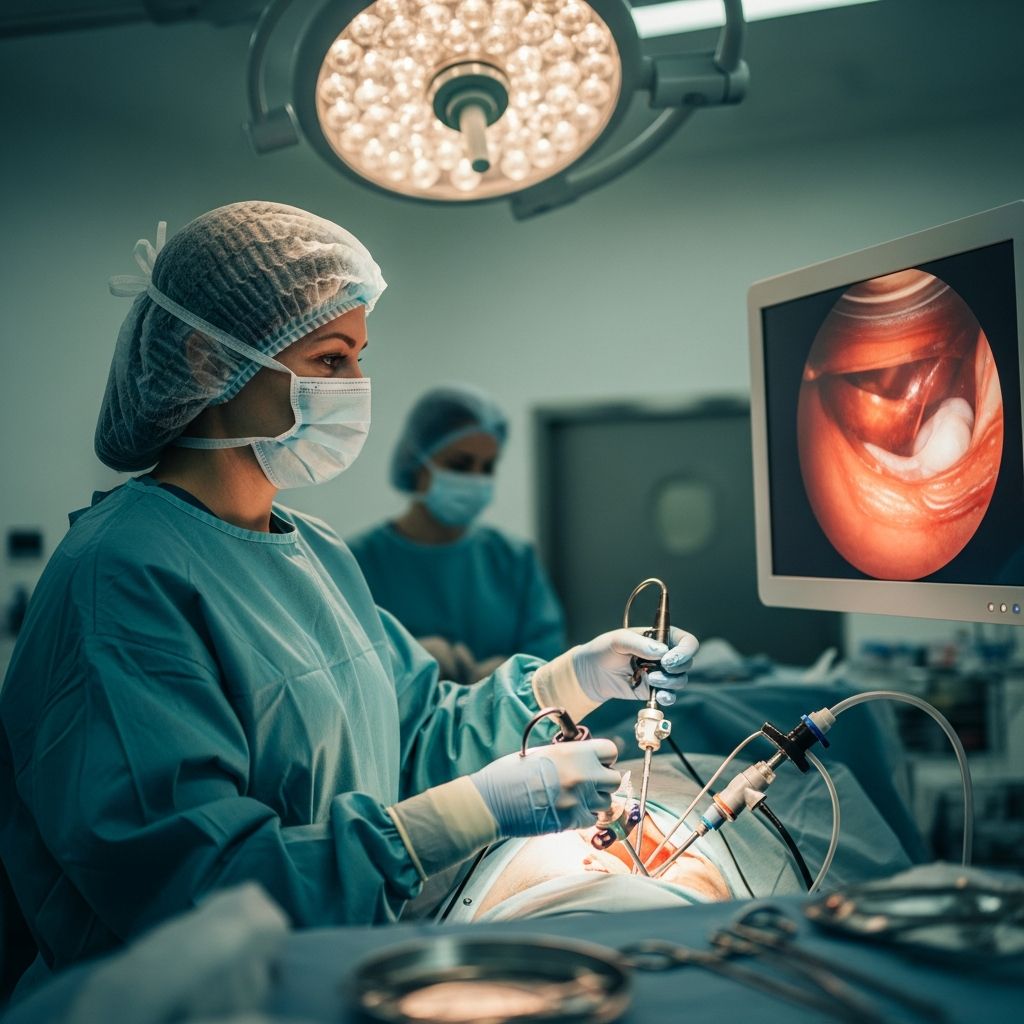
Minimally invasive gynecologic surgery represents a significant advancement in surgical treatment, utilizing small incisions and specialized instruments to perform complex procedures. These techniques include laparoscopy, robotic-assisted surgery, and laparoendoscopic single-site surgery, all designed to minimize tissue trauma while achieving excellent surgical outcomes.
Laparoscopic procedures involve inserting a thin viewing instrument through a small incision to visualize pelvic structures. This approach allows surgeons to perform procedures such as myomectomy (fibroid removal), ovarian cyst removal, endometriosis treatment, and hysterectomy with minimal disruption to surrounding tissues. Patients typically experience shorter recovery periods, reduced postoperative pain, and faster return to normal activities compared to traditional open surgery.
Robotic-Assisted Surgery
Robotic-assisted gynecological surgery combines the precision of robotic technology with the expertise of skilled surgeons. The surgeon controls robotic arms from a console, providing enhanced visualization through three-dimensional imaging and allowing for more precise movements. This technology is particularly valuable for complex gynecologic oncology procedures, including radical hysterectomy, pelvic lymph node dissection, and upper abdominal cytoreduction.
Robotic surgery offers advantages including improved ergonomics for the surgeon, enhanced precision in delicate dissection, and improved outcomes for patients. The technology has become increasingly important in treating gynecologic malignancies, allowing surgeons to perform comprehensive surgical staging and cytoreduction with minimal morbidity.
Hysterectomy
Hysterectomy remains one of the most commonly performed gynecological surgical procedures. The procedure involves removal of the uterus and can be performed through various approaches: vaginal, abdominal, or minimally invasive (laparoscopic or robotic). The choice of approach depends on the indication for surgery, patient anatomy, and surgeon expertise.
Indications for hysterectomy include uterine fibroids, adenomyosis, abnormal uterine bleeding unresponsive to medical management, uterine prolapse, and gynecologic malignancies. When possible, minimally invasive approaches are preferred to reduce recovery time and postoperative complications.
Myomectomy (Fibroid Removal)
Myomectomy is a uterine-sparing surgical procedure for removing benign fibroids while preserving the uterus. This procedure is particularly important for women who wish to maintain fertility or preserve their uterus. Myomectomy can be performed through open abdominal surgery, laparoscopy, or hysteroscopy depending on fibroid location and size.
Related Stories



Minimally invasive myomectomy offers advantages including reduced blood loss, shorter hospital stay, and faster recovery compared to traditional open approaches. However, the procedure requires significant surgical skill, as careful dissection and reconstruction of the uterine wall are essential to maintain uterine integrity for future pregnancy.
Endometriosis Surgery
Endometriosis, a condition where tissue similar to the uterine lining grows outside the uterus, often requires surgical intervention when medical management fails or significant symptoms persist. Laparoscopic surgery allows surgeons to visualize endometrial implants and perform excision or ablation to remove disease.
Surgical treatment of endometriosis can significantly improve pain symptoms and may enhance fertility in affected women. The procedure requires expertise in recognizing endometrial tissue in various forms and completely removing disease while preserving healthy reproductive anatomy.
Pelvic Mass Surgery
Surgery for pelvic masses, including ovarian cysts and tumors, requires careful evaluation to determine whether masses are benign or malignant. Minimally invasive surgery is often used for benign ovarian cysts, while malignant masses require more extensive surgical evaluation and treatment, potentially including staging procedures and cytoreduction.
Gynecologic Oncology Surgery
Gynecologic oncology surgery represents a specialized field within gynecological surgery focused on treating cancers of the female reproductive system, including ovarian, endometrial, cervical, vulvar, and vaginal cancers.
Surgical Principles in Gynecologic Cancer
Treatment of gynecologic malignancies often requires comprehensive surgical staging and cytoreduction to remove all visible disease. The goals of gynecologic cancer surgery include establishing accurate diagnosis and staging, removing all gross disease when feasible, and providing tissue for pathologic examination to guide adjuvant therapy decisions.
Advanced gynecologic oncology surgery may involve radical hysterectomy with bilateral pelvic and para-aortic lymph node dissection, upper abdominal cytoreduction including splenectomy or partial hepatic resection, and complex reconstructive procedures. These procedures require specialized training and expertise to optimize patient outcomes while minimizing morbidity.
Minimally Invasive Techniques in Oncologic Surgery
Recent developments in minimally invasive gynecologic oncology surgery have expanded treatment options for cancer patients. Robotic-assisted and laparoscopic techniques are increasingly used for endometrial cancer staging and early-stage ovarian cancer surgery. These approaches provide excellent oncologic outcomes while reducing postoperative morbidity and accelerating recovery.
The application of minimally invasive surgery in gynecologic oncology continues to evolve, with ongoing research demonstrating comparable oncologic efficacy to traditional open approaches while offering significant advantages in patient recovery and quality of life.
Complex Surgical Procedures
Management of advanced gynecologic cancer may require complex surgical procedures including pelvic exenteration with reconstruction, hepatobiliary surgery, and bowel resection. These procedures demand extensive surgical expertise and are typically performed at specialized cancer centers with experienced gynecologic oncology teams.
Pelvic exenteration involves removal of pelvic organs including the uterus, ovaries, fallopian tubes, bladder, and rectum in cases of recurrent or advanced cancer. Urinary and fecal reconstruction procedures restore normal bodily functions, allowing patients to maintain continence and quality of life after this extensive surgery.
Benefits of Minimally Invasive Gynecological Surgery
Minimally invasive gynecological surgery offers numerous advantages over traditional open surgical approaches:
- Reduced Recovery Time: Smaller incisions result in faster healing and quicker return to normal activities, typically within 1-2 weeks compared to 4-6 weeks for open surgery.
- Decreased Pain and Discomfort: Minimal tissue trauma reduces postoperative pain, allowing patients to require fewer pain medications.
- Lower Infection Risk: Smaller incisions reduce the risk of surgical site infections and other complications.
- Reduced Blood Loss: Minimally invasive techniques typically result in less blood loss, reducing the need for blood transfusions.
- Shorter Hospital Stay: Many minimally invasive procedures can be performed on an outpatient or same-day admission basis.
- Improved Cosmetic Outcomes: Smaller incisions result in less visible scarring compared to traditional open surgery.
- Enhanced Visualization: High-definition cameras provide excellent visualization of surgical anatomy, potentially improving surgical precision.
Preoperative Evaluation and Preparation
Proper preoperative evaluation ensures patient safety and optimal surgical outcomes. Gynecological surgeons conduct comprehensive evaluations including detailed history and physical examination, imaging studies such as ultrasound or MRI when indicated, and laboratory testing to assess overall health status.
Patients receive detailed preoperative instructions regarding fasting, medication management, and activities to avoid before surgery. Anesthesia consultation is typically arranged to discuss anesthetic options and address patient concerns about anesthesia. Communication between the surgical team and patient is essential to ensure realistic expectations and informed consent for the planned procedure.
Postoperative Care and Recovery
Recovery after gynecological surgery varies depending on the type and extent of surgery performed. Following minimally invasive procedures, most patients experience mild postoperative discomfort managed with oral pain medications. Activity restrictions are minimal, with most patients resuming normal activities within 1-2 weeks.
Postoperative follow-up includes wound checks, assessment for complications, and guidance regarding return to work and sexual activity. Patients receive instructions for recognizing signs of complications including infection, excessive bleeding, or other concerning symptoms that require medical attention.
Physical activity can typically be resumed gradually, with full return to strenuous exercise and sexual activity usually permitted within 4-6 weeks. The timeline may vary based on the individual patient and surgical procedure performed.
Indications for Gynecological Surgery
Various gynecological conditions may require surgical intervention when medical management proves ineffective or inadequate:
| Condition | Description | Common Surgical Options |
|---|---|---|
| Uterine Fibroids | Benign smooth muscle tumors of the uterus causing heavy bleeding, pelvic pain, or infertility | Myomectomy, hysterectomy, or minimally invasive ablation |
| Endometriosis | Abnormal tissue growth outside the uterus causing chronic pelvic pain and infertility | Laparoscopic excision or ablation of endometrial implants |
| Abnormal Uterine Bleeding | Excessive or prolonged menstrual bleeding unresponsive to medical therapy | Endometrial ablation, myomectomy, or hysterectomy |
| Ovarian Cysts | Fluid-filled sacs on the ovaries causing pain or complications | Laparoscopic cyst removal or ovarian conservation |
| Uterine Prolapse | Descent of the uterus into the vaginal canal due to pelvic floor weakness | Vaginal hysterectomy or uterine preservation procedures |
| Gynecologic Cancer | Malignancies of ovary, endometrium, cervix, vulva, or vagina | Radical surgery, lymph node dissection, cytoreduction, and reconstruction |
Complications and Risk Management
While gynecological surgery is generally safe, potential complications include bleeding, infection, bowel or bladder injury, and anesthesia-related risks. Surgeons take multiple precautions to minimize these risks, including careful patient selection, meticulous surgical technique, and appropriate use of preventive measures such as antibiotics and venous thromboembolism prophylaxis.
Patients should discuss potential complications and risk factors specific to their planned procedure with their surgeon. Understanding realistic risk profiles helps patients make informed decisions and prepare for potential outcomes.
Frequently Asked Questions
Q: What is the difference between open and minimally invasive gynecological surgery?
A: Open surgery uses one large incision to access pelvic organs, while minimally invasive surgery uses one to three small incisions with specialized instruments and camera visualization. Minimally invasive approaches typically result in faster recovery, less pain, and shorter hospital stays.
Q: How long does recovery take after gynecological surgery?
A: Recovery time varies by procedure. Minimally invasive procedures typically allow return to light activities within 1-2 weeks and full activity within 4-6 weeks. Open procedures may require 4-6 weeks for light activities and 8-12 weeks for full recovery.
Q: Will gynecological surgery affect my ability to become pregnant?
A: This depends on the specific procedure and your reproductive goals. Uterine-sparing procedures like myomectomy preserve fertility potential, while hysterectomy eliminates the possibility of pregnancy. Discuss fertility concerns with your surgeon before surgery.
Q: When can I return to sexual activity after gynecological surgery?
A: Most surgeons recommend waiting 4-6 weeks after gynecological surgery before resuming sexual activity. Your surgeon will provide specific guidance based on your procedure and recovery progress.
Q: What imaging studies are used to diagnose gynecological conditions requiring surgery?
A: Transvaginal ultrasound is the first-line imaging for most gynecological conditions. MRI may be used for complex cases, and CT or PET imaging may be employed for cancer staging and evaluation.
Q: Are there alternatives to surgery for gynecological conditions?
A: Many gynecological conditions initially respond to medical management with hormonal medications, NSAIDs, or other pharmaceutical interventions. Surgery is typically reserved for cases where medical management fails or the condition significantly impacts quality of life.
Advanced Surgical Training and Expertise
Gynecological surgeons undergo extensive training to develop expertise in diverse surgical techniques and complex procedures. Fellowship training programs in gynecological oncology provide specialized education in cancer surgery, including radical procedures, lymph node dissection, and reconstructive techniques. Surgeons also receive training in minimally invasive technologies including laparoscopy and robotic surgery.
Ongoing education and participation in professional organizations ensure surgeons remain current with advances in surgical techniques and technology. Many academic centers also train gynecological surgeons in research methodologies, allowing them to contribute to advancing the field through clinical investigation.
Choosing a Gynecological Surgeon
Selecting an experienced gynecological surgeon is crucial for optimal outcomes. Consider surgeons who are board-certified in obstetrics and gynecology with additional fellowship training in your specific condition or need. Verify that your surgeon performs the specific procedure frequently and inquire about their complication rates and patient outcomes.
Ask about the surgeon’s experience with minimally invasive techniques if these are a consideration for your care. Ensure open communication with your surgeon, as good doctor-patient relationships facilitate better understanding of treatment options and improve satisfaction with surgical care.
References
- F.J. Montz Fellowship in Gynecologic Oncology — Johns Hopkins Medicine. 2019-12-02. https://www.hopkinsmedicine.org/gynecology_obstetrics/education/fellowships/gynecology_oncology_fellowship/
- Gynecology and Obstetrics Core Clerkship — Johns Hopkins University School of Medicine. 2025. https://e-catalogue.jhu.edu/medicine/medical-students/subjects-instruction/gynecology-obstetrics/
- New Developments in Minimally Invasive Gynecologic Oncology Surgery — Johns Hopkins Research Database. 2025. https://pure.johnshopkins.edu/en/publications/new-developments-in-minimally-invasive-gynecologic-oncology-surge/
Similar Articles








Read full bio of Sneha Tete