Gynecomastia: Causes, Symptoms, and Treatment Options
Understanding male breast enlargement: causes, diagnosis, and effective treatment strategies.
Understanding Gynecomastia
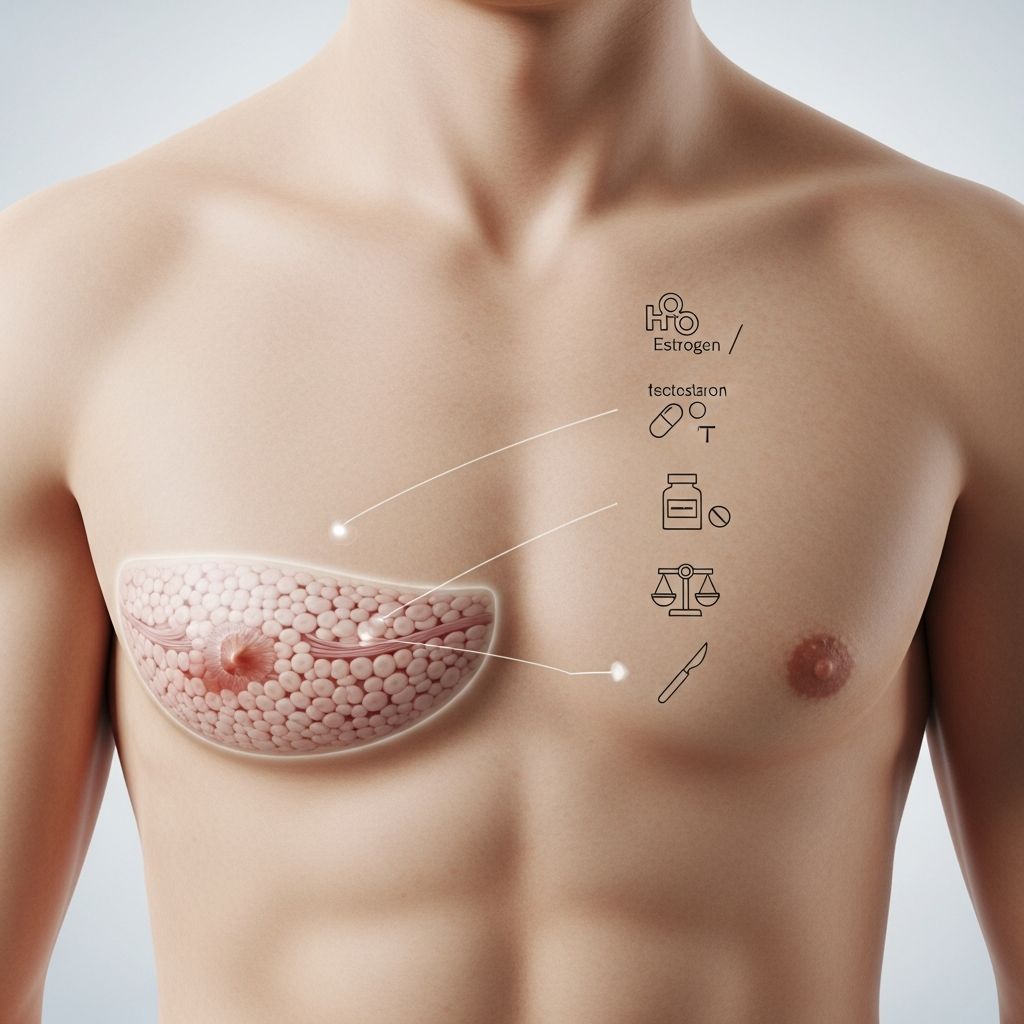
Gynecomastia is a medical condition characterized by the development of excess breast tissue in males, resulting in enlarged or swollen breasts. This condition can occur in males of any age, though it is particularly common during adolescence and in older men. The enlargement may affect one or both breasts and can range from mild to severe, causing significant physical and psychological distress for those affected.
According to medical research, approximately 20 percent of men in the United States experience gynecomastia at some point in their lives. The condition is not uncommon and represents one of the most frequently encountered diagnoses in plastic and reconstructive surgery. Understanding the causes, symptoms, and available treatment options is essential for individuals seeking to address this concern.
What Causes Gynecomastia?
Gynecomastia develops when there is a hormonal imbalance in the male body, specifically when estrogen levels increase or testosterone levels decrease. This hormonal shift creates an environment conducive to breast tissue development, which is normally suppressed in males due to higher testosterone levels.
Natural Hormonal Changes
Puberty is one of the most common periods during which gynecomastia develops. During adolescence, hormonal fluctuations are a normal part of development. Peak incidence occurs around age 14, though gynecomastia can develop anytime between ages 10 and 16. For many adolescents, gynecomastia is temporary and resolves without treatment as hormone levels stabilize. However, in some cases, the condition persists and may require medical intervention.
Age-related changes also contribute to gynecomastia in older men. Men in their late 50s and 60s may experience a natural decline in testosterone production combined with relative increases in estrogen, leading to the development of gynecomastia. This hormonal shift is a normal part of aging but can be addressed with appropriate treatment options.
Medications and Substances
Certain medications can interfere with the balance between testosterone and estrogen, potentially triggering gynecomastia. Common culprits include:
- Antidepressants and anti-anxiety medications
- Antibiotics, particularly those used for infections
- Chemotherapy and cancer treatment medications
- Medications used to treat hypertension and heart conditions
- Prostate cancer treatments
- Hormonal medications
Additionally, recreational substances can contribute to gynecomastia development. Alcohol consumption, particularly heavy drinking, can affect liver function and hormone metabolism. Illicit drugs including marijuana, amphetamines, heroin, and methadone have all been associated with gynecomastia development. If gynecomastia symptoms appear after starting a new medication or substance, this correlation should be discussed with a healthcare provider.
Medical Conditions
Various underlying health conditions can disrupt hormonal balance and lead to gynecomastia:
- Hypogonadism: A condition characterized by inadequate testosterone production
- Hyperthyroidism: Overactive thyroid function affecting metabolism and hormone levels
- Kidney disease: Impaired kidney function affecting hormone clearance
- Liver disease: Cirrhosis or liver failure interfering with hormone metabolism
- Tumors: Certain cancers can produce hormones that disrupt the testosterone-estrogen balance
- Chronic infections: Conditions like tuberculosis or HIV affecting hormonal regulation
Related Stories



Recognizing the Symptoms of Gynecomastia
Identifying gynecomastia involves recognizing several characteristic features of the condition. Men with gynecomastia may experience:
- Excess fatty tissue in the breast area
- Over-developed glandular breast tissue
- Excess skin around the breast region
- Asymmetric breast development (one breast larger than the other)
- Breast tenderness or pain in some cases
- Noticeable swelling that creates a feminine appearance
The physical symptoms are often accompanied by psychological effects, including embarrassment, reduced self-confidence, and avoidance of activities such as swimming or going shirtless. These emotional impacts can significantly affect quality of life, making professional evaluation and treatment important considerations.
Diagnosis and Medical Evaluation
Proper diagnosis of gynecomastia requires consultation with a qualified healthcare professional. The diagnostic process typically includes:
Medical History Assessment
Your physician will ask detailed questions about when the breast enlargement began, whether it has been progressing, and any associated symptoms. Discussion of medications, supplements, and substance use is important, as these factors can influence gynecomastia development.
Physical Examination
A thorough physical examination allows the physician to assess the extent of breast tissue development, determine whether one or both breasts are affected, and evaluate skin quality and laxity. The examination also includes testicular assessment, as testicular function directly relates to testosterone production.
Endocrinologic Evaluation
Because hormonal imbalance is the underlying cause, endocrinologic evaluation is essential. Blood tests measure testosterone, estrogen, and other hormone levels to identify any medical or hormonal causes requiring treatment. This evaluation helps distinguish true gynecomastia from pseudogynecomastia, where excess fat rather than glandular tissue causes the appearance of breast enlargement.
Imaging Studies
Depending on the clinical presentation, imaging studies such as ultrasound or mammography may be recommended to further characterize the breast tissue and rule out other concerning pathology.
Treatment Options for Gynecomastia
Treatment approaches vary depending on the underlying cause, duration of symptoms, and severity of the condition.
Conservative Management
For adolescents with recently developed gynecomastia, observation may be appropriate, as many cases resolve spontaneously as hormones stabilize. If the gynecomastia is medication-induced, discontinuing or changing the offending medication under medical supervision may resolve the condition. Weight loss and exercise, while beneficial for overall health, typically cannot resolve gynecomastia that results from hormonal imbalance or glandular tissue development, though they may help with pseudogynecomastia caused by excess fat.
Surgical Treatment
When gynecomastia persists despite conservative measures or causes significant physical or psychological distress, surgical intervention offers effective treatment. Reduction mammaplasty, the surgical procedure for treating gynecomastia, removes excess fat and glandular tissue to create a flatter, more masculine chest contour.
Surgical Techniques
Liposuction: For cases with primarily excess fat, liposuction through small cannulas can effectively contour the chest. This minimally invasive approach often produces excellent results with minimal scarring.
Glandular Tissue Excision: When glandular tissue is the primary concern, direct excision through carefully placed incisions removes the excess tissue. Incisions are typically placed around the areola where they can be well-camouflaged.
Combined Approach: Many patients benefit from a combination of liposuction and tissue excision to achieve optimal results. The specific technique is tailored to each patient’s anatomy and goals.
The Surgical Procedure
Gynecomastia surgery is typically performed as an outpatient procedure under general anesthesia.
Operative Steps
- The surgeon makes carefully planned incisions, often hidden within the natural contours of the chest
- Excess fatty tissue is removed through liposuction if indicated
- Glandular tissue is carefully excised and sent to pathology for evaluation
- A drain is placed at the surgical site to prevent fluid accumulation
- Incisions are closed with fine sutures, and a compression garment is applied
Drain Placement and Care
The surgical drain serves an important function in the immediate postoperative period, collecting fluid that would otherwise accumulate at the surgical site. Drains are typically removed within 7 to 10 days following the procedure, once drainage has diminished to acceptable levels.
Recovery and Postoperative Care
Recovery from gynecomastia surgery follows a specific timeline with important guidelines to optimize healing.
Compression Garment Use
A compression garment must be worn for 6 weeks following surgery. This garment serves multiple purposes: it helps compress residual breast tissue, prevents fluid accumulation, reduces swelling, and supports the chest during the healing process. Consistent use of the compression garment significantly improves surgical outcomes.
Activity Restrictions
During the initial 6-week recovery period, patients should avoid strenuous exercise and heavy lifting. Gentle walking and light daily activities are generally permitted as tolerated. Your surgeon will provide specific clearance for return to normal activities and exercise once adequate healing has occurred.
Pain Management
Most patients experience mild to moderate discomfort in the immediate postoperative period, managed with prescribed pain medications. Discomfort typically decreases significantly within the first two weeks.
Follow-up Appointments
Regular follow-up appointments allow the surgeon to monitor healing, ensure proper drain function, and address any concerns. Most patients can return to work within 1 to 2 weeks, depending on the nature of their employment.
Results and Outcomes
Most patients experience excellent aesthetic outcomes following gynecomastia surgery, with significant improvement in chest contour and masculine appearance. Results continue to improve over several months as swelling resolves and tissues settle. The psychological benefits often match or exceed the physical improvements, with patients reporting increased confidence and improved quality of life.
When to Seek Treatment
Consider consultation with a plastic surgeon specializing in gynecomastia if you experience:
- Persistent breast enlargement lasting more than 2 years
- Significant psychological distress from the condition
- Symptoms interfering with normal activities
- Asymmetric development causing appearance concerns
- Associated pain or tenderness
Frequently Asked Questions
Q: Is gynecomastia common in teenagers?
A: Yes, gynecomastia is very common during adolescence, occurring in up to 70% of teenage boys to some degree. Most cases resolve spontaneously during late puberty as hormones stabilize.
Q: Can diet and exercise eliminate gynecomastia?
A: While weight loss and exercise are beneficial for overall health, they typically cannot resolve gynecomastia caused by hormonal imbalance or glandular tissue development. Surgery is usually the most effective treatment for true gynecomastia.
Q: Is gynecomastia surgery permanent?
A: Yes, the surgical removal of glandular tissue and excess fat produces permanent results. However, the condition can recur if the underlying hormonal cause is not addressed or if new hormonal changes occur.
Q: How long does the surgery take?
A: Gynecomastia surgery typically takes 1 to 3 hours, depending on the complexity of the case and extent of tissue removal required.
Q: When can I return to normal activities after surgery?
A: Most patients can return to light activities within 1 to 2 weeks. Strenuous exercise and heavy lifting should be avoided for 6 weeks or until cleared by your surgeon.
Q: Will gynecomastia surgery leave visible scars?
A: Incisions are typically placed and hidden around the areola or within natural chest contours. Scars fade significantly over time and are usually well-concealed.
Q: What is the difference between gynecomastia and pseudogynecomastia?
A: Gynecomastia involves excess glandular breast tissue, while pseudogynecomastia refers to breast enlargement caused primarily by excess fatty tissue. Both can be effectively treated surgically.
References
- Gynecomastia — Johns Hopkins Medicine. 2023. https://www.hopkinsmedicine.org/health/conditions-and-diseases/gynecomastia
- Gynecomastia: Clinical Assessment and Surgical Treatment — American Society of Plastic Surgeons. 2024. https://www.plasticsurgery.org/cosmetic-procedures/gynecomastia
- Gynecomastia in Adolescents and Young Men: Diagnosis and Management — American Academy of Pediatrics. 2023. https://pediatrics.aappublications.org
- Endocrinologic Aspects of Male Breast Enlargement — Endocrine Society Clinical Practice Guidelines. 2024. https://www.endocrine.org/practice-guidelines
- Surgical Techniques in Gynecomastia Reduction — Journal of Plastic Surgery Research. 2024. https://www.ncbi.nlm.nih.gov/pmc/articles/
Similar Articles








Read full bio of Sneha Tete