Gynecomastia: Causes, Symptoms & Treatment Options
Understanding enlarged male breast tissue: causes, diagnosis, and effective treatment solutions.
Understanding Gynecomastia: Enlarged Male Breast Tissue
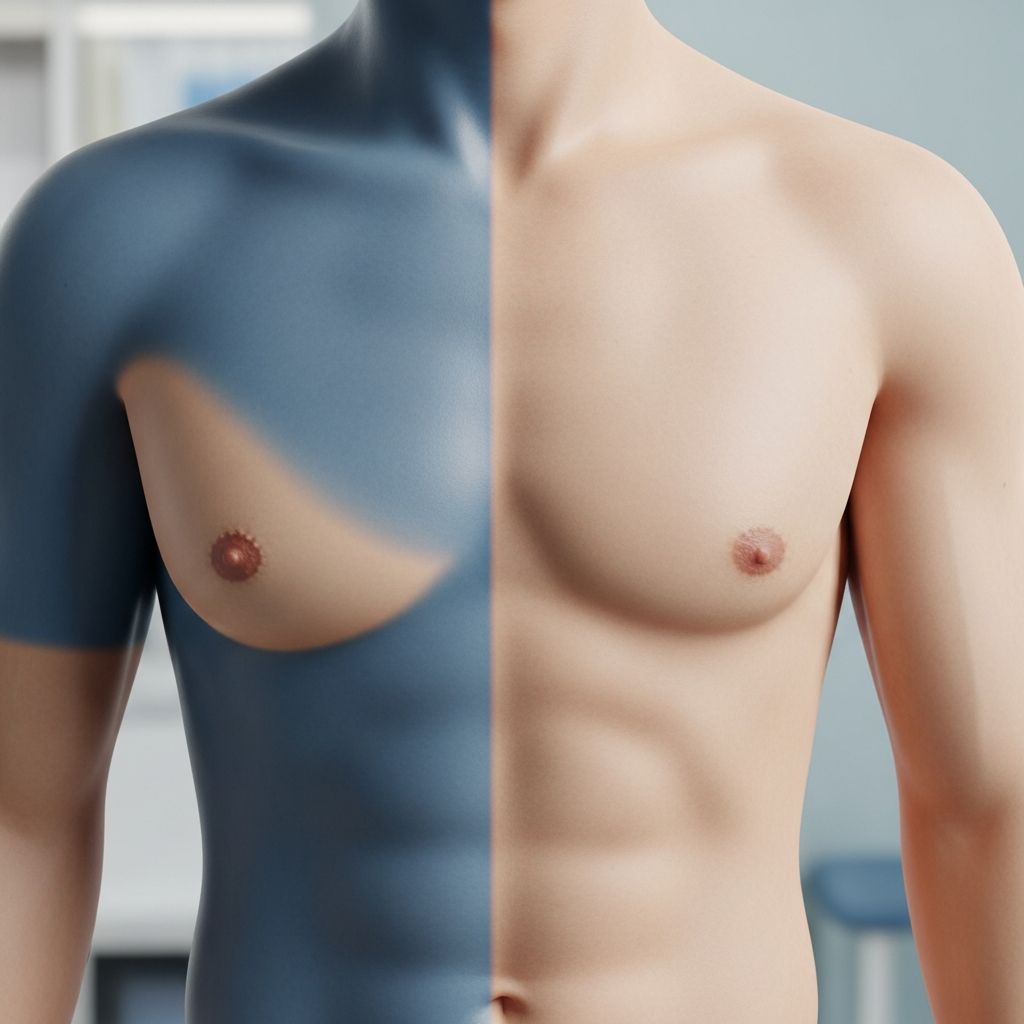
Gynecomastia is a medical condition characterized by the enlargement of breast tissue in males. This condition is far more common than many men realize, affecting approximately 30 to 50 percent of healthy men at some point in their lives. For many affected individuals, gynecomastia can cause significant physical discomfort and emotional distress, leading to self-consciousness and avoidance of situations where the chest is exposed. Unlike typical male chest composition, which consists primarily of muscle and minimal fatty tissue, gynecomastia involves the development of a mixture of fat and actual glandular breast tissue, similar to what is found in female breasts.
What Causes Gynecomastia?
Gynecomastia develops due to an imbalance between estrogen and androgen hormones in the male body. This hormonal disruption can stem from various sources, ranging from natural physiological changes to underlying medical conditions and medication side effects. Understanding the underlying cause is crucial for determining the appropriate treatment approach.
Hormonal Imbalances
The primary driver of gynecomastia is a disruption in the balance between testosterone and estrogen. When estrogen levels become too high relative to testosterone levels, breast tissue can begin to develop in males. This hormonal shift can occur naturally during certain life stages or be triggered by various medical conditions affecting endocrine function.
Age-Related Changes
Gynecomastia is particularly common during two distinct periods of male life. Adolescent gynecomastia occurs in teenage boys during puberty when hormonal fluctuations are normal. In many cases, this condition resolves naturally as hormones stabilize. However, gynecomastia can also develop in older men as testosterone levels decline with age and the body’s hormonal balance shifts.
Medications and Substances
Numerous medications can contribute to the development of gynecomastia by affecting hormone levels or directly stimulating breast tissue growth. Common medications associated with this condition include certain antihypertensives, antidepressants, antiretroviral drugs used in HIV treatment, and anabolic steroids. Recreational substances, including marijuana use and excessive alcohol consumption, can also increase the risk of developing gynecomastia. Notably, anabolic steroids used for bodybuilding or athletic performance enhancement are particularly notorious for causing pronounced gynecomastia.
Underlying Medical Conditions
Various health conditions can trigger gynecomastia by affecting hormone production or metabolism. These include hyperthyroidism, liver disease, kidney failure, testicular tumors, and certain cancers. Conditions that affect testosterone production, such as hypogonadism, can shift the hormonal balance and lead to breast tissue enlargement.
Idiopathic Gynecomastia
In many cases, despite thorough medical evaluation, no specific cause can be identified. This is termed idiopathic gynecomastia and represents a significant proportion of all cases. In these situations, the condition may be related to subtle hormonal variations or genetic predisposition.
Recognizing the Symptoms
Gynecomastia can present with various symptoms that may affect both physical comfort and psychological well-being. Being able to recognize these signs is important for seeking timely medical evaluation.
Physical Symptoms
The most obvious symptom of gynecomastia is visible breast enlargement in males. The breasts may appear puffy or swollen, and in some cases, they may be asymmetrical, with one breast larger than the other. Many men experience breast tenderness, sensitivity, or pain, particularly when the area is touched or pressure is applied. Nipple discharge, though less common, can occur and may warrant additional investigation to rule out other conditions.
Related Stories



Emotional and Psychological Impact
Beyond the physical manifestations, gynecomastia often carries significant psychological consequences. Men with this condition frequently report embarrassment, self-consciousness, and reduced confidence. Many avoid situations where their chest would be visible, such as swimming, exercising without a shirt, or intimate situations. This social withdrawal and negative self-image can impact quality of life and mental health.
Diagnosis and Evaluation
Proper diagnosis of gynecomastia involves a comprehensive medical evaluation to determine the underlying cause and develop an appropriate treatment strategy. A healthcare provider will begin with a detailed medical history and physical examination.
Medical History and Physical Examination
During the initial consultation, your healthcare provider will inquire about the onset and progression of breast enlargement, any associated symptoms, current medications, substance use, and family history. A careful physical examination will assess the extent of breast tissue enlargement, evaluate for signs of breast cancer, and measure the tissue to classify the severity of the condition.
Laboratory Testing
Blood tests may be ordered to evaluate hormone levels, including testosterone, estrogen, and other hormones related to endocrine function. Thyroid function tests, liver function tests, and kidney function tests may be performed to identify underlying medical conditions contributing to gynecomastia. A complete blood count may also be recommended as part of the initial workup.
Imaging Studies
In some cases, imaging studies such as mammography or ultrasound may be performed to further evaluate breast tissue and rule out malignancy, particularly if there are concerning features such as unilateral enlargement, skin changes, or nipple discharge.
Treatment Options
Treatment for gynecomastia depends on the underlying cause, the severity of the condition, and the patient’s preferences. Several approaches are available, ranging from conservative observation to surgical intervention.
Observation and Monitoring
In many cases, particularly when gynecomastia develops during adolescence or when the condition is mild, observation without immediate treatment may be recommended. Early grades of gynecomastia can be self-resolving and may improve without intervention as hormones naturally balance. However, regular follow-up is important to monitor for any changes.
Medical Management
If an underlying medical condition or medication is identified as the cause, treatment focuses on addressing the root issue. This may involve switching to alternative medications that do not cause gynecomastia, treating an underlying thyroid disorder, or managing other hormonal conditions. In some cases, medication-based therapies such as androgen supplementation or antiestrogen drugs may be prescribed to rebalance hormone levels. However, it is important to note that medical therapy is typically limited to six months, and effectiveness decreases significantly if gynecomastia has been present for more than two years.
Surgical Treatment
For persistent or severe gynecomastia, surgical intervention offers the most effective solution. Male breast reduction surgery, also known as subcutaneous mastectomy, removes excess breast tissue and fat to restore a flatter, more masculine chest contour.
Surgical Techniques
The specific surgical approach depends on the composition of the enlarged tissue and the presence of excess skin. For cases involving primarily fatty tissue, liposuction may be employed to remove adipose tissue with minimal downtime. Ultrasonic liposuction techniques, such as Vaser liposculpture, can break up fat and tissue while promoting skin tightening. For cases involving significant glandular tissue, direct excision through a periareolar incision (around the areola) or other incision patterns may be necessary. Many cases require a combination of liposuction and excision to achieve optimal results. Complex cases with significant skin excess may require additional skin-reducing procedures.
Surgical Procedure Details
Gynecomastia surgery is typically performed as an outpatient procedure under general anesthesia. During the operation, the surgeon carefully removes excess breast tissue and fat while preserving a natural appearance. Thin tubes may be placed under the skin to drain fluid and blood during the healing process. The procedure generally takes one to two hours, depending on complexity.
Recovery and Aftercare
Understanding what to expect during the recovery period helps patients prepare appropriately and follow post-operative instructions for optimal results.
Immediate Post-Operative Period
After surgery, bandages and a supportive compression garment will be applied to the chest. This garment serves to support the chest, minimize swelling, and promote proper healing. Patients will receive pain medications to manage discomfort, which is typically minimal but may be significant for the first few days. Swelling and soreness are normal and generally improve within the first week.
Timeline for Recovery
Most patients experience significant improvement in discomfort and tenderness within one week of surgery. The majority of individuals can return to work and light activities within approximately two weeks. However, more strenuous activities should be avoided for several weeks, and heavy lifting or reaching above the head should be restricted during the initial healing phase. Drainage tubes, if placed, will be removed once fluid drainage diminishes, typically within a few days to a week.
Long-Term Results
The results of gynecomastia surgery are intended to be permanent, as the excess fat, glandular tissue, and skin are completely removed. However, maintaining these results requires lifestyle modifications. Patients should maintain a healthy weight, avoid anabolic steroid use, and manage any underlying medical conditions. Significant weight gain, new steroid use, or development of medical conditions affecting hormone balance can lead to recurrence of gynecomastia.
Potential Risks and Complications
Like any surgical procedure, gynecomastia surgery carries potential risks, though complications are generally uncommon. Possible complications include skin irregularities or contour issues, asymmetry between the two breasts, temporary or permanent nipple numbness or altered sensation, scarring at incision sites, residual glandular tissue requiring revision surgery, healing problems, and pain. Discussing these risks thoroughly with your surgeon before the procedure helps establish realistic expectations and allows for informed decision-making.
Prevention Strategies
While not all cases of gynecomastia can be prevented, certain measures may reduce the risk of developing this condition. Avoiding anabolic steroids and other performance-enhancing substances is crucial, as these are strongly associated with gynecomastia development. Limiting alcohol consumption, avoiding recreational drugs such as marijuana, and maintaining a healthy weight may help reduce risk. If you are taking medications known to cause gynecomastia, discuss potential alternatives with your healthcare provider rather than stopping medications without medical guidance.
When to Seek Medical Attention
Men should consult a healthcare provider if they notice breast enlargement, experience breast pain or tenderness, have nipple discharge, or are concerned about changes in their chest appearance. Additionally, if gynecomastia develops suddenly or is accompanied by other symptoms such as weight loss, fatigue, or abdominal pain, prompt medical evaluation is warranted to rule out underlying medical conditions.
Frequently Asked Questions About Gynecomastia
Q: Is gynecomastia dangerous or a sign of cancer?
A: While gynecomastia itself is not cancer, it can sometimes be associated with underlying conditions that require treatment. During evaluation, your healthcare provider will screen for breast cancer and other concerning conditions. In most cases, gynecomastia is benign, but proper medical evaluation is important to rule out malignancy.
Q: Will gynecomastia go away on its own?
A: Early-grade gynecomastia, particularly in adolescents, can self-resolve as hormones naturally balance. However, if gynecomastia persists beyond two years or is severe, it is unlikely to resolve without treatment. Surgical intervention is often necessary for long-term resolution.
Q: What is the difference between gynecomastia and pseudogynecomastia?
A: Gynecomastia involves actual glandular breast tissue development due to hormonal imbalances. Pseudogynecomastia, also called lipomastia, refers to apparent breast enlargement caused primarily by excess fatty tissue in an overweight individual. The treatment approaches differ, with pseudogynecomastia often responding to weight loss and exercise, while true gynecomastia typically requires medical or surgical intervention.
Q: How long does gynecomastia surgery take?
A: The duration of gynecomastia surgery typically ranges from one to two hours, depending on the complexity of the case and the amount of tissue requiring removal. Your surgeon can provide a more specific estimate based on your individual situation.
Q: Can gynecomastia recur after surgery?
A: While the surgical removal of breast tissue is permanent, gynecomastia can recur if hormonal imbalances develop again due to weight gain, steroid use, medical conditions, or medication side effects. Maintaining a healthy lifestyle and avoiding substances that promote hormone imbalance reduces recurrence risk.
Q: Is gynecomastia surgery covered by insurance?
A: Coverage varies depending on your insurance plan and whether the surgery is deemed medically necessary versus cosmetic. If gynecomastia causes physical symptoms such as pain or is associated with an underlying medical condition, insurance may provide coverage. Cosmetic surgery for appearance alone is typically not covered. Contact your insurance provider for specific details regarding your policy.
References
- Gynecomastia: Its features, and when and how to treat it — Cleveland Clinic Journal of Medicine. 2004. https://www.ccjm.org/content/71/6/511
- Gynecomastia Surgery (Male Breast Reduction): What to Expect — Cleveland Clinic. 2024. https://my.clevelandclinic.org/health/treatments/24022-gynecomastia-surgery
- Enlarged breasts in men (gynecomastia) – Diagnosis and treatment — Mayo Clinic. 2024. https://www.mayoclinic.org/diseases-conditions/gynecomastia/diagnosis-treatment/drc-20351799
- Gynecomastia – Cleveland Clinic Abu Dhabi — Cleveland Clinic Abu Dhabi. 2024. https://www.clevelandclinicabudhabi.ae/en/health-hub/health-resource/diseases-and-conditions/gynecomastia
- Breast Pain: Tenderness, Causes, Diagnosis & Treatment — Cleveland Clinic. 2024. https://my.clevelandclinic.org/health/diseases/15469-breast-pain-mastalgia
Similar Articles








Read full bio of medha deb