H. Pylori Infection Complete Guide: Causes, Tests, Treatment
Discover the facts on Helicobacter pylori, from symptoms and spread to proven treatments for this common stomach bacteria.
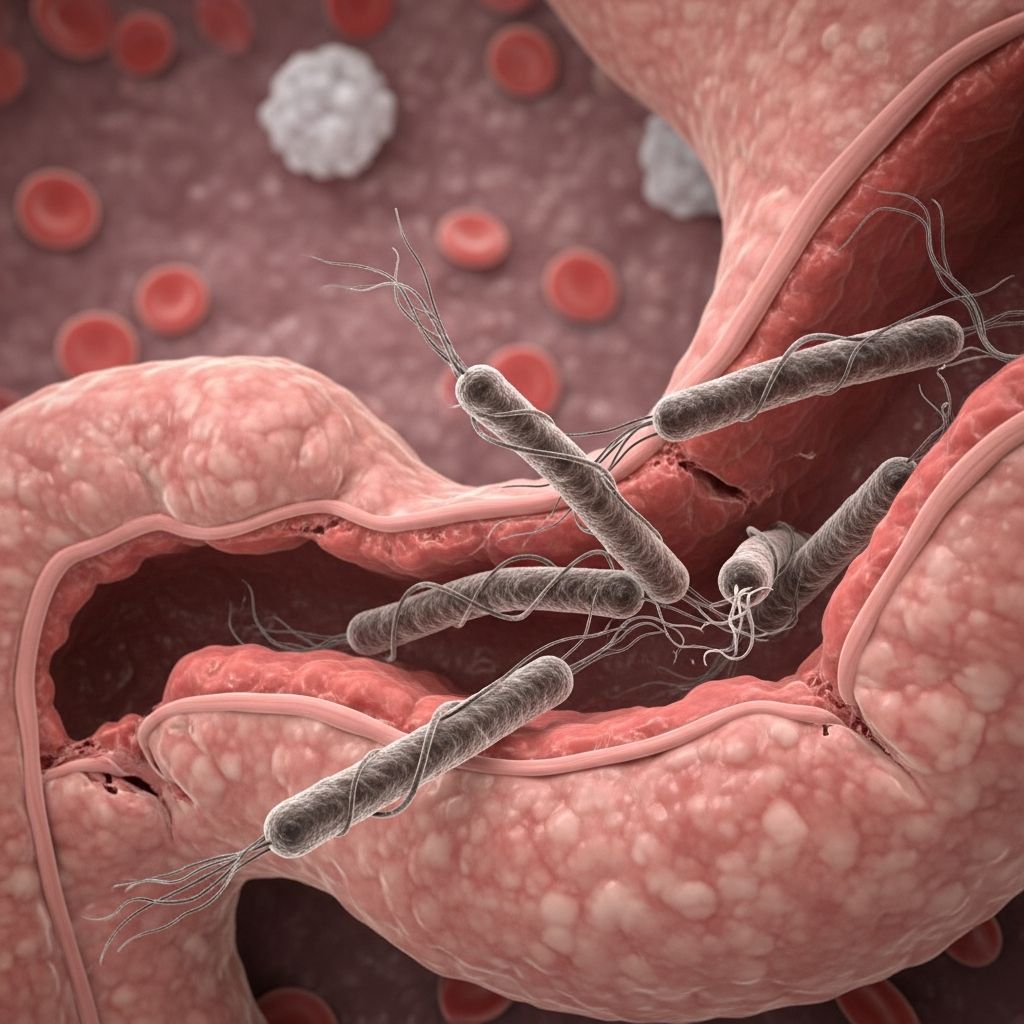
Helicobacter pylori, commonly known as H. pylori, is a spiral-shaped bacterium that thrives in the stomach’s acidic environment, infecting over half the global population and leading to conditions like ulcers and gastritis.
The Nature of H. Pylori Bacteria
This Gram-negative microbe measures about 0.5–1 µm wide and 2–4 µm long, with a distinctive helical, S-shaped form that enables it to burrow into the gastric mucus layer. Named in 1989 by researchers noting its prevalence in the stomach’s pyloric region, H. pylori produces urease, an enzyme neutralizing stomach acid to protect itself.
It adheres to epithelial cells using adhesin proteins and secretes vacuole-forming cytotoxin (VacA), which damages cells by creating pores and triggering apoptosis. The bacterium’s lipopolysaccharide (LPS) in its outer membrane mimics human blood group antigens, evading immune detection and provoking chronic inflammation.
Global Reach and Infection Rates
H. pylori affects approximately 4.4 billion people worldwide, over 50% of the population, with higher rates in developing countries due to sanitation challenges. Infections often begin in childhood, persisting lifelong without intervention.
In the United States, more than a third of people carry the bacteria, though prevalence is declining with improved hygiene. Factors like crowded living and poor water quality sustain its spread.
How H. Pylori Spreads
Transmission primarily occurs person-to-person via oral-oral or fecal-oral routes, through contaminated saliva, vomit, stool, or dental plaque. Inadequate handwashing after bathroom use or sharing utensils facilitates spread.
Contaminated food and water also play roles, especially in areas with suboptimal sanitation. Unlike many bacteria, H. pylori survives gastric acid thanks to its protective mechanisms, allowing colonization upon ingestion.
- Oral-oral: Kissing, sharing drinks, or close contact.
- Fecal-oral: Poor hygiene leading to hand-to-mouth transfer.
- Environmental: Tainted water sources or undercooked foods.
Mechanisms of Gastric Damage
Upon reaching the stomach lining, H. pylori triggers inflammation by stimulating macrophages and epithelial cells to release cytokines like IL-1β and IL-8. These proinflammatory signals recruit neutrophils, producing reactive oxygen species (ROS) that harm tissue.
The CagA protein, present in virulent strains, injects into host cells, disrupting signaling pathways and promoting cell proliferation or death. ROS from NADPH oxidase activation further damages DNA, fostering oncogene expression via NF-κB pathways.
This chronic response erodes the protective mucus layer, exposing tissue to acid and pepsin, resulting in sores and atrophy.
Common Signs and Complications
Most infections remain asymptomatic, but 10-15% develop peptic ulcers—open sores in the stomach or duodenum. Children rarely show symptoms, with only 5-10% affected.
| Symptom | Description |
|---|---|
| Abdominal pain | Burning or gnawing in upper belly, worse when empty. |
| Bloating/gas | Frequent burping, fullness after meals. |
| Nausea/vomiting | Loss of appetite, unintended weight loss. |
| Severe cases | Bleeding (black stools), perforation. |
Long-term risks include gastritis, MALT lymphoma, and gastric cancer, with H. pylori classified as a carcinogen.
When to Seek Medical Advice
Consult a doctor for persistent upper abdominal discomfort, especially with blood in stool/vomit or sudden weight loss. Those with ulcer history or family gastric cancer risk should screen proactively.
Related Stories



Diagnostic Approaches
Testing combines non-invasive and invasive methods for accuracy.
- Urea breath test: Detects bacterial urease activity after labeled urea ingestion.
- Stool antigen test: Identifies H. pylori proteins in feces.
- Blood antibody test: Checks for immune response (less reliable post-treatment).
- Endoscopy with biopsy: Direct visualization and histology for urease or pathology.
Healthcare providers often start with breath or stool tests, reserving endoscopy for complications.
Eradication Therapy Protocols
Treatment targets bacterial clearance using antibiotics plus acid suppressants, as H. pylori resists single agents.
Standard regimens include:
| Regimen Type | Components | Duration |
|---|---|---|
| Triple therapy | Proton pump inhibitor (PPI) + clarithromycin + amoxicillin/metronidazole | 14 days |
| Quadruple therapy | PPI + bismuth + metronidazole + tetracycline | 10-14 days |
| Rescue options | Levofloxacin-based or rifabutin for resistance | 10-14 days |
PPIs like omeprazole reduce acid, enhancing antibiotic efficacy. Post-treatment confirmation via breath/stool test ensures eradication, vital given rising resistance.
Challenges with Antibiotic Resistance
Increasing clarithromycin resistance limits first-line success, prompting tailored therapy based on local patterns or prior failures. Multidrug regimens address this, though adherence is key to prevent relapse.
Lifestyle and Prevention Measures
No vaccine exists, but hygiene curbs transmission: thorough handwashing, safe water, avoiding shared utensils.
- Boil or treat drinking water in high-risk areas.
- Avoid close contact with infected individuals.
- Promote sanitation in communities.
Probiotics may support therapy by reducing side effects, though evidence varies. Vitamin C and antioxidants could mitigate oxidative damage, but consult professionals.
Special Considerations for At-Risk Groups
Pregnant individuals or those with allergies require modified regimens. Children benefit from early detection in endemic areas to avert chronic issues.
Future Directions in Research
Ongoing studies explore virulence factors, vaccines, and novel antibiotics to combat resistance. Genetic predispositions influencing severity are also under investigation.
Frequently Asked Questions (FAQs)
Can H. pylori go away on its own?
No, it typically persists without treatment, leading to chronic issues.
Is H. pylori contagious?
Yes, via saliva, stool, or contaminated sources.
How long does treatment take?
Usually 10-14 days, with follow-up testing.
Does diet affect H. pylori?
It doesn’t eradicate it but may ease symptoms; avoid irritants like spicy foods.
Can it cause cancer?
Yes, linked to gastric cancer in untreated cases.
References
- Overview of Helicobacter pylori Infection: Clinical Features … – PMC — PMC. 2021-10-18. https://pmc.ncbi.nlm.nih.gov/articles/PMC8544542/
- Helicobacter pylori: Fact Sheet for Health Care Providers – CDC Stacks — CDC. N/A. http://stacks.cdc.gov/view/cdc/40603
- H. Pylori Infection: Symptoms, Causes & Treatments – Cleveland Clinic — Cleveland Clinic. N/A. https://my.clevelandclinic.org/health/diseases/21463-h-pylori-infection
- Helicobacter pylori (H. pylori) infection – Symptoms & causes — Mayo Clinic. N/A. https://www.mayoclinic.org/diseases-conditions/h-pylori/symptoms-causes/syc-20356171
- What is H. pylori, the leading cause of peptic ulcer disease? – YouTube — Boston Children’s Hospital. 2025-03-01. https://www.youtube.com/watch?v=57HMTPQ1OlU
- Overview of Helicobacter pylori Infection, Prevalence, Risk Factors … — Wiley Online Library. 2023. https://onlinelibrary.wiley.com/doi/10.1155/2023/9747027
- H. Pylori: Transmission and Spread of Infection — University of Arizona. N/A. https://publichealth.arizona.edu/outreach/health-literacy-awareness/hpylori/transmission-spread
Similar Articles








Read full bio of medha deb