H. Pylori Infection: A Guide To Symptoms, Diagnosis & Treatment
Understand H. pylori infection: symptoms, causes, diagnosis, treatment, and prevention strategies for this common stomach bacteria.
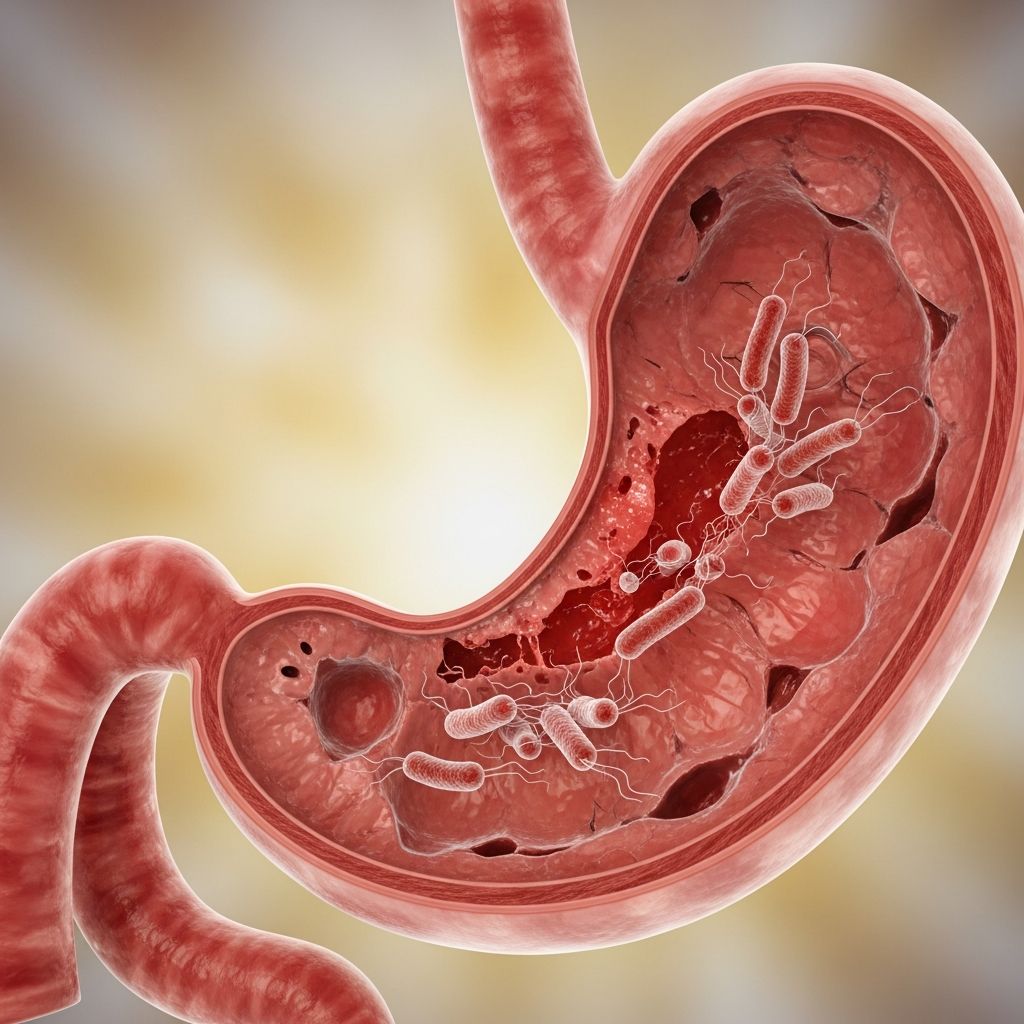
Helicobacter pylori (H. pylori) is a prevalent bacterium that infects the stomach lining, affecting more than half the world’s population, particularly during childhood in developing countries. While many people remain asymptomatic, it can lead to serious conditions like peptic ulcers, gastritis, and an increased risk of stomach cancer. This article explores the symptoms, transmission, risk factors, diagnostic methods, treatment options, prevention strategies, and frequently asked questions about H. pylori infection.
What Is H. Pylori?
H. pylori is a spiral-shaped bacterium uniquely adapted to survive in the harsh, acidic environment of the stomach. It produces enzymes like urease that neutralize stomach acid, allowing it to burrow into the protective mucus layer of the stomach lining and duodenum. This burrowing causes chronic inflammation, damaging the lining and potentially leading to peptic ulcers or gastritis.
Globally, H. pylori infects about two-thirds of the population, with higher prevalence in crowded or unsanitary conditions. In the U.S., infection rates are lower but still significant, often acquired in childhood and persisting lifelong without treatment. Most infections (over 90%) cause no symptoms, but when they do, it’s typically from associated complications like ulcers.
Symptoms of H. Pylori Infection
Many individuals with H. pylori never experience symptoms, especially children where only 5-10% show signs. When symptoms occur, they stem from gastritis or peptic ulcers and include:
- Aching or burning abdominal pain, often worsening on an empty stomach and improving with food or antacids.
- Bloating, nausea, and frequent burping.
- Unintentional weight loss or loss of appetite.
- Bloody or black, tarry stools indicating bleeding ulcers.
- Vomiting blood in severe cases.
Ulcers from H. pylori affect 10-15% of infected people, with small ulcers sometimes asymptomatic until complications like bleeding arise. Chronic infection can also cause atrophic gastritis, thinning the stomach lining over time.
Causes and Risk Factors
H. pylori spreads primarily through person-to-person contact via bodily fluids like saliva, vomit, stool, or dental plaque. Common transmission routes include:
- Poor hand hygiene after using the bathroom, leading to fecal-oral spread.
- Mouth-to-mouth contact or sharing utensils/food.
- Contaminated food or water.
Risk factors elevate susceptibility:
| Risk Factor | Description |
|---|---|
| Crowded living | Higher exposure in homes with many people. |
| Poor sanitation | Prevalent in developing countries. |
| Family history | Increased risk if relatives had ulcers or stomach cancer. |
| Atrophic gastritis or pernicious anemia | Conditions that weaken stomach defenses. |
Infections often occur in childhood and persist without intervention.
Complications of H. Pylori
Untreated H. pylori significantly raises risks for:
- Peptic ulcers: Sores in the stomach or duodenum due to acid eroding the damaged lining; 10-15% of cases.
- Chronic gastritis: Persistent stomach inflammation.
- Stomach cancer: Long-term infection increases non-cardia gastric adenocarcinoma and lymphoma risk. Those with family history may need screening.
Related Stories



Ulcers recur without eradication, but treatment resolves inflammation and prevents recurrence.
Diagnosis
Healthcare providers test for H. pylori if ulcers, persistent stomach pain, or cancer risk factors are present. Non-invasive tests include:
- Urea breath test: Patient swallows urea; detects bacterial enzymes in breath.
- Stool antigen test: Checks for H. pylori proteins in stool.
- Blood antibody test: Detects immune response, but can’t confirm active infection.
Invasive endoscopy with biopsy allows direct visualization and testing via rapid urease or histology. Retesting post-treatment (4 weeks after antibiotics) confirms eradication. Avoid NSAIDs if diagnosed, as they worsen ulcers.
Treatment
Asymptomatic cases may not require treatment, but active infection with ulcers or symptoms warrants eradication therapy. Standard regimen (10-14 days):
- Two antibiotics (e.g., amoxicillin, clarithromycin) to kill bacteria.
- Proton pump inhibitor (PPI) (e.g., omeprazole) to reduce acid.
- Bismuth subsalicylate (Pepto-Bismol) sometimes added.
Newer options like Talicia® combine rifabutin, amoxicillin, and omeprazole in one capsule, improving compliance. Success rates exceed 90% if completed; recurrence within 3 years is under 10%. Resistant cases may need biopsy-guided antibiotics or repeated courses. Symptoms may linger weeks post-treatment as ulcers heal.
Prevention
No vaccine exists, but reduce risk by:
- Washing hands thoroughly with soap, especially after bathroom use.
- Avoiding sharing food, drinks, or utensils.
- Consuming safe, treated water and properly cooked food.
- Improving sanitation in high-risk areas.
Early childhood hygiene prevents most infections.
When to See a Doctor
Seek care for persistent abdominal pain (>1 month), unexplained weight loss, bloody stools/vomit, or family stomach cancer history. Prompt diagnosis prevents complications like bleeding ulcers or cancer.
Frequently Asked Questions (FAQs)
Q: Is H. pylori contagious?
A: Yes, it spreads person-to-person via saliva, stool, or vomit, often through poor hygiene or contaminated food/water.
Q: Can H. pylori cause stomach cancer?
A: Yes, chronic infection raises risk for gastric adenocarcinoma and lymphoma, especially with family history.
Q: How long does treatment take?
A: Typically 10-14 days of antibiotics plus PPI; complete the course for eradication.
Q: Do all H. pylori infections need treatment?
A: No, asymptomatic cases often don’t, but treatment is recommended for ulcers, gastritis, or cancer risk.
Q: Can children get H. pylori?
A: Yes, most infections occur in childhood; 5-10% show symptoms.
References
- H. Pylori Infection: Symptoms, Causes & Treatments — Cleveland Clinic. 2023. https://my.clevelandclinic.org/health/diseases/21463-h-pylori-infection
- Helicobacter pylori (H. pylori) infection – Symptoms & causes — Mayo Clinic. 2023. https://www.mayoclinic.org/diseases-conditions/h-pylori/symptoms-causes/syc-20356171
- Helicobacter pylori infection — MedlinePlus, NIH. 2023. https://medlineplus.gov/ency/article/007715.htm
- Helicobacter pylori: Fact Sheet for Health Care Providers — CDC. 2014 (authoritative foundational data). https://stacks.cdc.gov/view/cdc/40603
- Helicobacter pylori in health and disease — PMC, NCBI. 2013. https://pmc.ncbi.nlm.nih.gov/articles/PMC3644425/
Similar Articles








Read full bio of Sneha Tete