H. Pylori Symptoms: Signs, Causes & Treatment
Comprehensive guide to H. pylori symptoms, transmission, complications, and effective treatment options.
Understanding H. Pylori: A Common Stomach Infection
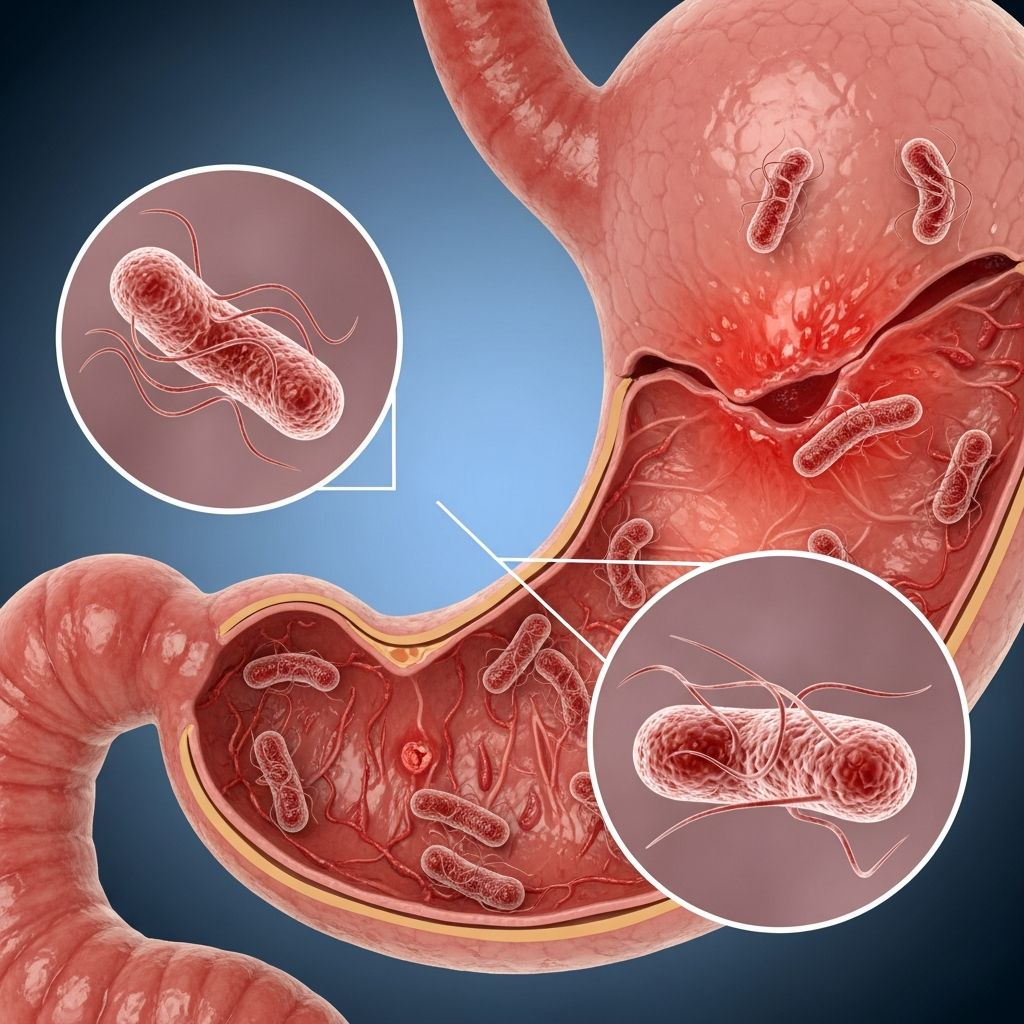
Helicobacter pylori (H. pylori) is a bacterium that infects the stomach lining and affects more than half the world’s population at some point during their lives. Despite its prevalence, most people who carry this infection remain completely unaware of its presence because H. pylori infections typically don’t cause noticeable symptoms. However, when symptoms do develop, they can range from mild discomfort to serious complications requiring medical intervention. Understanding the signs, causes, and treatment options for H. pylori is essential for maintaining digestive health and preventing potential complications.
What is H. Pylori and How Does It Spread?
H. pylori is a spiral-shaped bacterium that has evolved the remarkable ability to survive in the harsh, acidic environment of the stomach. The bacteria accomplish this by producing enzymes that neutralize stomach acid, allowing them to burrow into the stomach lining where they cause chronic inflammation and irritation. This adaptation makes H. pylori uniquely suited to long-term residence in the digestive tract.
The transmission of H. pylori occurs through several pathways. Most commonly, the infection spreads through contact with an infected person’s bodily fluids, including saliva, vomit, and stool. Poor hand hygiene significantly increases transmission risk, particularly in households and communal settings. Additionally, H. pylori can spread through contaminated food and water, making sanitation and water quality critical factors in infection prevention. Infections most frequently occur during childhood, especially in developing countries where living conditions and water quality may be less controlled.
Common H. Pylori Symptoms
While most people infected with H. pylori experience no symptoms whatsoever, those who do develop manifestations typically experience discomfort related to stomach inflammation or peptic ulcer disease. Recognizing these symptoms is important for seeking appropriate medical care:
- Stomach pain and discomfort: An ache or burning sensation in the stomach area (abdomen) is the most common symptom. This pain often feels worse when the stomach is empty and may improve temporarily after eating.
- Indigestion: Persistent indigestion and general digestive upset are frequent complaints among symptomatic individuals.
- Loss of appetite: Some infected individuals experience reduced desire to eat, contributing to unintentional weight loss.
- Bloating and gas: Abdominal bloating and excessive gas formation cause discomfort and may lead to visible abdominal distension.
- Frequent burping: Increased burping, sometimes described as belching, occurs more frequently than normal.
- Nausea and vomiting: Some people experience nausea, and in more severe cases, vomiting may occur.
- Unintentional weight loss: Continued infection combined with reduced appetite may lead to gradual, unexplained weight loss.
It’s important to note that symptom intensity and frequency vary considerably between individuals. Some people may experience symptoms intermittently over days or weeks, while others endure continuous discomfort. The pattern of pain can also differ—some individuals notice increased pain several hours after eating, while others experience symptoms primarily at night.
Serious Symptoms Requiring Immediate Medical Attention
While most H. pylori symptoms develop gradually, certain warning signs demand urgent medical evaluation. These serious symptoms may indicate complications such as bleeding or severe ulceration:
- Sharp, sudden, or severe stomach pain that doesn’t improve with time or medication
- Bloody or black, tarry stools indicating upper gastrointestinal bleeding
- Vomiting blood or material resembling coffee grounds, a sign of active bleeding in the upper digestive tract
- Difficulty swallowing or severe pain during swallowing
- Unusual tiredness, dizziness, or fainting spells, which may indicate significant blood loss or anemia
Related Stories



Anyone experiencing these symptoms should seek immediate medical care, as they may indicate life-threatening complications requiring emergency intervention.
H. Pylori Complications
While most H. pylori infections cause minimal harm, untreated or chronic infections can lead to serious complications affecting digestive health and overall wellbeing.
Peptic Ulcers
One of the most common complications of H. pylori infection is the development of peptic ulcers. The bacteria damage the stomach’s protective lining, allowing stomach acid to create open sores in the stomach (gastric ulcers), the small intestine (duodenal ulcers), or the esophagus (esophageal ulcers). Approximately 10 to 15 percent of people with H. pylori develop ulcers. H. pylori contributes to ulcer formation through multiple mechanisms: increasing acid production, interfering with the stomach’s normal acid defenses, and producing toxins that damage tissue. When ulcers develop, pain may be triggered or worsened by meals if the ulcer is located in the stomach, or relieved by eating if situated in the duodenum. Ulcers can cause a burning or gnawing pain in the upper abdomen that may persist throughout the day and intensify at night.
Gastritis
Nearly all individuals with H. pylori infection develop some degree of stomach inflammation known as gastritis. This inflammation may affect the entire stomach or primarily the lower portion (antrum). Gastritis causes irritation and swelling of the stomach lining, leading to indigestion, discomfort, and digestive upset. In some cases, chronic gastritis can progress to erosive gastritis, where the stomach lining becomes damaged to a greater degree.
Atrophic Gastritis and Associated Conditions
Long-term H. pylori infection may lead to atrophic gastritis—ongoing swelling and thinning of the stomach lining. This condition impairs the stomach’s ability to produce adequate acid and absorb essential nutrients. Atrophic gastritis increases vulnerability to stomach cancer and is associated with pernicious anemia, an immune system condition affecting vitamin B12 absorption.
Stomach Cancer Risk
One of the most serious potential complications of untreated H. pylori infection is an increased risk of stomach cancer. Long-term chronic infection is associated with elevated risk of non-cardia gastric adenocarcinoma (the most common type of stomach cancer) and gastric lymphoma. The bacteria’s chronic inflammatory effects on the stomach lining appear to increase cancer development risk over time. This association underscores the importance of diagnosis and treatment, particularly for individuals with risk factors or family history of stomach cancer.
Risk Factors for H. Pylori Infection
Certain factors increase the likelihood of acquiring or being affected by H. pylori infection:
- Living conditions: Overcrowded living situations and lack of access to clean water significantly increase transmission risk, particularly in developing countries.
- Childhood exposure: Many infections occur during childhood in environments with poor sanitation, with infection often persisting into adulthood without treatment.
- Family history: Having a parent or sibling with a history of peptic ulcers or stomach cancer increases personal infection risk.
- Sharing food and utensils: Close contact through shared eating utensils and food with infected individuals facilitates bacterial transmission via saliva.
- Existing stomach conditions: Individuals with atrophic gastritis, pernicious anemia, or gastric adenomas (benign stomach tumors) face heightened infection risk and complications.
Diagnosis of H. Pylori Infection
Healthcare providers use several reliable diagnostic methods to detect H. pylori infection. These include breath tests, stool antigen tests, blood antibody tests, and upper endoscopy with tissue sampling. Doctors typically recommend testing if you experience persistent stomach symptoms or have a family history of peptic ulcers or stomach cancer. Diagnosis is particularly important before developing complications, as early detection allows for straightforward antibiotic treatment.
Treatment Options for H. Pylori
H. pylori infection is highly treatable through antibiotic therapy. Treatment typically involves a combination approach rather than a single medication, as the bacteria’s ability to evade immune responses and develop antibiotic resistance requires multi-drug strategies. Standard treatment regimens include combinations of antibiotics such as amoxicillin, clarithromycin, or metronidazole paired with proton pump inhibitors (medications that reduce stomach acid production) or histamine-2 receptor blockers. Treatment courses typically last 10 to 14 days. Strict adherence to prescribed medication regimens is essential to achieve complete bacterial elimination and prevent treatment failure or antibiotic resistance development. Currently, no single antibiotic monotherapy proves sufficiently effective, and no preventive vaccine exists due to the bacteria’s sophisticated immune evasion mechanisms.
Dietary Considerations During H. Pylori Infection
While no specific diet cures H. pylori infection, certain foods may irritate the stomach lining or slow digestion in infected individuals. Foods to consider limiting or avoiding include:
- Spicy foods that may trigger stomach irritation
- Acidic foods and beverages including citrus fruits and carbonated drinks
- High-fat or greasy foods that slow gastric emptying
- Caffeinated beverages including coffee and strong tea
- Alcohol, which irritates stomach lining
- Chocolate, which can trigger acid reflux in some individuals
Individual responses to specific foods vary considerably, so keeping a food diary to identify personal triggers proves helpful. Consuming smaller, more frequent meals rather than large meals may also reduce symptoms during infection.
Prevention of H. Pylori Infection
While H. pylori is common, several preventive measures reduce transmission risk:
- Practice proper hand hygiene: Wash hands thoroughly before eating and after using the restroom, particularly before preparing food.
- Avoid sharing personal items: Don’t share food, drinks, utensils, or toothbrushes with potentially infected individuals.
- Ensure food and water safety: Drink clean water and consume properly prepared foods, particularly when traveling to areas with questionable water quality.
- Maintain good sanitation: Support access to clean water and proper sewage systems in communities.
Frequently Asked Questions About H. Pylori
Q: What percentage of people with H. pylori develop symptoms?
A: The vast majority of H. pylori-infected individuals—approximately 90 to 95 percent—experience no symptoms at all. Only 5 to 10 percent of children with H. pylori infection develop noticeable symptoms, though symptomatic rates may vary by age and other factors.
Q: Is H. pylori contagious?
A: Yes, H. pylori is contagious and spreads through contact with infected bodily fluids, particularly saliva. The bacteria can transmit through shared food, utensils, or poor hand hygiene. However, casual contact like hugging or holding hands does not transmit the infection.
Q: Can H. pylori infection be cured?
A: Yes, H. pylori infection can be effectively cured through antibiotic treatment. Most infections respond well to combination antibiotic therapy lasting 10 to 14 days. However, strict adherence to prescribed medications is essential for successful eradication.
Q: Should everyone with H. pylori be treated?
A: Medical guidelines recommend treating H. pylori in individuals with peptic ulcers, a personal or family history of stomach cancer, or persistent digestive symptoms. Asymptomatic individuals without complications may not require treatment, though some healthcare providers advocate preventive treatment to reduce long-term cancer risk.
Q: How long does H. pylori treatment take?
A: Standard H. pylori treatment regimens typically last 10 to 14 days. Most people achieve complete bacterial eradication within this timeframe when medication is taken exactly as prescribed.
Q: Can H. pylori come back after treatment?
A: Reinfection after successful treatment is possible but uncommon in developed countries with good sanitation. Reinfection typically results from exposure to contaminated water or food sources, making prevention measures important even after treatment completion.
Q: What should I do if I suspect H. pylori infection?
A: Contact your healthcare provider if you experience persistent stomach pain, chronic indigestion, or other digestive symptoms, especially if you have a family history of peptic ulcers or stomach cancer. Your provider can perform appropriate diagnostic testing and recommend treatment if infection is confirmed.
References
- Helicobacter pylori (H. pylori) Infection — Symptoms & Causes — Mayo Clinic. 2024. https://www.mayoclinic.org/diseases-conditions/h-pylori/symptoms-causes/syc-20356171
- H. Pylori Infection: Symptoms, Causes & Treatments — Cleveland Clinic. 2024. https://my.clevelandclinic.org/health/diseases/21463-h-pylori-infection
- Helicobacter pylori Infection — Digestive Disorders — Merck Manuals. 2024. https://www.merckmanuals.com/home/digestive-disorders/gastritis-and-peptic-ulcer-disease/helicobacter-pylori-infection
- Helicobacter Pylori (H. Pylori) Infections — American Academy of Pediatrics (HealthyChildren.org). 2024. https://www.healthychildren.org/English/health-issues/conditions/abdominal/Pages/Helicobacter-Pylori-Infections.aspx
- Helicobacter pylori in Health and Disease — PubMed Central (National Center for Biotechnology Information). 2012. https://pmc.ncbi.nlm.nih.gov/articles/PMC3644425/
Similar Articles








Read full bio of Sneha Tete