7 Proven Habits To Boost Your Energy Levels Without Caffeine
Discover seven simple, science-backed habits to naturally increase your daily energy, combat fatigue, and feel more vibrant every day.
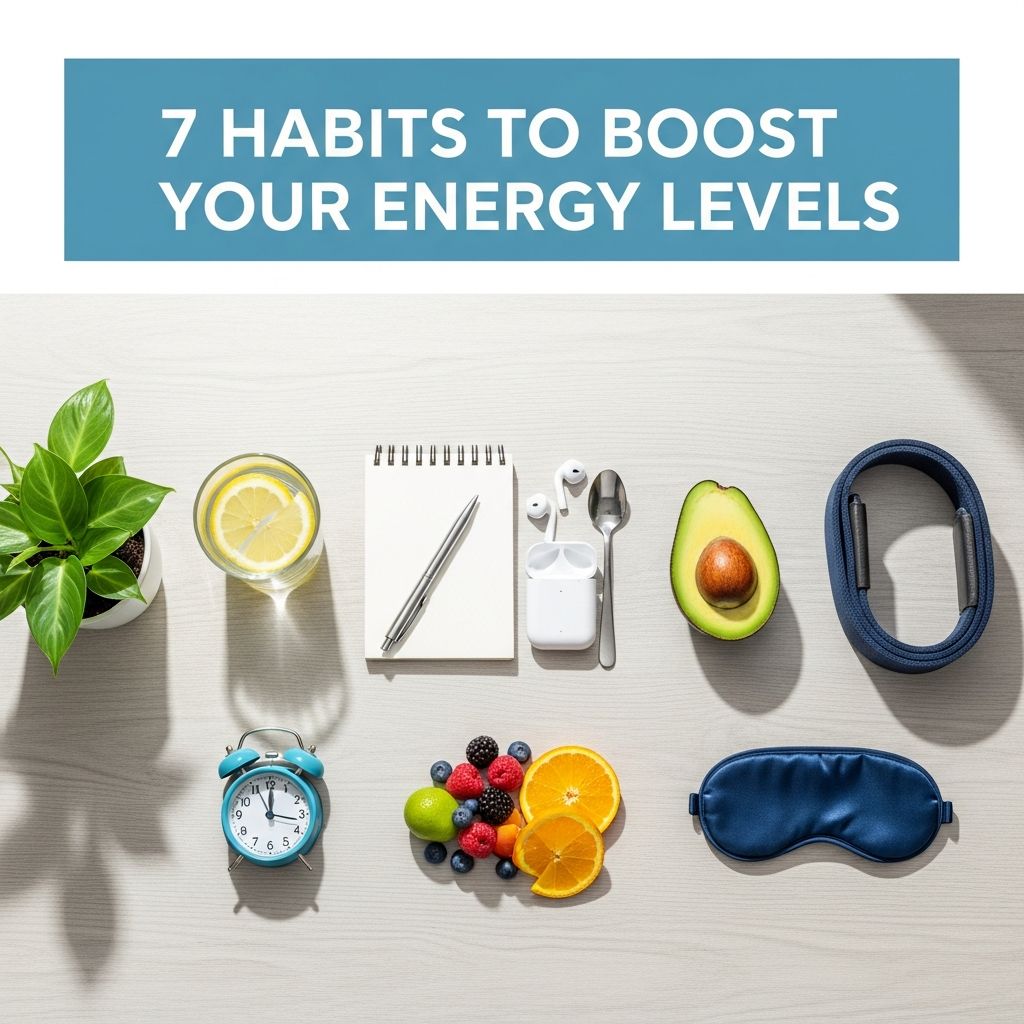
7 Habits to Boost Your Energy Levels
Feeling drained midday or struggling with afternoon slumps? Simple daily habits can transform your energy levels naturally. Drawing from expert advice by registered dietitians and research from leading health organizations, these seven habits focus on nutrition, hydration, movement, and recovery to keep you energized without relying on caffeine or sugar spikes.
1. Eat a Protein-Rich Breakfast Every Morning
Starting your day with a balanced, protein-packed breakfast stabilizes blood sugar and curbs later cravings. According to HSS dietitian Danna Raphael, protein-rich meals like eggs, oatmeal with nuts, or Greek yogurt reduce the 3 p.m. slump and promote healthier choices all day. Research from ZOE shows that personalized breakfasts matching your biology can boost energy in 82% of people within months.
Protein takes longer to digest, providing steady energy release. Eggs in a veggie omelet add fiber for satiety, while plain 2% Greek yogurt or cottage cheese offers high-quality protein without added sugars. Avoid sugary cereals or packets; opt for whole oats topped with a tablespoon of peanut butter or nuts.
- Quick ideas: Veggie omelet (2 eggs + spinach, peppers); overnight oats with yogurt and berries; cottage cheese with nuts.
- Why it works: Protein builds muscle tissue and sustains energy by slowing digestion.
2. Eat Regular Meals and Snacks Every 3-4 Hours
Skipping meals causes energy dips and overeating later. Aim for three small-to-moderate meals and two snacks every three to four hours to maintain even blood sugar levels. The American Heart Association (AHA) recommends nutrient-rich, frequent smaller meals over large ones to avoid grogginess from high-calorie, low-nutrient foods.
Balance each with complex carbs, proteins, and healthy fats. Hummus with veggies (carrots, cucumber, peppers) provides chickpeas for carbs and protein, tahini for fats, and fiber for fullness. Add whole wheat pita and lean protein like chicken or falafel for a complete snack-turned-meal.
| Meal/Snack Time | Example | Key Nutrients |
|---|---|---|
| Breakfast (7-8 AM) | Greek yogurt + berries + nuts | Protein, fiber, antioxidants |
| Mid-morning snack (10-11 AM) | Apple + peanut butter | Complex carbs, healthy fats |
| Lunch (1 PM) | Grilled chicken salad + quinoa | Protein, veggies, whole grains |
| Afternoon snack (3-4 PM) | Hummus + veggie sticks | Fiber, protein, fats |
| Dinner (6-7 PM) | Baked salmon + sweet potato + broccoli | Omega-3s, complex carbs, vitamins |
This rhythm prevents highs and lows, keeping you alert.
3. Prioritize Protein in Every Meal
Protein is essential for muscle repair and sustained energy, digesting slower than carbs for prolonged fullness. Sources include meat, fish, poultry, dairy, beans, lentils, nuts, and seeds. Raphael emphasizes its role in keeping energy steady without crashes.
YorkTest highlights eggs, yogurt, beans, and bananas as energy-boosting proteins and carbs. Pair with vitamin C-rich foods like spinach or citrus to enhance iron absorption, combating fatigue.
- Lean options: Chicken, turkey, fish, tofu.
- Plant-based: Lentils, chickpeas, quinoa, nuts.
- Dairy: Greek yogurt, cottage cheese.
4. Stay Hydrated with at Least 6-8 Cups of Water Daily
Dehydration causes fatigue, reduced attention, and mood dips—even 2% loss impacts performance. Aim for 6-8 cups daily, more if active. Fluids come from water-rich foods like cucumbers (96% water), watermelon, strawberries, celery, and cauliflower (92% water).
AHA and ZOE stress water’s role in energy balance; pair with meals for better hydration habits. Limit caffeinated drinks that dehydrate.
- Tips: Infuse water with lemon or cucumber; eat hydrating fruits as snacks.
- Signs of dehydration: Dry mouth, fatigue, dark urine.
5. Check Your Iron Levels and Eat Iron-Rich Foods
Iron deficiency leads to physical and mental fatigue. Boost intake with red meat, beans, lentils, spinach, sesame seeds, paired with vitamin C from citrus, strawberries, peppers, or broccoli for better absorption.
Regular blood tests can identify deficiencies; consult a doctor if fatigued persistently.
6. Limit Processed Foods and Choose Whole Foods
Processed foods, energy bars, and ultra-processed items (UPFs) cause blood sugar spikes and crashes due to added sugars, salts, and fats. ZOE research links high UPF intake to poor gut health and low energy; swap for whole foods.
HSS advises reading labels—if ingredients sound unnatural, skip them. Choose apple with peanut butter over bars. AHA favors fiber-rich whole grains, fruits, veggies for steady energy.
| Avoid | Swap With | Benefit |
|---|---|---|
| Potato chips | Baked potato with skin | Fiber, no crash |
| Sugary cereal | Oatmeal | Stable blood sugar |
| Candy bar | Dark chocolate | Antioxidants, less sugar |
| Soda | Fruit | Hydration, vitamins |
7. Incorporate Daily Movement and Prioritize Sleep
Exercise boosts energy paradoxically by improving circulation, mood, and sleep. Mayo Clinic via YorkTest recommends 30 minutes moderate activity daily to combat fatigue. ZOE confirms regular exercise reduces blood sugar spikes linked to tiredness.
Combine with 7-9 hours of quality sleep; manage stress to avoid energy drains. Limit alcohol and quit smoking for optimal vitality.
- Activities: Brisk walking, yoga, cycling.
- Sleep tips: Consistent bedtime, no screens pre-bed.
Frequently Asked Questions (FAQs)
What is the fastest way to boost energy naturally?
Hydrate immediately and eat a protein-carb snack like yogurt with fruit; effects appear in 20-30 minutes.
Can dehydration really cause fatigue?
Yes, even mild dehydration (2%) impairs focus and energy; drink water proactively.
How much protein do I need daily for energy?
Aim for 20-30g per meal; sources like eggs (6g each) or Greek yogurt (20g/cup) help.
Do energy bars work for sustained energy?
Often not—they’re processed with sugars causing crashes; choose whole food alternatives.
Does exercise increase or decrease energy?
Increases it long-term by stabilizing blood sugar and improving sleep quality.
Adopting these habits yields compounding benefits. Track progress for two weeks to notice sustained vitality. Consult professionals for personalized advice, especially with deficiencies.
References
- The Do’s and Don’ts of Eating for Energy — Hospital for Special Surgery (HSS). 2021-06-27. https://www.hss.edu/health-library/move-better/eating-for-energy
- 7 Proven Ways To Boost Energy — YorkTest US. N/A. https://www.yorktest.com/us/blog/7-ways-to-boost-energy/
- 5 Simple Heart-Healthy Energy Boosters — American Heart Association. N/A. https://www.heart.org/en/healthy-living/healthy-lifestyle/mental-health-and-wellbeing/5-simple-heart-healthy-energy-boosters
- 12 Science-backed Ways To Boost Energy — ZOE. 2025-11-11. https://zoe.com/learn/how-to-boost-your-energy
Similar Articles




Read full bio of medha deb