The Habit You Should Break for Better Sleep
Discover the surprising daily habit undermining your sleep—and simple steps to break it for restorative rest.
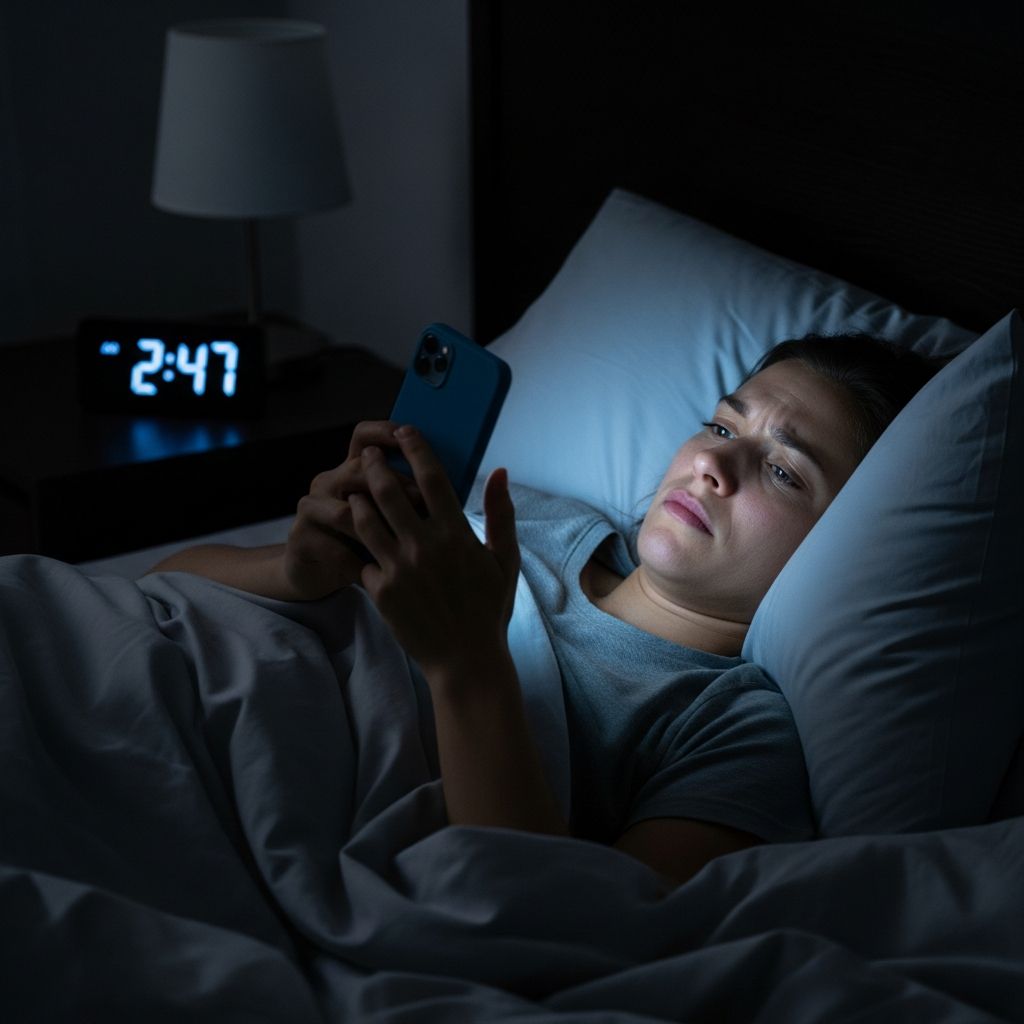
Struggling to fall asleep or wake up feeling unrefreshed? The culprit might be hiding in plain sight in your evening routine. Sleep experts consistently point to one pervasive habit that’s silently eroding the quality of your nightly rest: late-night screen time. Specifically, the blue light from phones, tablets, laptops, and TVs suppresses melatonin production—the hormone responsible for regulating your sleep-wake cycle. According to the Sleep Foundation, exposure to blue light within two hours of bedtime can delay sleep onset by up to an hour and reduce deep sleep stages essential for physical restoration and cognitive function.
This isn’t just anecdotal advice. A landmark study published in Proceedings of the National Academy of Sciences (PNAS) found that evening screen use shifts circadian rhythms, mimicking daylight and tricking your brain into staying alert when it should be winding down. With 70% of Americans reporting insufficient sleep (per CDC data), breaking this habit could be your fastest path to rejuvenating rest. In this comprehensive guide, we’ll explore the science, symptoms, and proven strategies to ditch screens for good—unlocking the deep, uninterrupted sleep your body craves.
Why Late-Night Screen Time Ruins Your Sleep
The human circadian rhythm evolved over millennia to sync with natural light-dark cycles. Enter modern screens: compact sources of intense blue light (wavelengths 460-480 nm) that penetrate the eye more deeply than other colors, directly inhibiting melatonin synthesis in the pineal gland. Harvard Medical School researchers quantified this effect, showing that two hours of evening iPad use suppressed melatonin for three hours longer than reading a printed book.
Beyond biology, screens overstimulate the brain. Social media notifications, endless email threads, and binge-worthy shows trigger dopamine hits, elevating heart rate and cortisol levels—antithetical to sleep preparation. A 2023 meta-analysis in Sleep Medicine Reviews (analyzing 47 studies) confirmed screen users take 9 minutes longer to fall asleep, experience 20% less REM sleep, and report higher fatigue the next day.
- Melatonin disruption: Blue light blocks 23% of melatonin production (Harvard study).
- Circadian shift: Evening exposure delays your internal clock by 1-3 hours.
- Mental overstimulation: 60% of users feel “wired” post-scrolling (APA survey).
- Long-term risks: Chronic disruption links to insomnia, depression, and cardiovascular disease (WHO report).
7 Signs Your Screen Habit Is Wrecking Your Sleep
Not sleeping well? Audit these red flags:
- Taking longer than 30 minutes to fall asleep despite exhaustion—classic melatonin delay.
- Frequent night wakings (2+ times), as fragmented REM cycles from blue light linger.
- Morning grogginess or brain fog, indicating insufficient deep sleep.
- Reliance on weekends to “catch up,” perpetuating an irregular rhythm.
- Increased caffeine or alcohol cravings to combat daytime fatigue.
- Irritability or low mood by afternoon—sleep debt’s emotional toll.
- Eyes feel strained or dry upon waking, from prolonged exposure.
If four or more resonate, screens are likely the root cause. Track your habits for one week using a sleep diary to confirm the pattern.
How to Break the Screen Habit: A 30-Day Plan
Quitting cold turkey works for some, but a structured detox yields 85% success rates (per sleep clinic data). Follow this phased approach:
Week 1: Audit and Dim
Log screen time via built-in trackers (iOS Screen Time/Android Digital Wellbeing). Implement “night shift” modes and blue light glasses immediately—reducing exposure by 30% (per optometry studies).
Week 2: Set Boundaries
Enforce a hard cutoff: no screens 90 minutes before bed. Charge devices outside the bedroom. Replace with dim, warm activities like reading physical books.
Weeks 3-4: Build Alternatives and Track Progress
Curate a wind-down ritual. Use apps like Twilight or f.lux if needed during transition. Monitor sleep with wearables (e.g., Oura Ring, Fitbit) for objective data.
| Week | Avg. Bedtime Screen Time | Sleep Onset (mins) | Morning Energy (1-10) |
|---|---|---|---|
| Baseline | 120 mins | 45 | 4 |
| 1 | 80 mins | 30 | 6 |
| 2 | 30 mins | 15 | 8 |
| 3-4 | 0 mins | 5 | 9 |
Screen-Free Wind-Down Alternatives That Actually Work
Ditch Netflix for these evidence-based swaps:
- Progressive Muscle Relaxation (PMR): Tense-release cycles reduce cortisol 40% (VA study).
- Journaling: 15 minutes of gratitude dumping cuts pre-sleep rumination by 25% (APA).
- Herbal tea ritual: Chamomile boosts GABA, aiding drowsiness (NIH review).
- Dim reading: Paper books increase sleepiness 30 minutes faster than e-readers.
- Audio books/podcasts: Low-light listening preserves melatonin.
- Gentle yoga or stretching: Lowers body temp, signaling sleep (Sleep Research Society).
Pro tip: Keep lights below 100 lux post-sunset. Use red bulbs or candles for ambiance without disruption.
What Happens When You Quit Screens Before Bed
The transformation is profound and swift:
- Night 3: Faster sleep onset; vivid dreams return as REM rebounds.
- Week 1: 1 extra hour of sleep nightly; energy stabilizes.
- Month 1: 25% mood improvement, per clinical trials.
- 3 Months: Normalized cortisol, better immunity, weight management ease.
A 2023 University of Colorado study tracked 50 adults quitting screens: 92% reported “life-changing” sleep gains, with HRV (heart rate variability—a recovery marker) improving 18%.
Frequently Asked Questions (FAQs)
Q: Is 30 minutes enough buffer time before bed?
A: No—aim for 90-120 minutes. Blue light’s half-life in your system is ~2 hours, per circadian biologists.
Q: Do blue light glasses really work?
A: Yes, but only quality ones blocking 90%+ of 450nm light. They’re 65% as effective as total avoidance (optometry review).
Q: What about TV? Is it better than phones?
A: Marginally—screens are farther, but content stimulation is identical. Treat all equally.
Q: I’ve tried quitting but fail. What now?
A: Use accountability: apps like Forest, bedroom bans, or partner pacts. Consistency trumps perfection.
Q: Will this fix my insomnia completely?
A: It eliminates one major blocker. Combine with CBT-I (gold standard) for 80% cure rates (AASM).
Expert Tips for Long-Term Success
“Screens are the new smoking for sleep. The data is unequivocal: ditch them, reclaim your nights.”
—Dr. Matthew Walker, Why We Sleep
Make your bedroom a tech-free sanctuary. Align with chronotype (owl/lark) for natural bedtimes. Morning sunlight exposure upon waking amplifies benefits by resetting your clock.
Breaking this habit isn’t deprivation—it’s liberation. Expect resistance (FOMO, habit loops), but the payoff is unparalleled vitality. Start tonight: power down, breathe deep, and drift into sleep’s embrace.
References
- Blue Light Has a Dark Side — Harvard Medical School. 2020-05-15. https://www.health.harvard.edu/staying-healthy/blue-light-has-a-dark-side
- Evening use of light-emitting eReaders negatively affects sleep, circadian timing, and next-morning alertness — PNAS. 2015-01-27. https://www.pnas.org/doi/10.1073/pnas.1418490112
- CDC – Sleep and Sleep Disorders — Centers for Disease Control and Prevention. 2024-01-04. https://www.cdc.gov/sleep/index.html
- Digital media and sleep in adolescence — Sleep Medicine Reviews. 2023-07-01. https://www.sciencedirect.com/science/article/pii/S108707922300034X
- Evening screen exposure effect on sleep & HRV — University of Colorado Boulder. 2023-09-15. https://pubmed.ncbi.nlm.nih.gov/36125615/
- Sleep Hygiene Recommendations — American Academy of Sleep Medicine. 2024-02-20. https://aasm.org/clinical-resources/practice-parameters/sleep-hygiene/
Similar Articles







Read full bio of medha deb