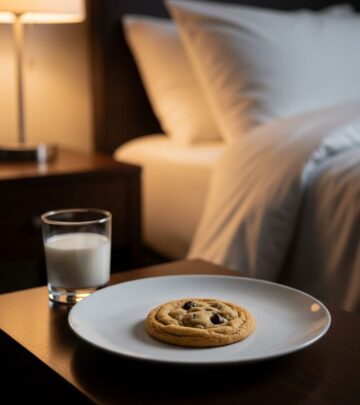
Habits That Disturb Your Sleep: Practical Tips For Better Rest
Discover common daily habits sabotaging your sleep and learn science-backed strategies to improve rest quality.
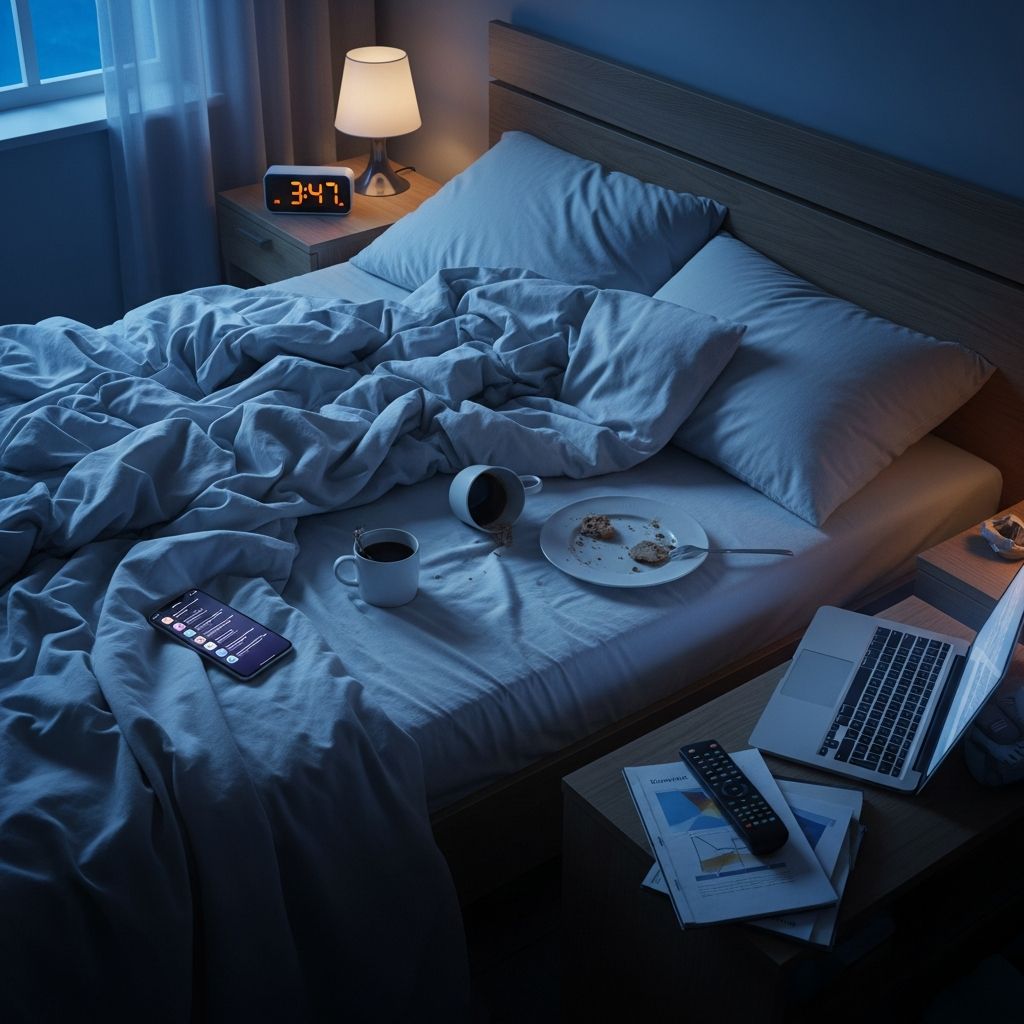
Habits That Disturb Your Sleep: A Comprehensive Guide
Quality sleep is essential for overall health and well-being, yet millions struggle with sleep disruption due to everyday habits they may not even recognize. From the timing of meals to caffeine consumption, numerous factors can sabotage your rest. Understanding these sleep-disrupting habits is the first step toward reclaiming restorative sleep and improving your health outcomes.
The Critical Connection Between Eating Habits and Sleep Quality
The relationship between food and sleep is bidirectional and profound. What you eat and when you eat it significantly influences how well you sleep at night. Research shows that insufficient or poor-quality sleep can directly affect food preferences, increasing cravings for calorie-rich or highly processed foods. Conversely, both the type and timing of food intake can impact sleep duration and quality, creating a complex cycle that requires conscious management.
Your body’s appetite, metabolism, and sleep cycles are governed by your circadian rhythm—your natural 24-hour internal clock. This biological system controls not only when you feel sleepy but also when you feel hungry. The closer these two systems work in harmony, the better your sleep quality tends to be.
Caffeine: The Hidden Sleep Disruptor
Understanding Caffeine’s Effects on Sleep
Caffeine is one of the most commonly consumed psychoactive substances worldwide, and its impact on sleep cannot be overstated. Regular consumption of caffeine and caffeine-containing drinks and foods has been linked to longer time to fall asleep, shorter total sleep duration, and reduced efficiency of sleep. It can degrade sleep quality, particularly by diminishing slow-wave (deep) sleep—the most restorative stage of the sleep cycle.
Many people underestimate caffeine’s persistence in the body. Caffeine can stay in your system for at least five hours after intake, and research shows that its effects on sleep depend on both the dose and timing of administration. A 100 mg dose has no significant impact on sleep up to 4 hours before bedtime, while a 400 mg dose negatively affects sleep when consumed anytime within 12 hours of bedtime. These effects are well documented across all age groups and may be especially pronounced in older adults.
Managing Caffeine Intake
- Limit caffeine consumption to morning hours only
- Avoid coffee, tea, energy drinks, and chocolate in the afternoon and evening
- Monitor total daily caffeine intake, including hidden sources in sodas and medications
- Consider gradual reduction if you’re a heavy caffeine user to minimize withdrawal headaches
- Substitute afternoon beverages with herbal teas, water, or decaffeinated options
Late-Night Eating and Meal Timing Issues
One of the most damaging habits for sleep quality is eating close to bedtime. Eating heavy meals or snacks within a few hours of sleep can cause significant sleep disruption. When you eat, your digestive system becomes active, requiring energy and attention that your body should be directing toward sleep preparation. This digestive activity can keep you awake or cause uncomfortable sleep with frequent awakenings.
Research indicates that eating a light dinner 2-3 hours before bedtime helps your body slowly ease into sleep mode. Heavy meals at night, consumed too close to bedtime, tell your body it’s in an awake state, making it harder for your body to transition into sleep mode. Additionally, late-night eating can increase the likelihood of suboptimal sleep timing and duration, with phenotypes characterized by “Later Heavy Eating” and “Restricted Window Eating” carrying the highest risk for poor sleep.
Optimal Eating Schedule for Better Sleep
- Eat your largest meal at lunch, not dinner
- Have your last substantial meal 2-3 hours before bed
- Maintain consistent mealtimes each day to align with your circadian rhythm
- Avoid eating immediately upon waking or right before sleep
- Allow adequate time between breakfast and your next meal
Alcohol and Its Paradoxical Sleep Effects
Alcohol presents a deceptive sleep problem because of its paradoxical effects. While alcohol may initially make you feel tired and facilitate sleep initiation immediately after ingestion, it tends to fragment sleep later in the night. Alcohol alters normal sleep architecture by particularly decreasing REM sleep—the stage crucial for memory consolidation and emotional regulation—during the latter part of the night. This results in increased awakenings and non-restorative sleep, leaving you feeling unrested despite spending hours in bed.
The evening “nightcap” is a common but counterproductive sleep habit. Even moderate alcohol consumption can disrupt your sleep patterns and prevent you from achieving the deep, restorative sleep your body needs.
High-Calorie and Processed Foods
The type of food you consume matters significantly for sleep quality. In general, healthy food intake is associated with better sleep quality, while processed and free-sugar-rich foods impair it. Poor-quality sleep can increase your appetite for sweets and high-calorie foods—a vicious cycle driven by reduced frontal cortex activity and increased amygdala activation in sleep-deprived individuals.
Foods and Beverages to Avoid Before Bed
- Sugary snacks and desserts that cause blood sugar spikes
- High-fat and fried foods that slow digestion
- Spicy foods that may cause heartburn or indigestion
- Sugar-sweetened beverages and energy drinks (especially in adolescents)
- Chocolate and other caffeine-containing treats
- Large, heavy protein-rich meals close to bedtime
The Impact of Carbohydrate Timing and Types
Interestingly, not all carbohydrates affect sleep the same way. Regular consumption of high-carbohydrate foods has been characterized by a shorter time to fall asleep, less deep sleep, and a higher proportion of REM sleep. Meanwhile, diets rich in fat have been linked to reduced efficiency of sleep but increased slow-wave sleep. The relationship between macronutrients and sleep is complex and individual-dependent.
Sleep-Promoting Foods and Nutrients
Nutrients That Support Sleep
Evidence suggests that specific foods and dietary sources can promote better sleep. Dietary sources of tryptophan and melatonin showed sleep-promoting effects. Foods like milk, fish, fruit, and vegetables might promote sleep quality and duration. Additionally, foods high in melatonin, tryptophan, and magnesium improve sleep quality, including foods such as eggs, fish, chicken, and spinach.
Recommended Sleep-Friendly Foods
- Fish and poultry (rich in tryptophan)
- Eggs (contain melatonin and tryptophan)
- Leafy green vegetables like spinach (high in magnesium)
- Milk and dairy products (calcium and tryptophan)
- Fruits and berries (contain natural melatonin)
- Nuts and seeds (magnesium and tryptophan)
- Whole grains (complex carbohydrates with B vitamins)
Inconsistent Meal Timing and Circadian Disruption
Your body thrives on consistency. One of the most underrated sleep habits involves maintaining consistent mealtimes. The National Sleep Foundation’s 2022 Sleep in America Poll shows that having consistent mealtimes is significantly associated with healthier sleep. Among those surveyed, people who said they eat their meals at the same time every day had better sleep health than those with more inconsistent meal schedules.
Surprisingly, only 59 percent of Americans eat all meals at around the same time, which means that 4 in 10 Americans could be improving their sleep just by eating meals more consistently. Eating your meals at different times each day can confuse your body’s clock, making it harder to maintain regular sleep and wake schedules. This is especially problematic when combined with irregular sleep times, creating a double disruption to your circadian rhythm.
Evening chronotypes, for instance, are more likely to skip breakfast, postpone meals, and engage in nocturnal eating—behaviors linked to poor sleep quality. Research indicates that each additional hour between wake time and the first eating occasion, as well as between the last eating episode and bedtime, increased the likelihood of suboptimal sleep timing and duration.
The Hunger-Sleep Balance
While eating too much before bed disrupts sleep, going to bed hungry is equally problematic. Hunger is a known factor in keeping you awake and preventing quality rest. The key is finding the right balance: eating a quick, light snack at bedtime if hunger persists so that hunger symptoms do not interrupt your rest. However, this snack should be small and easy to digest, not a full meal.
It is important to eat your heavier meals several hours before bedtime to give your body enough time to digest the food properly. Digestion slows once your body relaxes for sleep, leaving the chance of being woken up to digestion issues. A small, light snack containing complex carbohydrates and protein can help satisfy hunger without causing digestive discomfort.
Stimulant-Containing Foods and Beverages
Beyond caffeine, other stimulants can disrupt sleep quality. Stimulant-containing beverages and foods negatively impact sleep, and their effects extend beyond just coffee and tea. Energy drinks, which are increasingly popular among adolescents, have been consistently linked to shorter sleep duration in multiple populations. These beverages often contain excessive amounts of caffeine and sugar, creating a double sleep-disruption effect.
Additionally, stimulating foods like spicy dishes can activate your digestive system and raise your heart rate when consumed close to bedtime, making it harder to fall asleep.
Building Better Sleep Habits: Practical Strategies
Create a Sleep-Optimized Eating Schedule
- Eat breakfast at the same time each morning to anchor your circadian rhythm
- Space meals 3-4 hours apart to maintain consistent energy levels
- Finish eating at least 2-3 hours before bedtime
- Keep dinner lighter than lunch
- Avoid skipping meals, which can lead to nighttime hunger
Make Informed Beverage Choices
- Switch to decaffeinated coffee or herbal teas in the afternoon
- Avoid alcohol in the evening, especially close to bedtime
- Limit water intake right before bed to avoid sleep disruptions from bathroom visits
- Stay hydrated throughout the day instead
Frequently Asked Questions
Q: How long before bedtime should I stop eating?
A: Aim to finish eating at least 2-3 hours before bedtime. This allows your body sufficient time to digest food and transition into sleep mode without digestive discomfort.
Q: Can I have a light snack before bed if I’m hungry?
A: Yes, a small, light snack is acceptable if you’re hungry. Choose options like a small banana, handful of nuts, or a small bowl of cereal. Avoid large meals, high-fat foods, and sugary items.
Q: How much caffeine is too much for sleep?
A: A 100 mg dose of caffeine has minimal impact on sleep if consumed up to 4 hours before bedtime, but a 400 mg dose negatively affects sleep when consumed within 12 hours of bedtime. Most people should limit daily caffeine intake and avoid it after 2 PM.
Q: Does alcohol really help you sleep better?
A: While alcohol may make you fall asleep initially, it fragments sleep later in the night, reduces REM sleep, and leads to non-restorative sleep. It’s better to avoid alcohol in the evening for quality sleep.
Q: Why is meal timing consistency important for sleep?
A: Consistent mealtimes help regulate your circadian rhythm, your body’s natural 24-hour internal clock. This alignment improves both sleep quality and overall health.
The Path Forward: Transforming Your Sleep Through Better Habits
Quality sleep is not a luxury—it’s a fundamental component of health. By recognizing and addressing the habits that disturb your sleep, you take control of one of the most important aspects of your well-being. The relationship between nutrition, meal timing, and sleep quality is well-established through extensive research, and the solutions are often simpler than you might think.
Start by identifying which of these sleep-disrupting habits affects you most significantly. Perhaps it’s your afternoon coffee, late-night snacking, inconsistent meal times, or evening alcohol consumption. Focus on changing one habit at a time, allowing your body to adjust before making additional changes. Within a few weeks, you should notice improvements in how quickly you fall asleep, how restful your sleep feels, and how energized you are during the day.
Remember that nutrition is the direct link to influencing your body’s natural processes, like sleep. By taking a comprehensive approach to both what and when you eat, you’re investing in better health, improved mood, enhanced cognitive function, and greater overall quality of life. Your body will thank you with the restorative sleep it has been craving.
References
- Exploring the Association Between Eating Behavior and Sleep Quality — National Center for Biotechnology Information, U.S. National Library of Medicine. 2024. https://pmc.ncbi.nlm.nih.gov/articles/PMC12430387/
- Get Healthy Sleep by Eating Right on Schedule — National Sleep Foundation. 2022. https://www.thensf.org/get-healthy-sleep-by-eating-right-on-schedule/
- How What You Eat Affects Your Sleep — Covington Hospital. https://covingtonhospital.com/how-what-you-eat-effects-your-sleep/
- 8 Things Doctors Wish Patients Knew About Healthy Sleep Habits — American Medical Association. https://www.ama-assn.org/public-health/prevention-wellness/8-things-doctors-wish-patients-knew-about-healthy-sleep-habits
- 13 Healthy Sleep Habits — MD Anderson Cancer Center. https://www.mdanderson.org/cancerwise/healthy-sleep-habits.h00-159778812.html
Similar Articles







Read full bio of Sneha Tete