Habits To Prevent Brain Rot: 10 Evidence-Based Strategies
Discover science-backed habits to combat brain rot from digital overload and maintain sharp cognitive function in the digital age.
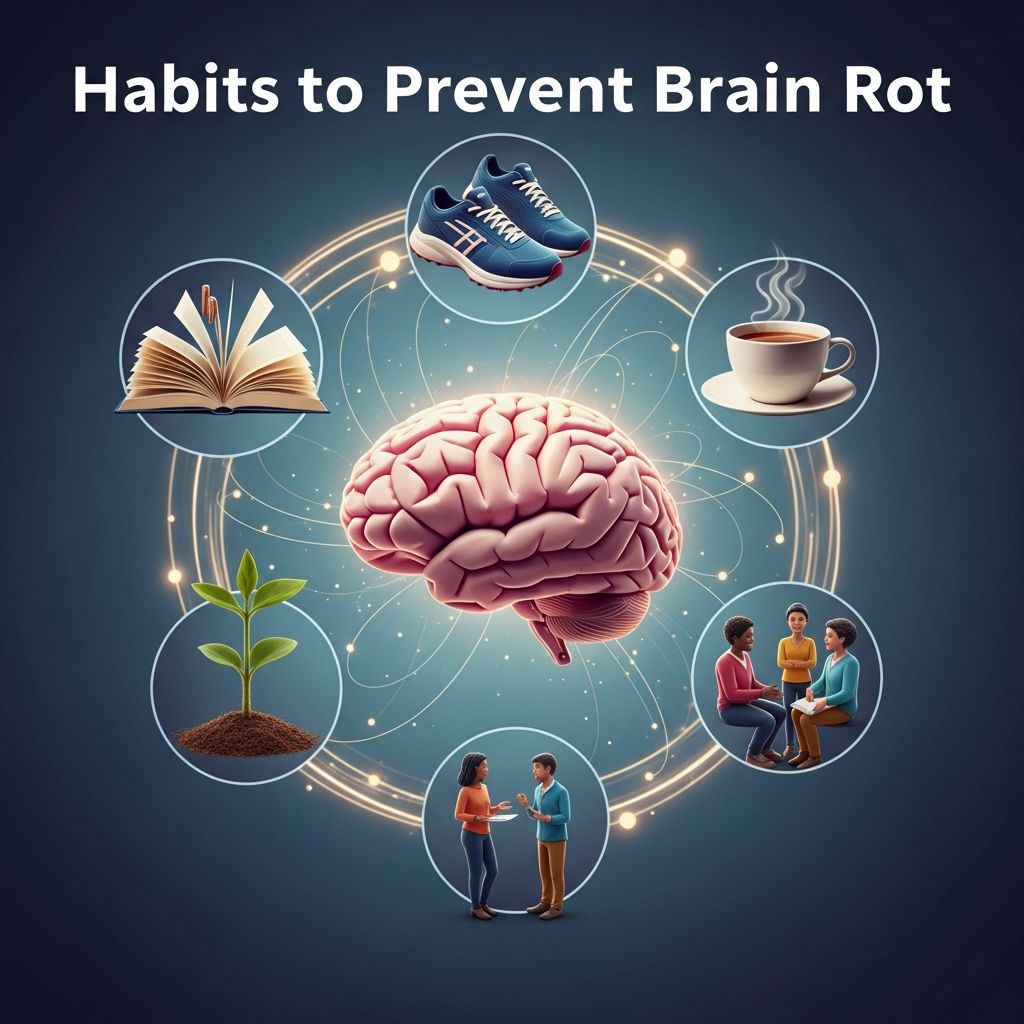
“Brain rot” describes cognitive decline from excessive low-quality digital content consumption, like endless social media scrolling, leading to shortened attention spans, poor memory, and reduced problem-solving skills. While not a medical diagnosis, experts link it to digital overload taxing the brain’s reward systems via dopamine loops. This article outlines 10 evidence-based habits to safeguard your brain, drawing from health authorities like Mayo Clinic and peer-reviewed research.
What Is Brain Rot?
Brain rot refers to perceived mental deterioration from overconsumption of short-form, low-value online content such as TikTok videos or doomscrolling. It manifests as difficulty focusing, forgetfulness, and mental fatigue. Studies show adolescents and young adults averaging 7+ hours daily on screens for entertainment experience impaired memory, attention, and executive function. Algorithms exploit dopamine for endless engagement, exacerbating cognitive overload.
Unlike clinical conditions like dementia, brain rot is reversible through lifestyle changes. Health experts emphasize curating content and balancing digital use with enriching activities to restore resilience.
1. Get Regular Exercise
Physical activity boosts brain health by increasing blood flow, reducing inflammation, and promoting neuroplasticity—your brain’s ability to form new connections. The Department of Health and Human Services recommends 150 minutes of moderate aerobic exercise weekly, like brisk walking, or 75 minutes vigorous, such as jogging. Research links exercise to lower Alzheimer’s risk and sharper cognition.
- Try 10-minute walks if full workouts are tough.
- Aim for strength training 2 days weekly for balanced benefits.
Exercise counters digital sedentary habits, enhancing mood and energy.
2. Protect Your Head
Brain injuries from falls or impacts can cause lasting cognitive deficits in thinking, memory, and emotions. Always wear helmets during biking, skiing, motorcycling, or similar activities. Simple precautions preserve brain integrity amid active lifestyles.
- Bike helmets reduce head injury risk by 60-88% per CDC data (cited in Mayo guidelines).
- Use seatbelts and avoid risky behaviors like distracted driving.
3. Eat a Brain-Healthy Diet
A nutrient-rich diet fuels cognition. The MIND diet—Mediterranean-DASH hybrid for neurodegenerative delay—emphasizes leafy greens, berries, nuts, whole grains, poultry, and fish while limiting red meat, sweets, and butter. Studies show it slows cognitive decline.
| Brain-Boosting Foods | Benefits | Serving Goal |
|---|---|---|
| Leafy greens (kale, spinach) | Antioxidants protect neurons | 6+ servings/week |
| Berries (blueberries) | Improve memory | 2+ servings/week |
| Nuts | Healthy fats for brain structure | 5 servings/week |
| Fish (salmon) | Omega-3s reduce inflammation | 1+ servings/week |
Avoid processed foods that promote inflammation.
4. Prioritize Quality Sleep
Sleep (7-9 hours nightly for adults) consolidates memories and clears brain toxins. Screen light before bed disrupts melatonin, worsening fatigue. Conditions like sleep apnea raise dementia risk; consult a doctor if snoring persists.
- Establish a no-screen bedtime routine.
- Keep consistent sleep schedules.
5. Challenge Your Brain
Mental stimulation builds cognitive reserve. Engage in puzzles, reading, learning instruments, or new hobbies to enhance memory and function. These offset digital passivity.
Related Stories



- Crossword puzzles daily.
- Volunteer or join community groups.
6. Reduce Screen Time
Excess screens (7+ hours/day) cause cognitive drain. Use device tools to limit social media and streaming. Self-regulation improves focus and mental health.
- Follow 20-20-20 rule: 20 min screen, 20 sec break, look 20 ft away.
- Set daily limits; delete distracting apps.
7. Curate Your Content
Mindfully select uplifting, educational content over clickbait or negativity. Critical thinking prevents misinformation overload. Plan consumption to avoid endless scrolls.
8. Engage in Offline Activities
Balance screens with non-digital pursuits like exercise, music, writing, or volunteering. These boost cognitive flexibility and problem-solving. American Academy of Pediatrics endorses offline hobbies for all ages.
9. Practice Mindfulness
Mindful tech use, like digital detoxes and cognitive training, mitigates brain rot effects. Track usage for awareness; foster social connections offline.
10. Build Social Connections
Social engagement combats isolation from screens. Positive interactions—in-person or curated online—enhance resilience. Parents and educators play key roles.
Frequently Asked Questions
What causes brain rot?
Excessive low-quality digital content via dopamine loops shortens attention and impairs executive function.
Is brain rot reversible?
Yes, through habits like exercise, diet, and screen limits.
How much screen time is too much?
Over 7 hours entertainment daily risks cognitive issues; use built-in limits.
Can kids get brain rot?
Yes; family screen plans and offline activities help.
Long-Term Brain Health Strategy
Integrate these habits: Combine exercise with mental challenges, pair diet with sleep hygiene, and offset screens with social, offline pursuits. Track progress weekly for sustained sharpness. While digital benefits exist, mindful balance prevents rot.
References
- Brain Rot Explained: How Digital Overload Affects Your Mind — Inspira Health Network. 2024. https://www.inspirahealthnetwork.org/news/healthy-living/brain-rot-explained-how-digital-overload-affects-your-mind
- 8 brain health tips for a healthier you — Mayo Clinic. 2023-10-12. https://www.mayoclinic.org/healthy-lifestyle/healthy-aging/in-depth/brain-health-tips/art-20555198
- Demystifying the New Dilemma of Brain Rot in the Digital Era — National Library of Medicine (NIH). 2024. https://pmc.ncbi.nlm.nih.gov/articles/PMC11939997/
- Is brain rot real? Here’s what brain health experts say — American Heart Association. 2025-05-27. https://www.heart.org/en/news/2025/05/27/is-brain-rot-real-heres-what-brain-health-experts-say
- Brain Rot: Why Brain Health Matters Now More Than Ever — Psychology Today. 2024-12. https://www.psychologytoday.com/us/blog/brain-care-for-all/202412/brain-rot-why-brain-health-matters-now-more-than-ever
Similar Articles








Read full bio of medha deb