Haematohidrosis: What You Need To Know About Sweating Blood
Rare condition where individuals sweat blood due to capillary rupture under extreme stress, often linked to psychological factors.
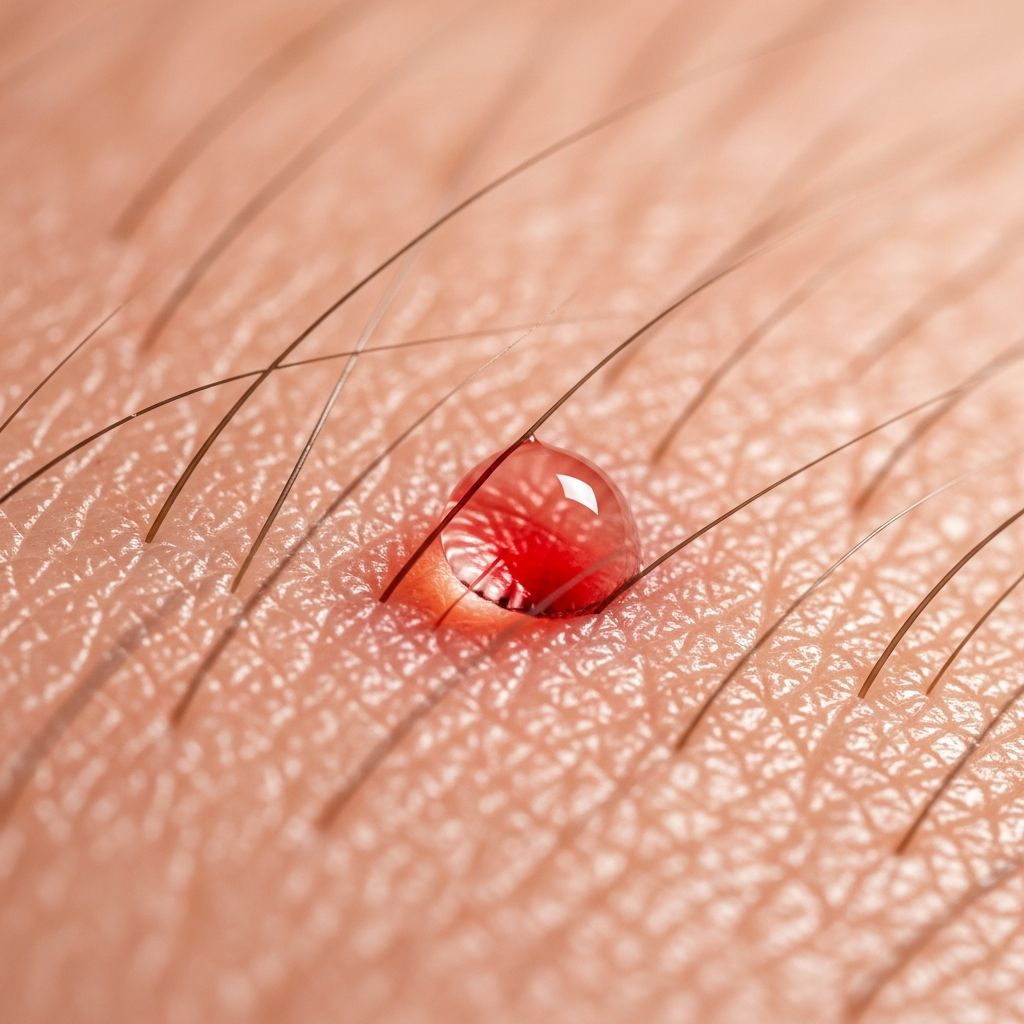
Haematohidrosis, also known as hematidrosis or blood sweat, is an extremely rare condition in which a person sweats blood or blood-stained fluid from intact skin surfaces. This phenomenon occurs when capillaries surrounding sweat glands rupture, mixing blood with perspiration. It is most commonly associated with extreme physical or emotional stress, though the exact mechanism remains incompletely understood.
What is haematohidrosis?
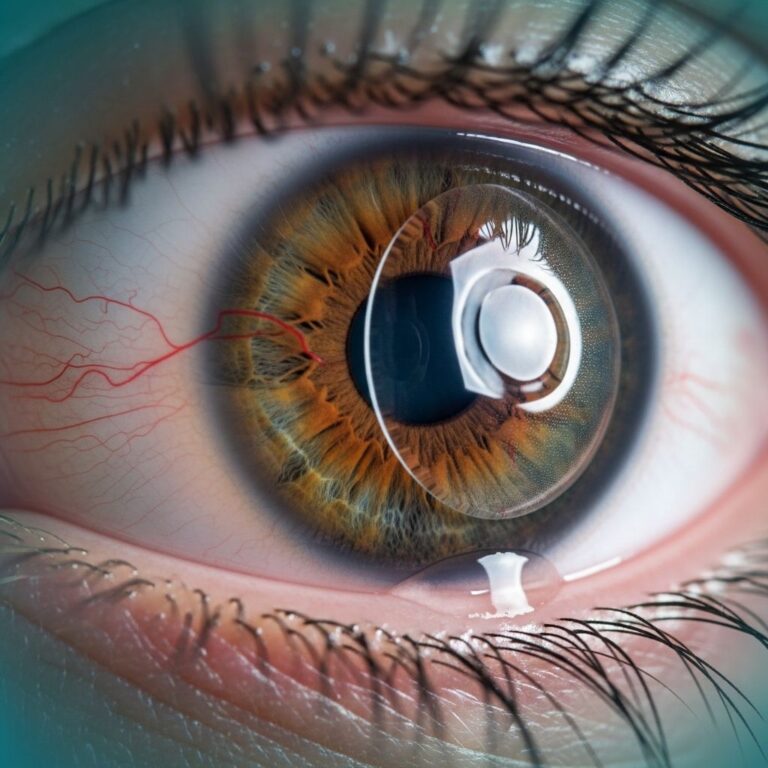
Haematohidrosis involves the excretion of blood-tinged sweat from the skin without any injury or cut. The bloody sweat typically appears as droplets or oozing from areas rich in sweat glands, such as the forehead, face, scalp, hands, and feet. In some cases, it affects mucous membranes, leading to blood-stained tears, nosebleeds, or even vicarious menstruation. The condition is self-limiting in episodes but can recur, causing significant distress to affected individuals.
The rarity of haematohidrosis makes it challenging to study systematically. Most medical literature consists of case reports rather than large-scale studies, highlighting its mysterious nature. The secreted fluid can range from dilute, pinkish perspiration to opaque, bright red blood-like droplets. Skin in affected areas often becomes tender and fragile due to repeated episodes.
Who gets haematohidrosis?
Haematohidrosis can affect individuals of any age, gender, or ethnicity, but documented cases are exceedingly sparse worldwide. It has been reported in children, adolescents, and adults, with no clear predisposing demographic factors. Historical accounts suggest it may occur more frequently in high-stress environments or during periods of intense emotional turmoil.
- Age range: From young children to elderly adults, though adolescent cases are prominent in literature.
- Gender: No strong predilection; both males and females affected equally in reported cases.
- Prevalence: Estimated at fewer than 100 confirmed cases globally, underscoring its ultra-rare status.
Individuals with underlying anxiety disorders, psychiatric conditions, or those facing acute stressors (e.g., examinations, trauma, or religious ecstasy) appear overrepresented, though this may reflect reporting bias.
Clinical features
Symptoms of haematohidrosis typically manifest suddenly during episodes triggered by stress. Patients report intense abdominal pain, headaches, or palpitations preceding the onset. Blood oozes from multiple sites, often profusely enough to stain clothing but rarely causing significant blood loss.
| Common Sites | Description |
|---|---|
| Forehead and face | Most frequent; droplets form during sweating. |
| Nails and fingertips | Bleeding from nail beds without trauma. |
| Umbilicus (navel) | Oozing from the central abdominal area. |
| Eyes and mucous membranes | Blood-tinged tears or epistaxis (nosebleeds). |
| Hands, feet, and scalp | Diffuse sweating of bloody fluid. |
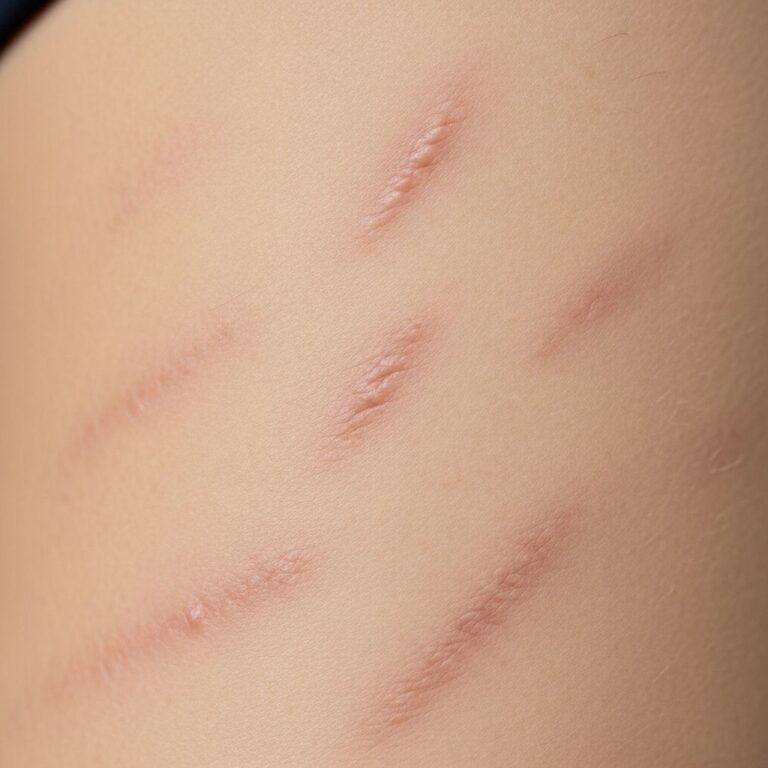
Episodes last minutes to hours and resolve spontaneously. Skin may appear ecchymotic (bruised) post-episode. Psychological impact is profound, with anxiety amplified by the alarming sight of blood.
Pathophysiology
The underlying pathophysiology involves rupture of capillaries surrounding eccrine sweat glands. Under extreme stress, the sympathetic nervous system activates the fight-or-flight response, causing initial vasoconstriction followed by hyperdilation. Fragile capillaries burst, allowing blood to enter the sweat glands and mix with secretions, which are then expelled through pores.
Related Stories



Dr. Frederick Zugibe’s theory posits a net-like arrangement of blood vessels around sweat glands that dilate to rupture under pressure. Other hypotheses include dermal defects providing space for blood accumulation or hypersensitivity reactions like psychogenic purpura. However, not all cases link to identifiable stress; some occur without triggers, suggesting multifactorial etiology.
Despite rising stress prevalence in modern society, haematohidrosis remains rare, implying co-factors such as genetic vascular fragility or autonomic dysfunction.
Diagnosis
Diagnosis is clinical, based on history and observation of bloody sweat from intact skin. Extensive investigations rule out coagulopathies, infections, or malignancies. Key tests include:
- Complete blood count (CBC) to assess platelets, hemoglobin, and white cells.
- Coagulation profile (PT, aPTT, fibrinogen).
- Skin biopsy of affected areas for histopathology.
- Cultures and serology for infections (e.g., viral, bacterial).
- Psychological evaluation and stress assessment.
- Neurological imaging (MRI/CT) if central causes suspected.
Biopsies typically show dilated capillaries around sweat glands with extravasated erythrocytes, without inflammation or neoplasia. Normal lab results are common, reinforcing the diagnosis of primary haematohidrosis.
Differential diagnosis
- Factitious disorder: Self-inflicted bleeding or pigment manipulation.
- Vicarious menstruation: Endometrial tissue ectopically bleeding.
- Hyperhidrosis with hematuria/purpura: Sweat colored by urinary blood.
- Coagulopathies: e.g., hemophilia, thrombocytopenia.
- Infections/malignancies: Rarely mimic with oozing.
- Psychogenic purpura: Autoerythrocyte sensitization causing bruises.
Exclusion of these via tests confirms haematohidrosis.
Treatment
No standardized treatment exists due to rarity; management targets triggers and symptoms. Stress reduction is paramount.
- Pharmacological: Beta-blockers (e.g., propranolol 10mg) reduce sympathetic overactivity; atropine patches block autonomic responses; anxiolytics/antidepressants for psychological triggers.
- Psychotherapy: Counseling, cognitive behavioral therapy (CBT) to manage anxiety.
- Supportive: Hydration, reassurance; bleeding control agents if needed.
Case reports show symptom resolution with beta-blockers or atropine, though recurrences occur. Long-term prognosis is excellent; episodes often remit spontaneously.
Historical cases
Haematohidrosis features in religious texts, e.g., Jesus sweating blood in the Garden of Gethsemane (Luke 22:44). Leonardo da Vinci noted it in soldiers before battle. Modern cases include an 18-year-old with recurrent facial bleeding resolving after 20 months, and Indian reports of stress-induced episodes.
Frequently Asked Questions (FAQs)
Q: Is haematohidrosis life-threatening?
A: No, it rarely causes significant blood loss or complications beyond dehydration and anxiety. It is not linked to fatal conditions.
Q: Can stress really cause sweating blood?
A: Yes, extreme stress ruptures capillaries via sympathetic activation, as supported by case studies and pathophysiology.
Q: How is haematohidrosis treated?
A: Beta-blockers, anxiolytics, and stress management; symptoms often self-resolve.
Q: Is haematohidrosis contagious or genetic?
A: Neither; it’s idiopathic or stress-related, with no evidence of contagion or heritability.
Q: How rare is this condition?
A: Extremely rare, with fewer than 100 documented cases worldwide.
References
- Hematidrosis (sweating blood): Causes and treatments — Medical News Today. 2017-06-15. https://www.medicalnewstoday.com/articles/319110
- Hematidrosis — Wikipedia (sourced from peer-reviewed refs). 2023-01-01. https://en.wikipedia.org/wiki/Hematidrosis
- Hematidrosis (Sweating Blood): Symptoms, Causes, Treatment — WebMD. 2024-01-01. https://www.webmd.com/a-to-z-guides/hematidrosis-hematohidrosis
- HEMATOHIDROSIS – A RARE CLINICAL PHENOMENON — PMC (NCBI). 2009-12-01. https://pmc.ncbi.nlm.nih.gov/articles/PMC2810702/
- Hematidrosis (Blood in Sweat) — International Hyperhidrosis Society. 2023-01-01. https://www.sweathelp.org/home/hematidrosis-blood-in-sweat.html
- Hematidrosis (Sweating Blood): Causes and Treatment — Healthline. 2023-01-01. https://www.healthline.com/health/hematidrosis
- Haematohidrosis — DermNet NZ. 2024-01-01. https://dermnetnz.org/topics/haematohidrosis
Similar Articles








Read full bio of Sneha Tete