Haemochromatosis: Causes, Symptoms, and Treatment
Understanding haemochromatosis: genetic iron overload affecting skin, organs, and overall health.
Haemochromatosis: Overview and Definition
Haemochromatosis, also known as hereditary hemochromatosis, is a genetic disorder characterized by excessive iron accumulation in body tissues. The condition disrupts the body’s natural ability to regulate dietary iron absorption, leading to progressive iron overload that can damage multiple organ systems. Unlike most disorders where the body carefully controls iron levels, individuals with haemochromatosis absorb too much iron from their diet and cannot effectively eliminate the excess through normal physiological processes.
The most common form, Type 1 haemochromatosis, is an autosomal recessive disorder with particularly high prevalence in populations of Northern European descent. Despite the relatively high frequency of the genetic mutation in the general population, the condition demonstrates variable clinical expression and incomplete penetrance, meaning not all individuals carrying the mutation develop symptomatic disease.
Pathophysiology and Iron Metabolism
The normal regulation of iron absorption depends on a hormone called hepcidin, which controls iron entry into the bloodstream and its storage in tissues. In hereditary haemochromatosis, mutations in the HFE gene on chromosome 6 result in decreased hepcidin production or hepcidin resistance, disrupting this delicate balance. Consequently, the intestines absorb excessive amounts of dietary iron, which accumulates progressively in parenchymal cells throughout the body.
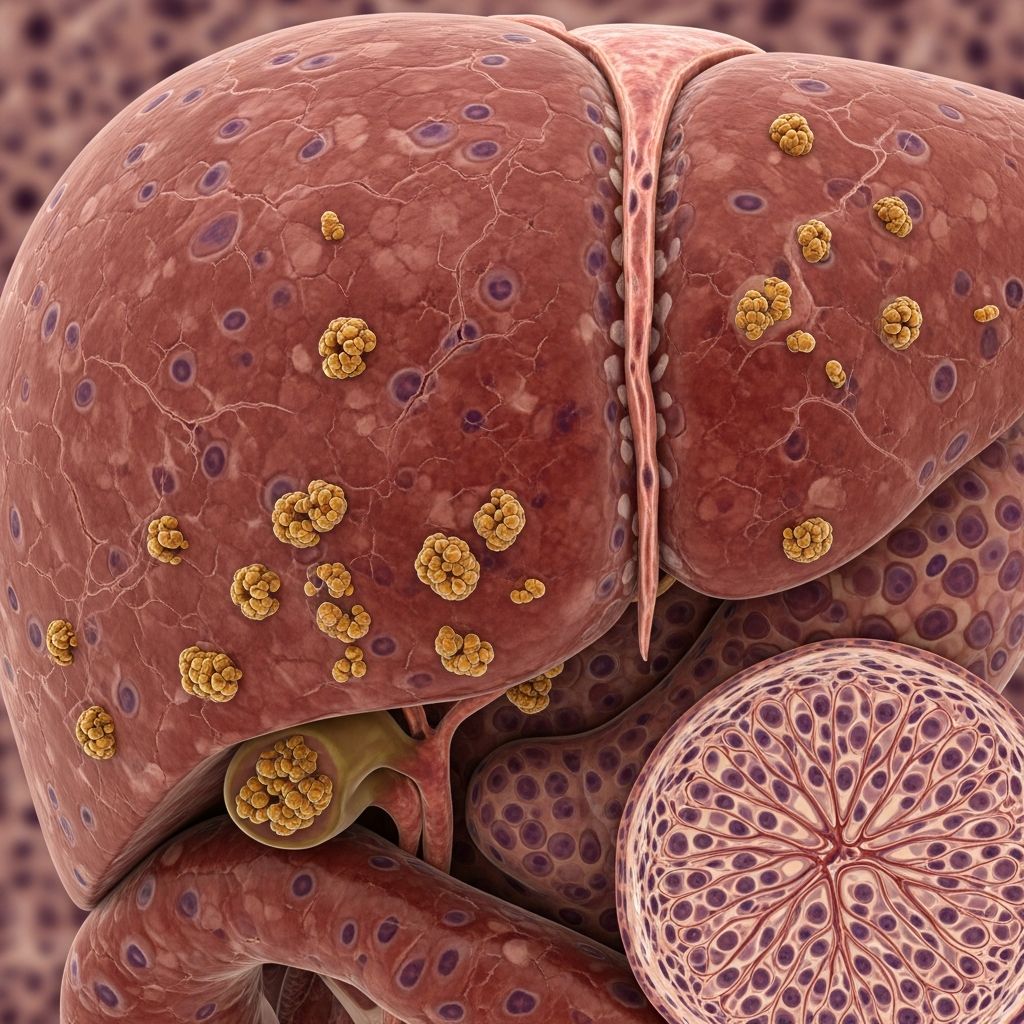
Excess iron is stored as hemosiderin within cellular tissues, eventually leading to cellular dysfunction and damage through oxidative stress mechanisms. The liver, pancreas, heart, joints, skin, thyroid, pituitary gland, and gonads are particularly vulnerable to iron deposition, each suffering characteristic complications as iron levels rise over time.
Types of Haemochromatosis
Several distinct types of hereditary haemochromatosis have been identified, classified by their genetic basis and clinical presentation:
- Type 1: The most common form, caused by HFE gene mutations (particularly C282Y and H63D variants), inherited in autosomal recessive fashion and typically affecting males more frequently.
- Type 2: Also called juvenile haemochromatosis, inherited in autosomal recessive fashion without sex predilection, typically manifesting between ages 15-20 with rapid iron accumulation.
- Type 3: A rarer variant with different genetic origins than Type 2.
- Type 4: An additional rare form of hereditary haemochromatosis.
- Secondary haemochromatosis: Iron overload resulting from frequent blood transfusions or certain hematological disorders rather than primary genetic dysfunction.
Clinical Presentation and Symptoms
The manifestations of haemochromatosis vary considerably depending on which organs have accumulated excessive iron and the severity of iron overload. Common presenting features include the following:
- Fatigue and weakness: Almost universal among symptomatic patients, often the earliest symptom.
- Arthralgias: Joint pain affecting multiple joints, frequently an early complaint.
- Skin changes: Bronze or grey discoloration of the skin, a characteristic finding that gave rise to the historical term “bronze diabetes.”
- Abdominal pain: Related to liver or pancreatic involvement.
- Loss of sexual desire: Related to pituitary gland damage from iron accumulation.
- Weight loss: Often observed in progressive disease.
- Loss of body hair: Another manifestation of endocrine dysfunction.
Related Stories



Importantly, many individuals with hereditary haemochromatosis remain asymptomatic, particularly in the early stages of iron accumulation. When symptoms do develop, they typically appear during adulthood, with patients often remaining symptomatic for up to 10 years before diagnosis is established. The nonspecific nature of early symptoms—particularly fatigue and joint pain—frequently leads to delayed recognition and diagnosis.
Organ System Complications
Hepatic (Liver) Complications
The liver is the primary target organ for iron deposition in haemochromatosis. Micronodular cirrhosis develops in approximately 70% of patients with unmanaged haemochromatosis, representing permanent liver scarring that profoundly impairs hepatic function. Cirrhosis significantly increases the risk of hepatocellular carcinoma, a leading cause of death in haemochromatosis patients. Additionally, cirrhosis may lead to portal hypertension, ascites, and other life-threatening complications.
Pancreatic Complications and Diabetes
Iron deposition in the pancreas damages insulin-producing beta cells, leading to diabetes mellitus in approximately 50% of homozygous individuals. The risk of developing diabetes is also elevated in heterozygous carriers, though to a lesser degree. Pancreatic damage may also contribute to chronic pancreatitis and pancreatic insufficiency.
Cardiac (Heart) Complications
Excess iron in cardiac tissue affects the heart’s ability to circulate adequate blood throughout the body, potentially resulting in congestive heart failure. Haemochromatosis can also cause irregular heart rhythms called arrhythmias, which may progress to life-threatening cardiac dysfunction.
Joint and Articular Complications
Iron deposition in joints causes arthropathy, characterized by chronic joint pain and dysfunction that resembles rheumatoid arthritis. The arthropathy is often progressive and can significantly impact quality of life and physical function.
Endocrine and Other Complications
Iron accumulation in the pituitary gland impairs hormone production, affecting sexual function and secondary sexual characteristics. Thyroid dysfunction may also develop from iron deposition in thyroid tissue.
Diagnostic Approach
Early diagnosis is critical for preventing irreversible organ damage and improving long-term outcomes. The diagnostic evaluation typically includes:
- Serum iron studies: Measurement of serum iron, ferritin levels, and transferrin saturation. Elevated transferrin saturation represents the phenotypic hallmark of the disorder.
- Genetic testing: DNA analysis to identify HFE mutations and confirm the diagnosis. Genetic testing is essential for definitive diagnosis and enables screening of family members.
- Liver imaging: Magnetic resonance imaging (MRI) to assess for cirrhosis, permanent scarring that prevents normal liver function.
- Annual blood monitoring: Regular blood tests to check iron levels and assess disease progression.
Treatment Options
The primary goal of haemochromatosis treatment is to deplete elevated body iron stores and subsequently prevent reaccumulation of excess iron. Several therapeutic approaches are available, with phlebotomy representing the gold standard treatment:
Phlebotomy (Venesection)
Regular phlebotomy involves the controlled removal of blood to reduce circulating iron levels and mobilize iron from tissue storage sites. This approach is the most straightforward, cost-effective, and physiologically sound treatment, mimicking the body’s natural iron loss mechanisms. The frequency and volume of blood removal are adjusted based on individual serum ferritin and iron saturation levels.
Iron Chelation Therapy
For patients who cannot tolerate or have contraindications to phlebotomy, iron chelation therapy provides an alternative approach. Chelation involves administration of medications that bind excess iron, either orally or by injection, facilitating iron elimination through urine or feces. While effective, chelation therapy is generally more expensive and requires careful monitoring for medication side effects.
Prognosis and Long-term Outcomes
The prognosis of haemochromatosis has improved substantially over recent decades with advances in diagnostic capabilities and management strategies. Hepatic fibrosis or cirrhosis at the time of diagnosis represents the primary prognostic indicator, with advanced fibrosis suggesting poorer long-term outcomes.
Early diagnosis and regular phlebotomy treatment can prevent or substantially decrease most complications associated with haemochromatosis. Patients diagnosed before cirrhosis develops and treated consistently with phlebotomy typically experience normal life expectancy and excellent long-term outcomes. Conversely, patients with established cirrhosis face increased risks of hepatocellular carcinoma and liver-related death despite treatment.
Clinical Considerations and Risk Factors
Several factors influence disease severity and progression in haemochromatosis. Excessive alcohol consumption worsens both liver and pancreatic toxicity in susceptible individuals. Concurrent viral hepatitis also exacerbates hepatic damage. Males tend to develop symptomatic disease more frequently than females, partly due to protective effects of menstruation-related iron loss in pre-menopausal women.
Family Screening and Genetic Counseling
Given the autosomal recessive inheritance pattern of hereditary haemochromatosis, family members of affected individuals warrant genetic evaluation and counseling. Siblings of affected individuals have a 25% chance of being homozygous for the mutation and should undergo genetic testing. Early identification of at-risk family members enables preventive treatment before organ damage develops, dramatically improving long-term outcomes.
Frequently Asked Questions
Q: How is haemochromatosis inherited?
A: Hereditary haemochromatosis is inherited in an autosomal recessive pattern, meaning an affected individual must inherit two copies of the mutated gene (one from each parent) to develop the disease. If both parents are carriers, each child has a 25% chance of being affected.
Q: Can haemochromatosis be prevented?
A: While the genetic mutation cannot be prevented, disease progression can be prevented through early diagnosis and treatment. Individuals with family history of haemochromatosis should discuss genetic testing with their healthcare provider.
Q: How often do haemochromatosis patients require phlebotomy?
A: The frequency of phlebotomy depends on individual iron levels and disease stage. Initial treatment may involve weekly or bi-weekly phlebotomy, with maintenance phlebotomy typically occurring every 2-3 months once target iron levels are achieved.
Q: Is haemochromatosis life-threatening?
A: If left untreated, haemochromatosis can lead to progressive liver damage, cirrhosis, hepatocellular carcinoma, and other serious complications. However, early diagnosis and treatment with phlebotomy can prevent these complications and allow individuals to live normal lifespans.
Q: What dietary changes should haemochromatosis patients make?
A: While specific dietary recommendations vary by case, patients should generally limit iron-rich foods, avoid vitamin C supplementation (which enhances iron absorption), and limit alcohol consumption to reduce liver damage risk.
References
- Hemochromatosis – Symptoms, diagnosis and treatment — BMJ Best Practice. 2025. https://bestpractice.bmj.com/topics/en-us/134
- About Hereditary Hemochromatosis — Centers for Disease Control and Prevention (CDC). 2024. https://www.cdc.gov/hereditary-hemochromatosis/about/index.html
- Hemochromatosis — StatPearls, National Center for Biotechnology Information (NCBI). 2025. https://www.ncbi.nlm.nih.gov/books/NBK430862/
- Hemochromatosis – Symptoms and causes — Mayo Clinic. 2024. https://www.mayoclinic.org/diseases-conditions/hemochromatosis/symptoms-causes/syc-20351443
- Hemochromatosis (Iron Overload): Symptoms & Treatment — Cleveland Clinic. 2024. https://my.clevelandclinic.org/health/diseases/14971-hemochromatosis-iron-overload
- Hemochromatosis: MedlinePlus Medical Encyclopedia — National Library of Medicine (NLM). 2024. https://medlineplus.gov/ency/article/000327.htm
- What Is Hereditary Hemochromatosis? | Patient Information | JAMA — JAMA Network. 2022. https://jamanetwork.com/journals/jama/fullarticle/2798168
Similar Articles








Read full bio of medha deb