Haemophilus Influenzae Infections: 4 Invasive Forms To Know
Understand the causes, symptoms, prevention, and treatment of Haemophilus influenzae infections, from mild ear issues to life-threatening conditions.

Haemophilus influenzae is a gram-negative bacterium capable of causing a broad array of infections, ranging from minor respiratory issues to severe, life-threatening conditions like meningitis and bloodstream infections. Despite its name suggesting a link to influenza, it has no connection to the flu virus and primarily affects young children under five years old, as well as immunocompromised individuals.
Biological Characteristics of the Bacterium
This pathogen, first identified in 1893 by Richard Pfeiffer during an influenza outbreak, is a small, coccobacillus-shaped organism measuring 0.3 to 1 micrometer. It thrives in temperatures between 35°C and 37°C, making the human body an ideal host. As a facultative anaerobe, it grows with or without oxygen but prefers environments enriched with carbon dioxide.
The bacterium features a thin peptidoglycan layer and an outer membrane with lipopolysaccharide, contributing to its gram-negative staining (appearing red under a microscope). Some strains possess a polysaccharide capsule that enhances virulence by evading the immune system. Pili on its surface enable strong adhesion to respiratory epithelial cells, resisting clearance during coughing or sneezing. Autotransporter proteins further aid in colonization and biofilm formation, which are key to persistent infections in the ears, lungs, and sinuses.
Types and Strains: Encapsulated vs. Non-Encapsulated
Haemophilus influenzae strains are classified as encapsulated (typeable) or non-encapsulated (non-typeable). Encapsulated types, labeled a through f, have protective polysaccharide capsules. Type b (Hib), with its polyribosyl ribitol phosphate (PRP) capsule, is historically the most virulent, particularly in unvaccinated children. Types a, c, d, e, and f are less common, with a, e, and f occasionally reported.
Non-typeable strains lack capsules and typically cause milder, localized infections like otitis media or bronchitis. They are opportunistic, exploiting conditions such as viral illnesses or weakened immunity. On culture media, the bacterium forms small, smooth colonies on chocolate agar, relying on factors like NAD (V factor) released from lysed red blood cells, often growing as ‘satellite’ colonies near beta-hemolytic streptococci.
| Strain Type | Capsule | Common Infections | Primary Risk Groups |
|---|---|---|---|
| Hib (Type b) | PRP polysaccharide | Meningitis, epiglottitis, pneumonia | Children <5 years, elderly, immunocompromised |
| Non-typeable (NTHi) | None | Ear infections, sinusitis, bronchitis | All ages, esp. with COPD or HIV |
| Types a, c-f | Other polysaccharides | Rare invasive disease | Immunocompromised |
How Infections Spread and Colonize the Host
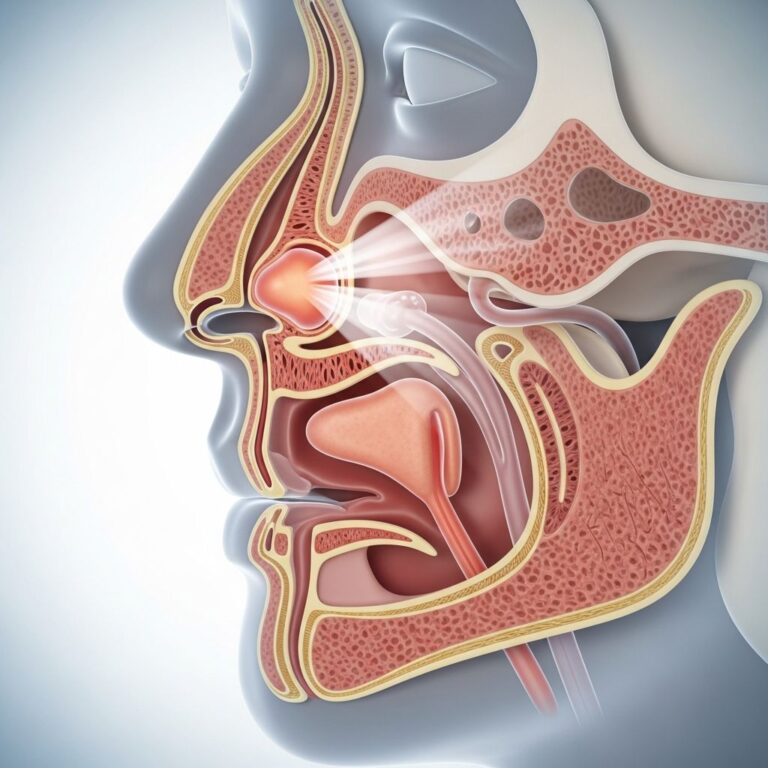
Transmission occurs via respiratory droplets from coughing, sneezing, or close contact with carriers. Nearly all children are colonized in the nasopharynx by age one, but healthy carriers rarely develop symptoms. The bacterium adheres to non-ciliated epithelial cells and mucus, forming microcolonies and biofilms. It survives on dry surfaces up to 12 days but cannot persist long in the environment.
Related Stories



Invasion happens when barriers weaken—due to viral co-infections, allergies, or immune deficits—allowing spread to blood, meninges, lungs, or joints. Children colonize multiple strains more readily than adults, increasing outbreak risks in daycares.
Common Clinical Manifestations
Infections vary by site and strain severity:
- Ear and sinus infections: Otitis media presents with ear pain, fever, and fluid buildup; sinusitis causes facial pressure and discharge.
- Respiratory issues: Bronchitis or pneumonia features cough, shortness of breath, and chest pain, worse in those with chronic lung disease.
- Skin and joint: Cellulitis shows red, swollen skin; septic arthritis leads to joint pain and swelling.
Symptoms generally include fever, irritability, and fatigue. Non-typeable strains dominate mild cases, while Hib drives severe ones.
Serious and Invasive Disease Forms
Invasive Haemophilus influenzae disease (iHi) occurs when bacteria enter sterile sites like blood or cerebrospinal fluid, causing high mortality without prompt treatment. Key forms include:
- Meningitis: Sudden fever, stiff neck, headache, vomiting, seizures; can lead to hearing loss, neurological damage, or death.
- Epiglottitis: Rapid throat swelling causing drooling, stridor, and airway obstruction—a medical emergency.
- Bacteremia: Systemic infection with chills, shock; may seed distant organs.
- Pneumonia: Lobar consolidation with respiratory distress.
Pre-vaccine era saw Hib as a top child killer; incidence dropped 99% post-vaccination, though non-typeable and other types persist.
Risk Factors and Vulnerable Populations
Young children (<5 years), especially unvaccinated, face highest risk due to immature immunity. Others include:
- Immunocompromised: HIV, cancer, asplenia, sickle cell disease.
- Elderly (>65 years).
- Chronic conditions: COPD, alcoholism.
- Native populations with lower vaccination rates.
Crowded settings like households or daycare amplify spread.
Diagnostic Approaches
Suspected cases prompt Gram stain and culture from blood, CSF, or swabs, showing gram-negative coccobacilli. PCR detects bacterial DNA rapidly. Serotyping via PCR or latex agglutination identifies Hib. Chest X-rays or lumbar punctures aid specific diagnoses. Labs test antibiotic susceptibility given rising resistance.
Treatment Strategies
Antibiotics are mainstay: third-generation cephalosporins (ceftriaxone, cefotaxime) for invasive disease; amoxicillin for mild cases, adjusted for resistance. Hospitalization with IV therapy, oxygen, or intubation as needed. Corticosteroids may reduce meningitis inflammation. Supportive care manages complications.
Prevention: The Critical Role of Vaccination
Hib conjugate vaccines (e.g., PRP-T, PRP-OMP) are given at 2, 4, 6, and 12-15 months, preventing 95%+ of invasive Hib. Routine immunization slashed U.S. cases dramatically. No vaccines exist for non-typeable strains. Chemoprophylaxis (rifampin) for close contacts in outbreaks.
Hygiene—handwashing, covering coughs—curbs spread. High-risk groups may need catch-up doses.
Recent Trends and Global Impact
Post-vaccine, Hib is rare in vaccinated populations, but non-typeable iHi rose, especially in adults with comorbidities. Global surveillance tracks emergence of non-b types. Vaccination gaps in low-resource areas sustain burden.
Frequently Asked Questions (FAQs)
Is Haemophilus influenzae the same as the flu?
No, it’s unrelated to influenza virus; the name stems from a historical misattribution.
Can adults get Hib disease?
Yes, particularly if unvaccinated, elderly, or immunocompromised.
How effective is the Hib vaccine?
Over 95% effective against invasive Hib; part of routine childhood schedules worldwide.
What if my child has symptoms like high fever and stiff neck?
Seek emergency care immediately—it could indicate meningitis.
Does Hib survive on surfaces?
Limited survival (up to 12 days); primary spread is respiratory.
References
- Haemophilus influenzae – Wikipedia — Wikipedia contributors. 2023-10-15. https://en.wikipedia.org/wiki/Haemophilus_influenzae
- Haemophilus Influenzae: Symptoms, Causes & Treatment — Cleveland Clinic. 2023-08-22. https://my.clevelandclinic.org/health/diseases/23106-haemophilus-influenzae
- Haemophilus influenzae disease — Government of Canada. 2024-01-10. https://www.canada.ca/en/public-health/services/immunization/vaccine-preventable-diseases/haemophilus-influenzae-disease.html
- Haemophilus Influenzae Infections in Children — Stanford Medicine Children’s Health. 2023-05-01. https://www.stanfordchildrens.org/en/topic/default?id=haemophilus-influenzae-infections-in-children-90-P02520
- About Haemophilus influenzae Disease — Centers for Disease Control and Prevention (CDC). 2024-06-12. https://www.cdc.gov/hi-disease/about/index.html
- Haemophilus influenzae Infections — Merck Manuals. 2024-02-01. https://www.merckmanuals.com/home/infections/bacterial-infections-gram-negative-bacteria/haemophilus-influenzae-infections
Similar Articles








Read full bio of medha deb