Haglund’s Deformity: Causes, Symptoms & Treatment
Understanding Haglund's deformity: From diagnosis to effective treatment options.
Understanding Haglund’s Deformity
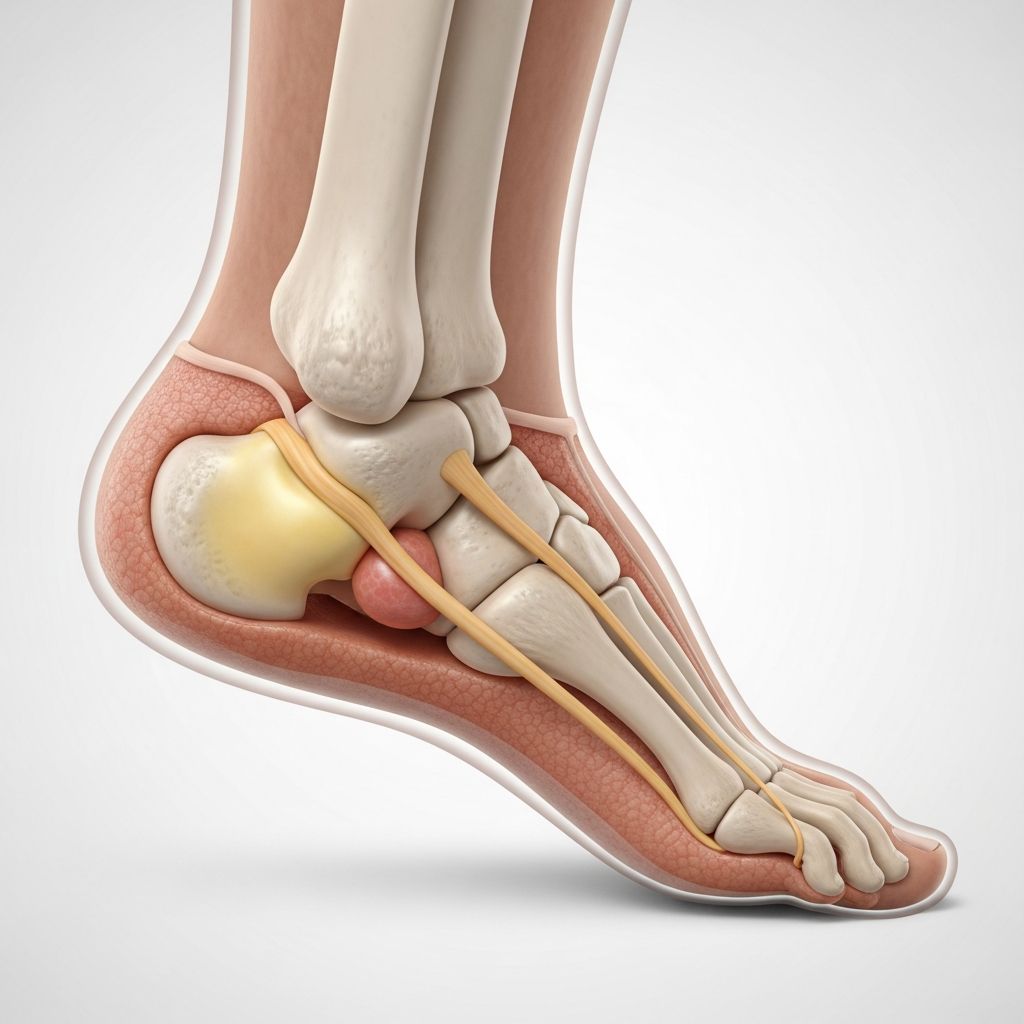
Haglund’s deformity is a bony bump or ridge that develops on the back of your heel bone, typically where the Achilles tendon attaches. This condition is commonly referred to as a “pump bump” because wearing rigid-backed shoes, particularly high heels and pumps, can aggravate the enlargement. The deformity results in posterior heel pain, swelling, and visible inflammation in the affected area. While very common, many people with mild or no symptoms never receive a formal diagnosis of Haglund’s deformity, making it difficult for experts to determine the exact prevalence of the condition.
What Is Haglund’s Syndrome?
Haglund’s syndrome encompasses three related conditions that often occur together. Understanding these interconnected problems helps clarify why symptoms can be particularly bothersome:
- Haglund’s deformity: The primary bony bump that develops on the back of the heel bone
- Insertional Achilles tendinopathy: Also known as tendinosis, this occurs when the enlarged heel bone and Achilles tendon rub together, causing breakdown of the tendon tissue
- Retrocalcaneal bursitis: A fluid-filled sac develops between the Achilles tendon and the heel bone, leading to inflammation and discomfort
Causes of Haglund’s Deformity
The exact cause of Haglund’s deformity remains unclear to medical professionals, but several factors contribute to its development. Natural foot structure plays a significant role, as certain anatomical features make some individuals more susceptible to this condition than others.
Biomechanical Factors
Your natural foot mechanics can predispose you to Haglund’s deformity. A prominent heel bone that slopes outward creates friction when wearing shoes, increasing the likelihood of bony growth. Supination, where your feet roll outward when walking, places additional stress on the heel bone. Additionally, a tight Achilles tendon may pull excessively on the heel bone during movement, while a high arch can force the heel slightly backward during walking, causing increased friction with the Achilles tendon.
Footwear Choices
Wearing shoes with rigid backs remains one of the most common contributors to Haglund’s deformity. Problematic footwear includes pumps, men’s dress shoes, ice skates, roller skates, steel-toed work boots, and stiff winter or rain boots. The pressure these shoes exert on the back of your heel can gradually cause a bony bump to form on the calcaneus.
Other Contributing Factors
Beyond footwear and biomechanics, other elements may increase your risk. A family history of the condition suggests a genetic component, while obesity places additional stress on heel bones. Previous heel injuries can trigger deformity development, and overall foot structure variations inherited from parents may predispose you to this condition.
Symptoms of Haglund’s Deformity
Recognizing the symptoms of Haglund’s deformity helps you seek appropriate treatment before complications develop. Symptoms vary based on severity and individual factors:
- A hard, visible bump at the back of your heel
- Pain and swelling in the heel area, particularly during activity
- Redness and irritation of the tissue surrounding the heel
- Edema (fluid accumulation) around the affected area
- Tenderness when pressure is applied to the back of the heel
- Increased discomfort when wearing shoes with rigid backs
- Pain that worsens with walking, running, or other physical activities
Diagnosis of Haglund’s Deformity
Your healthcare provider will typically begin with a physical examination, feeling the back of your heel and assessing your symptoms. During this evaluation, your doctor will ask about your footwear habits, activity level, and when symptoms began. To confirm the diagnosis and rule out other conditions, imaging tests such as X-rays may be recommended. These images clearly show the bony bump and help your provider determine the severity of the deformity. In some cases, ultrasound or MRI imaging may be used to evaluate the associated soft tissue inflammation and assess the condition of your Achilles tendon.
Related Stories



Treatment Options for Haglund’s Deformity
Treatment for Haglund’s deformity focuses on relieving pain and reducing pressure on your heel rather than removing the bony growth. Most cases respond well to conservative treatment methods. It’s rare to need surgery, and your healthcare provider will likely recommend surgical intervention only if severe symptoms persist despite other treatments.
Conservative Treatment Approaches
Conservative management addresses the inflammation and discomfort associated with Haglund’s deformity through various non-invasive methods:
Footwear Modifications
One of the most effective initial treatments is changing the shoes you wear. Switching to open-back shoes such as clogs, sandals, or backless styles eliminates the pressure on your heel bump. When shoes are necessary, choose those with flexible backs and adequate cushioning. Ensuring proper shoe fit prevents unnecessary friction and irritation.
Heel Cups and Orthotic Inserts
Heel cups and custom orthotic inserts reduce pressure on your heel and provide proper foot alignment. These devices can be over-the-counter options or custom-made by your podiatrist. Heel lifts are particularly beneficial for patients with high foot arches, as they decrease the angle and pressure placed on the heel during walking and standing.
Ice and Compression Therapy
Applying ice to the bump for 20 to 40 minutes per day helps reduce swelling and pain. Ice therapy is most effective when combined with compression, which works together to alleviate inflammation in the heel area. This simple approach can be done multiple times throughout the day, especially after activities that increase discomfort.
Medications
Over-the-counter nonsteroidal anti-inflammatory drugs (NSAIDs) such as ibuprofen or aspirin help reduce pain and inflammation. Your healthcare provider may prescribe stronger anti-inflammatory medications if over-the-counter options prove insufficient. It’s important to note that corticosteroid injections are generally avoided, as they can potentially weaken and lead to rupture of the Achilles tendon.
Physical Therapy and Stretching
Physical therapy plays a crucial role in conservative management, particularly for addressing associated bursitis and tendinitis. Your therapist will guide you through stretching exercises designed to reduce tension in the Achilles tendon and calf muscles. Eccentric exercises, which involve lengthening the muscle under tension, are particularly effective. Soft tissue massage helps relieve pain and improve flexibility, while a comprehensive therapy program addresses the underlying biomechanical issues contributing to your symptoms.
Immobilization and Rest
In some cases, your doctor may recommend wearing an immobilizing boot or cast to limit heel movement and allow inflammation to subside. Rest and activity modification, combined with proper footwear, help relieve swelling and pain in the soft tissue and bursa surrounding your heel.
Additional Therapies
Ultrasound treatments can help reduce inflammation and promote healing of soft tissues. Some patients benefit from this modality when combined with other conservative approaches. These complementary treatments work together to address multiple aspects of your condition.
Surgical Treatment
While most cases of Haglund’s deformity respond successfully to conservative treatment, severe cases may require surgical intervention. Your provider will likely recommend surgery only if you have severe symptoms that haven’t improved after exhausting other treatment options. During surgery, your foot and ankle surgeon will remove the excess bone from your heel. The remaining bone may be smoothed and filed down to reduce pressure on the bursa and surrounding soft tissue. Some procedures may also address associated Achilles tendinitis or tendinosis.
Surgical procedures can vary based on the severity of your deformity, your health history, and lifestyle factors. Potential surgical risks include nerve irritation and deep vein thrombosis (blood clots). A closing wedge calcaneal osteotomy may be performed in certain cases to reposition the heel bone. After surgery, rehabilitation is essential to restore function and mobility to your heel.
Prognosis and Long-Term Outlook
Haglund’s deformity will not disappear without treatment, but if your symptoms are mild, the condition won’t necessarily cause constant pain. Lifestyle modifications and conservative treatments can effectively manage symptoms for many people. If you maintain appropriate footwear choices and follow your healthcare provider’s recommendations for physical therapy and home care, you can often achieve significant symptom relief and return to normal activities.
Prevention Strategies
While you cannot always prevent Haglund’s deformity due to genetic factors and natural foot structure, certain measures can reduce your risk or prevent worsening of existing deformity:
- Avoid wearing shoes with rigid backs whenever possible
- Choose footwear with flexible soles and proper arch support
- Ensure shoes fit properly without excessive rubbing at the heel
- Maintain a healthy weight to reduce stress on your heels
- Perform regular stretching exercises for your Achilles tendon and calf muscles
- Use heel pads or cushioning when wearing necessary rigid-backed shoes
- Gradually increase activity levels to avoid sudden stress on your heels
Frequently Asked Questions About Haglund’s Deformity
Q: Is Haglund’s deformity permanent?
A: The bony bump itself is permanent and cannot be eliminated without surgery. However, the pain and inflammation associated with it can be effectively managed through conservative treatment in most cases. Surgery remains an option for severe cases that don’t respond to other treatments.
Q: Can Haglund’s deformity get worse over time?
A: Yes, the condition can worsen if you continue wearing shoes that aggravate it or fail to follow treatment recommendations. However, with proper footwear choices and conservative management, many people stabilize their symptoms and prevent progression.
Q: How long does recovery take after Haglund’s deformity surgery?
A: Recovery time varies depending on the surgical procedure performed and individual healing factors. Most patients can expect several weeks to months of rehabilitation, with gradual return to normal activities. Your surgeon will provide specific timeline expectations based on your procedure.
Q: Are there any exercises I can do to help manage Haglund’s deformity?
A: Yes, Achilles tendon stretching exercises are particularly beneficial. Your physical therapist can recommend specific exercises tailored to your condition, including calf stretches, eccentric strengthening exercises, and soft tissue mobilization techniques.
Q: Does Haglund’s deformity affect both feet?
A: While it can develop in both feet, Haglund’s deformity often affects one heel more severely than the other. Your footwear preferences and gait patterns may contribute to uneven development.
Q: Can I prevent Haglund’s deformity if it runs in my family?
A: While you cannot completely prevent a genetic predisposition, you can reduce your risk by wearing appropriate footwear, maintaining a healthy weight, and performing preventive stretching exercises. Early intervention if symptoms develop can prevent progression.
When to See a Healthcare Provider
Schedule an appointment with your healthcare provider if you experience persistent heel pain, notice a visible bump developing on the back of your heel, or have redness and swelling in the heel area. Early diagnosis and treatment intervention can prevent symptoms from worsening and help you maintain your activity level and quality of life.
References
- Haglund’s Deformity: Causes, Symptoms & Treatment — Cleveland Clinic. 2024. https://my.clevelandclinic.org/health/diseases/25134-haglunds-deformity
- Haglund’s Deformity: Causes, Symptoms, and Diagnosis — Healthline. 2024. https://www.healthline.com/health/haglund-deformity
- Haglund’s deformity: Treatment, exercises, pictures, and more — Medical News Today. 2024. https://www.medicalnewstoday.com/articles/322432
- Haglund’s Deformity: Causes, Symptoms & Treatment — Resurgens Orthopaedics. 2024. https://www.resurgens.com/education/haglunds-deformity-retrocalcaneal-bursitis
- Haglund’s deformity — Physio-pedia. 2024. https://www.physio-pedia.com/Haglund’s_deformity
- Haglund’s Deformity – Pump Bump on Heel — Foot Health Facts by the American Podiatric Medical Association. 2024. https://www.foothealthfacts.org/conditions/haglund%E2%80%99s-deformity
Similar Articles








Read full bio of medha deb