Hair Loss: A-To-Z Guide For Causes, Treatments & Prevention
Comprehensive guide to understanding hair loss causes, treatments, and solutions.
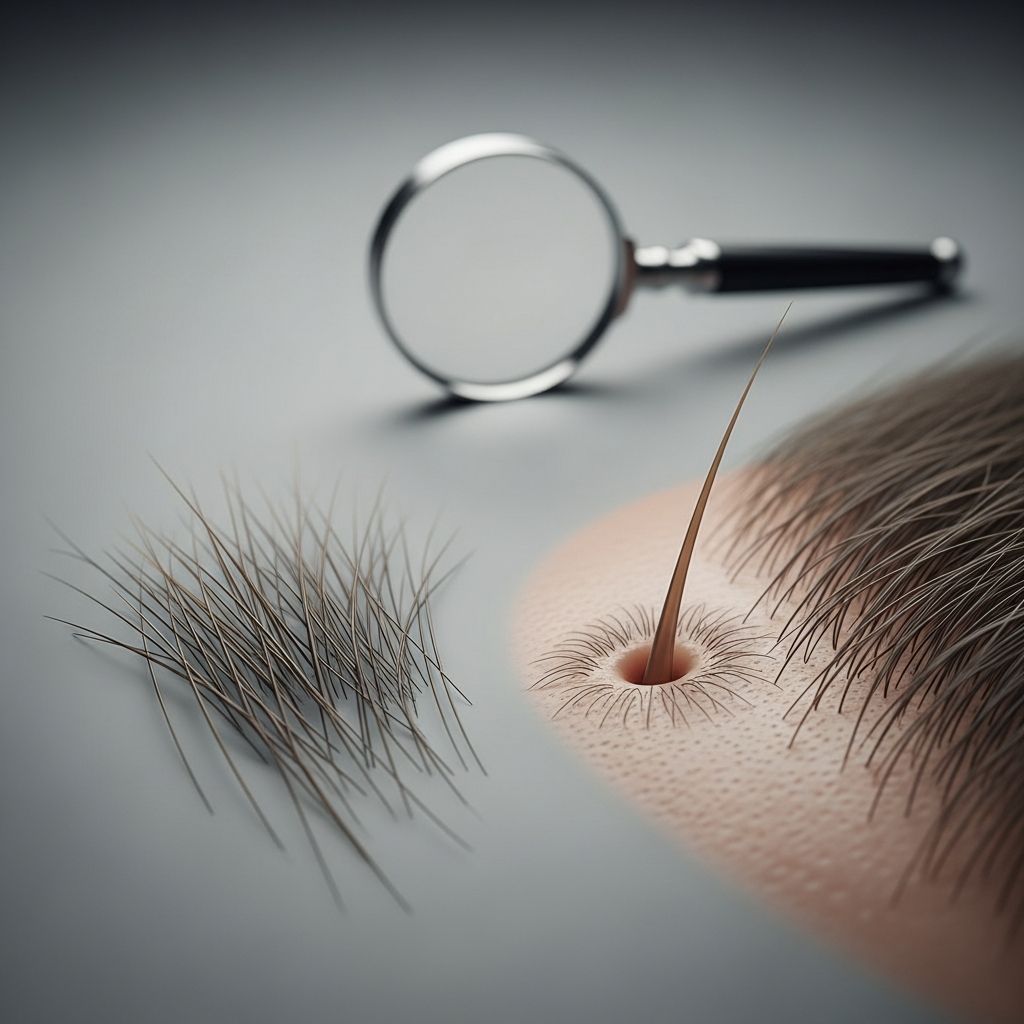
Hair loss is a common concern affecting millions of people worldwide, regardless of age or gender. Whether you’re experiencing gradual thinning, noticeable bald patches, or sudden hair shedding, understanding the causes and available treatment options can help you take control of your hair health. This comprehensive guide covers everything you need to know about hair loss, from its underlying causes to evidence-based treatment approaches.
Understanding Hair Loss: The Basics
Hair loss, medically known as alopecia, occurs when hair falls out faster than it can be replaced or when hair follicles stop producing new hair. While it’s normal to lose between 50 to 100 hairs daily, excessive hair loss can indicate an underlying health issue or hormonal imbalance. Hair loss can affect people of all ages, though it becomes more common with advancing age.
The emotional impact of hair loss should not be underestimated. Many individuals experience anxiety, embarrassment, and social withdrawal due to changes in their appearance. However, numerous effective treatments are now available that can slow, stop, or even reverse hair loss in many cases.
Types of Hair Loss
Understanding the specific type of hair loss you’re experiencing is crucial for determining the most effective treatment approach. Different types of hair loss have different causes and respond to different treatments.
Androgenetic Alopecia (Pattern Baldness)
Androgenetic alopecia, commonly known as male-pattern baldness or female-pattern baldness, is the most common form of hair loss. This type is primarily driven by genetics and the hormone dihydrotestosterone (DHT). In susceptible individuals, hair follicles shrink over time, leading to thinner, shorter hairs until eventually, the follicles stop producing visible hair altogether.
Telogen Effluvium
Telogen effluvium is a temporary form of hair loss triggered by physical or emotional stress. This condition causes a larger than normal number of hair follicles to enter the resting (telogen) phase of the hair growth cycle simultaneously, resulting in increased shedding. Common triggers include major surgery, illness, pregnancy, or significant life stress.
Alopecia Areata
Alopecia areata is an autoimmune condition where the body’s immune system attacks hair follicles, causing sudden hair loss in small, round patches. This condition can affect the scalp, eyebrows, eyelashes, and body hair. While the exact cause is not fully understood, genetics and environmental factors are believed to play a role.
Common Causes of Hair Loss
Hair loss can result from various factors, ranging from nutritional deficiencies to hormonal changes and underlying medical conditions. Identifying the underlying cause is essential for effective treatment.
Nutritional Deficiencies
Proper nutrition is fundamental to maintaining healthy hair. Several key nutrients are essential for hair growth and strength:
Related Stories



- Protein: Hair is primarily composed of a protein called keratin. Abnormally low protein levels can result in brittle hair and increased hair shedding.
- Iron: Iron deficiency can lead to anemia, which disrupts the oxygen supply to hair follicles, causing hair loss.
- Vitamin B12: Low B12 levels can trigger anemia and its associated hair loss complications.
- Zinc: This essential mineral is crucial for keratin production. Zinc deficiency can impair hair growth and increase shedding.
- Calcium: While not directly causing hair loss, low calcium levels may be indirectly related to hair health issues.
Hormonal and Metabolic Disorders
Hormonal imbalances are significant contributors to hair loss:
- Thyroid Disorders: Thyroid hormones regulate hair growth. Abnormally high or low thyroid levels can negatively impact hair follicle health and the hair growth cycle.
- Diabetes: Changes in insulin function can alter the hair growth cycle, slowing or stopping hair production.
- Hormonal Changes: Pregnancy, menopause, and hormonal contraceptives can trigger temporary or permanent hair loss in some individuals.
Stress and Lifestyle Factors
Psychological stress is a well-documented trigger for hair loss. Age-related changes such as retirement, chronic illness, or the loss of a loved one can significantly elevate cortisol levels, a stress hormone that can trigger hair loss. Other lifestyle factors including poor sleep quality, inadequate nutrition, and smoking can also contribute to hair loss.
Medications and Medical Treatments
Certain medications can cause hair loss as a side effect. These include some blood pressure medications, anticoagulants, chemotherapy drugs, and hormonal medications. If you suspect your medication is causing hair loss, consult your healthcare provider about alternatives.
FDA-Approved Hair Loss Medications
Several prescription-strength and over-the-counter medications have received FDA approval for treating hair loss. While no “miracle drug” can completely restore youthful hair, these treatments can effectively slow, stop, and even reverse hair loss in many people. The effectiveness depends on your specific type of hair loss, underlying health conditions, and other medications you may take.
Minoxidil (Rogaine)
Minoxidil is available over-the-counter in various concentrations and formulations. Originally developed as an oral medication for high blood pressure, researchers discovered that it stimulates hair growth when applied topically. It works by improving blood flow to hair follicles and extending the growth phase of the hair cycle.
Finasteride (Propecia)
Finasteride is a prescription medication that works by inhibiting the enzyme that converts testosterone to DHT, the hormone responsible for pattern baldness. It’s particularly effective for men with androgenetic alopecia and must be taken continuously to maintain results.
Corticosteroids
Topical and injectable corticosteroids are used to treat autoimmune hair loss conditions such as alopecia areata, lichen planopilaris, and lupus-related hair loss. These medications suppress the immune response that attacks hair follicles, helping to slow or stop hair loss.
Vitamins and Supplements for Hair Loss
Numerous vitamins and supplements are available by prescription and over-the-counter for treating hair loss, with varying degrees of effectiveness. It’s important to consult with your healthcare provider before starting any supplement regimen, as some may interact with existing medications or may not be suitable for certain health conditions.
Biotin
Biotin, a B-complex vitamin, is essential for keratin production and hair strength. While biotin supplements are widely popular, scientific evidence for their effectiveness in treating hair loss is limited unless you have a specific biotin deficiency.
Zinc Supplements
Like biotin, zinc is essential for keratin production. If you have a zinc deficiency—either from inadequate dietary intake or an absorption disorder—supplementation may help. However, scientific evidence for zinc’s effectiveness in treating hair loss remains inconclusive. Additionally, excessive zinc supplementation can paradoxically cause hair loss and lead to gastrointestinal symptoms including nausea, diarrhea, and abdominal pain.
Platelet-Rich Plasma (PRP) Therapy
PRP is an emerging treatment that uses components from a person’s own blood to stimulate healing. Originally used for muscle and bone conditions, recent research shows promise for treating androgenetic alopecia when injected into the scalp. However, this treatment is expensive and requires multiple sessions.
Over-the-Counter and Natural Remedies
Pharmacies and online retailers offer numerous over-the-counter hair loss products with varying ingredients and claimed benefits. While generally safe to try, it’s important to have realistic expectations about their effectiveness.
Common Over-the-Counter Ingredients
- Saw Palmetto: A plant extract believed to inhibit DHT production, though scientific evidence is limited.
- Niacin: A B vitamin that may improve scalp circulation.
- Caffeine: Some products contain caffeine to stimulate hair follicles and extend the growth phase.
- Biotin and Keratin: Proteins and vitamins added to shampoos and serums to strengthen hair.
Essential Oils
Essential oils such as rosemary and peppermint are popular natural remedies that some people use for hair loss. While these oils may improve scalp circulation and have antimicrobial properties, scientific evidence supporting their effectiveness for hair loss treatment is limited.
Hair Loss in Women
Female-pattern hair loss differs from male-pattern baldness in its presentation and progression. Women typically experience diffuse thinning across the scalp rather than distinct bald patches. Hormonal factors, including fluctuations during pregnancy, postpartum periods, and menopause, frequently trigger or worsen female hair loss. Additionally, certain hairstyling practices such as tight braids and extensions can contribute to traction alopecia in women.
When to See a Healthcare Provider
While some hair loss is normal, excessive or sudden hair loss warrants professional evaluation. Schedule an appointment with your primary care provider or a dermatologist if you experience significant hair loss, as this could indicate an underlying health condition requiring treatment. A healthcare professional can help determine the cause of your hair loss and recommend appropriate treatment options.
Lifestyle Modifications for Hair Health
Beyond medications and supplements, several lifestyle changes can support overall hair health:
- Maintain a balanced diet rich in protein, iron, zinc, and B vitamins
- Manage stress through exercise, meditation, or counseling
- Get adequate sleep (7-9 hours nightly)
- Avoid smoking and limit alcohol consumption
- Be gentle with your hair; avoid excessive heat styling and tight hairstyles
- Use a gentle shampoo and conditioner appropriate for your hair type
Frequently Asked Questions
Is hair loss reversible?
In some instances, yes. Certain illnesses, prescription drugs, and environmental factors—such as stress or nutritional deficiencies—can cause temporary hair loss. When you address the underlying condition, your hair will likely regrow. Additionally, specific medications can slow, stop, and even reverse hair loss in some cases. Your primary care doctor or dermatologist can help determine why you’re losing your hair and which treatments may be effective.
How long does it take to see results from hair loss treatments?
Most hair loss treatments require consistent use for several months before visible results appear. Minoxidil typically takes 3-6 months, while finasteride may require 6-12 months. Patience and consistency are essential when using these treatments.
Can hair loss be prevented?
While you cannot prevent genetically predetermined hair loss, you can minimize risk by maintaining good nutrition, managing stress, protecting your hair from damage, and treating underlying health conditions promptly.
Are there any side effects from hair loss medications?
Most FDA-approved hair loss medications have minimal side effects when used as directed. However, some individuals may experience mild itching, dryness, or irritation. Finasteride can occasionally cause sexual side effects in men. Always discuss potential side effects with your healthcare provider before starting treatment.
Can supplements alone treat hair loss?
Supplements can support hair health, especially if you have specific nutritional deficiencies. However, they are rarely effective as standalone treatments for genetic or hormonal hair loss. Combining supplements with prescribed medications typically yields better results.
References
- Hair Loss Medication Guide for Older Adults — National Council on Aging. 2024. https://www.ncoa.org/article/hair-loss-medication-guide/
Similar Articles








Read full bio of Sneha Tete