Hair Loss: Causes, Treatments and Prevention
Understand hair loss causes, explore effective treatments, and discover prevention strategies.
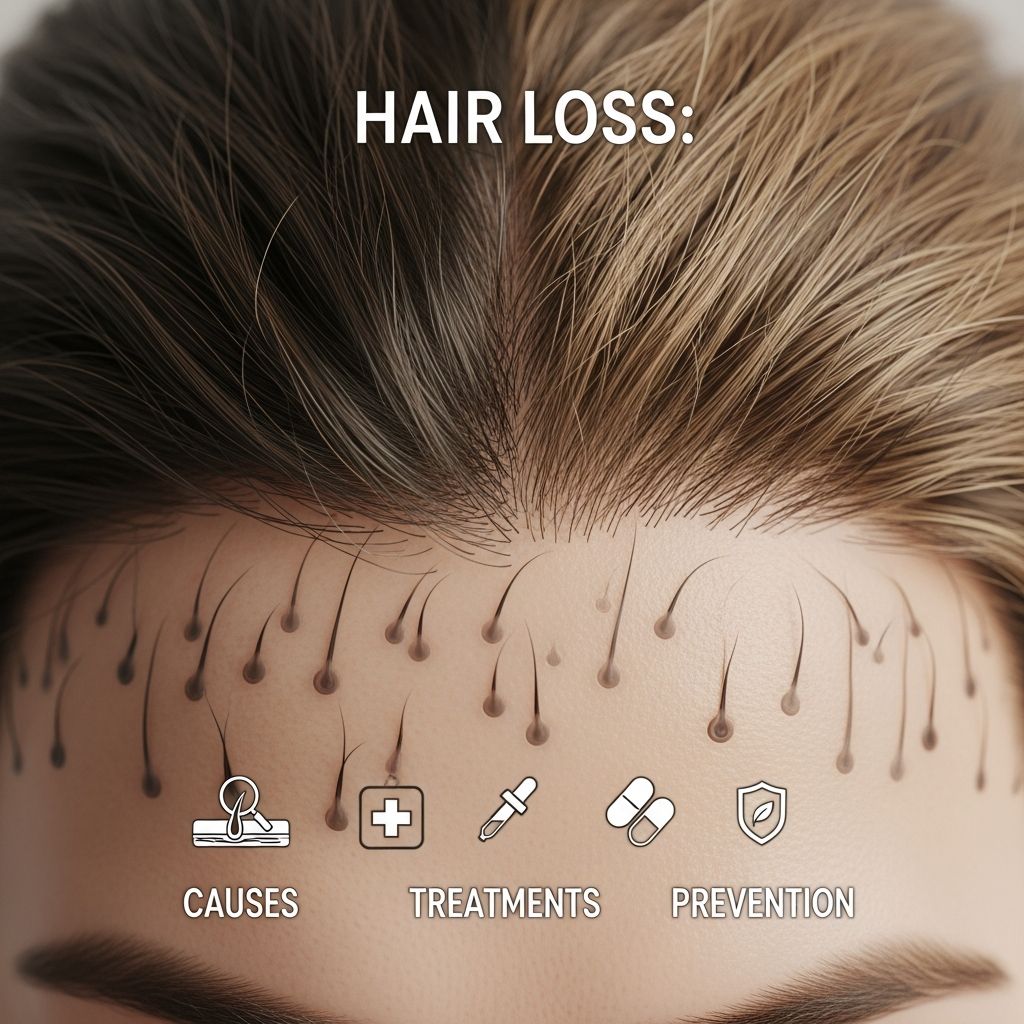
Understanding Hair Loss: A Comprehensive Guide
Hair loss is a common condition that affects millions of people worldwide, impacting not only physical appearance but also self-esteem and confidence. While losing up to 100 strands of hair per day is considered normal, excessive hair loss can indicate an underlying health condition or be a sign of pattern baldness. Understanding the causes, available treatments, and prevention strategies is essential for anyone experiencing hair thinning or loss.
What is Hair Loss?
Hair loss, medically known as alopecia, occurs when hair falls out more rapidly than it can be replaced. The condition can be temporary or permanent, depending on its underlying cause. Hair naturally goes through cycles of growth, rest, and shedding, but when this cycle becomes disrupted, noticeable hair loss can occur. Whether you’re experiencing gradual thinning or more dramatic hair loss, it’s important to identify the cause and seek appropriate treatment.
Common Types of Hair Loss
Hair loss presents itself in different forms, each with distinct characteristics and causes. Understanding the type you’re experiencing is crucial for determining the most effective treatment approach.
Male Pattern Baldness
Male pattern baldness is the most common type of hair loss in men, characterized by a receding hairline or thinning at the crown. This condition is primarily driven by genetics and the sensitivity of hair follicles to androgens, male hormones. The progression can vary significantly, ranging from slight thinning to complete baldness.
Female Pattern Hair Loss
Female pattern hair loss typically presents as overall thinning rather than baldness in specific areas. Women often experience a widening part line and reduced hair volume, particularly at the crown. Like male pattern baldness, genetics and hormonal factors play significant roles in this condition.
Telogen Effluvium
This temporary hair loss occurs when a significant portion of hair follicles prematurely enter the telogen (resting) phase. Major physical or emotional stress, significant weight loss, surgery, or hormonal changes can trigger this condition. The good news is that telogen effluvium is typically reversible once the triggering factor is resolved.
Alopecia Areata
An autoimmune condition, alopecia areata causes sudden hair loss in small, round patches on the scalp or other parts of the body. The immune system mistakenly attacks hair follicles, leading to hair loss. This condition can develop at any age and may progress unpredictably.
Scarring Alopecia
Scarring alopecia, including central centrifugal cicatricial alopecia, results in permanent hair loss due to inflammation that damages hair follicles. These conditions typically present with visible loss of follicular openings and may be accompanied by scalp symptoms such as tenderness, pustules, or itching.
Causes of Hair Loss
Hair loss can result from various factors, ranging from genetics and hormonal changes to medical conditions and lifestyle factors. Identifying the underlying cause is essential for effective treatment.
Related Stories



Genetic Factors
Family history plays a significant role in pattern hair loss. If your parents or other close relatives experienced hair loss, your risk is substantially higher. This genetic predisposition determines both the likelihood and the pattern of hair loss you may experience.
Hormonal Changes
Hormonal fluctuations can trigger or accelerate hair loss. Conditions such as polycystic ovarian syndrome, thyroid disorders, and menopause can all contribute to hair thinning. In women, hormonal changes during pregnancy, postpartum period, or when starting or stopping hormonal contraceptives can also cause temporary hair loss.
Medical Conditions
Various health conditions can cause hair loss, including thyroid dysfunction, iron deficiency anemia, nutritional deficiencies, autoimmune diseases, and scalp infections. Metabolic syndromes such as diabetes mellitus can also contribute to hair loss. Addressing these underlying conditions is crucial for resolving associated hair loss.
Medications
Certain medications can cause hair loss as a side effect. These include medications for blood pressure, depression, and other conditions. If you suspect your medications are causing hair loss, discuss alternatives with your healthcare provider rather than stopping medications abruptly.
Stress and Emotional Trauma
Significant physical or emotional stress can trigger telogen effluvium, causing increased shedding. This stress-related hair loss typically occurs weeks or months after the stressful event and is usually reversible once stress levels decrease.
Nutritional Deficiencies
Inadequate protein, iron, zinc, biotin, and other essential nutrients can compromise hair growth. Crash diets or restrictive eating patterns can deprive hair follicles of necessary nutrients, leading to increased shedding and thinning.
Age-Related Hair Loss
Some degree of hair loss is a natural part of aging. Hair may become thinner and finer as you age, and hair growth cycles may slow down. However, excessive hair loss at any age warrants medical evaluation.
Diagnosis of Hair Loss
Proper diagnosis is the foundation for effective treatment. A dermatologist or healthcare provider will conduct a thorough evaluation to determine the cause of your hair loss.
Medical History and Physical Examination
Your healthcare provider will ask detailed questions about your hair loss history, including when it started, how quickly it’s progressing, and its distribution pattern. They’ll also inquire about your medical history, medications, family history of hair loss, and any unusual events or symptoms you’ve experienced. A comprehensive physical examination of your scalp will help identify specific patterns and characteristics of your hair loss.
Diagnostic Tests
Depending on the suspected cause, your provider may recommend blood tests to check for thyroid dysfunction, iron levels, nutritional deficiencies, or hormonal imbalances. In some cases, a scalp biopsy may be performed to definitively diagnose scarring alopecia or other conditions affecting the hair follicles.
Photography and Documentation
Your healthcare provider may take photographs of your hair loss to document the extent and pattern, establishing a baseline for monitoring treatment progress over time.
Treatment Options for Hair Loss
The appropriate treatment depends on the type and cause of your hair loss, as well as your personal goals and preferences. Multiple effective options are available, ranging from topical treatments to surgical procedures.
Topical Treatments
Over-the-counter and prescription topical treatments are often the first line of defense against hair loss. These products typically contain active ingredients that stimulate hair growth or prevent further loss. Common ingredients include minoxidil, which is available in various strengths and formulations. These topical treatments can be applied directly to the scalp and are generally well-tolerated with minimal side effects.
Oral Medications
Prescription oral medications represent another effective treatment approach. Finasteride, a medication that reduces the conversion of testosterone to dihydrotestosterone (DHT), is particularly effective for male pattern baldness. Newer low-dose oral minoxidil options have also shown promise as an FDA-approved treatment. Spironolactone, an anti-androgen medication, may be recommended for women with androgenic alopecia. These medications work by addressing the underlying hormonal mechanisms driving hair loss.
Low-Level Laser Therapy
FDA-approved low-level laser therapy uses specific wavelengths of light to stimulate hair follicles. Available in various forms including wands and helmets, this therapy may work by stimulating follicular stem cells, increasing blood flow to the scalp, or promoting cellular metabolism. However, treatment can be time-consuming and expensive, with device costs ranging from $200 to $1,000. Multiple sessions are typically required to see results.
Hair Transplant Surgery
For more permanent solutions, hair transplant procedures can be highly effective. Modern surgical techniques ensure that transplanted hair grows in the correct direction and maintains a natural appearance. There are different surgical approaches available, and your surgeon will determine which technique best suits your hair loss pattern and goals. These procedures are performed by skilled surgeons with specialized training, often with anesthesia management and post-operative monitoring.
Treatment of Underlying Conditions
When hair loss is caused by an underlying medical condition, treating that condition often resolves the hair loss. Managing thyroid disorders, correcting iron deficiency, addressing nutritional deficiencies, or treating hormonal imbalances can restore normal hair growth cycles. This approach addresses the root cause rather than just the symptom.
Lifestyle and Nutritional Approaches
Supporting hair health through diet and lifestyle modifications can complement medical treatments and may help prevent or slow hair loss.
Nutritional Support
Consuming adequate protein is essential for hair growth, as hair is primarily composed of a protein called keratin. Including protein-rich foods in your diet supports hair follicle health. Additionally, ensuring sufficient intake of iron, zinc, biotin, vitamins B and D, and other essential nutrients helps maintain healthy hair growth. A well-balanced diet supports overall hair health and may enhance the effectiveness of other treatments.
Mediterranean Diet Benefits
The Mediterranean diet, rich in fruits, vegetables, whole grains, fish, and healthy fats, has been associated with better hair health. This nutritionally complete diet provides essential nutrients that support hair follicle function and may help reduce inflammation-related hair loss.
Stress Management
Since stress can trigger or exacerbate hair loss, developing effective stress management techniques is beneficial. Regular exercise, meditation, adequate sleep, and activities that promote relaxation can help reduce stress-related hair loss.
Hair Care Practices
Gentle hair care practices can minimize additional hair loss. Washing your hair less frequently, using appropriate conditioners and volumizers, and choosing the right products for your hair type help maintain scalp and hair health. Avoiding harsh treatments, excessive heat styling, and tight hairstyles reduces unnecessary hair damage and breakage.
Prevention Strategies
While not all hair loss can be prevented, particularly genetic pattern baldness, certain strategies may help reduce the risk or slow progression of hair loss.
Early Intervention
Starting treatment early when hair loss first becomes apparent may yield better results and prevent further progression. Early intervention with topical minoxidil or oral finasteride can help maintain existing hair and potentially regrow some lost hair.
Managing Stress
Minimizing stress and developing healthy coping mechanisms can help prevent stress-induced hair loss. Prioritizing mental health through regular exercise, sufficient sleep, and stress reduction techniques supports overall health and hair health.
Nutritional Optimization
Maintaining a nutrient-rich diet with adequate protein, iron, zinc, and vitamins supports hair growth and may prevent nutritionally-related hair loss. Regular nutritional assessment, particularly for those with dietary restrictions, ensures adequate intake of hair-supporting nutrients.
Medical Monitoring
Regular check-ups to monitor thyroid function, iron levels, and overall health help identify and address conditions that might contribute to hair loss before they cause significant problems.
When Hair Loss May Resolve Naturally
Not all hair loss requires treatment. Some types of hair loss are temporary and resolve naturally once the triggering factor is addressed. Hair loss caused by temporary stress, pregnancy-related hormonal changes, medication side effects, or nutritional deficiencies often improves without intervention once the underlying issue resolves. Once your body adapts to changes affecting it, your hair may naturally grow back without specific treatment.
Working with Healthcare Providers
A dermatologist or hair loss specialist can help you navigate the complex landscape of hair loss treatment. Your provider will help you understand the type of hair loss you’re experiencing, identify underlying causes, and develop a personalized treatment plan aligned with your goals. Regular follow-up appointments allow your provider to monitor treatment effectiveness and adjust your plan as needed.
Frequently Asked Questions
Q: How much hair loss is normal?
A: Losing 50 to 100 hairs per day is considered normal as part of the natural hair growth cycle. However, if you’re noticing more significant shedding, bald patches, or progressive thinning, you should consult a healthcare provider.
Q: Can stress cause permanent hair loss?
A: Stress typically causes telogen effluvium, a temporary form of hair loss that usually resolves once stress levels decrease. However, chronic stress may exacerbate genetic pattern baldness. Most stress-related hair loss is reversible.
Q: How long does it take for hair loss treatments to work?
A: Most hair loss treatments require several months of consistent use before results become visible. Hair growth cycles are slow, and you may need to continue treatment for 3 to 6 months before seeing noticeable improvement.
Q: Are hair loss treatments permanent?
A: Topical and oral medications work only while you continue using them. Hair transplants provide more permanent results since transplanted hair typically retains its growth characteristics. The permanence of results depends on the treatment type and the underlying cause of hair loss.
Q: Can diet alone stop hair loss?
A: While proper nutrition supports hair health and may help prevent nutritionally-related hair loss, diet alone typically cannot stop genetic pattern baldness or other forms of hair loss. However, optimizing nutrition enhances the effectiveness of other treatments.
Q: Is hair loss in women different from hair loss in men?
A: Yes, female pattern hair loss typically presents as overall thinning rather than baldness in specific areas. Treatment approaches may also differ, with topical minoxidil being the first-line treatment for women with pattern hair loss.
Q: What should I do if I notice sudden hair loss?
A: Sudden or rapid hair loss warrants prompt medical evaluation. Schedule an appointment with a dermatologist or healthcare provider to identify the underlying cause and determine appropriate treatment. Keeping track of when the loss started and any accompanying symptoms can help your provider make an accurate diagnosis.
References
- Hair Loss: Causes, Treatments and Prevention Options — Cleveland Clinic. 2024. https://my.clevelandclinic.org/health/diseases/21753-hair-loss
- Hair Loss Treatments: Topical, Medications & Surgery Options — Cleveland Clinic. 2024. https://my.clevelandclinic.org/health/treatments/8307-hair-loss-treatments
- Male and Female Pattern Hair Loss: A Guide to Treatment — Cleveland Clinic Consult QD. 2024. https://consultqd.clevelandclinic.org/male-and-female-pattern-hair-loss-a-guide-to-treatment
- Male and female pattern hair loss: Treatable and worth treating — Cleveland Clinic Journal of Medicine, Vol. 88, No. 3. 2021. https://www.ccjm.org/content/88/3/173
- 6 Ways to Stop Hair Loss — Cleveland Clinic Health. 2024. https://health.clevelandclinic.org/how-to-stop-hair-loss
- Your Guide To Aging, Thinning Hair: 5 Simple Tips — Cleveland Clinic Health. 2024. https://health.clevelandclinic.org/your-guide-to-aging-hair
Similar Articles








Read full bio of Sneha Tete