Hair Loss In Women: Causes, Symptoms, And Treatment Guide
Understanding female hair loss: Explore causes, symptoms, and effective treatment options.
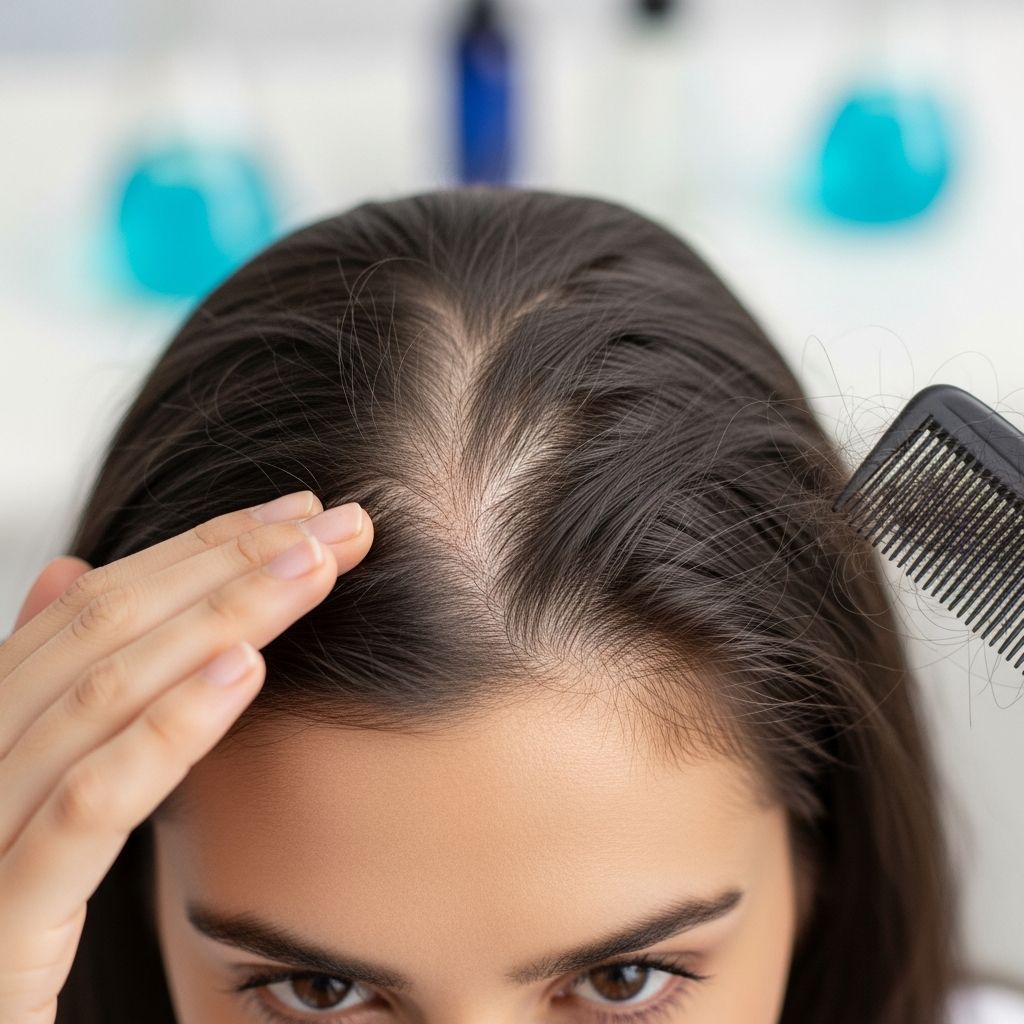
Hair Loss in Women: Causes, Symptoms, and Treatment Options
Hair loss in women is a common concern that affects millions of females worldwide. Women are considered to have hair loss when they shed more than 125 hairs per day, a threshold that distinguishes normal daily shedding from excessive hair loss. This condition can manifest as shedding, bald spots, and general hair thinning, significantly impacting a woman’s self-esteem and quality of life. Understanding the underlying causes, recognizing symptoms early, and exploring available treatment options are essential steps toward managing this condition effectively.
Recognizing Hair Loss Symptoms in Women
Hair loss in women can present in various ways, and recognizing these signs early is crucial for prompt diagnosis and treatment. The symptoms of hair loss in women may include:
- Noticeable thinning of hair on the scalp
- Visible bald spots or patches on the head
- Increased hair shedding when brushing or washing hair
- Hair that feels thinner or appears less voluminous
- Widening hair part line
- Receding hairline, particularly at the temples or crown
These symptoms can vary in severity and progression, with some women experiencing gradual thinning over months or years, while others may notice sudden, significant hair loss. The location and pattern of hair loss can provide important clues about the underlying cause.
Understanding the Causes of Hair Loss in Women
Hair loss in women can result from numerous factors, ranging from temporary conditions to permanent hair follicle damage. Understanding these causes is essential for determining the appropriate treatment approach.
Genetic and Hereditary Factors
Female pattern hair loss (FPHL), also known as androgenetic alopecia, is the most common cause of hair loss in women. This condition is hereditary and occurs when hair follicles are genetically predisposed to sensitivity toward androgens. The condition typically manifests as gradual thinning of hair across the scalp, particularly at the crown and parting line. Research indicates that female pattern hair loss has complex genetic associations, though the exact mechanisms are still being studied.
Hormonal Changes and Menopause
Hormonal fluctuations significantly impact hair growth cycles in women. During menopause, your body experiences substantial changes in hormone levels that directly affect your hair. These hormonal changes can cause:
- Hair follicles to shrink, resulting in thinner hair
- Increased shedding during the menopause transition
- Accelerated hair loss in women with genetic predisposition
- Changes in hair texture and elasticity
Pregnancy-related hair loss, known as postpartum alopecia, is another example of hormonally-induced temporary hair loss. During pregnancy, elevated estrogen levels prolong the growth phase of hair. After delivery, hormone levels drop dramatically, causing many hairs to enter the resting phase simultaneously, resulting in noticeable shedding.
Stress and Psychological Factors
Psychological and emotional stress can trigger telogen effluvium, a condition characterized by diffuse, non-inflammatory hair loss. In this condition, stress causes hairs to prematurely enter the resting stage of the hair growth cycle. Telogen effluvium is one of the most common causes of rapid hair loss and is particularly prevalent in women. Chronic stress can exacerbate existing hair loss conditions and may impair the body’s ability to maintain healthy hair growth.
Related Stories



Nutritional Deficiencies and Dietary Changes
Rapid weight loss and changes to eating habits can significantly impact hair health. Hair follicles require adequate nutrition to function properly, including sufficient protein, iron, zinc, B vitamins, and other essential nutrients. Crash diets, restrictive eating patterns, and rapid weight loss can deprive hair follicles of necessary nutrients, leading to temporary or prolonged hair shedding.
Chemical and Physical Hair Damage
Repeated chemical treatments, such as perming, relaxing, coloring, and bleaching, can damage hair structure and weaken follicles. Additionally, excessive heat styling, tight hairstyles (traction alopecia), and aggressive brushing can contribute to hair breakage and loss over time. Damaged hair follicles may require extended recovery periods or may sustain permanent damage.
Medical Conditions and Medications
Various medical conditions can cause or contribute to hair loss in women, including thyroid disease, polycystic ovarian syndrome (PCOS), iron deficiency anemia, and autoimmune conditions. Additionally, certain medications including antithyroid drugs, anticoagulants, retinoids, and various other pharmaceuticals can trigger telogen effluvium or other forms of hair loss. A healthcare provider can identify whether your hair loss is medication-related and adjust treatment accordingly.
Risk Factors for Hair Loss in Women
Hair loss in women can affect females at any age, but certain factors increase the likelihood of experiencing hair loss:
- Family history of hair loss or baldness
- Age over 40, particularly around menopause
- Hormonal imbalances or conditions like PCOS
- Thyroid disorders or other metabolic conditions
- Recent major life stressors or trauma
- Nutritional deficiencies
- Use of certain medications
- History of hair styling practices that cause traction
Diagnosis of Hair Loss in Women
Proper diagnosis is essential for determining the cause of hair loss and developing an effective treatment plan. A healthcare provider will employ several diagnostic approaches:
Medical History and Physical Examination
A dermatologist will conduct a thorough examination and take a detailed history to understand changes in your hair growth patterns. Your provider will ask about the onset and duration of hair loss, severity, distribution pattern, and any accompanying symptoms. For women, a comprehensive gynecologic history is important to uncover potential underlying causes such as polycystic ovarian syndrome or other hormonal conditions. Additionally, your provider will inquire about:
- Current medications and supplements
- Recent life events or stress
- Recent weight changes or dietary modifications
- Family history of hair loss
- Previous chemical or heat treatments to hair
Laboratory Testing
Depending on the suspected cause, your provider may recommend blood tests to evaluate:
- Thyroid function (TSH, T3, T4)
- Iron levels and ferritin
- Hormone levels (testosterone, DHEA-S, estrogen)
- Nutritional markers (vitamin D, B12, zinc)
- Complete blood count to assess for anemia
Scalp and Hair Analysis
Your provider may examine your scalp and hair under magnification to assess the pattern and severity of hair loss. In some cases, a hair pull test or scalp biopsy may be performed to confirm the diagnosis and rule out scarring alopecia or other specific conditions.
Treatment Options for Hair Loss in Women
Treatment for hair loss in women varies based on the underlying cause and individual goals. Your healthcare provider will work with you to develop a personalized treatment plan.
Addressing Underlying Conditions
If your hair loss results from medication, hormonal imbalances, thyroid disease, or nutritional deficiencies, your provider will address the underlying cause first. Correcting these problems is often sufficient to stop hair loss and promote regrowth. This may involve adjusting medications, treating thyroid disorders, managing hormonal conditions, or implementing dietary changes and nutritional supplementation.
Topical Treatments
Topical minoxidil is the first-line treatment for female pattern hair loss. This over-the-counter medication is applied directly to the scalp and works by extending the growth phase of hair and increasing blood flow to hair follicles. Regular use can help prevent further hair loss and may promote modest regrowth. Results typically become apparent after several months of consistent use.
Oral Medications
While oral finasteride is primarily used for male pattern hair loss, it may be prescribed off-label for women with female pattern hair loss associated with hyperandrogenemia at higher doses. Spironolactone is an antiandrogen medication that is commonly used off-label to treat female pattern hair loss. It competitively inhibits the androgen receptor and reduces ovarian androgen production. Studies have shown that spironolactone 200 mg daily improved hair regrowth in approximately 44% of patients at 12 months.
Light Therapy
Low-level laser therapy (LLLT) is an FDA-approved treatment for pattern hair loss that may benefit women experiencing hair loss. This treatment uses specific wavelengths of light to stimulate hair follicles. The exact mechanism is not completely understood, but it may work by stimulating follicular stem cells, increasing blood flow, promoting cell metabolism, and providing anti-inflammatory effects. Low-level laser devices approved by the FDA for home use include the HairMax Lasercomb® and laser helmets such as the Theradome LH80 PRO®.
Hair Regrowth Procedures and Transplantation
For more severe or permanent hair loss, surgical options may be considered. Hair transplant procedures involve moving hair follicles from areas of dense growth to areas experiencing hair loss. Your healthcare provider can discuss whether you are a suitable candidate for these procedures based on your specific situation and hair loss pattern.
When Treatment May Not Be Necessary
Not all cases of hair loss require treatment. Some types of hair loss are temporary and resolve naturally without intervention. For example:
- Telogen effluvium typically resolves within 3 to 6 months without treatment
- Hair loss due to stress often stops once the stressor is removed
- Postpartum hair loss typically ceases after several months
- Hair loss from temporary medication side effects resolves when the medication is discontinued
If you have hair loss due to stress or temporary hormone changes like pregnancy, you may not need treatment. Your hair will likely grow back after a period of time as your body adapts to the changes affecting it.
Prognosis and Expected Outcomes
The type and severity of hair loss you experience determine the overall prognosis. Some types of hair loss are permanent, especially when hair follicles are damaged. However, not all cases are permanent. Anagen and telogen shedding may stop with time. Managing any underlying health conditions improves overall hair loss outcomes, and early treatment of alopecia may reduce the speed of thinning and promote regrowth. A dermatologist can provide personalized information about what to expect in your specific situation.
When to Seek Professional Help
A dermatologist usually treats hair loss in women and can provide expert diagnosis and personalized treatment recommendations. You should consult a healthcare provider if you experience:
- Sudden, unexplained hair loss
- Hair loss accompanied by other symptoms
- Progressive thinning over several months
- Bald patches or areas of complete hair loss
- Hair loss following medication changes or major life events
Frequently Asked Questions About Hair Loss in Women
Q: How much hair loss is considered normal?
A: Most people lose 75 to 125 hairs per day naturally. Hair loss in women is typically diagnosed when shedding exceeds 125 hairs daily. If you’re noticing excessive hair in your brush or shower drain, consult a dermatologist for evaluation.
Q: Can stress cause permanent hair loss?
A: Stress-induced hair loss (telogen effluvium) is usually temporary and reversible. Hair typically regrows within 3 to 6 months once the stressor is removed or managed. However, chronic stress may exacerbate underlying conditions like female pattern baldness.
Q: Is female pattern hair loss hereditary?
A: Yes, female pattern hair loss has a strong genetic component. If your mother, grandmother, or other female relatives experienced hair loss, your risk is higher. However, genetics alone doesn’t determine whether you’ll experience hair loss; other factors also play a role.
Q: How long does it take to see results from hair loss treatment?
A: Most hair loss treatments require consistent use for 3 to 6 months before visible results appear. Hair growth is a slow process, and patience is essential. Your provider can help set realistic expectations based on your specific treatment.
Q: Can nutritional supplements help with hair loss?
A: If hair loss is caused by nutritional deficiencies, addressing those deficiencies through supplements or dietary changes can help. However, supplements alone cannot treat genetic or hormonal hair loss. A healthcare provider should assess your nutritional status first.
Q: Are there natural remedies for female hair loss?
A: While many natural remedies are marketed for hair loss, scientific evidence supporting their effectiveness is limited. FDA-approved treatments like minoxidil and low-level laser therapy have stronger evidence. Discuss any natural remedies with your healthcare provider before use.
References
- Hair Loss Treatments: Topical, Medications & Surgery Options — Cleveland Clinic. 2024. https://my.clevelandclinic.org/health/treatments/8307-hair-loss-treatments
- Male and Female Pattern Hair Loss: Treatable and Worth Treating — Cleveland Clinic Journal of Medicine. 2021. https://www.ccjm.org/content/88/3/173
- Hair Loss: Causes, Treatments and Prevention Options — Cleveland Clinic. 2024. https://my.clevelandclinic.org/health/diseases/21753-hair-loss
- Hair Loss in Women: Causes & Treatment — Cleveland Clinic. 2024. https://my.clevelandclinic.org/health/diseases/16921-hair-loss-in-women
- Telogen Effluvium: Symptoms, Causes, Treatment & Regrowth — Cleveland Clinic. 2024. https://my.clevelandclinic.org/health/diseases/24486-telogen-effluvium
Similar Articles








Read full bio of medha deb