Hair Loss Treatments: Options and Solutions
Explore comprehensive hair loss treatment options including medications, surgery, and light therapy solutions.
Understanding Hair Loss and Treatment Options
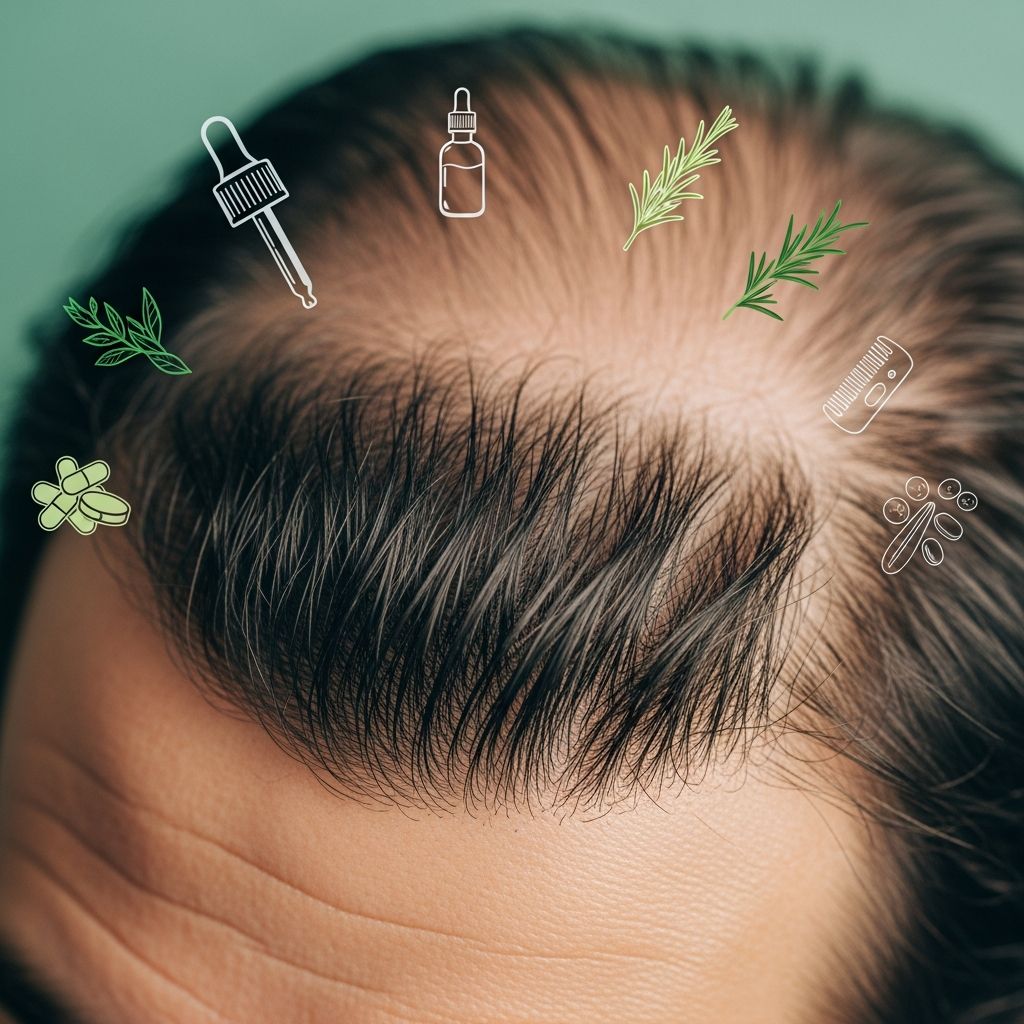
Hair loss is a common condition affecting millions of people worldwide. While losing up to 100 strands of hair per day is considered normal, excessive hair loss or thinning can significantly impact self-esteem and quality of life. Hair loss treatment varies based on what caused your hair loss or thinning hair and could include medications, surgery, or light therapy. A healthcare provider can help you determine what caused your hair loss to offer treatment that meets your hair growth goals.
The key to effective hair loss treatment begins with understanding the underlying cause. Once your healthcare provider identifies why you’re experiencing hair loss, they can recommend appropriate treatment options tailored to your specific situation and personal goals.
Comprehensive Diagnosis and Evaluation
Before any type of treatment begins, a healthcare provider will perform a thorough evaluation to understand your condition. This initial assessment includes:
- A complete physical examination of your scalp and hair
- Your medical and family history, particularly any hereditary hair loss patterns
- Diagnostic tests if necessary to identify underlying conditions
- Discussion of your hair growth goals and expectations
- Photographic documentation of your hair loss for medical records
This comprehensive approach helps your provider identify whether your hair loss is permanent or temporary. Some causes of hair thinning and hair loss aren’t permanent and don’t need treatment. Changes to your body can affect how much hair you’re able to grow and when your hair grows. Once your body adapts to the changes affecting it, your hair will naturally grow back without treatment.
If your provider detects any underlying conditions that cause your hair loss, they’ll offer a treatment plan to help you manage that condition. Usually, treatment for the underlying condition resolves hair loss or hair thinning.
Topical and Over-the-Counter Treatment Options
Many effective hair loss treatment options are available over the counter (OTC) or by prescription that you can apply to your hair at home. These products are usually topical and come in forms like a cream, lotion, or shampoo.
Common ingredients in OTC hair loss treatment products include:
- Minoxidil (Rogaine®) – stimulates hair follicles and increases blood flow to the scalp
- Ketoconazole – helps reduce scalp inflammation and fungal issues
- Saw palmetto – may help block DHT production
- Biotin – strengthens hair structure and supports growth
- Niacinamide – improves scalp circulation
Topical minoxidil is recognized as a first-line treatment for both male and female pattern hair loss. These over-the-counter options offer a non-invasive starting point for many patients seeking to address hair loss. However, if OTC products aren’t working for you, a healthcare provider may recommend specific types of hair regrowth medications.
Prescription Medication Treatments
For more significant hair loss, prescription medications offer stronger treatment options. Topical minoxidil and oral finasteride are the first-line treatments for male pattern hair loss, while topical minoxidil is the first-line treatment for female pattern hair loss.
Key prescription medications include:
- Finasteride (Propecia®) – An oral medication that blocks DHT production, preventing further hair loss and promoting regrowth in men
- Prescription-strength minoxidil – Higher concentration formulations available for enhanced effectiveness
- Dutasteride – A stronger DHT inhibitor that may be prescribed when finasteride is insufficient
- Spironolactone – Often used for female pattern hair loss to block androgen effects
Related Stories



These medications work through different mechanisms to either block the hormones that cause hair loss or stimulate hair follicles to remain in the growth phase longer. Pharmacologic treatment can also be used in conjunction with hair transplantation before and after sessions to prevent hair miniaturization and loss of non-transplanted hair follicles.
Hair Replacement Surgery and Hair Transplants
Hair replacement (implant) surgery represents a more permanent solution for those with significant hair loss. This cosmetic surgery may be an option if your hair loss is due to genetic or hormonal reasons associated with male pattern baldness.
Hair transplant procedures involve:
- Harvesting healthy hair follicles from donor areas, commonly the back or sides of the scalp
- Preparing these follicles for transplantation
- Implanting them into areas experiencing hair loss
- Ensuring transplanted hair grows in the right direction and looks natural
A large number of grafts, typically 1,000 to 2,000 follicles, can be transplanted in a single session. Additional transplantation sessions are generally scheduled at least 6 months apart, as it takes 5 to 6 months for results to be established. Young patients or patients with vertex involvement are not ideal candidates for this procedure due to the high likelihood of continued progression.
Because of the genetic differences in male and female pattern baldness, hair transplants are typically only an option for men. However, certain women with specific types of hair loss may be candidates. Our highly skilled dermatologists and plastic surgeons use the latest hair replacement surgery techniques to make sure your new hair grows in the right direction and looks natural.
When you choose surgical hair loss treatment, skilled, licensed providers are in charge of your anesthesia and monitoring your recovery after surgery. Board-certified cosmetic surgeons have specialized training and experience, and being affiliated with a major medical center means they have critical access to an acute care hospital, should you need it.
Platelet-Rich Plasma (PRP) Therapy
Platelet-rich plasma (PRP) injections represent an innovative approach to hair loss treatment. PRP may help restore some of your hair and prevent you from losing more of it. They use your own platelets—cells that help your blood to clot—to encourage hair to regrow.
Platelet-rich plasma is an autologous preparation of plasma with platelets, growth factors, and cytokines. It was initially used during hair transplantation procedures, with mixed results. Recently its use by itself has been explored to treat pattern hair loss. Preliminary evidence suggests that platelet-rich plasma may be advantageous in hair regrowth.
Benefits of PRP therapy include:
- Uses your own biological material, reducing rejection risk
- Can be combined with other treatments
- May stimulate dormant hair follicles
- Can help prevent further hair loss
Side effects are generally minimal and may include redness and pain at the injection site and pinpoint bleeding. Multiple sessions are typically recommended for optimal results.
Low-Level Laser Therapy
Low-level laser therapy is an FDA-approved treatment for pattern hair loss. The mechanism by which it improves hair loss is unclear, but it may stimulate follicular stem cells or keratinocytes, increase blood flow, promote mitosis, increase cell metabolism, and have anti-inflammatory effects.
Clinical research supports the effectiveness of this treatment approach. Two double-blind, sham device-controlled, randomized trials demonstrated that low-level laser therapy increased hair density over 24 to 26 weeks of treatment. This non-invasive option offers a pain-free alternative for patients seeking to address hair loss without medication or surgery.
Advantages of low-level laser therapy include:
- Non-invasive treatment method
- No known systemic side effects
- Can be used at home with appropriate devices
- Compatible with other hair loss treatments
- FDA-approved for safety and effectiveness
Comparison of Hair Loss Treatment Options
| Treatment Type | Cost Range | Timeline to Results | Permanence | Side Effects |
|---|---|---|---|---|
| Topical Minoxidil (OTC) | Low ($) | 3-4 months | Temporary (requires ongoing use) | Scalp irritation, dryness |
| Oral Finasteride | Low to Moderate ($$) | 3-6 months | Temporary (requires ongoing use) | Sexual dysfunction (rare), scalp sensitivity |
| Hair Transplant Surgery | High ($$$) | 6-12 months | Permanent | Scarring, infection, temporary shock loss |
| PRP Therapy | Moderate to High ($$-$$$) | 2-3 months | Temporary (multiple sessions needed) | Minimal (injection site soreness) |
| Low-Level Laser Therapy | Moderate ($$) | 3-6 months | Temporary (requires ongoing use) | Minimal to none |
Creating Your Personalized Treatment Plan
The type of hair loss, as well as your overall health and desires, determine which hair replacement procedures are most suitable. A healthcare provider or dermatologist can help you navigate treatment for hair loss or thinning hair by considering multiple factors:
Factors in treatment selection include:
- The underlying cause of your hair loss
- Your age and overall health status
- The extent of hair loss you’re experiencing
- Your budget and insurance coverage
- Your personal preferences and lifestyle
- Timeline for desired results
- Willingness to undergo surgery or ongoing treatment
During your initial consultation, healthcare providers will discuss your specific situation, explain any risks or potential complications of treatment, and work with you to develop a treatment strategy that aligns with your goals. Many patients benefit from combination approaches, using medications alongside other therapies for enhanced results.
Detecting and Managing Comorbidities
Detecting and treating comorbidities such as androgen excess and nutritional deficiencies is helpful in maintaining hair growth. Your healthcare provider may recommend:
- Blood tests to identify nutritional deficiencies
- Hormone level assessments
- Thyroid function tests
- Iron and ferritin level evaluation
- Assessment for autoimmune conditions
Addressing underlying health issues often improves the effectiveness of hair loss treatments and prevents continued hair thinning.
When Hair Loss Resolves Without Treatment
It’s important to understand that not all hair loss requires active treatment. Some causes of hair thinning and hair loss aren’t permanent and don’t need treatment. Changes to your body can affect how much hair you’re able to grow and when your hair grows. Once your body adapts to the changes affecting it, your hair will naturally grow back without treatment.
Examples of temporary hair loss include:
- Telogen effluvium (stress-related hair shedding)
- Hair loss following pregnancy
- Temporary hair loss from nutritional deficiencies
- Hair loss during medical treatment or illness
Your healthcare provider can determine whether your hair loss is temporary or requires intervention.
The Role of Professional Support
When you choose professional hair loss treatment, you work primarily with either a dermatologist or a plastic surgeon, depending on what kind of treatment you need. If you have surgery, your surgical team will also include anesthesiologists, nurses, and other supportive healthcare providers who’ll work together to make sure you get the best care possible while you’re with you.
Professional support is particularly important because hair loss can have significant psychosocial effects, including stress and diminished quality of life. Working with experienced, empathetic healthcare providers who understand the emotional impact of hair loss ensures you receive compassionate, comprehensive care.
Moving Forward with Confidence
Hair loss is a treatable condition with numerous effective options available. Some hair loss comes standard with aging, but if you’re coping with the loss of your locks well ahead of schedule, you’ll want to work with a team of experienced, empathetic healthcare providers who know exactly how to help. Whether you choose topical treatments, medications, surgical procedures, or innovative therapies like PRP or laser treatment, the right solution exists for your specific situation. Start with a consultation to understand your hair loss causes and explore the treatment options that best match your needs and goals.
Frequently Asked Questions (FAQs)
Q: How long does it take to see results from hair loss treatment?
A: Timeline varies by treatment. Topical medications and laser therapy typically show results within 3-4 months, while hair transplants take 5-6 months to establish full results. Prescription medications may require 3-6 months of consistent use.
Q: Can women use finasteride for hair loss?
A: Finasteride is primarily used for men with male pattern baldness. Women typically use topical minoxidil as a first-line treatment. Consult your healthcare provider about alternatives suitable for female pattern hair loss.
Q: Are hair transplants permanent?
A: Yes, transplanted hair is typically permanent because it comes from areas resistant to hair loss. However, non-transplanted hair may continue thinning, which is why some patients combine surgery with medications like finasteride.
Q: What are the side effects of hair loss medications?
A: Minoxidil may cause scalp irritation and dryness. Finasteride can rarely cause sexual dysfunction or scalp sensitivity. PRP has minimal side effects, mainly injection site soreness. Discuss specific concerns with your healthcare provider.
Q: Is PRP therapy covered by insurance?
A: PRP therapy for hair loss is often considered a cosmetic procedure and may not be covered by insurance. However, some plans provide partial coverage if deemed medically necessary. Check with your insurance provider for specific details.
References
- Hair Loss Treatments: Topical, Medications & Surgery Options — Cleveland Clinic. 2025. https://my.clevelandclinic.org/health/treatments/8307-hair-loss-treatments
- Male and Female Pattern Hair Loss: A Guide to Treatment — Cleveland Clinic, ConsultQD. 2024. https://consultqd.clevelandclinic.org/male-and-female-pattern-hair-loss-a-guide-to-treatment
- Male and Female Pattern Hair Loss: Treatable and Worth Treating — Cleveland Clinic Journal of Medicine, Vol. 88, No. 3. 2021. https://www.ccjm.org/content/88/3/173
- Hair Loss: Causes, Treatments and Prevention Options — Cleveland Clinic. 2025. https://my.clevelandclinic.org/health/diseases/21753-hair-loss
- Hair Loss in Women: Causes & Treatment — Cleveland Clinic. 2025. https://my.clevelandclinic.org/health/diseases/16921-hair-loss-in-women
- Get Hair Loss Treatment — Cleveland Clinic Services. 2025. https://my.clevelandclinic.org/services/hair-loss-treatment
Similar Articles








Read full bio of medha deb