Hair Loss Expert Guide To Causes, Diagnosis & Treatment
Comprehensive guide to causes, types, diagnosis, and treatments for hair loss and alopecia.
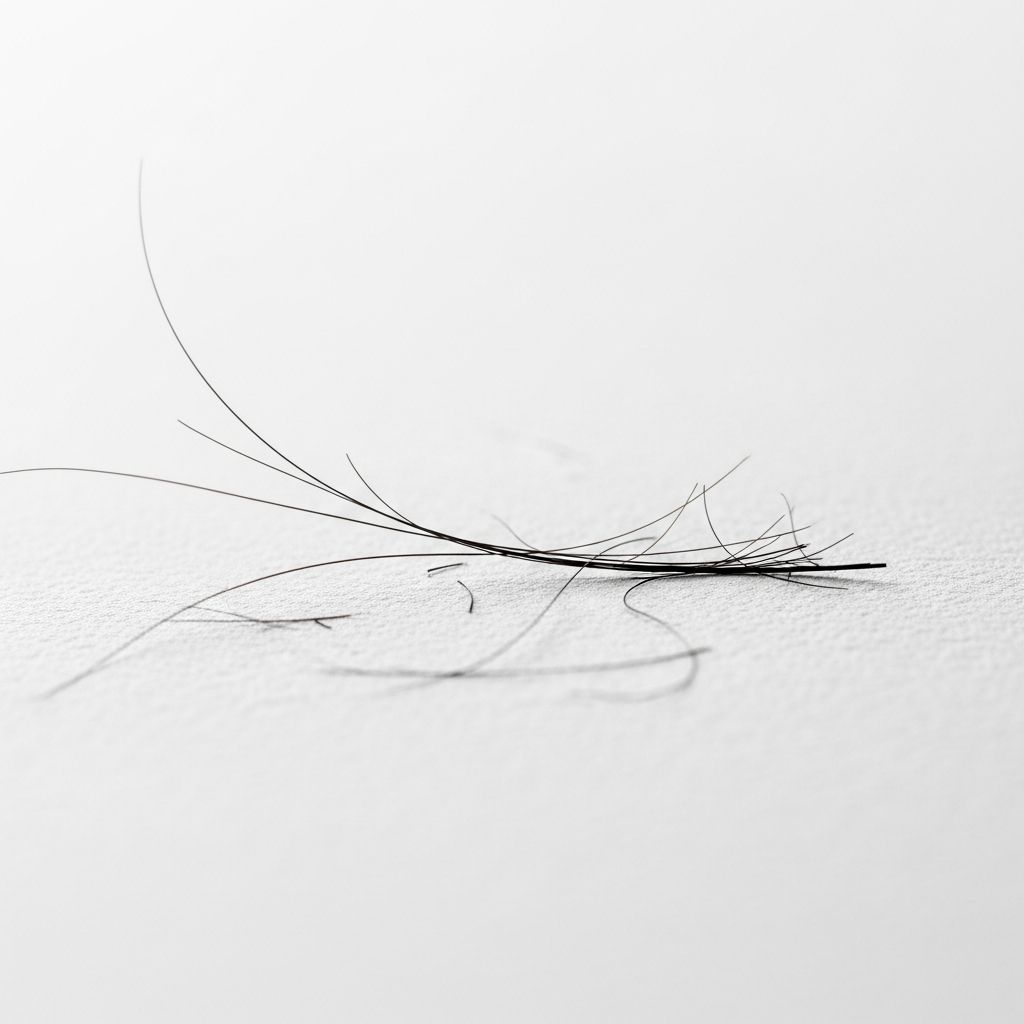
Hair loss, also known as alopecia, refers to the partial or complete absence of hair from areas where it normally grows. It is a common concern affecting millions worldwide, with normal daily shedding ranging from 50-100 hairs. While some forms are temporary and reversible, others like pattern baldness are progressive and genetic. Understanding the hair growth cycle is essential: hair follicles cycle through anagen (growth, 2-6 years), catagen (transition, 1-2 weeks), and telogen (resting, 3 months) phases. Disruptions in this cycle lead to various types of hair loss.
What is hair loss?
Hair loss encompasses excessive shedding, thinning, or balding. It can be scarring (irreversible follicle destruction) or non-scarring (follicles remain intact, potentially reversible). Non-scarring types include androgenetic alopecia (pattern hair loss), telogen effluvium, anagen effluvium, and alopecia areata. Diffuse alopecia involves widespread thinning, often due to shedding or miniaturization. Patients may notice increased hair on pillows, brushes, or showers, with up to 30-50% scalp hair loss in severe cases.
Who gets hair loss?
Hair loss affects all ages, genders, and ethnicities, but prevalence increases with age. Male pattern hair loss impacts up to 50% of men by age 50, while female pattern hair loss affects 40% of women by menopause. Telogen effluvium is more common in women post-pregnancy, stress, or illness. Genetic predisposition plays a key role in pattern types, with family history often evident.
What causes hair loss?
Causes vary by type:
- Genetic/Androgenetic: Sensitivity to dihydrotestosterone (DHT), produced by 5-alpha reductase enzyme, shortens anagen phase and miniaturizes follicles.
- Telogen Effluvium: Triggers like childbirth, surgery, severe illness, rapid weight loss, medications, or nutritional deficiencies push 70% of hairs into telogen prematurely.
- Anagen Effluvium: Chemotherapy or toxins disrupt active growth phase.
- Alopecia Areata: Autoimmune attack on follicles causing patchy or diffuse loss.
- Diffuse Thinning: Chronic conditions, hormones, or unmasking pattern loss.
- Other: Infections, traction, thyroid disorders, iron deficiency.
What are the clinical features of hair loss?
Symptoms depend on type:
| Type | Features |
|---|---|
| Male Pattern | Bitemporal recession, crown thinning, eventual baldness. |
| Female Pattern | Diffuse central thinning, widened part line, preserved frontal hairline. |
| Telogen Effluvium | Increased shedding 2-3 months post-trigger, ponytail thinning. |
| Diffuse Alopecia | Widespread thinning, may expose pattern loss. |
Hair pull test: >10% telogen hairs indicate effluvium. Scalp may appear normal or shiny in scarring types.
Diagnosis
Diagnosis combines history, exam, and tests:
- History: Onset, triggers, family history, medications, diet.
- Examination: Pull test, trichoscopy (magnified scalp view), hair diameter assessment.
- Tests: Bloodwork (ferritin, thyroid, hormones), biopsy, microscopy (anagen/telogen ratio >20% telogen suggests shedding). Ponytail circumference measures loss percentage.
Treatment of hair loss
Treatments aim to halt progression, reduce shedding, or regrow hair. No universal cure; results vary.
Pattern Hair Loss
- Minoxidil: Topical 2-5% solution/foam, first-line for both sexes. Promotes growth; 5% stronger but irritates. Use 6+ months.
- Finasteride: Oral 1mg daily for men; blocks DHT. 6+ months needed; continue indefinitely.
- Others: Spironolactone (women), low-dose oral minoxidil (2.5mg) + spironolactone (25mg), dutasteride.
Telogen Effluvium
Remove triggers; resolves 3-6 months. Chronic cases fluctuate, self-resolve years later. Counsel on 12-18 month regrowth.
Diffuse Alopecia Areata
Challenging; topical steroids, JAK inhibitors. 1/3 recover in 6 months; recurrences common.
Camouflage & Support
- Hairstyling, fibers, wigs, hats.
- Low-level laser, PRP, transplants for advanced cases.
Related Stories



Discontinue treatments leads to relapse.
What is the prognosis for hair loss?
Varies:
- Acute Telogen: Full recovery if trigger removed.
- Chronic Telogen: Fluctuates, eventual resolution.
- Pattern: Progressive without treatment; stabilizes with meds.
- Diffuse AA: 50-80% persist after 1 year; worse if severe. Regrown hair may differ in color/texture.
How can hair loss be prevented?
- Dry hair gently (cool air), minimize chemicals, loose styles.
- Manage triggers: balanced diet, stress reduction, medication review.
- Early treatment for genetic types slows progression.
Frequently Asked Questions
Q: Is it normal to lose 100 hairs a day?
A: Yes, 50-100 hairs daily is normal due to the hair cycle. Excess suggests pathology.
Q: Can hair loss be reversed?
A: Depends on type; effluvium often yes, pattern types stabilize but rarely fully reverse.
Q: How long until minoxidil works?
A: At least 6 months; continue lifelong for benefits.
Q: Does stress cause permanent hair loss?
A: No, telogen effluvium from stress is temporary.
Q: Is finasteride safe for women?
A: Not routinely; alternatives like spironolactone preferred.
References
- Female pattern hair loss — DermNet NZ. 2023. https://dermnetnz.org/topics/female-pattern-hair-loss
- Diffuse alopecia — DermNet NZ. 2023. https://dermnetnz.org/topics/diffuse-alopecia
- Alopecia – StatPearls — NCBI Bookshelf. 2023-10-05. https://www.ncbi.nlm.nih.gov/books/NBK538178/
- Hair loss – normal or hereditary — Healthify NZ. 2023. https://healthify.nz/health-a-z/h/hair-loss-normal-or-hereditary
- Male pattern hair loss — DermNet NZ. 2023. https://dermnetnz.org/topics/male-pattern-hair-loss
- Telogen effluvium — DermNet NZ. 2023. https://dermnetnz.org/topics/telogen-effluvium
- Hair loss — DermNet NZ. 2023. https://dermnetnz.org/topics/hair-loss
Similar Articles








Read full bio of medha deb