Hairpieces And Wigs: Complete Guide For Thinning Hair
Comprehensive guide to hairpieces and wigs for concealing hair loss with practical advice on types, application, and care.
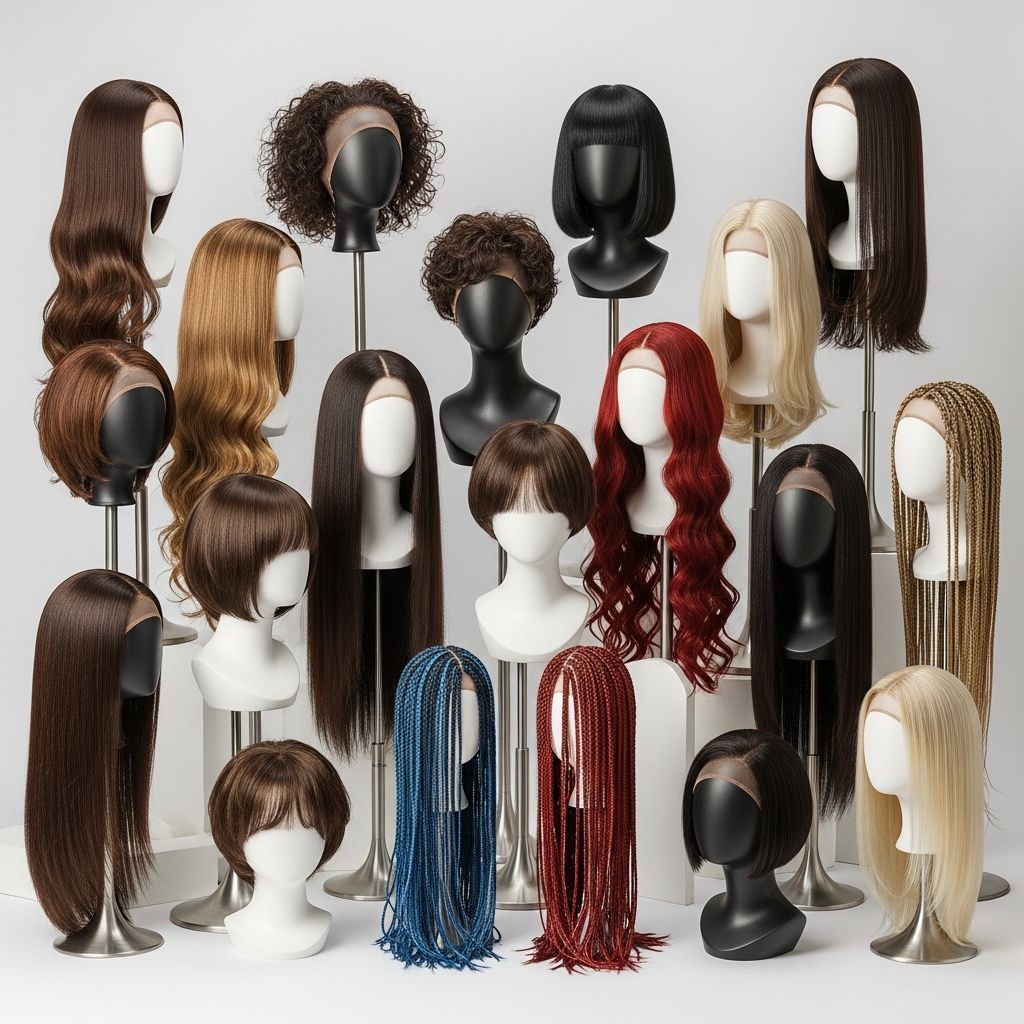
Hairpieces and Wigs
Hairpieces and wigs serve as non-invasive solutions to conceal hair loss, blending seamlessly with existing hair or covering the entire scalp for a natural appearance.
What are hairpieces and wigs?
Hairpieces and wigs are prosthetic devices made from human or synthetic hair, designed to mimic natural hair growth. Hairpieces, often called toppers or wiglets, target specific areas of thinning or partial baldness, attaching via clips to integrate with remaining natural hair. They provide targeted volume and coverage without encumbering the full head. Wigs, in contrast, offer complete scalp coverage, suitable for extensive or total hair loss, and come in various cap constructions for comfort and realism.
These options are particularly valuable for individuals experiencing androgenetic alopecia, alopecia areata, chemotherapy-induced hair loss, or other forms of thinning. Unlike pharmaceutical treatments like minoxidil or surgical interventions, hairpieces and wigs provide immediate cosmetic results without systemic side effects.
Who should use them?
Hairpieces and wigs are ideal for anyone seeking to manage visible hair loss discreetly. They benefit those with:
- Partial hair loss or thinning: Hair toppers excel here, blending with bio hair for a natural look, lightweight comfort, and easy daily application.
- Total scalp baldness: Full wigs provide comprehensive coverage, essential post-chemotherapy or in advanced alopecia cases.
- Sensitive scalps: Breathable materials like monofilament or lace fronts accommodate conditions such as psoriasis, seborrheic dermatitis, or alopecia areata.
- Lifestyle demands: Active individuals prefer clip-on toppers for security without adhesives, while those desiring styling versatility opt for human hair wigs.
Consultation with a dermatologist or trichologist is recommended to rule out underlying conditions like tinea capitis before prolonged use.
Types of hairpieces
Hairpieces vary by coverage area, base material, and attachment method:
- Toppers/hairpieces: Small units covering the crown or part line, using clips for secure hold. Ideal for female pattern hair loss.
- Bangs attachments: Add fringe to hats or scarves, useful for minimal top coverage.
- Halo pieces: Side hair with open top for cooler wear under headwear.
Base materials include lace for breathability, monofilament for natural parting, and silicone for grip.
Types of wigs
Wigs are categorized by hair type, cap construction, and style:
Hair types
- Human hair wigs: 100% Remy hair offers authenticity, heat-styling, coloring, and washing like natural hair but requires maintenance.
- Synthetic wigs: Affordable, pre-styled fibers retain shape post-wash; limited heat tolerance.
- Blended wigs: Mix human and synthetic for cost-effectiveness and moderate styling.
Cap constructions
| Type | Description | Best For |
|---|---|---|
| Lace front | Natural hairline illusion | Realistic forehead appearance |
| Monofilament | Breathable mesh mimicking scalp; multi-directional parting | |
| Hand-tied | Individually knotted strands for lightweight, natural movement | |
| Full cap | Complete coverage with wefts | |
| Open wefted | Breathable but less durable |
Select based on scalp sensitivity and desired realism; hand-tied monofilament suits chemotherapy patients.
Who makes them and where to get them?
Reputable manufacturers produce custom and ready-to-wear options using high-quality Remy hair or advanced synthetics. Obtain from:
- Specialist salons: Professional fitting ensures perfect match.
- Online retailers: Brands like Studio T offer customizable toppers.
- Medical suppliers: Cancer societies recommend vendors for treatment-related loss.
- Cosmetic stores: Department stores carry entry-level synthetics.
Seek hypoallergenic products for skin conditions.
How to apply them
- Prepare scalp: Clean and dry; apply protector for adhesives if needed.
- Position: For wigs, place front 1 inch past hairline, slide back, adjust.
- Secure: Clips for toppers, straps/combs/adhesives for wigs. Patch-test adhesives.
- Style: Blend with natural hair; trim for naturalness.
Avoid ears and over-tightening.
How to care for them
Proper maintenance extends lifespan:
- Washing: Every 10-14 wears with cool water, wig shampoo. Air dry.
- Styling: Fingers or wide-tooth comb; heat tools for human hair only.
- Storage: Wig stand to maintain shape.
- Cleaning scalp: Remove daily; treat conditions separately.
Problems
Common issues include:
- Itchiness/irritation: From adhesives; use hypoallergenic or clip-ons.
- Slipping: Poor fit; adjustable caps help.
- Matting: Improper care; regular detangling prevents.
- Allergic reactions: Patch test mandatory.
- Scalp health: Monitor for worsening psoriasis or infections.
Wigs vs. hair toppers: Comparison
| Aspect | Wigs | Hair Toppers |
|---|---|---|
| Coverage | Full scalp | Partial thinning |
| Comfort | Heavier, secure | Lightweight, breathable |
| Attachment | Straps, adhesives | Clips |
| Best for | Total loss | Thinning crown |
Frequently Asked Questions (FAQs)
Q: Are hair toppers suitable for alopecia areata?
A: Yes, toppers effectively cover patchy loss, blending naturally with surrounding hair.
Q: How often should I wash a synthetic wig?
A: Every 10-14 wears using cool water and specialized shampoo to preserve style.
Q: Can human hair wigs be dyed?
A: Yes, they can be colored, cut, and styled like natural hair.
Q: What if I have sensitive skin?
A: Opt for breathable lace/monofilament bases and hypoallergenic adhesives after patch testing.
Q: How long do wigs last?
A: Human hair: 6-12 months with care; synthetics: 3-6 months.
References
- A Beginner’s Guide to Wigs and Toppers for Alopecia Hair Loss — Studio T Salon. 2023. https://studiotsalon.com/a-beginners-guide-to-wigs-and-toppers-for-alopecia-hair-loss/
- Wigs for Hair Loss — American Cancer Society. 2024-01-15. https://www.cancer.org/cancer/managing-cancer/side-effects/hair-skin-nails/hair-loss/choosing-and-wearing-wig.html
- Skin Condition and Adhesive Guide for Hairpiece Wearers — Superhairpieces. 2023. https://www.superhairpieces.com/blog/skin-condition-and-adhesive-guide-for-hairpiece-wearers/
- The Complete Guide to Wigs and Hair Toppers — The Hair Society. 2024. https://www.thehairsociety.org/the-complete-guide-to-wigs-and-hair-toppers/
- Hairpieces and Wigs — DermNet NZ. 2023-05-10. https://dermnetnz.org/topics/hair-pieces-and-wigs
- Buying, Caring for and Wearing Wigs & Toppers — National Alopecia Areata Foundation. 2024. https://www.naaf.org/confidence-guide/wigs-and-toppers-buying-caring-for-and-wearing-wigs-toppers/
Similar Articles






Read full bio of medha deb