Hair Removal For Eczema: Safe Methods And Expert Tips
Discover safe shaving, waxing, and alternative methods to manage body hair without triggering eczema flares or skin irritation.
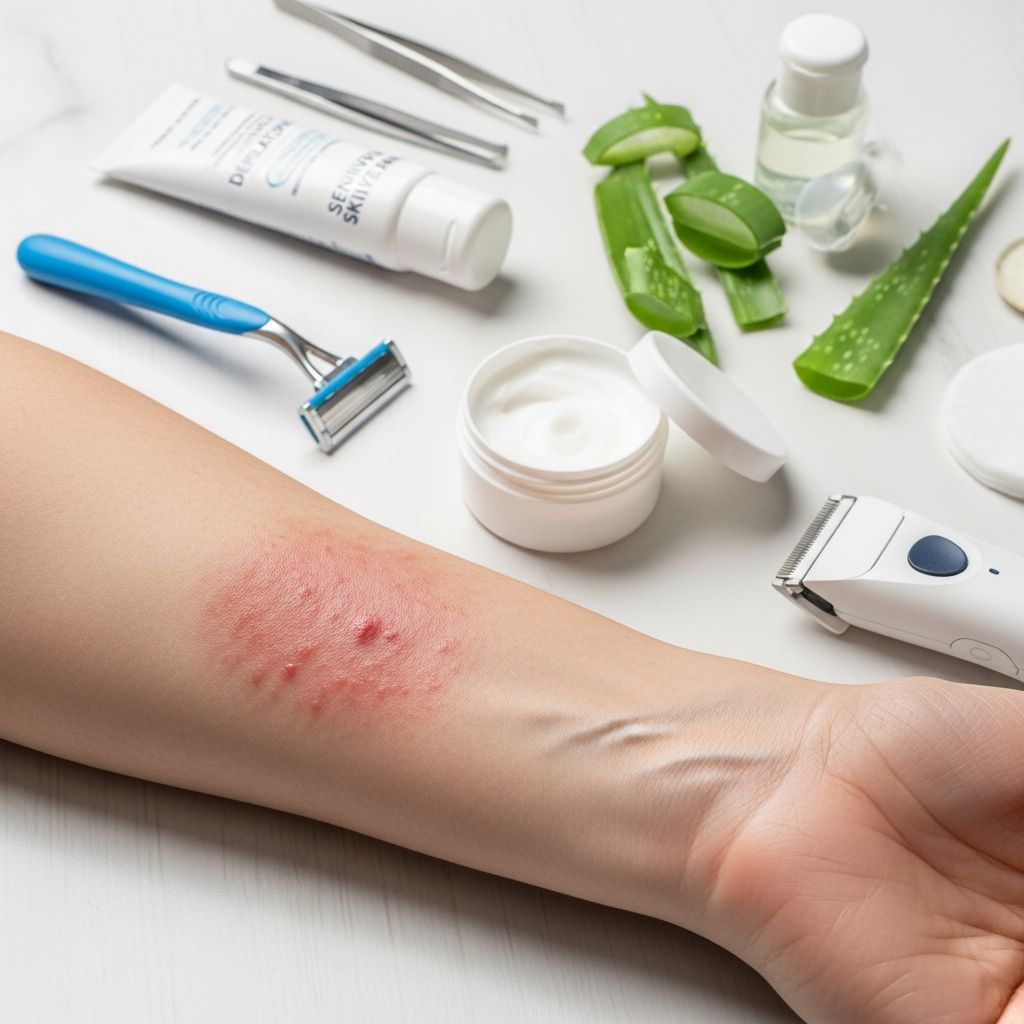
Managing body hair while dealing with eczema requires careful planning to avoid irritation, inflammation, or flare-ups. Eczema compromises the skin barrier, making it more susceptible to triggers from razors, waxes, or chemicals. This guide outlines safe practices for common methods like shaving and waxing, plus gentler alternatives, drawing from dermatological insights to help you achieve smooth skin without compromising health.
Understanding Eczema and Hair Removal Challenges
Eczema, or atopic dermatitis, features dry, itchy, inflamed patches that can crack or weep, heightening infection risks during hair removal. Friction from razors or wax pulling disrupts this fragile barrier, potentially worsening symptoms. Active flares—marked by redness, oozing, or open skin—demand avoidance of any removal until healed. Even calm skin benefits from hypoallergenic products and techniques minimizing trauma.
Key challenges include:
- Irritation from blades or adhesives adhering to sensitive areas.
- Chemical sensitivities in creams or waxes triggering contact dermatitis.
- Post-treatment dryness exacerbating itchiness.
- Increased bacterial entry through micro-tears.
Preparation starts with moisturizing daily using fragrance-free emollients to fortify the skin barrier before any procedure.
Mastering Safe Shaving Techniques
Shaving remains the most accessible hair removal for eczema-prone skin due to its speed and low cost, but improper execution causes nicks and razor burn. Opt for single-blade or safety razors over multi-blade ones, which tug hair and skin.
Pre-Shave Preparation
Twenty-four hours prior, exfoliate gently with a soft cloth or chemical-free scrub to prevent ingrown hairs. Soak in lukewarm water for 5-10 minutes to soften hair follicles. Apply a thick layer of emollient or eczema-friendly shave gel instead of foam, which often contains irritants.
During Shaving
Shave in the direction of hair growth to reduce pull. Use short, light strokes, rinsing the blade after every pass. Limit to one direction per area. For legs or arms, elevate limbs to minimize stretching skin.
| Do’s | Don’ts |
|---|---|
| Use warm water only | Hot water or showers |
| Moisturize immediately after | Dry patting or rubbing |
| Sharp, clean blades | Dull razors |
| Single pass per area | Multiple strokes |
Post-Shave Care
Pat dry gently, then seal with a barrier cream containing ceramides. Avoid deodorants, perfumes, or tight clothing for 24 hours. If redness appears, apply cool compresses.
Navigating Waxing with Sensitive Skin
Waxing offers longer-lasting results (3-6 weeks) by removing hair from the root, reducing frequent irritation compared to daily shaving. However, it poses higher risks for eczema due to pulling and residue.
When to Wax Safely
Only proceed on clear, non-flared skin. Wait 4-6 weeks post-flare for full healing. Patch test wax on a small area 24-48 hours ahead: apply, remove, and monitor for redness or itch.
Selecting Ideal Wax Types
Choose hard (stripless) waxes or sugaring, which grip hair not skin, minimizing tears. Avoid soft strip waxes. Prioritize formulations without fragrances, dyes, or resins like pine derivatives. Ingredients like aloe or chamomile soothe during application.
Related Stories



- Hard Wax: Best for bikini, underarms; shrinks on skin for gentle pull-off.
- Sugaring: Sugar-based, water-soluble, natural alternative.
- Avoid: Hot waxes (too aggressive) or beaded varieties (abrasive).
Waxing Best Practices
Professionals should apply thin layers in hair growth direction, remove swiftly against growth without double-dipping applicators to prevent contamination. Tweezer strays instead of re-waxing. Home waxing demands steady hands and mirrors.
Essential Aftercare
Immediately cool with aloe vera gel or chamomile lotion. No hot showers, saunas, exercise, or sun for 48 hours. Moisturize twice daily with hypoallergenic products. Exfoliate lightly after 3 days to deter ingrowns.
Exploring Gentler Alternatives
Not all eczema skin tolerates waxing or shaving; alternatives provide relief.
Depilatory Creams
These dissolve hair at surface level. Select mild, fragrance-free versions; patch test rigorously as chemicals like thioglycolates irritate. Apply for shortest recommended time, rinse thoroughly. Less frequent than shaving but monitor for burns.
Laser and IPL Hair Removal
Long-term reduction by targeting follicles. Safe on stable eczema skin, avoiding razors/wax altogether. Consult dermatologists; treat during remission. Risks include heat-induced flares, so cool devices preferred.
Other Options
- Threading: Precise for face, no chemicals or pulling skin.
- Trimming: Clippers shorten without root removal.
- Epilators: Mechanized plucking; test on small areas.
| Method | Duration | Eczema Suitability | Pros | Cons |
|---|---|---|---|---|
| Shaving | 1-3 days | High (with prep) | Quick, cheap | Frequent irritation |
| Waxing | 3-6 weeks | Medium | Long-lasting | Painful, risky |
| Depilatory | 5-7 days | Medium | Painless | Chemical sensitivity |
| Laser | Permanent | High (pro-supervised) | No regrowth | Costly, sessions needed |
Preventing Flare-Ups and Complications
Proactive steps ensure success:
- Track skin journal: Note flares, products, reactions.
- Humidify environments to combat dryness.
- Use prescription topicals pre-procedure if advised.
- Seek estheticians trained in medical skin conditions.
Warning signs post-removal: swelling, pus, fever—seek medical help promptly, as eczema skin infects easily.
FAQs: Hair Removal and Eczema
Can waxing cause eczema flares?
Yes, if done on irritated skin or with harsh products, but proper selection and timing reduce risks significantly.
Is shaving safer than waxing for eczema?
Often yes, due to less trauma, but both need caution. Waxing suits better long-term for fewer sessions.
How soon after a flare can I shave or wax?
Wait until skin is dry, non-itchy, and intact—typically 1-2 weeks.
Are there eczema-safe hair removal kits?
Look for sensitive-skin lines with natural waxes and soothing post-care.
What if I get ingrown hairs?
Gently exfoliate, apply tea tree oil diluted, avoid picking.
Building a Personalized Routine
Tailor methods to body areas: facial threading, leg shaving, bikini sugaring. Consult dermatologists for severe cases. Consistency in moisturizing yields smoothest results. With these strategies, hair removal becomes manageable, boosting confidence without skin sacrifice.
References
- Hair Removal With Atopic Eczema — AtopicDermatitis.net. 2023. https://atopicdermatitis.net/living/hair-removal-shaving
- The Best Practices for Waxing Clients with Eczema — Pure Spa Direct. 2024. https://purespadirect.com/blogs/pure-spa-direct-blog/the-best-practices-for-waxing-clients-with-eczema
- Safe Waxing Tips for Sensitive, Eczema-Prone Skin — Enmoda Salon Spa. 2023. https://www.enmodasalonspa.com/blog/safe-waxing-tips-for-sensitive-eczema-prone-skin
- Eczema and Laser Hair Removal: Managing Treatments — SEV Laser. 2024. https://sevlaser.com/blog/eczema-and-laser-hair-removal/
- Contraindications of Waxing for People with Skin Conditions — Beauty Image USA. 2023. https://www.beautyimageusa.com/blog/contraindications-of-waxing-for-people-with-skin-conditions/
- Tips for Safe Shaving with Eczema — Healthline. 2024-02-23. https://www.healthline.com/health/eczema/guide-to-shaving-with-eczema
Similar Articles








Read full bio of medha deb