Hair Shedding: Expert Guide To Causes, Diagnosis & Treatment
Understand the causes, symptoms, and management of excessive hair shedding for effective hair health restoration.
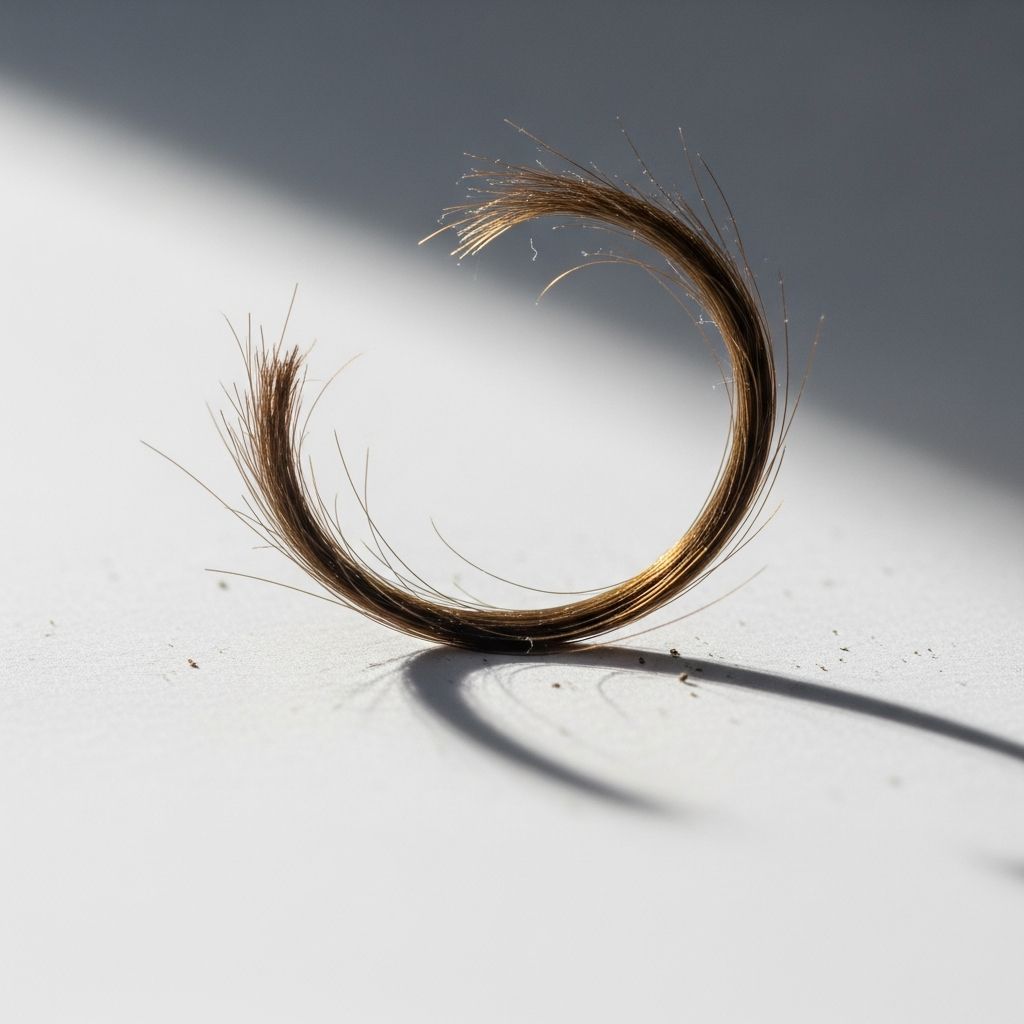
Hair shedding is a normal physiological process, but excessive shedding can signal underlying issues like telogen effluvium, anagen effluvium, or alopecia areata. This article explores the mechanisms, causes, diagnosis, and management strategies comprehensively.
What is Hair Shedding?
The hair growth cycle consists of three main phases:
anagen
(growth, 85-90% of hairs),catagen
(transition, 1-2%), andtelogen
(resting, 10-15%). Normally, 50-100 hairs shed daily as new anagen hairs push out telogen club hairs. Excessive shedding disrupts this balance, leading to diffuse thinning without scarring.Shed hairs appear as club hairs with a bulbous root, distinguishing them from broken hairs. Acute shedding follows triggers by 2-4 months, while chronic forms persist longer.
Normal vs Excessive Hair Shedding
To assess shedding, collect daily shed hair for comparison:
- Normal: <100 hairs/day, thin bundle.
- Excessive: >100-200 hairs/day, thick bundle like a ponytail section.
Women with longer hair notice shedding more due to visibility. Use visual guides: match your daily shed to images showing normal (<50 hairs) vs excessive (>200 hairs).
Causes of Hair Shedding
The most common causes are:
- Telogen Effluvium (TE): Most frequent, affects all ages/sexes; up to 70% anagen hairs enter telogen prematurely.
- Anagen Effluvium (AE): Abrupt shedding from follicle injury during growth phase.
- Alopecia Areata (Diffuse): Autoimmune, causes sudden shedding.
Telogen Effluvium Triggers
Acute TE follows a ‘shock’:
- Physiological: Childbirth (postpartum 3 months), surgery, severe illness/fever.
- Nutritional: Crash diets, iron/zinc/vitamin D deficiency.
- Drugs: Retinoids, anticoagulants, beta-blockers, antidepressants.
- Stress: Emotional/physical trauma.
- Endocrine: Thyroid imbalance, PCOS.
Chronic TE (no clear trigger) affects women 30-60 years, fluctuating for years.
Anagen Effluvium Causes
AE results from toxins/drugs halting anagen:
- Chemotherapy (e.g., taxanes, alkylating agents) – 80-90% scalp hair loss within days.
- Radiotherapy, toxins (thallium, colchicine).
- Inflammation (e.g., pemphigus).
Hairs are dystrophic with tapered tips, unlike telogen club hairs.
Other Causes
- Pattern Hair Loss: Androgenetic alopecia unmasks with TE; male (bitemporal/vertex), female (midline widening).
- Diffuse Alopecia Areata: Patchy to diffuse shedding, spontaneous recovery possible.
- Traction Alopecia: Repetitive tension.
- Secondary Syphilis, Trichotillomania: Rare.
Clinical Features
**Telogen Effluvium:** Positive hair pull test (3-5+ hairs from crown/sides), diffuse thinning (up to 50%), no scarring. Shedding peaks 2-4 months post-trigger; nails may show Beau lines (groove timing shock via 5-month fingernail growth). Chronic: Intermittent, thick hair persists.
**Anagen Effluvium:** Sudden total scalp/body alopecia within days-weeks, >50% loss.
**Associated Signs:** Trichodynia (scalp pain), widened part, reduced ponytail diameter.
| Type | Onset | Shed Hair Type | % Loss | Body Hair |
|---|---|---|---|---|
| Telogen Effluvium | 2-4 months post-trigger | Club hairs | 30-50% | Usually scalp only |
| Anagen Effluvium | Days | Dystrophic, tapered | >50-100% | Often body-wide |
| Diffuse Alopecia Areata | Sudden | Mixed | Variable | Possible |
Diagnosis
Primarily clinical: History (triggers 3-6 months prior), exam (pull test, trichoscopy).
Related Stories



- Trichoscopy: >20-25% telogen hairs diagnostic for TE; empty follicles in AE.
- Tests: Ferritin, TSH, zinc, vitamin D; biopsy rare (shows ↑telogen follicles, no inflammation).
- Differential: Androgenetic alopecia, diffuse AA, loose anagen syndrome.
Treatment and Management
Most self-resolve; focus on triggers and support.
General Measures
- Reassurance: Shedding indicates regrowth.
- Gentle hair care: Avoid tight styles, heat, traction.
- Nutrition: Balanced diet, iron if deficient (ferritin >40-70 µg/L).
- Minoxidil 5% topical: Stimulates regrowth.
Specific Treatments
- TE: Remove trigger; low-dose minoxidil + spironolactone for chronic/FPHL overlap (e.g., 2.5mg minoxidil + 25mg spironolactone daily).
- AE: Scalp cooling for chemo; wigs, counseling.
- Diffuse AA: Topical steroids, JAK inhibitors; variable response.
Treatment: 6+ months minimum; psychological support vital.
Outcome and Prognosis
**Acute TE:** Self-corrects 6-12 months post-trigger.
**Chronic TE:** Fluctuates, resolves spontaneously years later.
**AE:** Regrowth 3-6 months post-insult, may be altered texture/color.
**Risk:** Recurrent TE may progress to pattern loss.
New hair matches original unless underlying disease.
Frequently Asked Questions (FAQs)
Q: Is hair shedding normal?
A: Yes, 50-100 hairs/day is normal; >100-200 suggests excessive shedding needing evaluation.
Q: How long after a trigger does telogen effluvium start?
A: Typically 2-4 months, aligning with telogen phase duration.
Q: Can stress cause hair loss?
A: Yes, emotional/physical stress triggers TE by syncing follicles to telogen.
Q: Will my hair grow back after shedding?
A: Usually yes, once trigger resolved; full regrowth 6-12 months.
Q: When should I see a doctor for hair shedding?
A: If >200 hairs/day >3 months, thinning visible, or with symptoms like scalp pain.
References
- Telogen effluvium (hair shedding) — DermNet NZ. 2023-05-15. https://dermnetnz.org/topics/telogen-effluvium
- Diffuse alopecia — DermNet NZ. 2023-08-20. https://dermnetnz.org/topics/diffuse-alopecia
- Anagen effluvium: Causes, Images, and Treatment — DermNet NZ. 2023-07-10. https://dermnetnz.org/topics/anagen-effluvium
- Hair shedding — DermNet NZ. 2023-06-01. https://dermnetnz.org/topics/hair-shedding
- Female pattern hair loss — DermNet NZ. 2023-09-12. https://dermnetnz.org/topics/female-pattern-hair-loss
Similar Articles








Read full bio of Sneha Tete