Hair Transplant: How It Works and Success Rates
Complete guide to hair transplant surgery, techniques, and expected outcomes for hair restoration.
Hair Transplant: Understanding the Procedure
A hair transplant is a surgical procedure that moves hair to areas of the scalp that are bald or experiencing thinning. Also referred to as hair restoration or hair replacement surgery, this procedure is typically recommended for individuals who have already explored other hair loss treatment options without satisfactory results. Board-certified dermatologists and plastic surgeons perform hair transplants, utilizing advanced techniques to ensure natural-looking outcomes that blend seamlessly with existing hair.
The fundamental principle behind hair transplantation involves relocating healthy hair follicles from donor sites—typically areas where hair grows thickly—to recipient sites where hair loss or thinning has occurred. This procedure offers a permanent solution to hair loss caused by genetic factors, hormonal changes, or other medical conditions. Understanding the process, techniques, and realistic expectations is essential before pursuing this treatment option.
How Hair Transplants Work
Hair transplant surgery operates on a straightforward yet intricate principle: moving hair-bearing skin grafts from areas resistant to hair loss to areas experiencing baldness or thinning. The procedure begins with the surgeon identifying and removing grafts from the donor site, typically located at the back or sides of the scalp where hair follicles remain resilient and continue growing throughout life.
Once extracted, these grafts—small sections of skin containing hair follicles—are carefully prepared for transplantation. The surgeon then creates tiny incisions or recipient sites in the balding areas of the scalp, strategically placing grafts to match natural hair growth patterns and direction. After the transplanted skin heals, the newly transplanted hair follicles continue their natural growth cycle, producing permanent hair in previously bald regions.
The entire procedure typically takes several hours to complete, though duration varies based on the number of grafts needed and the extent of hair loss being addressed. Most patients remain awake during the procedure, receiving local anesthesia to numb the scalp and minimize discomfort. Because of the extent of the work involved, multiple procedures may be necessary to achieve desired results, with patients requiring several months of healing time between sessions.
Types of Hair Transplant Surgery
Modern hair restoration offers several surgical approaches, each with distinct advantages and considerations. Understanding these techniques helps patients and physicians select the most appropriate method based on individual circumstances, donor hair availability, and desired outcomes.
Follicular Unit Strip Surgery (FUSS) or Follicular Unit Transplantation (FUT)
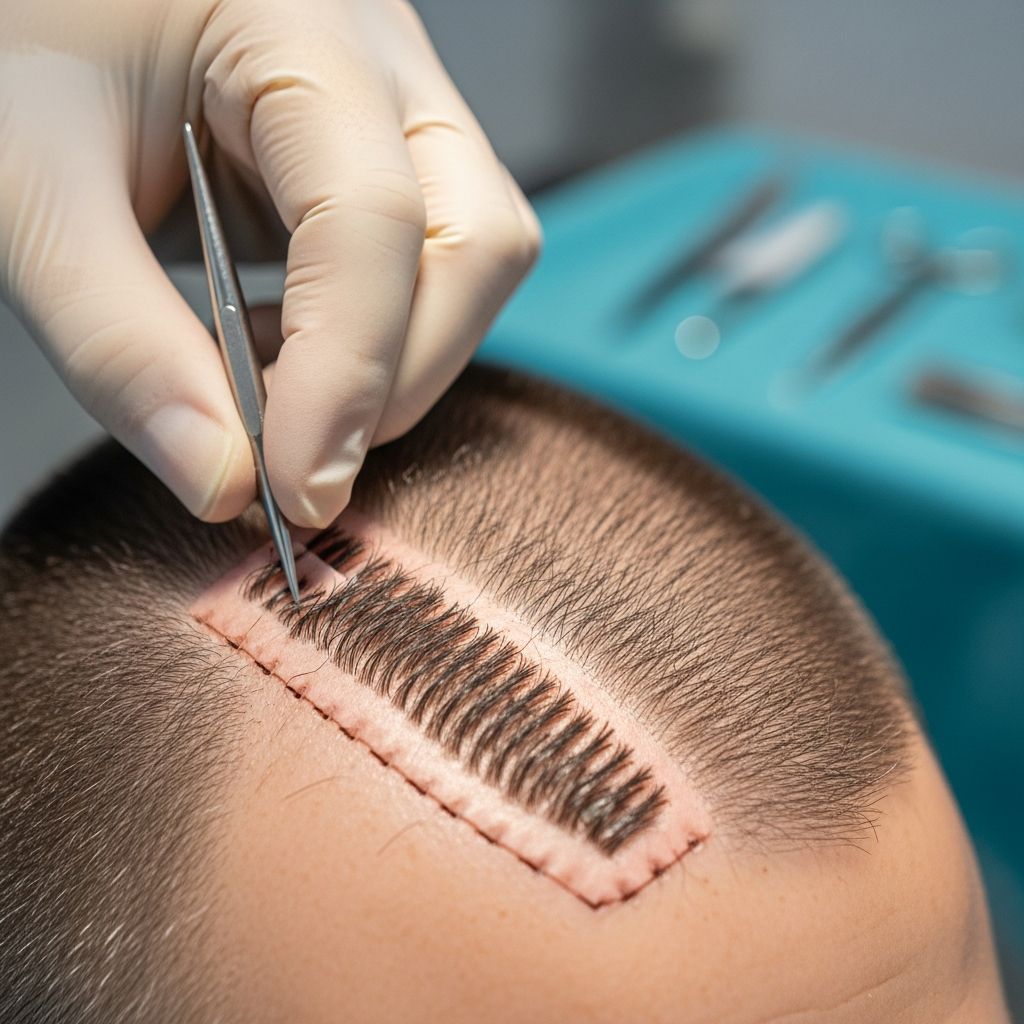
Follicular unit strip surgery, also known as follicular unit transplantation or the strip method, represents one of the most established hair transplant techniques. During this procedure, the surgeon carefully removes a thin, continuous strip of hair-bearing scalp from the back of the head, typically measuring up to 10 inches in length. This donor strip contains numerous healthy hair follicles arranged naturally in follicular units.
After removal, the surgeon meticulously separates this strip into hundreds of individual grafts under microscopic magnification. Each graft contains one to four individual hairs in their natural grouping, preserving the follicular unit structure. The surgeon then creates microscopic recipient sites in the balding areas and carefully places each graft into position, ensuring proper alignment with natural hair growth patterns.
Related Stories



The donor site is closed with sutures, resulting in a linear scar that typically fades over time and becomes less noticeable as surrounding hair grows. This technique allows for harvesting a large number of grafts in a single session, making it particularly effective for extensive hair loss or patients requiring substantial coverage.
Follicular Unit Extraction (FUE)
Follicular unit extraction represents a more modern approach to hair transplantation, eliminating the need for removing an entire strip of scalp. Instead, the surgeon uses specialized equipment to extract individual hair follicles directly from the donor area, one at a time. These extractions are remarkably small, typically measuring just a few millimeters in diameter.
The FUE technique offers significant cosmetic advantages, as it avoids the linear scarring associated with strip methods. Instead, patients experience only small, punctate scars that are virtually imperceptible, particularly when surrounding hair regrows. This makes FUE an excellent choice for patients who prefer to wear shorter hairstyles or those concerned about visible scarring.
Scalp Reduction Surgery (Alopecia Reduction)
Scalp reduction, also referred to as alopecia reduction, represents an alternative surgical approach for treating hair loss. During this procedure, the surgeon removes a small section of bald skin from the scalp. Surrounding skin containing hair is then loosened and pulled over the area where bald skin was removed, effectively reducing the overall bald region on the scalp.
Once repositioned, the hair-bearing skin is secured in place using sutures. This technique can significantly reduce the visible area of baldness, though it is typically most effective for patients with smaller bald patches or those seeking to complement other hair restoration procedures.
Flap Surgery
Flap surgery is recommended for patients with large bald areas, particularly near the front of the scalp. This procedure is more complex than other hair transplant techniques and typically requires multiple sessions spanning several weeks.
During flap surgery, the surgeon creates superficial cuts around three sides of a hair-bearing section of scalp, leaving the fourth side attached to maintain its blood supply. This intact connection ensures the flap receives continuous blood flow, which is critical for graft survival. The surgeon then carefully lifts and repositions the flap over the bald area, securing it in place with sutures.
Because of the complexity and extent of this procedure, flap surgery requires general anesthesia rather than the local anesthesia used in other transplant techniques. This approach can cover larger areas of baldness than traditional grafting methods and may be combined with other hair restoration techniques.
Tissue Expansion
Tissue expansion is a surgical technique that gradually increases the amount of hair-bearing scalp available for transplantation. This procedure involves surgically implanting a silicone balloon-like device beneath the scalp in an area with healthy hair growth. Over weeks, this device is gradually filled with saline solution, stretching the overlying skin and expanding the area of hair-bearing tissue.
Once adequate expansion is achieved, the enlarged area of hair-bearing scalp is surgically repositioned to cover bald regions. This technique is particularly useful for patients with limited donor hair or extensive baldness, as it effectively increases the amount of hair-bearing tissue available for transplantation.
The Hair Transplant Procedure Process
Understanding the step-by-step process of hair transplant surgery helps patients prepare appropriately and manage expectations throughout their treatment journey.
Pre-Operative Consultation and Planning
Before undergoing hair transplant surgery, patients participate in a thorough consultation with their surgeon. During this meeting, the surgeon evaluates the patient’s hair loss pattern, examines donor area density and quality, and discusses realistic goals and expectations. A complete medical history and medication review is conducted to identify any factors that might affect surgical outcomes or healing.
The surgeon photographs the scalp from multiple angles to document baseline hair loss and plan graft placement strategy. This consultation phase is essential for ensuring that patients are appropriate candidates for the procedure and that their expectations align with achievable outcomes.
Anesthesia Administration
On the day of surgery, the medical team administers local anesthesia to numb both the donor and recipient areas of the scalp. This allows patients to remain awake and comfortable throughout the procedure while ensuring they experience no pain during graft extraction or placement.
Graft Extraction
Depending on the technique selected, the surgeon extracts grafts either as a continuous strip or as individual follicular units. The extraction process is performed with meticulous care to preserve graft integrity and maximize survival rates following transplantation.
Graft Preparation and Dissection
Once extracted, grafts are carefully prepared under microscopic magnification. Using fine instruments, surgical technicians separate grafts into individual follicular units, examining each to ensure quality and viability. This preparation phase is crucial for optimizing graft survival and achieving natural hair growth patterns.
Recipient Site Creation and Graft Placement
The surgeon creates tiny incisions in recipient areas, carefully spacing and angling them to match natural hair growth direction and density. Grafts are then delicately placed into these incisions, with particular attention to achieving a natural hairline and avoiding an unnatural appearance.
Post-Operative Care and Dressing
Following graft placement, the surgeon may apply pressure dressings to areas where grafts were harvested to control bleeding and promote healing. Antibiotics may be prescribed to prevent infection. Clear instructions are provided regarding wound care, activity restrictions, and medication use during the recovery period.
Success Rates and Expectations
Hair transplant surgery boasts impressive success rates when performed by experienced surgeons using appropriate techniques for individual patient circumstances. Most modern hair transplant procedures achieve survival rates of 80-90% or higher for transplanted grafts.
However, success is not immediate. Transplanted hair enters a dormant phase after surgery, typically lasting several weeks to three months. During this telogen effluvium phase, transplanted hairs may shed before new growth emerges. This shedding is normal and expected; it represents the hair follicle’s natural cycle rather than transplant failure.
New hair growth typically begins approximately three to four months after surgery, with noticeable improvement evident by six months. Full results develop over 12-18 months as transplanted hair continues to grow and thicken. Patient satisfaction remains high, with most individuals reporting significant improvement in hair density and appearance.
Recovery Timeline and Considerations
Understanding the recovery process helps patients prepare for the weeks and months following hair transplant surgery.
Immediate Post-Operative Period (Days 1-7): Patients may experience redness, minor swelling, and discomfort at both donor and recipient sites. Prescribed pain medications and antibiotics should be taken as directed. Pressure dressings should remain in place for at least 24 hours. The transplant site should be left uncovered and not washed for several days following the procedure.
First Month: Most redness and swelling resolve within two to three weeks. Scabs form over transplanted grafts and naturally shed within this timeframe. Strenuous activity, heavy lifting, and contact sports should be avoided to prevent complications and ensure proper healing.
Months Two Through Six: Transplanted hair enters its shedding phase, which is completely normal. New growth begins emerging, though growth rates vary among individuals. Hair washing and normal activities gradually resume as directed by the surgeon.
Six to Twelve Months: Significant hair growth becomes evident, with transplanted hair becoming progressively thicker and fuller. By the 12-month mark, most patients achieve approximately 60% of their final result, with continued improvement through month 18.
Factors Affecting Surgical Outcomes
Several factors influence hair transplant success and patient satisfaction. Adequate donor hair supply is essential; patients must have sufficient healthy hair in donor areas to meet restoration goals. The surgeon evaluates donor density and quality during initial consultation to determine feasibility.
Patient age and hair characteristics significantly impact outcomes. Younger patients with active hair loss patterns may require additional procedures as hair loss continues. Hair color, texture, and wave patterns affect how naturally transplanted hair blends with existing hair. Curlier or coarser hair typically provides better coverage than straight, fine hair.
Realistic expectations are crucial for satisfaction. Patients who understand that hair transplants restore rather than increase hair density, and who accept that perfect hairline recreation is impossible, report greater satisfaction. The skill and experience of the surgical team directly impact graft survival rates and aesthetic outcomes.
Who Is a Good Candidate for Hair Transplants?
Ideal candidates for hair transplant surgery have already experienced hair loss rather than currently experiencing rapid progression. This is because transplanted hair density may not match the original density, potentially creating cosmetic concerns if hair loss continues in surrounding areas.
Candidates should have adequate donor hair, typically defined as sufficient hair-bearing scalp with healthy follicles to meet restoration goals. Good overall health is essential, as is the absence of medical conditions that impair wound healing or compromise surgical safety.
Realistic expectations, emotional stability, and understanding of the procedure, recovery timeline, and potential outcomes contribute to successful outcomes and patient satisfaction. Patients should be motivated to undergo the procedure for personal reasons rather than external pressure.
Alternatives and Complementary Treatments
While hair transplant surgery offers permanent hair restoration, other treatments can complement surgical procedures or serve as alternatives for patients not suitable for surgery. Topical medications like minoxidil slow hair loss and may stimulate some regrowth. Oral medications such as finasteride prevent further hair loss in many patients.
Low-level laser therapy, platelet-rich plasma (PRP) injections, and other innovative treatments show promise in promoting hair growth and may be used alongside transplantation. Hair loss prevention programs help patients maximize results by addressing ongoing hair loss in non-transplanted areas.
Frequently Asked Questions
Q: How long does a hair transplant procedure take?
A: Most hair transplant procedures last several hours, typically ranging from 4 to 8 hours depending on the number of grafts being transplanted and the specific technique used. The exact duration varies based on individual circumstances and treatment goals.
Q: Will transplanted hair fall out?
A: Yes, transplanted hair will initially shed during the telogen effluvium phase, typically 2-3 months after surgery. This shedding is completely normal and expected. New hair growth emerges after this dormant phase, and transplanted hair continues to grow permanently.
Q: Are hair transplants permanent?
A: Yes, hair transplants provide permanent results. Transplanted hair comes from donor areas genetically resistant to hair loss, so it continues growing throughout your lifetime. However, surrounding non-transplanted hair may continue thinning if not treated with hair loss prevention medications.
Q: Can women undergo hair transplant surgery?
A: Yes, both men and women can benefit from hair transplant surgery. While male pattern baldness is more common, female pattern hair loss and other conditions causing baldness in women can be effectively treated with transplantation. Candidacy depends on hair loss pattern, donor hair availability, and other individual factors.
Q: How much does hair transplant surgery cost?
A: Hair transplant costs vary significantly based on the number of grafts needed, the technique used, surgeon experience, and geographic location. Most procedures are not covered by insurance as they are considered cosmetic. During consultation, surgeons provide detailed cost estimates based on individual treatment plans.
Q: What are the risks and complications associated with hair transplants?
A: Like all surgical procedures, hair transplants carry potential risks including infection, bleeding, scarring, and poor graft survival. Some patients experience temporary numbness or persistent itching. Choosing an experienced, board-certified surgeon significantly minimizes these risks. Serious complications are rare when proper surgical techniques and post-operative care protocols are followed.
Q: When will I see results from my hair transplant?
A: Initial results become visible around 3-4 months after surgery. Significant improvement is typically evident by 6 months, with full results developing over 12-18 months. Patience is essential, as the transplanted hair growth cycle takes time to establish.
Q: Can I combine hair transplant surgery with other treatments?
A: Yes, hair transplant surgery can be combined with other hair loss treatments. Many surgeons recommend concurrent use of medications like minoxidil or finasteride to maximize results and slow hair loss in non-transplanted areas. Your surgeon will discuss optimal treatment combinations during your consultation.
References
- Hair Transplant: How Does It Work, Success Rates — Cleveland Clinic. 2024. https://my.clevelandclinic.org/health/treatments/21519-hair-transplant
- What Is A Hair Transplant? Explanation, Cost, and More — National Council on Aging. 2024. https://www.ncoa.org/article/what-is-a-hair-transplant/
- Hair Loss Treatments: Topical, Medications & Surgery Options — Cleveland Clinic. 2024. https://my.clevelandclinic.org/health/treatments/8307-hair-loss-treatments
- Hair Loss Treatments — Cleveland Clinic. 2024. https://my.clevelandclinic.org/cosmetic-plastic-surgery/procedures/hair-loss-treatments
- Hair Loss: Causes, Treatments and Prevention Options — Cleveland Clinic. 2024. https://my.clevelandclinic.org/health/diseases/21753-hair-loss
- Get Hair Loss Treatment — Cleveland Clinic. 2024. https://my.clevelandclinic.org/services/hair-loss-treatment
Similar Articles








Read full bio of Sneha Tete