Hairy Tongue: 7 Causes, 6 Treatments, and 5 Prevention Tips
Understanding the causes, symptoms, diagnosis, and effective treatments for hairy tongue condition.
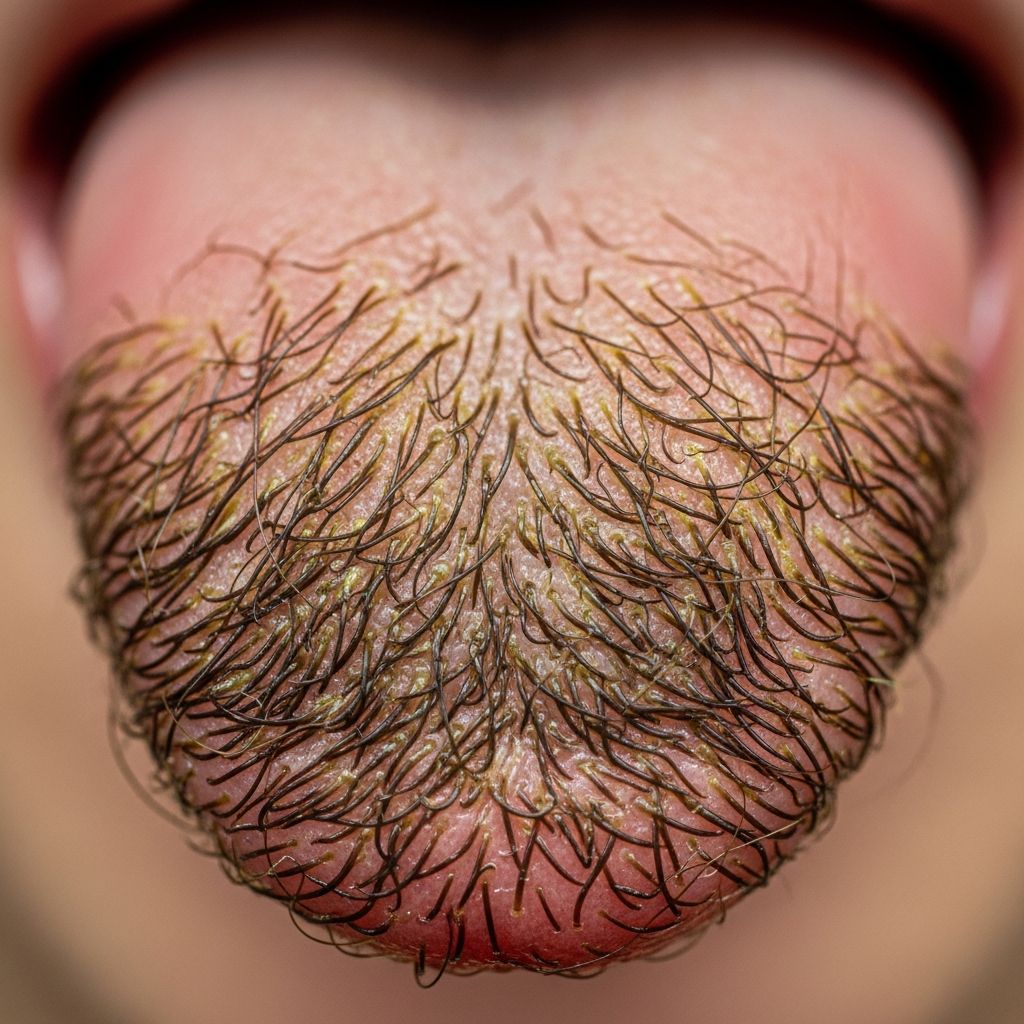
Hairy tongue, also known as lingua villosa, is a benign condition characterized by the elongation of filiform papillae on the dorsal surface of the tongue, giving it a hair-like appearance. This overgrowth occurs due to defective shedding of keratinized cells, leading to accumulation of debris, bacteria, and pigments.
What is hairy tongue?
The tongue’s surface is covered by numerous small projections called papillae, including filiform papillae which are cone-shaped and normally measure about 1 mm in length. In hairy tongue, these papillae hypertrophy and fail to shed properly, allowing keratin—a tough skin protein—to build up. This creates elongated strands up to 18 mm long that trap food particles, bacteria, yeast, or pigments, resulting in discoloration and a fuzzy texture.
While often asymptomatic, the condition primarily concerns patients due to its unsightly appearance. It predominantly affects the posterior two-thirds of the tongue and is more common in males, smokers, and those with poor oral hygiene.
Who gets hairy tongue?
Hairy tongue can occur at any age but is more prevalent in adults, particularly older individuals. It affects both genders, though men are at higher risk, possibly due to habits like tobacco use or intravenous drug use. Those with HIV or other immunocompromising conditions may be predisposed, alongside individuals practicing poor oral hygiene or consuming soft diets.
- Smokers and tobacco users
- Heavy coffee, tea, or alcohol consumers
- People on antibiotics or certain medications
- Individuals with dry mouth or dehydration
- Those with HIV or weakened immunity
Causes of hairy tongue
The precise etiology is multifactorial, stemming from impaired desquamation (shedding) of filiform papillae. Key triggers include:
- Poor oral hygiene: Leads to bacterial and yeast overgrowth, preventing normal debridement.
- Soft diet: Lacks mechanical abrasion needed to shed papillae.
- Tobacco, alcohol, coffee/tea: Stain papillae and inhibit shedding.
- Medications: Antibiotics disrupt oral flora; others like bismuth subsalicylate (Pepto-Bismol) cause black discoloration; reflux treatments or peroxide mouthwashes irritate.
- Dry mouth (xerostomia): Reduces saliva’s cleansing action, often from dehydration or medications.
- Radiation therapy: To head/neck areas damages papillae.
- Immunosuppression: Increases yeast/bacterial proliferation.
Bacteria and yeasts produce porphyrins—deeply colored compounds—contributing to discoloration.
Types of hairy tongue
Hairy tongue varies by color, influenced by trapped substances:
| Type | Color | Common Triggers |
|---|---|---|
| Black hairy tongue | Black/brown | Tobacco, coffee, tea, peroxide mouthwash, bismuth |
| White hairy tongue | White | Yeast overgrowth, antibiotics |
| Yellow hairy tongue | Yellow | Bacterial buildup |
| Green/Orange hairy tongue | Green/orange | Food dyes, bacteria |
Note: Oral hairy leukoplakia, caused by EBV in HIV patients, mimics but differs microscopically with white corrugated patches.
Clinical features of hairy tongue
Typically painless and asymptomatic beyond aesthetics, but some experience:
- Burning, gagging, or tickling sensation
- Halitosis (bad breath)
- Altered taste perception
- Nausea
Related Stories



The tongue appears coated with elongated, matted filaments, most prominent posteriorly, sparing taste buds.
Diagnosis of hairy tongue
Diagnosis is clinical, based on characteristic appearance—no biopsy needed unless malignancy suspected. Differentiate from:
- Leukoplakia or candidiasis
- Fungal infections
- Syphilis (secondary)
- Amyloidosis
Microscopy shows hyperparakeratotic filiform papillae with bacterial/yeast colonization.
What is the treatment of hairy tongue?
Most cases resolve with conservative measures; medical intervention rarely required.
- Improve oral hygiene: Brush tongue gently daily; use tongue scraper.
- Discontinue triggers: Stop smoking, limit coffee/tea/alcohol, switch mouthwashes (avoid peroxide).
- Mechanical debridement: Soft toothbrush, baking soda paste, or gauze wiping.
- Antimicrobials: Chlorhexidine, nystatin, or clotrimazole rinses for persistent cases.
- Hydration and diet: Increase water, rough foods for abrasion.
- Surgery: Rare; chemical/cauterization or excision of papillae.
Consult dentist/physician if persistent or symptomatic.
What is the outcome for hairy tongue?
Excellent prognosis; self-limiting with hygiene changes. Recurs if triggers persist. No malignant potential; monitor in high-risk patients.
Prevention of hairy tongue
Proactive steps include:
- Daily tongue brushing/scraping
- Avoiding tobacco and staining beverages
- Maintaining hydration
- Balanced diet with fibrous foods
- Regular dental visits
Frequently Asked Questions
Q: Is hairy tongue contagious?
A: No, it is not infectious; caused by local factors like hygiene and habits.
Q: Does hairy tongue go away on its own?
A: Often yes, but addressing causes speeds resolution.
Q: Can hairy tongue cause bad breath?
A: Yes, due to trapped debris and bacterial overgrowth.
Q: Is black hairy tongue dangerous?
A: Harmless cosmetically; resolves with treatment.
Q: How long does it take to treat hairy tongue?
A: Typically 1-2 weeks with consistent hygiene.
References
- Hairy tongue: Symptoms, causes, and treatment — Medical News Today. 2017-08-17. https://www.medicalnewstoday.com/articles/320201
- Hairy tongue — DermNet NZ. N/A. https://dermnetnz.org/topics/hairy-tongue
- Black hairy tongue – Symptoms and causes — Mayo Clinic. 2023-07-31. https://www.mayoclinic.org/diseases-conditions/black-hairy-tongue/symptoms-causes/syc-20356077
- What Is Black Hairy Tongue? – Causes And Treatment — Elite Dental Group. N/A. https://elitedentalg.com/blog/what-is-black-hairy-tongue/
- Hairy Tongue: What to Do About That Fuzzy Feeling — Banner Health. 2023-10-12. https://www.bannerhealth.com/healthcareblog/teach-me/hairy-tongue-what-to-do-about-that-fuzzy-feeling
Similar Articles








Read full bio of medha deb