Hallucinations: Definition, Causes, Treatment & Types
Comprehensive guide to understanding hallucinations, their causes, symptoms, and treatment options.
Understanding Hallucinations: A Comprehensive Guide
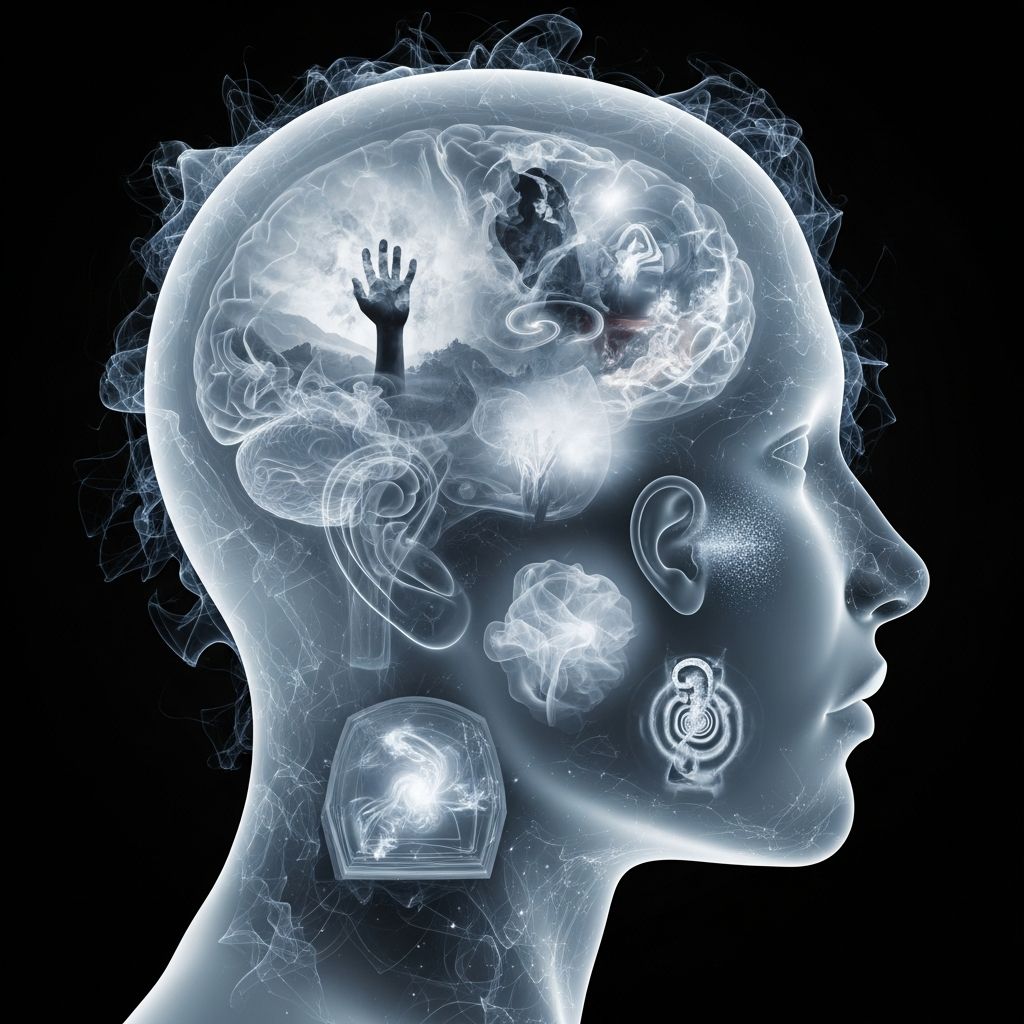
A hallucination is a false perception of objects or events involving your senses—sight, sound, smell, touch, and taste. These sensations seem completely real to the person experiencing them, yet they have no basis in external reality. Other people around you won’t see or experience the same hallucination. Hallucinations differ from delusions, which are false beliefs rather than false perceptions. They typically occur as a symptom of psychosis-related disorders, particularly schizophrenia, but can also result from substance use, neurological conditions, and various temporary situations.
The experience of hallucinating can be deeply disturbing and confusing. A person may experience a hallucination with or without the insight that what they’re experiencing isn’t real. When a person thinks their hallucination is real, it’s considered a psychotic symptom. Understanding the nature of hallucinations is crucial for both those experiencing them and healthcare providers working to diagnose and treat underlying conditions.
Types of Hallucinations
Hallucinations can manifest in different sensory modalities, each presenting unique characteristics and challenges:
Visual Hallucinations
Visual hallucinations involve seeing things that aren’t there. These can range from simple patterns and flashing lights to complex scenes with people, animals, or detailed environments. Some visual hallucinations are fleeting and brief, while others can last for extended periods. They may appear in full color or in black and white, and the intensity can vary significantly from person to person.
Auditory Hallucinations
Auditory hallucinations occur when you hear voices or noises that aren’t present. These are among the most common types of hallucinations, particularly in individuals with schizophrenia. People may hear single voices or multiple voices, and the content can range from conversations to commands or commentary about their actions.
Tactile Hallucinations
Tactile hallucinations involve sensing touch or physical sensations that aren’t actually occurring. A person might feel something touching their skin, crawling sensations, or pressure on their body when nothing is physically present.
Olfactory and Gustatory Hallucinations
Olfactory hallucinations involve false perceptions of smell, while gustatory hallucinations involve false perceptions of taste. These types are less common than visual or auditory hallucinations but can still significantly impact quality of life.
Common Causes of Hallucinations
Hallucinations can stem from various medical, psychiatric, and environmental factors. Understanding the underlying cause is essential for appropriate treatment.
Psychiatric Disorders
Schizophrenia is the most prominent psychiatric condition associated with hallucinations. However, hallucinations can also occur in other psychotic disorders, severe depression with psychotic features, and bipolar disorder. These hallucinations are typically considered a core feature of the psychotic experience.
Neurological Conditions
Various neurological disorders can trigger hallucinations. Alzheimer’s disease and other forms of dementia frequently present with visual hallucinations. Parkinson’s disease, Lewy body dementia, and other neurodegenerative conditions are also associated with hallucinations. Neurological hallucinations often reflect damage to the visual processing centers of the brain or disruptions in neural signaling.
Related Stories



Visual Loss and Charles Bonnet Syndrome
Charles Bonnet Syndrome (CBS) is a fascinating condition that occurs when vision loss triggers visual hallucinations. Experts believe this happens when your brain tries to fill in gaps created by reduced vision input. When your retina can’t transmit as much information to your brain as it’s accustomed to receiving, your brain may compensate by creating its own images, either from memories or entirely new visual content. These hallucinations aren’t related to psychiatric conditions but rather represent a natural response to sensory deprivation.
Substance Use
Hallucinogenic drugs such as LSD, psilocybin, and peyote can produce hallucinations. Additionally, alcohol withdrawal, stimulant abuse, and other substance-related conditions can trigger hallucinations as part of the withdrawal or intoxication process.
Sleep-Related Hallucinations
Hypnagogic hallucinations occur as you’re falling asleep, while hypnopompic hallucinations happen as you’re waking up. These sleep-related hallucinations are brief, usually visual, and typically not concerning. They’re common in people without any underlying health conditions, though they’re also associated with narcolepsy.
Medical Conditions
Various medical conditions can cause hallucinations, including fever, delirium, infections, metabolic disorders, and medication side effects. Older adults are particularly at risk for developing hallucinations secondary to drugs, toxins, and underlying medical illnesses due to higher medical comorbidity, polypharmacy, and increased sensitivity to drug effects.
Symptoms and Manifestations
The symptoms of hallucinations vary depending on the type and underlying cause:
- Seeing, hearing, feeling, smelling, or tasting things that aren’t present
- Experiencing confusion about whether perceptions are real
- Feeling anxious, frightened, or disturbed by hallucinations
- Responding to internal stimuli (like talking to voices no one else hears)
- Withdrawing from social situations due to embarrassment or fear
- Changes in sleep patterns or difficulty concentrating
- Difficulty distinguishing hallucinations from reality
Diagnosis and Evaluation
Diagnosing hallucinations requires a comprehensive approach. Healthcare providers typically begin with a thorough medical history and physical examination. A complete eye exam may be necessary, particularly if visual hallucinations are present. Mental status examinations help assess cognitive function and perception accuracy. Neurological exams and imaging tests like MRI or CT scans may be used to rule out other conditions that can cause similar symptoms.
Providers will ask detailed questions about when hallucinations started, how frequently they occur, what sensory modalities are involved, and whether the person recognizes them as unreal. Information about recent eye surgery, new medications, substance use, and family history of psychiatric or neurological conditions helps establish the cause.
Treatment Approaches
Treatment for hallucinations depends on the underlying cause and type of hallucination:
Medication Management
Antipsychotic medications are commonly prescribed for hallucinations associated with schizophrenia and other psychotic disorders. These medications can reduce the frequency and intensity of hallucinations. For hallucinations related to other medical conditions, treating the underlying disorder may resolve the hallucinations.
Psychotherapy and Counseling
Cognitive-behavioral therapy and other psychotherapeutic approaches can help individuals cope with hallucinations and develop strategies for managing distressing symptoms. Support groups provide community and shared experiences.
Addressing Underlying Conditions
For Charles Bonnet Syndrome, many people experience fewer hallucinations once their brain and eyes adjust to reduced vision, typically within one to two years. For delirium-related hallucinations, treating the underlying medical condition often resolves the hallucinations. For neurological conditions, managing the primary disease process is essential.
Lifestyle Modifications
Stress reduction, adequate sleep, avoiding substance use, and maintaining social connections can help manage hallucinations. Environmental modifications and reality orientation techniques may also be beneficial.
When to Seek Medical Attention
It’s important to consult a healthcare provider if you experience hallucinations, especially if they:
- Occur during the day when you’re fully awake (as opposed to sleep-related hallucinations)
- Last for extended periods or occur frequently
- Are accompanied by confusion, memory loss, or other cognitive changes
- Follow recent medication changes or substance use
- Cause significant distress or interfere with daily functioning
- Are associated with fever, severe headache, or other concerning symptoms
Key Differences: Hallucinations vs. Related Conditions
| Condition | Characteristic | Sensory Type | Underlying Cause |
|---|---|---|---|
| Hallucination | False perception seem completely real | Any sensory modality | Psychiatric, neurological, medical, or temporary |
| Delusion | False belief held despite evidence | Cognitive/belief-based | Usually psychiatric conditions |
| Dream | Narrative storyline, occurs during sleep | Usually visual and emotional | Normal sleep process |
| Hypnagogic Hallucination | Brief, occurs while falling asleep | Usually visual | Normal sleep transition or narcolepsy |
Frequently Asked Questions
Q: Are hallucinations always a sign of mental illness?
A: No. While hallucinations are commonly associated with psychotic disorders like schizophrenia, they can result from neurological conditions, vision loss, medication side effects, substance use, fever, delirium, or sleep-related phenomena. Many causes are temporary and treatable.
Q: Can hallucinations be cured?
A: Treatment depends on the underlying cause. Hallucinations from psychotic disorders can often be managed effectively with antipsychotic medications and therapy. Those from Charles Bonnet Syndrome may resolve as the brain adjusts to vision loss. Medication-induced hallucinations typically cease once the offending drug is discontinued.
Q: How long do hallucinations typically last?
A: Duration varies widely. Sleep-related hallucinations are brief, lasting seconds to minutes. Hallucinations from neurological conditions or psychotic disorders may persist for hours or longer. Charles Bonnet hallucinations can last from seconds to a few hours and may occur randomly or daily.
Q: Do people with hallucinations always know they’re not real?
A: Not necessarily. Some people recognize their hallucinations as unreal, while others believe them to be genuine. When someone lacks insight into the unreality of their hallucinations, it’s considered a psychotic symptom and typically requires treatment.
Q: Can stress or anxiety trigger hallucinations?
A: Stress can exacerbate hallucinations in people with psychotic disorders, but it typically doesn’t cause hallucinations in otherwise healthy individuals. However, extreme stress or severe sleep deprivation might contribute to hallucinations in vulnerable people.
Q: Are auditory hallucinations more common than visual hallucinations?
A: It depends on the cause. In schizophrenia and psychotic disorders, auditory hallucinations are more common. However, in neurological conditions like Alzheimer’s disease, Lewy body dementia, and AMD-related Charles Bonnet Syndrome, visual hallucinations are more prevalent.
Q: What should I do if someone I know is experiencing hallucinations?
A: Encourage them to seek medical evaluation promptly. Avoid arguing about whether hallucinations are real, as this typically isn’t effective. Be supportive, listen without judgment, and help them connect with healthcare professionals who can diagnose and treat the underlying condition.
Conclusion
Hallucinations are complex phenomena with diverse causes ranging from psychiatric conditions to neurological disorders, sensory loss, and temporary medical situations. Understanding their nature, types, and underlying causes is essential for proper diagnosis and treatment. If you or someone you know experiences hallucinations, seeking professional medical evaluation is important to identify the cause and develop an appropriate treatment plan. With proper care and management, many hallucinations can be effectively controlled, allowing individuals to improve their quality of life and functioning.
References
- Charles Bonnet Syndrome (Visual Release Hallucinations) — Cleveland Clinic. 2024. https://my.clevelandclinic.org/health/diseases/24403-charles-bonnet-syndrome
- Hypnagogic Hallucinations: Causes, Symptoms & Treatment — Cleveland Clinic. 2024. https://my.clevelandclinic.org/health/articles/23234-hypnagogic-hallucinations
- Auditory Hallucinations: Causes, Symptoms, Types & Treatment — Cleveland Clinic. 2024. https://my.clevelandclinic.org/health/symptoms/23233-auditory-hallucinations
- Psychotic disorders in late life: a narrative review — National Institutes of Health, National Center for Biotechnology Information. 2019. https://pmc.ncbi.nlm.nih.gov/articles/PMC6796200/
- Schizophrenia: What It Is, Causes & Symptoms — Cleveland Clinic. 2024. https://my.clevelandclinic.org/health/diseases/4568-schizophrenia
- Psychosis: What It Is, Symptoms, Causes, Types & Treatment — Cleveland Clinic. 2024. https://my.clevelandclinic.org/health/symptoms/23012-psychosis
Similar Articles








Read full bio of Sneha Tete