Big Toe Got You Down? It May Be Hallux Rigidus
Understanding hallux rigidus: causes, symptoms, and effective treatment options for big toe arthritis.
Understanding Hallux Rigidus: When Your Big Toe Becomes a Problem
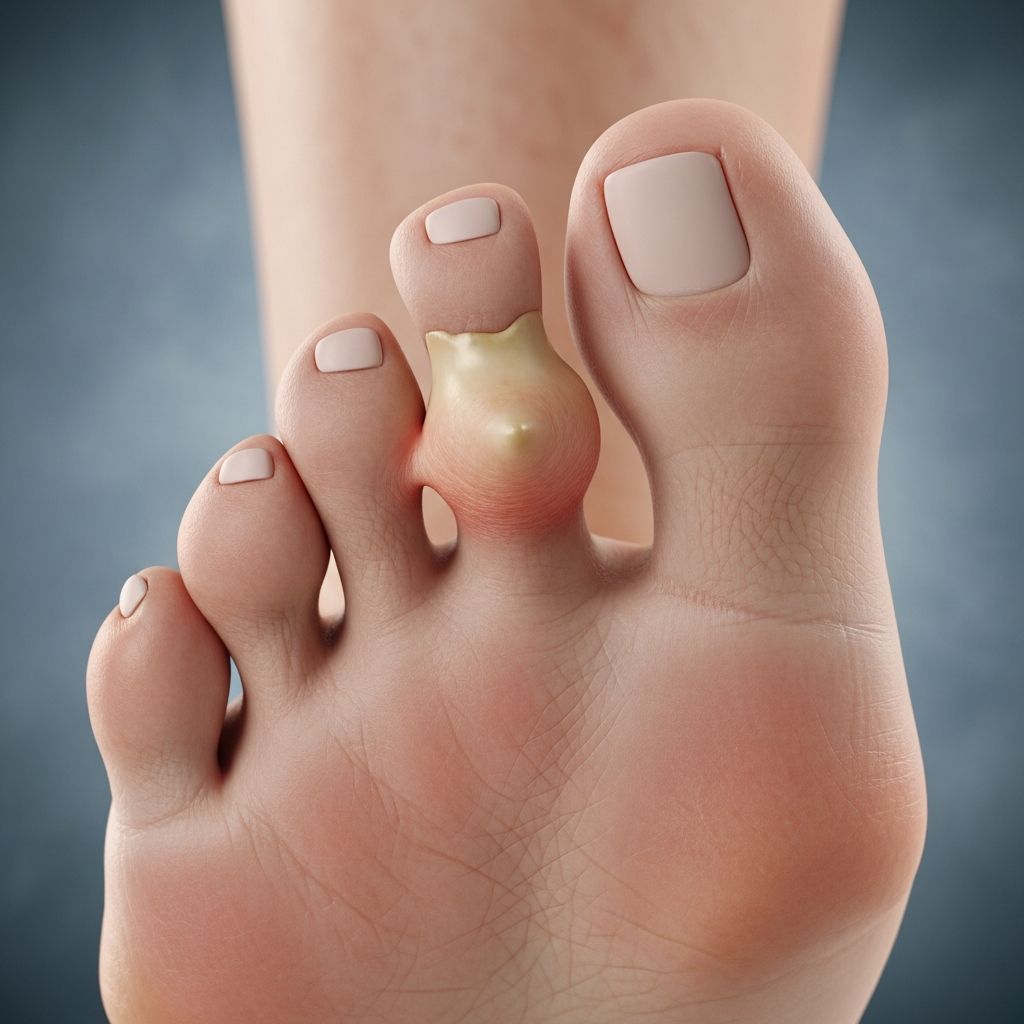
If you’ve noticed increasing pain and stiffness in your big toe, especially when walking or bending, you may be experiencing hallux rigidus. This common foot condition affects the joint at the base of the big toe and can significantly impact your quality of life. Hallux rigidus, also known as stiff big toe or big toe arthritis, is a degenerative joint condition characterized by pain, stiffness, and limited motion in the first metatarsophalangeal (MTP) joint. Understanding this condition and recognizing its early symptoms can help you seek appropriate treatment before the problem becomes severe.
The first MTP joint is one of the most important joints in your foot. During normal walking, this joint bears approximately 119% of your body weight with each step, making it particularly vulnerable to wear and tear over time. When the cartilage in this joint deteriorates, it leads to the painful condition known as hallux rigidus.
What Causes Hallux Rigidus?
Hallux rigidus develops through multiple pathways, and understanding the underlying causes can help you take preventive measures. The condition is multifactorial, meaning several factors often contribute to its development.
Traumatic Injuries
One significant cause of hallux rigidus is direct trauma to the big toe. Injuries such as stubbing your toe forcefully or stepping on it can damage the cartilage in the MTP joint. Research has found a strong association between a history of trauma and unilateral (one-sided) hallux rigidus. This type of injury-related hallux rigidus may develop gradually as the joint attempts to compensate for the initial damage.
Structural and Biomechanical Factors
Your foot’s structure plays a crucial role in developing hallux rigidus. Certain anatomical variations increase your risk, including:
– Flat feet or flatfoot structure- Bunions (hallux valgus)- Increased hallux interphalangeal angle- Longer proximal phalanx or first metatarsal- First ray hypermobility- Metatarsus adductus (inward-turning foot)- Equinus deformity (limitation in ankle flexibility)
These structural differences can create abnormal stress distribution on the MTP joint, accelerating cartilage breakdown.
Age and Wear and Tear
As you age, the natural wear and tear on your joints accumulates. The cartilage that cushions the joints gradually deteriorates, and this process is usually what causes hallux rigidus. This age-related degeneration can affect anyone, but it’s more likely to occur if you’ve had previous injuries or if you have structural foot problems.
Genetic and Family History
Bilateral hallux rigidus (affecting both feet) is most commonly associated with family history and female gender. Up to two-thirds of patients with hallux rigidus have a family history of hallux valgus, suggesting a genetic component to the condition. If your parents or close relatives had this condition, you may be at higher risk.
Systemic Conditions
Certain inflammatory and metabolic conditions can contribute to early degeneration of the MTP joint and should be considered, including:
– Gout- Rheumatoid arthritis- Seronegative arthropathies- Other systemic inflammatory conditions
These conditions can accelerate cartilage breakdown and lead to premature hallux rigidus development.
Related Stories



Other Contributing Factors
Additional factors that appear to contribute to hallux rigidus development include Achilles contracture (tightness in the Achilles tendon), inappropriate footwear, and an elevated metatarsal head position. Chronic stress on the joint from these factors can gradually lead to degenerative changes.
Recognizing the Symptoms of Hallux Rigidus
Early recognition of hallux rigidus symptoms is crucial for effective management. The condition typically develops gradually, with symptoms worsening over time if left untreated.
Early Signs and Symptoms
The initial manifestations of hallux rigidus include:
– Pain and stiffness in the big toe during use (walking, standing, or bending)- Discomfort that worsens with activity- Swelling around the joint- Difficulty bending the toe normally- A bump or enlargement on top of the foot- Difficulty wearing certain types of shoes
Progressive Symptoms
As the condition advances, you may experience:
– Increased pain even during light activities- Significant reduction in toe motion and flexibility- Limping or altered gait to reduce pressure on the big toe- Pain that may become constant- Difficulty with stairs, slopes, or uneven surfaces- Reduced ability to participate in sports or recreational activities
Impact on Daily Life
The progressive nature of hallux rigidus can significantly affect your quality of life. Simple activities like walking, standing for extended periods, or even choosing appropriate footwear become challenges. Many people find themselves modifying their activities to accommodate the pain and stiffness.
Diagnosing Hallux Rigidus
Your foot and ankle surgeon or healthcare provider can diagnose hallux rigidus through a combination of clinical examination and imaging studies. The diagnosis involves assessing your symptoms, examining the range of motion in the big toe joint, and potentially ordering X-rays or other imaging to confirm the diagnosis and determine the severity of the condition.
Conservative Treatment Options: Starting with Non-Surgical Approaches
The good news is that many cases of hallux rigidus can be managed without surgery. Research shows that up to 55% of patients with hallux rigidus have adequate pain relief without surgical intervention. Non-surgical management should always be the first option for treatment, and your physician can recommend various approaches based on your specific situation.
Activity Modifications
One of the simplest and most effective initial treatments is modifying your activities. Avoiding running, jumping, and climbing stairs can make a significant difference in pain and discomfort levels. This may not be desirable for all patients, but understanding your limitations helps prevent symptom progression.
Footwear Changes
Choosing appropriate shoes is crucial in managing hallux rigidus. Non-surgical treatment consists of avoiding flexible, narrow shoes that stress the joint. Instead, opt for shoes with:
– Wider toe boxes- Stiff soles- Rocker-bottom design- Good arch support- Proper cushioning
These features reduce motion at the big toe joint and minimize irritation from activity.
Custom Orthotics and Shoe Inserts
Shoe modifications and orthotics are highly effective conservative treatments that aim to modify the biomechanics of the first MTP joint, reduce motion, limit irritation from dorsal osteophytes (bone spurs), and reduce mechanical stresses on the joint. Morton’s extension inserts are particularly helpful, as they limit motion at the big toe joint and relieve pain. Carbon fiber or spring steel are common materials used in prefabricated devices or custom orthotics to limit motion effectively.
Medications and Pain Relief
Over-the-counter and prescription medications can help manage hallux rigidus symptoms:
– NSAIDs (Non-Steroidal Anti-Inflammatory Drugs): Oral medications such as ibuprofen can help reduce swelling and joint pain- Ice Therapy: Applying ice packs to the toe may temporarily help reduce inflammation and control symptoms. Important: do not apply ice directly to the skin- Heat Therapy: Some patients find heat packs beneficial, especially for stiffness
Physical Therapy and Modalities
Physical therapy can provide temporary relief and help maintain joint function. Ultrasound therapy or other physical therapy modalities may be undertaken to reduce pain and improve mobility.
Injection Therapy
Corticosteroid injections can be both diagnostic and therapeutic. They work by reducing inflammation and pain in the affected joint. However, injections provide temporary relief and do not permanently fix the problem. The relief typically lasts several months. When intraarticular injections are utilized, dexamethasone phosphate should be preferred over triamcinolone due to chondrotoxic effects.
Platelet-rich plasma (PRP) injections and similar biologic injections into the joint are promising but vary in effectiveness. These emerging treatments may offer hope for some patients seeking alternatives to traditional approaches.
Compression and Elevation
Simple home remedies can also help manage symptoms. Compression and elevation are helpful for reducing inflammation and can be accomplished by keeping your joint raised on a pillow and compressed by wrapping a bandage around it. However, do not make the bandage too tight, and do not wear compression bandages in bed at night.
Surgical Treatment Options: When Conservative Care Isn’t Enough
If conservative treatments don’t provide adequate relief or if hallux rigidus significantly interferes with your daily activities, your physician may recommend surgery. Most people don’t need surgery to treat hallux rigidus, but surgery is usually the only way to permanently get rid of the condition.
Cheilectomy
Cheilectomy is a procedure that removes bone spurs and cartilage fragments from the joint. This procedure has good outcomes for early-stage hallux rigidus (Grade 1 and 2), with up to 97% of patients reporting excellent results and 92% having pain relief and function improvement in a 10-year follow-up period. However, less satisfactory results are seen with higher stages of hallux rigidus, where conversion to arthrodesis (joint fusion) is necessary in 25% to 56% of cases.
First Metatarsophalangeal Joint Arthrodesis
Arthrodesis, or joint fusion, remains the gold standard for end-stage hallux rigidus, with a success rate of approximately 90%. This procedure permanently fuses the big toe joint, eliminating motion but providing reliable pain relief. The main advantage is that it is a permanent correction to reduce pain. The major disadvantage is that it restricts movement of the big toe, although most patients can still be active and participate in most daily activities.
Joint Resurfacing (Interpositional Arthroplasty)
For patients with moderate to severe hallux rigidus who want to avoid loss of motion, joint resurfacing offers an alternative option. This procedure attempts to preserve some joint mobility while addressing the arthritic changes.
Joint Replacement (Arthroplasty)
Joint replacement surgery entails replacing one or both sides of the joint with artificial components made of plastic or metal. This approach aims to restore function while maintaining some degree of motion in the joint.
Prognosis and Long-Term Outcomes
The prognosis for hallux rigidus is generally favorable. Nonoperative treatment should be the first attempted intervention, as it has been shown to have good outcomes. Research reviewing 772 patients with either operative or nonoperative management found that 55% of all patients had treatment success with conservative care alone. Over 50% of patients have satisfactory pain relief with nonoperative treatment, while more severe stages of the disease may require surgery.
Prevention and Lifestyle Modifications
While you probably can’t completely prevent hallux rigidus from developing, you may be able to slow down its progression:
– Wear well-fitting shoes with adequate toe box space- Avoid high heels and tight shoes- Maintain a healthy weight to reduce stress on joints- Protect your feet from trauma and injuries- Seek prompt treatment for foot injuries- Address foot structural problems early- Maintain regular physical activity appropriate for your condition- Consider preventive orthotics if you have risk factors
Frequently Asked Questions About Hallux Rigidus
Q: How long does hallux rigidus take to develop?
A: Hallux rigidus typically develops gradually over months to years. Most cases develop naturally over time without an obvious cause, as normal wear and tear on the joint accumulates. The rate of progression varies depending on your foot structure, activity level, and whether you have any contributing conditions.
Q: Can hallux rigidus go away on its own?
A: Unfortunately, hallux rigidus does not resolve on its own. Once the cartilage in the joint has deteriorated, it cannot repair itself. However, symptoms can be managed effectively with conservative treatment in many cases, and progression can be slowed with appropriate care.
Q: Will I need surgery for hallux rigidus?
A: Not necessarily. Most people with hallux rigidus are able to find a combination of nonsurgical treatments that manage their symptoms effectively. Surgery is typically only recommended if conservative treatments fail or if the condition significantly interferes with your ability to participate in daily activities.
Q: How effective are corticosteroid injections?
A: Corticosteroid injections can provide pain relief for several months, but they do not fix the underlying problem. They are most useful as part of a comprehensive treatment plan and may help you continue your activities while pursuing other treatments.
Q: Can I still exercise with hallux rigidus?
A: Yes, but you may need to modify your activities. High-impact activities like running and jumping should generally be avoided, but low-impact exercises like swimming, cycling, and walking on appropriate surfaces can often be continued. Always consult with your healthcare provider about appropriate activities for your specific situation.
Q: What happens if I ignore hallux rigidus?
A: If left untreated, hallux rigidus will typically progress over time. The pain and stiffness will likely increase, limiting your activities and affecting your quality of life. Early intervention with conservative measures can help slow progression and manage symptoms effectively.
Q: Is hallux rigidus permanent?
A: The degenerative changes associated with hallux rigidus are permanent, but symptoms can be managed effectively with appropriate treatment. Surgery is the only way to permanently resolve the condition, but most people can live comfortably with appropriate conservative management.
When to See a Healthcare Provider
You should consult a foot and ankle surgeon or healthcare provider if you experience persistent pain or stiffness in your big toe, especially if it interferes with your daily activities or if symptoms worsen despite home treatment. Your healthcare provider can perform a comprehensive evaluation, determine the severity of your hallux rigidus, and recommend the most appropriate treatment plan for your specific situation.
Conclusion
Hallux rigidus is a common condition that affects many people, but it doesn’t have to significantly impact your quality of life. With early recognition of symptoms and appropriate treatment, most people can manage hallux rigidus effectively. Whether through conservative measures like activity modification, appropriate footwear, orthotics, and medications, or through surgical intervention for more severe cases, various options are available to address this painful condition. The key is to seek professional evaluation and begin treatment early to prevent progression and maintain your mobility and quality of life.
References
- Hallux Rigidus — National Center for Biotechnology Information (NCBI). 2024. https://www.ncbi.nlm.nih.gov/books/NBK556019/
- Hallux Rigidus — Foot Health Facts, American College of Foot and Ankle Surgeons. https://www.foothealthfacts.org/conditions/hallux-rigidus
- Big Toe Arthritis (Hallux Rigidus) Symptoms & Causes — FootCareMD. https://www.footcaremd.org/foot-and-ankle-conditions/toes/big-toe-arthritis-hallux-rigidus
- Hallux Rigidus (Stiff Big Toe) — American Academy of Orthopaedic Surgeons (AAOS) OrthoInfo. https://orthoinfo.aaos.org/en/diseases–conditions/stiff-big-toe-hallux-rigidus/
- Hallux Rigidus: Symptoms, Causes & Treatment — Cleveland Clinic. 2024. https://my.clevelandclinic.org/health/diseases/14665-hallux-rigidus
- Arthritis of the Big Toe (Hallux Rigidus): Treatment Options — OrthoVirginia. https://www.orthovirginia.com/blog/arthritis-of-the-big-toe-hallux-rigidus-what-ar/
Similar Articles








Read full bio of Sneha Tete